Verbena
Verbena x hybrida
Verbenas are sun-loving plants that produce dense clusters of small, vivid flowers over long seasons, attracting butterflies and bees. They range from low spreading bedding types to tall airy border perennials.
- Light
- Full sun
- Water
- Moderate; let topsoil dry
- Difficulty
- Easy
Got a plant like this?
Identify any plant from a photo, free.
Overview
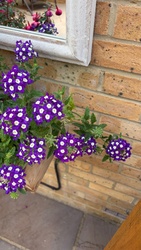
Verbena is a genus in the family Verbenaceae comprising both annual and perennial flowering plants prized for their long bloom season and pollinator appeal. Garden verbena (Verbena x hybrida) is a popular bedding and container plant, while tall verbena (Verbena bonariensis) is a see-through perennial loved for its airy purple flower heads.
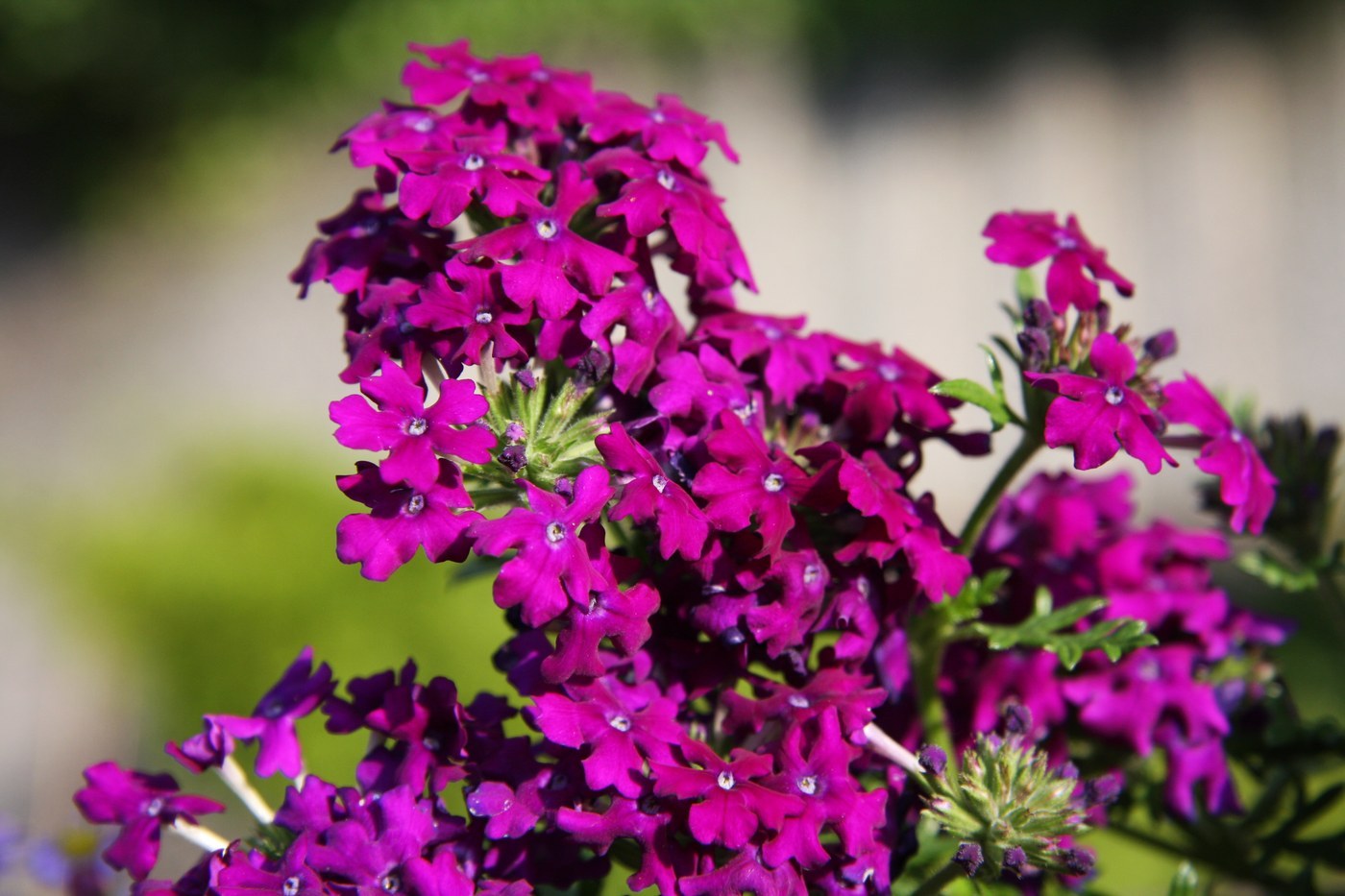
Verbenas flower from late spring until frost, producing flattened clusters of small five-petaled blooms in purple, pink, red, white, and bicolors. Their drought tolerance once established and their magnetism for butterflies make them garden workhorses.
The genus also includes lemon verbena (Aloysia citrodora, formerly classed here), an aromatic garden herb, though that is now a separate genus.
How to identify it
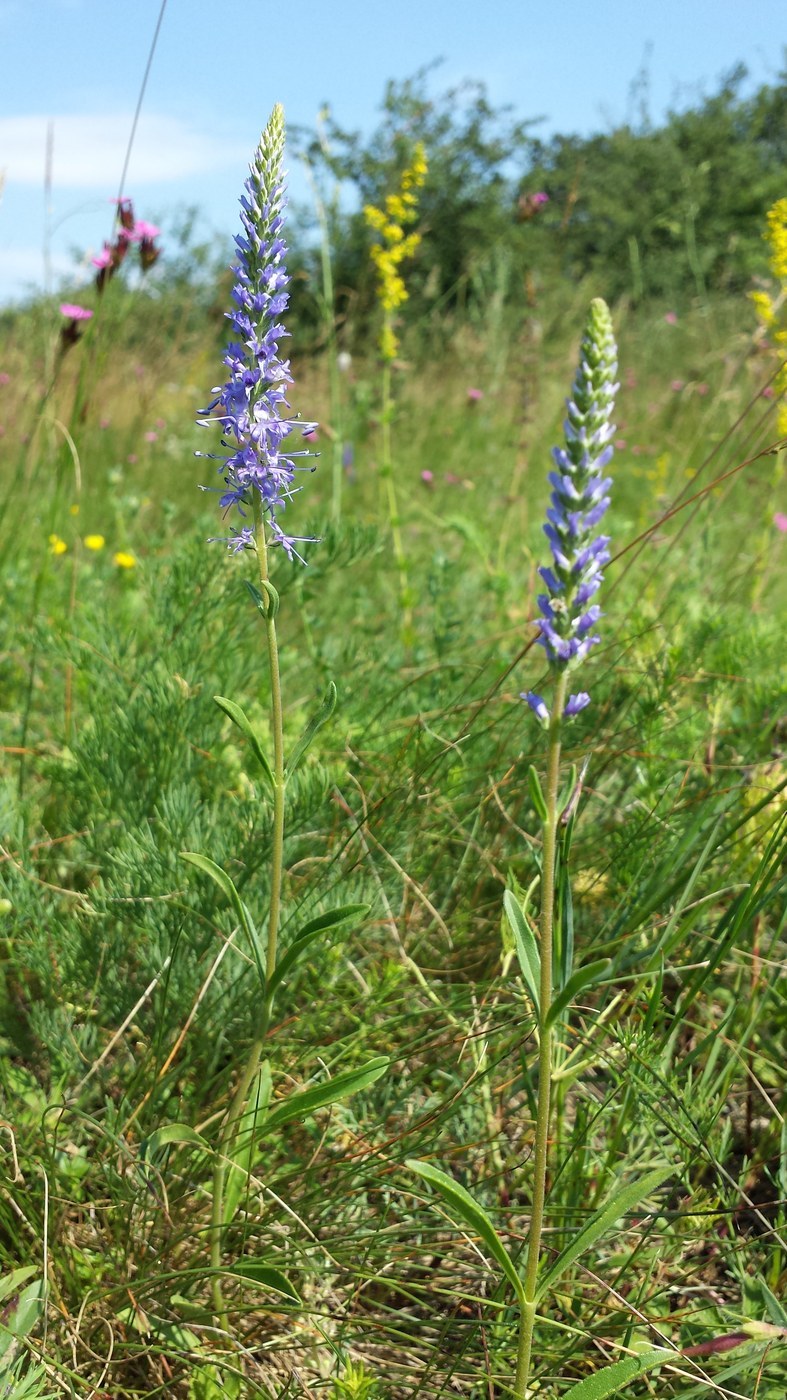
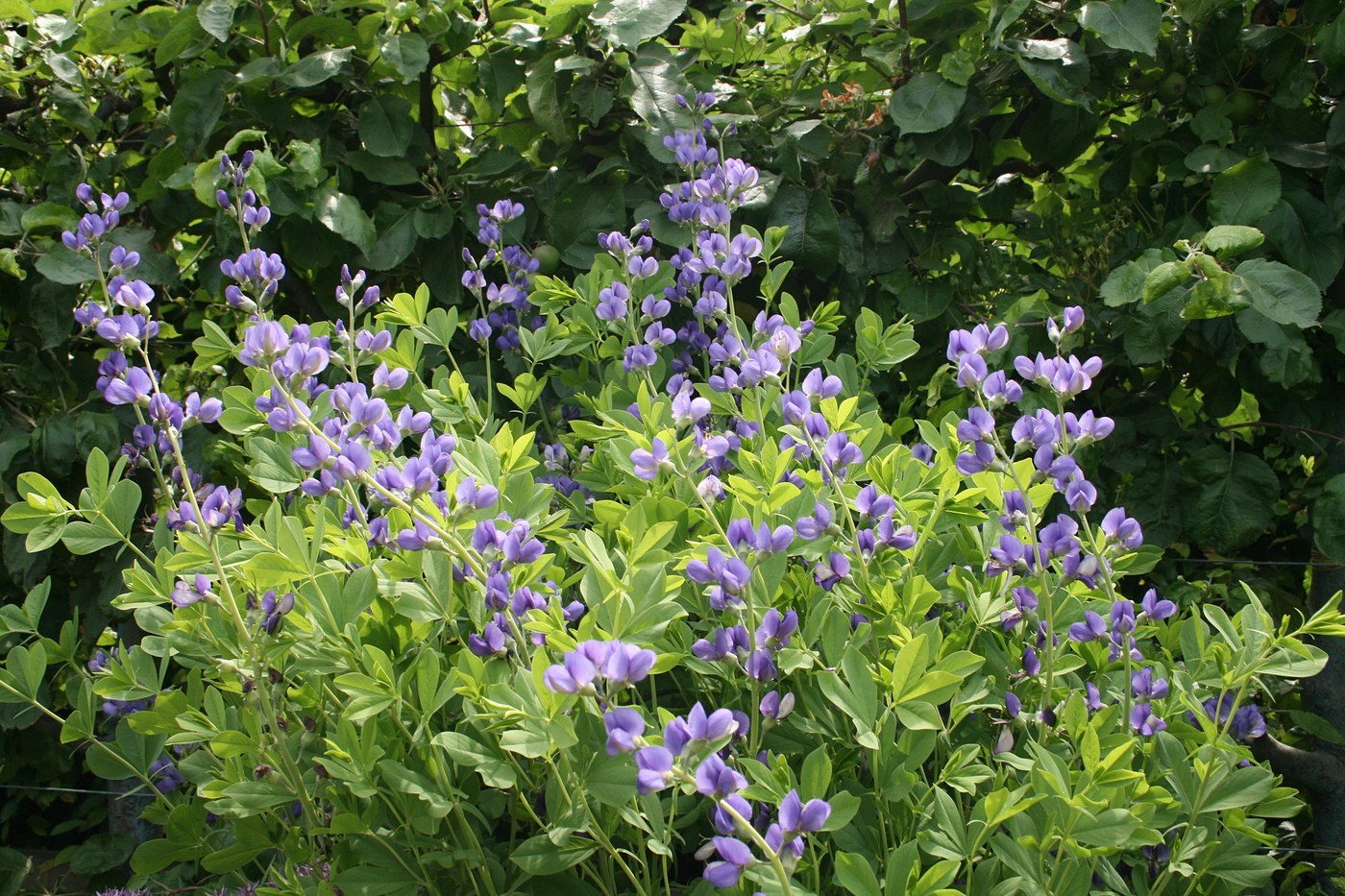
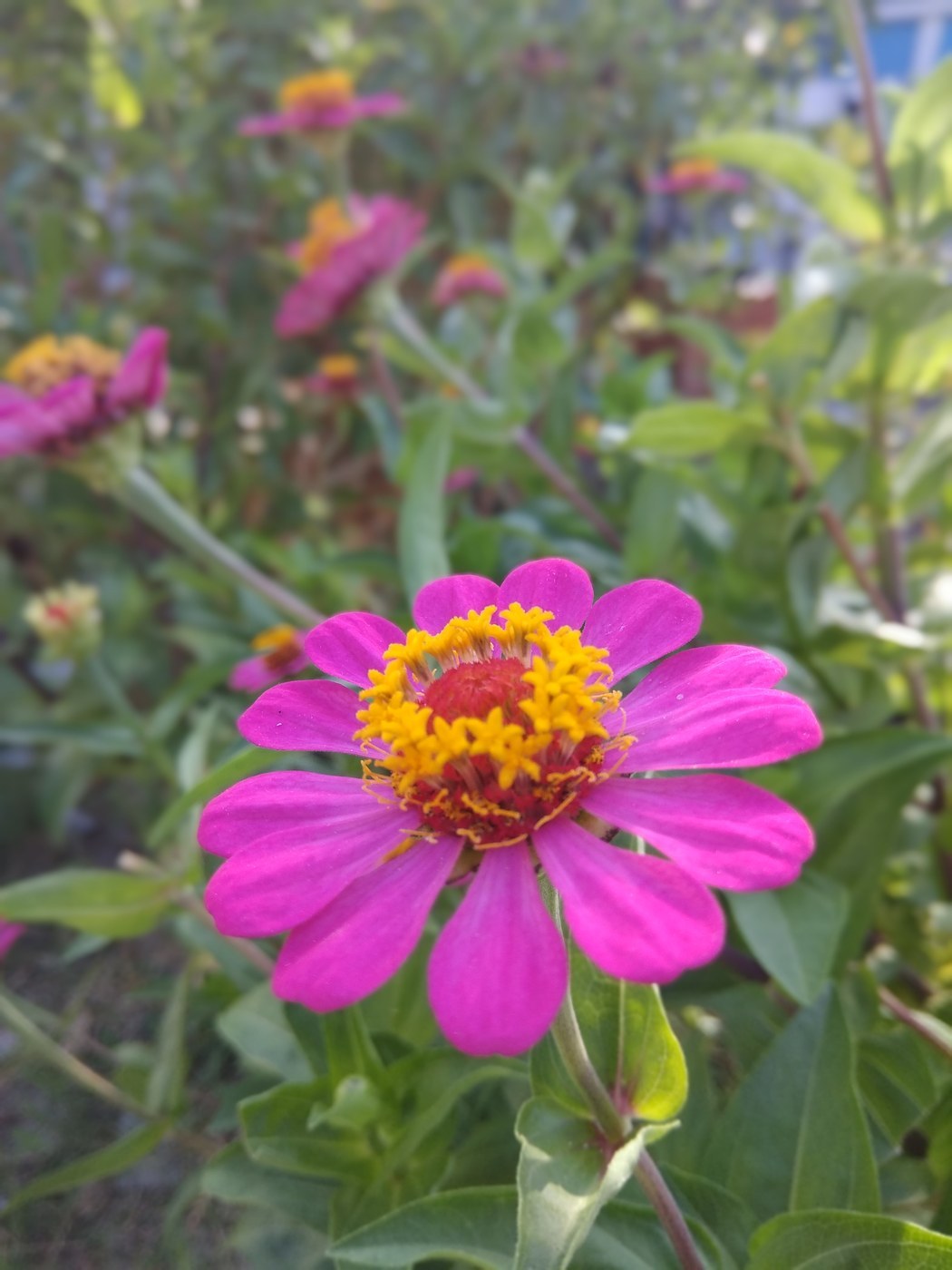
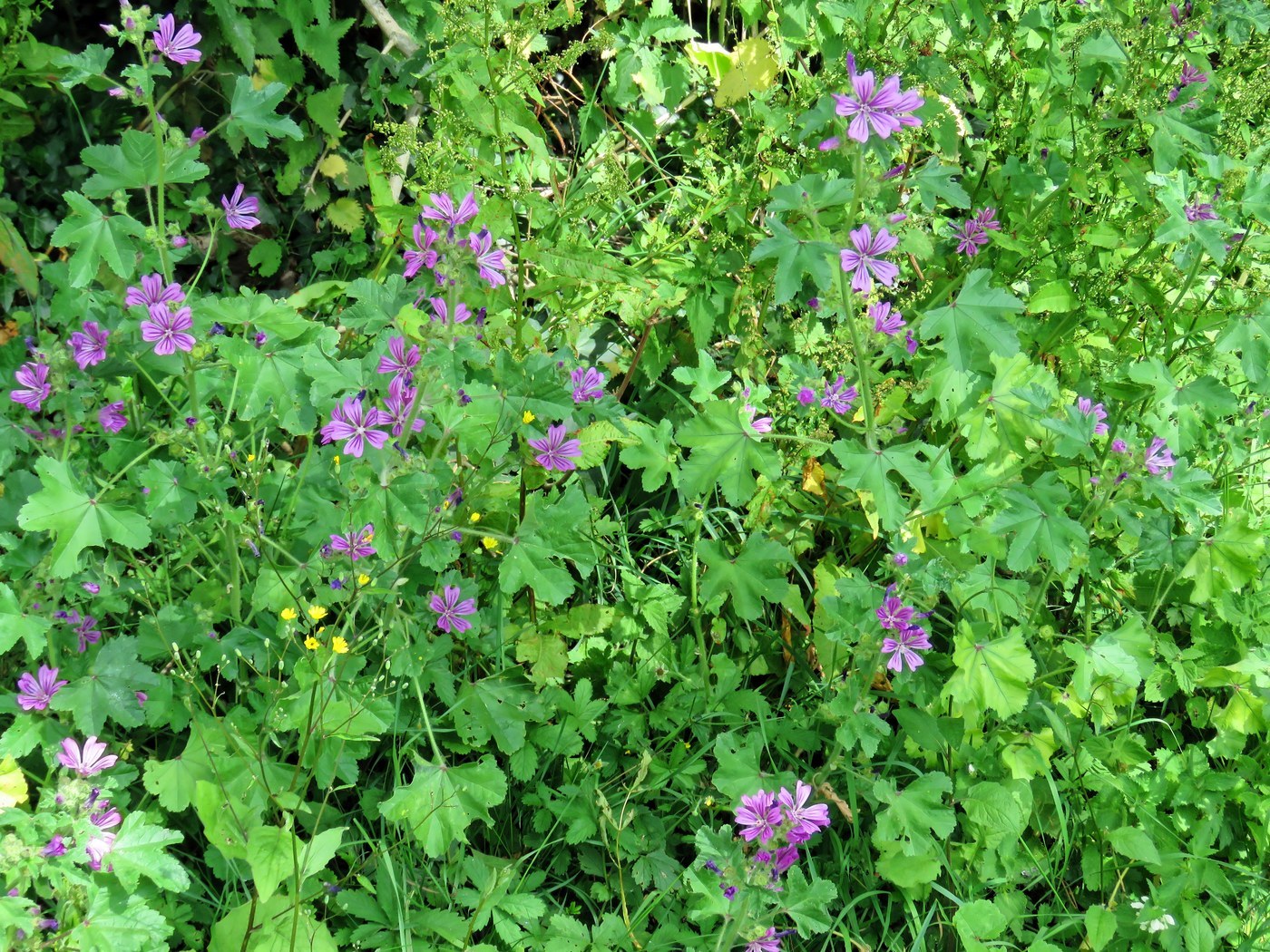
Verbenas are identified by their tight clusters of small flowers on wiry stems.
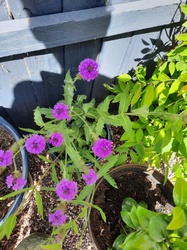
- Flowers: Small, five-lobed, salverform blooms packed into flat or domed clusters
- Color: Purple, violet, magenta, pink, red, and white
- Leaves: Opposite, often toothed or deeply cut, somewhat rough-textured
- Habit: Ranges from low, spreading mats (bedding verbena) to tall, sparse, branching stems (V. bonariensis up to 4-6 ft)
- Bloom season: Very long, from late spring through autumn
Care & growing
Verbenas are easy in sunny, well-drained sites.
- Light: Full sun is essential for abundant flowering
- Water: Moderate; let the topsoil dry between waterings — they tolerate drought once established and dislike soggy roots
- Soil: Well-drained, average to lean soil; good drainage prevents disease
- Temperature: Warm-season plants; perennial types hardy roughly in USDA zones 7-10, others grown as annuals
- Feeding: Light, regular feeding supports continuous bloom in container types
- Propagation: Cuttings for named cultivars; V. bonariensis and species self-seed readily
Good air circulation reduces powdery mildew, and shearing leggy bedding verbenas mid-season revives flowering.
Habitat & origin
Most ornamental verbenas are native to the Americas, particularly South America — Verbena bonariensis, for example, hails from Brazil and Argentina. They grow naturally in open grasslands, roadsides, and disturbed sunny ground.
Verbenas are now cultivated worldwide in temperate and subtropical gardens, and several species have naturalized widely. They are staples of summer container plantings, hanging baskets, and pollinator borders.
Frequently asked questions
Is verbena an annual or perennial?
It depends on the type and climate: many bedding verbenas are grown as annuals, while species like Verbena bonariensis are perennial in mild regions and self-seed elsewhere.
Why is my verbena not flowering?
Too little sun is the usual cause; verbenas need full sun, and leggy plants often rebloom better after a mid-season trim and light feeding.
Does verbena attract butterflies?
Yes, verbenas are among the best butterfly plants, with their nectar-rich flower clusters drawing butterflies and bees all season.
How do I keep verbena blooming all summer?
Give full sun, avoid overwatering, feed container plants regularly, and shear back any leggy or spent growth to encourage fresh flushes of flowers.
Verbena guides
In-depth guides for identifying, growing, and caring for Verbena.
How to Care for Verbena
Garden Verbena delivers nonstop clusters of jewel-toned flowers all summer. An easy, sun-loving plant for beds, baskets, and containers.
Verbena Identification Guide
Recognize verbena by its flat-topped clusters of small five-lobed tubular flowers, opposite toothed leaves, and square stems. Covers garden verbena and tall Verbena bonariensis.
Verbena identified by the community
Real specimens identified with Plant Identifier.