
How to Care for Wild Ginger
Grow Asarum canadense as a lush woodland groundcover in shade with rich, consistently moist soil and heart-shaped leaves.
Read the full Wild Ginger encyclopedia entry →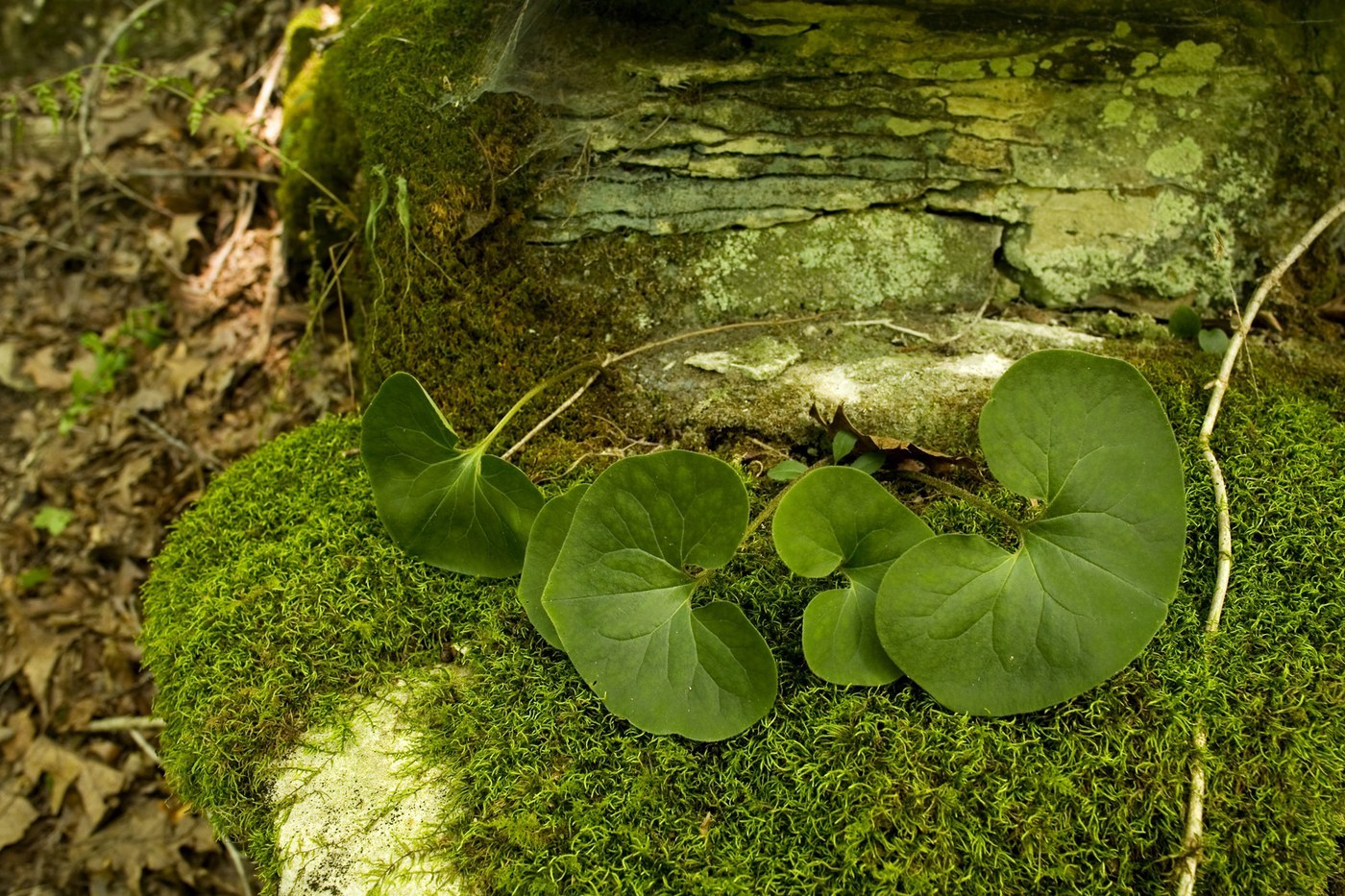
Wild Ginger (Asarum canadense) is a low, spreading woodland perennial grown as an ornamental groundcover for its soft, heart-shaped leaves that form a dense green carpet in shade. It is an easy plant for cool, moist, shady spots and slowly colonizes to knit together the ground beneath trees and along shaded paths.
Light
Wild ginger wants part shade to full shade, mimicking the dappled floor of a deciduous forest. It grows lushest in cool, indirect light and cannot tolerate hot afternoon sun, which scorches and wilts the foliage. A north-facing bed or the shaded understory beneath trees and shrubs is ideal.
Water
Keep the soil consistently moist. Wild ginger is a moisture lover that resents drying out, and dry soil leads to wilting, browning edges, and dormancy. Water during dry spells to maintain even moisture, especially while plants are establishing. A shaded site holds moisture longer and reduces how often you need to water.
Soil & Potting
Provide rich, humusy, well-drained woodland soil that stays evenly moist. Amending with leaf mold or compost recreates its native forest-floor conditions and supports steady spread. It prefers slightly acidic to neutral soil high in organic matter. Avoid heavy, compacted, or waterlogged ground, which the shallow rhizomes dislike.
Humidity & Temperature
As a temperate woodland native it is cold-hardy and thrives in cool, shaded conditions with the natural humidity of a mulched forest floor. It handles cold winters well and goes dormant in the coldest climates. It struggles in prolonged heat and dry air, so cool, moist, shaded microclimates suit it best.
Feeding
Wild ginger needs little feeding when grown in rich, organic soil. An annual top-dressing of compost or leaf mold in spring supplies ample nutrients and mimics natural leaf litter. If growth seems weak in poorer ground, a light application of balanced fertilizer in spring is sufficient; heavy feeding is unnecessary.
Propagation
The easiest method is division of the creeping rhizomes in early spring or fall. Lift a clump, cut sections that each carry roots and a growth bud, and replant at the same shallow depth in moist, enriched soil. Keep divisions well watered until established. It can also be grown from seed, though this is slower and less reliable.
Repotting / Pruning
As a spreading groundcover it rarely needs repotting; in the garden it simply expands outward and can be divided to control or propagate it. Pruning is minimal: remove tattered or damaged leaves and tidy the planting in spring. A refreshing mulch of shredded leaves each year keeps the soil cool, moist, and rich.
Common Problems & Pests
Wild ginger is generally trouble-free and low-maintenance. The main issues stem from unsuitable siting: too much sun causes scorching and wilting, and dry soil leads to browning and premature dormancy. Slugs and snails may nibble the tender leaves in damp shade; hand-pick or use barriers if damage appears. Good drainage prevents rhizome rot.
Seasonal Care Tips
In spring, top-dress with compost or leaf mold and divide clumps if you want more plants. Through summer, keep the soil evenly moist and shaded, watering during dry stretches. In fall, apply a fresh leaf-litter mulch to protect the shallow rhizomes and enrich the soil. In cold regions the foliage dies back for winter and returns in spring.
Frequently asked questions
How much light does wild ginger need?
It grows best in part shade to full shade, like a forest floor. Avoid hot afternoon sun, which scorches and wilts the heart-shaped leaves. A north-facing or tree-shaded bed is ideal.
Does wild ginger need a lot of water?
Yes, it is a moisture lover that wants consistently moist soil. Water during dry spells to keep the ground evenly damp, and use a shaded, mulched site that retains moisture.
How do I propagate wild ginger?
Divide the creeping rhizomes in early spring or fall. Cut sections that each have roots and a growth bud, replant at the same shallow depth in rich, moist soil, and water well until established.
Is wild ginger a good groundcover?
Yes. Its dense, heart-shaped foliage forms a lush carpet in shade and slowly spreads to knit the ground together beneath trees and along shady paths, making it an excellent low woodland groundcover.