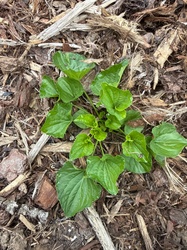
How to Care for Wild Violet
Grow the charming Wild Violet (Viola sororia) as a low-maintenance groundcover with dainty purple blooms in shade to sun and moist soil.
Read the full Wild Violet encyclopedia entry →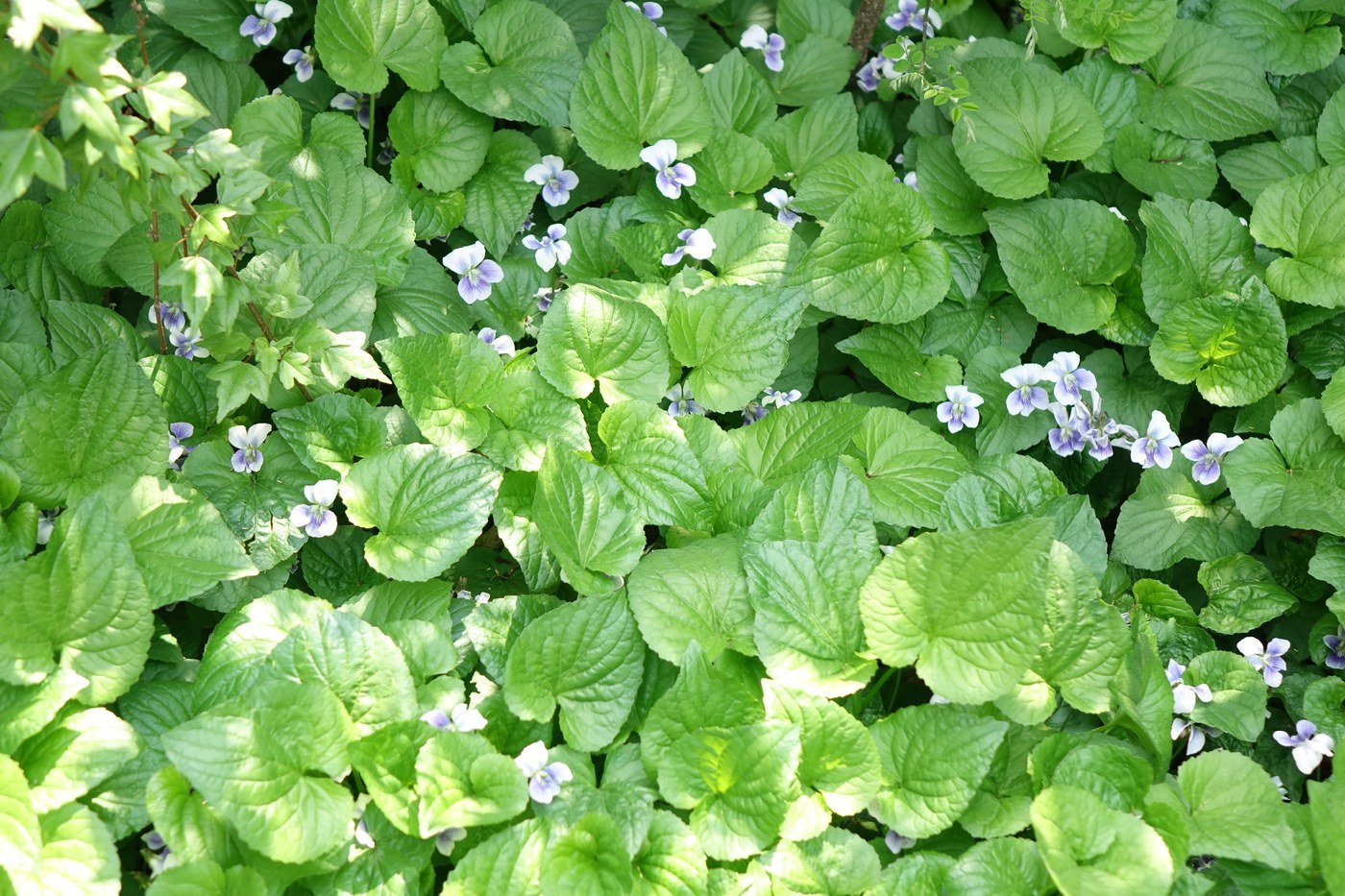
The Wild Violet (Viola sororia) is a hardy, low-growing perennial with heart-shaped leaves and cheerful purple-to-white spring flowers. It is an easy, adaptable plant that naturalizes readily, making a lovely groundcover for shady borders, woodland gardens, and lawns.
Light
Wild Violet thrives in part shade to full sun. It is happiest in dappled shade or morning sun with afternoon shade, mimicking the woodland edges it comes from. It will grow in full sun where soil stays reliably moist, but in hot climates too much sun without moisture can scorch leaves and cut short the bloom season.
Water
Keep the soil moderately and evenly moist, especially during spring flowering and while plants establish. Wild Violet prefers consistently damp soil but tolerates short dry spells once established. Water deeply when the top few centimeters dry out; in hot, dry weather more frequent watering keeps foliage lush and green rather than tired and yellowed.
Soil & Potting
Grow in rich, humusy, well-draining soil high in organic matter, much like a forest floor. It is not fussy and adapts to a wide pH range, from slightly acidic to neutral. Work in compost or leaf mold at planting to boost fertility and moisture retention. In containers, use a good general potting mix with drainage holes and keep it evenly moist.
Humidity & Temperature
This is a cold-hardy perennial (roughly USDA zones 3-9) that shrugs off frost and returns each spring. It prefers the cool, moist conditions of spring and fall; extreme summer heat can push it into semi-dormancy. Average outdoor humidity is fine, and no special humidity is needed.
Feeding
Wild Violet needs little feeding. A layer of compost or leaf mold each spring supplies ample nutrients. If growth is weak in poor soil, a light application of balanced slow-release fertilizer in early spring is plenty. Over-fertilizing produces lush leaves at the expense of flowers.
Propagation
Propagate by division, seed, or letting it self-sow. Divide established clumps in early spring or fall, replanting the sections at the same depth. Plants also spread by short underground rhizomes and drop abundant seed, so new plants pop up on their own. To grow from seed, sow in fall or cold-stratify seed before spring sowing to improve germination.
Repotting / Pruning
Wild Violet needs minimal pruning. Remove spent or tattered leaves to tidy the plant and deadhead if you want to slow self-seeding. Because it spreads freely, thin or divide clumps every couple of years to keep it in bounds and pull unwanted seedlings from areas where you don't want it. Container plants can be divided and refreshed each spring.
Common Problems & Pests
Wild Violet is tough and largely trouble-free. Occasional issues include slugs and snails chewing leaves, aphids on new growth, and fungal leaf spot or powdery mildew in crowded, humid, poorly ventilated conditions. Improve airflow, avoid overhead watering late in the day, and remove affected leaves. Its main drawback for some gardeners is its vigorous spreading, which is easily managed by thinning.
Seasonal Care Tips
In spring, enjoy peak bloom and keep soil moist; divide or transplant now if needed. Through summer, water during dry spells and provide afternoon shade in hot regions to prevent decline. In fall, plants may rebloom lightly, and this is a good time to divide and let seed disperse. In winter the plant dies back or holds low foliage in mild climates and resprouts vigorously when the ground warms.
Frequently asked questions
Is Wild Violet easy to grow?
Yes, it is one of the easiest perennials. Given part shade to sun and moderately moist soil, it establishes quickly and largely takes care of itself, even spreading on its own.
How do I stop Wild Violet from spreading too much?
Deadhead flowers to reduce self-seeding, pull unwanted seedlings, and divide or thin clumps every couple of years. Edging beds and mulching also helps contain its spread.
How much sun does Wild Violet need?
It grows in part shade to full sun. Dappled shade or morning sun with afternoon shade is ideal; full sun works if the soil stays consistently moist.
Will Wild Violet come back every year?
Yes, it is a hardy perennial that dies back or slows in winter and reliably resprouts each spring in zones 3-9, often multiplying over time.
Wild Violet identified by the community
Recent Wild Violet specimens identified with Plant Identifier.