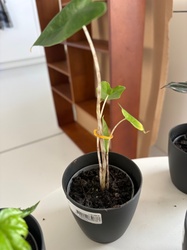
How to Care for Alocasia Zebrina
Care tips for Alocasia zebrina, the striking houseplant with zebra-striped stems and arrow-shaped leaves.
Read the full Alocasia Zebrina encyclopedia entry →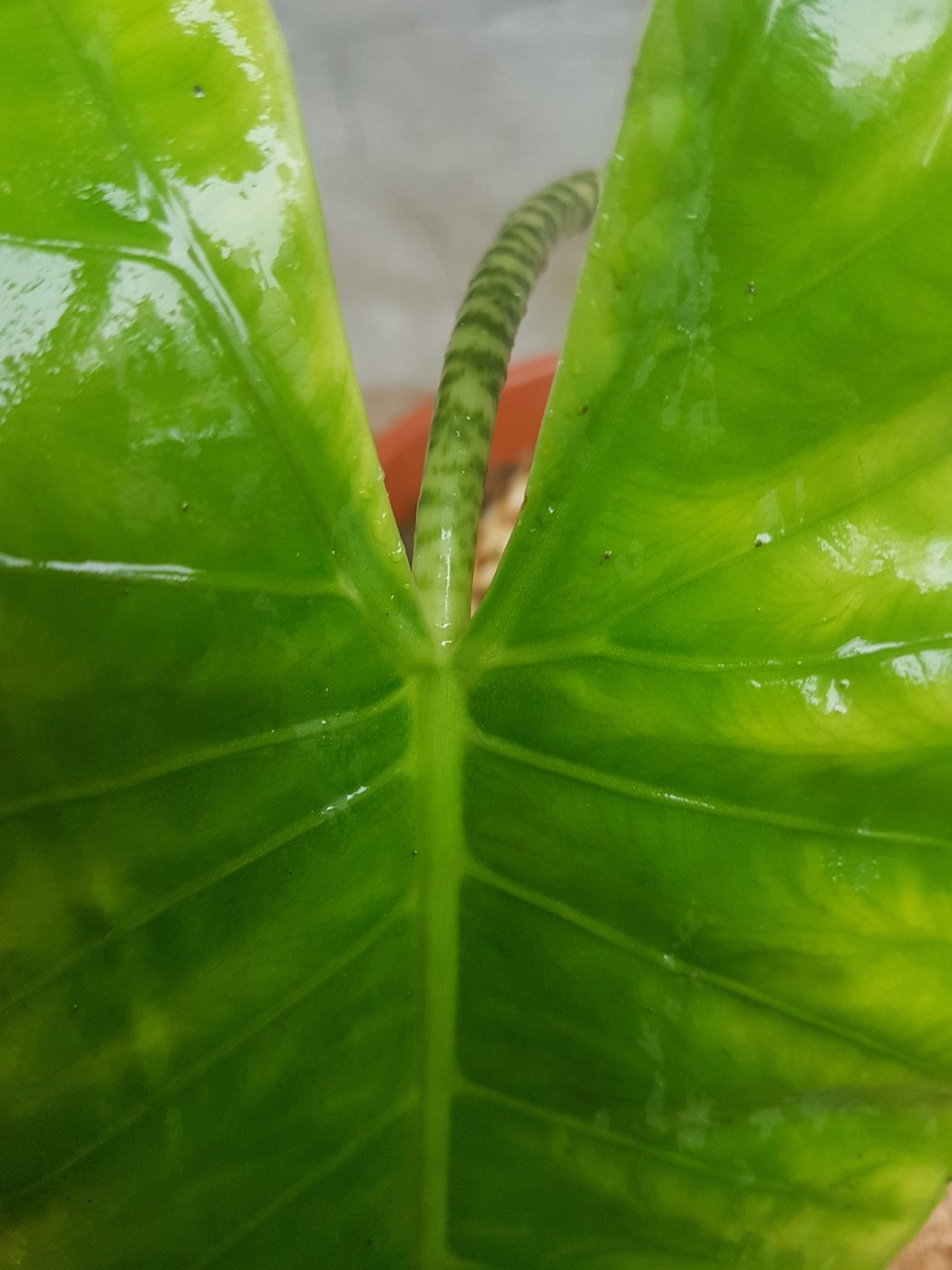
Alocasia zebrina is a dramatic tropical houseplant famous for its slender, zebra-striped petioles topped by glossy, arrowhead-shaped leaves. It rewards attentive care with architectural good looks but can be a touch temperamental about moisture and light.
Light
Provide bright, indirect light for the best color and sturdy upright stems. An east-facing window or a spot a few feet back from a bright south or west window is ideal. Direct midday sun scorches the leaves, while too little light causes floppy, stretched petioles that struggle to hold the leaves upright.
Water
Water when the top inch of soil dries out, keeping the mix lightly moist but never soggy. This alocasia is sensitive to both extremes: constant wetness rots the tuber, while prolonged dryness triggers leaf drop. Use room-temperature water and always empty the saucer so roots never sit in standing water.
Soil & Potting
Use a loose, chunky, fast-draining aroid mix, such as potting soil blended with orchid bark, perlite, and coco coir. This airy structure lets water pass freely while retaining a little moisture around the roots. Always plant in a container with drainage holes.
Humidity & Temperature
Alocasia zebrina loves warmth and high humidity, ideally 60% or more and temperatures between 65-80 degrees F. Keep it away from cold drafts, air-conditioning vents, and windows in winter, as temperatures below about 55 degrees F stall growth. A pebble tray or humidifier helps in dry indoor air.
Feeding
Feed every two to four weeks during the spring and summer growing season with a balanced, diluted liquid fertilizer. Stop feeding in fall and winter when growth naturally slows. Flush the soil occasionally to prevent fertilizer salt buildup, which can burn the sensitive roots.
Propagation
Propagate by dividing the underground tubers and offsets when repotting. Gently separate a healthy offset with its own roots and pot it in fresh aroid mix. It does not root from leaf or stem cuttings, so division is the reliable method.
Repotting / Pruning
Repot every one to two years in spring, moving up only one pot size, as it tends to sulk if overpotted. Prune only to remove yellowed or damaged leaves, cutting the petiole cleanly near the base. Handle the tuber carefully during repotting to avoid damaging the growing points.
Common Problems & Pests
Spider mites, mealybugs, and thrips are common; inspect leaf undersides regularly and wipe foliage clean. Yellowing lower leaves often signal overwatering, while crispy brown edges point to low humidity or dry soil. Drooping stems usually mean inconsistent watering or insufficient light. This plant may also go dormant and drop leaves under stress, regrowing from the tuber once conditions improve.
Seasonal Care Tips
In spring and summer, keep humidity high, feed regularly, and expect active new growth. In fall and winter, reduce watering and pause fertilizer as the plant slows or goes semi-dormant. Do not panic if it loses leaves in winter, keep the tuber barely moist and warm, and it will typically flush new foliage in spring.
Frequently asked questions
Why are my Alocasia zebrina stems drooping?
Drooping petioles usually come from inconsistent watering or too little light. Provide bright indirect light and keep the soil evenly, lightly moist.
How often should I water Alocasia zebrina?
Water when the top inch of soil dries. It hates both soggy roots and total dryness, so aim for consistently lightly moist soil in a fast-draining mix.
Why is my Alocasia zebrina dropping leaves in winter?
It often goes semi-dormant in cool, low-light winter conditions and sheds leaves. Keep the tuber warm and barely moist, and new growth should return in spring.
Does Alocasia zebrina need high humidity?
Yes. It thrives at 60% humidity or higher. In dry rooms, use a humidifier or pebble tray to prevent crispy leaf edges.
Alocasia Zebrina identified by the community
Recent Alocasia Zebrina specimens identified with Plant Identifier.