
How to Care for Amaranth
Grow ornamental amaranth (Amaranthus caudatus) for its cascading crimson tassels: an easy, sun-loving annual that thrives in warm gardens.
Read the full Amaranth encyclopedia entry →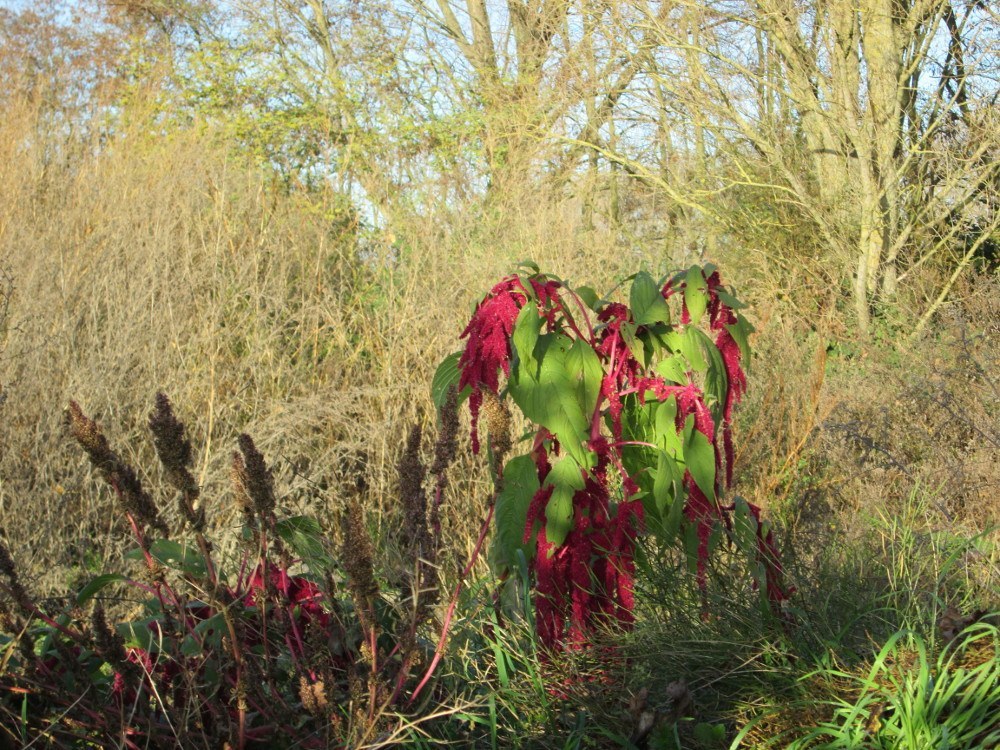
Amaranth (Amaranthus caudatus), often called love-lies-bleeding for its long, draping crimson flower tassels, is an easy, fast-growing annual that brings bold color and dramatic form to sunny borders and containers. It thrives in heat, tolerates lean soil, and needs only moderate water once established.
Light
Grow amaranth in full sun for the strongest stems and richest flower color. It will tolerate a little light shade but tends to stretch, flop, and flower less freely. A minimum of six hours of direct sun daily is ideal.
Water
Water moderately. Young seedlings need consistently moist soil to establish, but mature plants are drought-tolerant and prefer soil that dries slightly between waterings. Avoid waterlogging, which invites root and stem rot. Deep, occasional watering beats frequent shallow sprinkling.
Soil & Potting
Amaranth is famously unfussy about soil and grows well in average to lean, well-draining ground. Overly rich soil produces lush foliage but can make stems weak and floppy. In containers use a standard well-draining potting mix; a slightly larger pot supports the tall, top-heavy flower plumes.
Humidity & Temperature
This is a warm-season annual that loves heat and resents cold. Sow or plant out only after all danger of frost has passed and the soil has warmed. It tolerates dry air well and shrugs off summer heat that stalls many other flowers. It has no frost tolerance and will blacken at the first freeze.
Feeding
Feed lightly, if at all. A single dose of balanced fertilizer early in the season is plenty; too much nitrogen encourages floppy, leafy growth and can dull flower color. Lean conditions actually produce sturdier, more colorful plants.
Propagation
Propagate from seed, which is the easy and standard method. Sow the fine seed on the surface or barely covered after frost, keeping the soil warm and lightly moist until germination in one to two weeks. It also self-seeds readily, so expect volunteer seedlings the following year.
Repotting / Pruning
As an annual, amaranth is rarely repotted; sow it where it will grow or transplant young. Pinching young plants once encourages bushier, better-branched growth. Tall varieties may need staking to support their heavy tassels. Deadheading spent plumes tidies the display and can prolong the show.
Common Problems & Pests
Aphids may cluster on tender new growth and can be rinsed off with water or treated with insecticidal soap. Occasional leaf-miners or caterpillars chew foliage but rarely cause serious harm. Root rot and damping-off strike in soggy or cold soil, so ensure warmth and good drainage.
Seasonal Care Tips
Start seed indoors a few weeks before last frost or sow directly once soil warms. Through summer, water moderately and enjoy the peak flowering display of trailing plumes. Toward autumn the plant sets seed heavily; collect seed if desired or let it self-sow. The plant dies with the first hard frost and is cleared away.
Frequently asked questions
How do I keep amaranth from flopping over?
Grow it in lean soil and full sun for sturdier stems, avoid over-fertilizing with nitrogen, pinch young plants to encourage branching, and stake tall varieties before the heavy tassels form.
When should I plant amaranth?
Wait until all danger of frost has passed and the soil is warm. Amaranth is a heat-loving annual with no cold tolerance, so planting too early leads to poor germination and stunted growth.
Does amaranth come back every year?
The plant itself is an annual and dies after frost, but it self-seeds prolifically, so you will often find volunteer seedlings returning in the same spot the next season.
Why is my amaranth pale instead of deep red?
Too little sun and too much nitrogen fertilizer both wash out the color. Move it to full sun and cut back on feeding for the richest crimson tassels.