How to Care for Amaryllis
Grow show-stopping Amaryllis (Hippeastrum) with the right light, a proper growth-and-rest cycle, and simple bulb care for repeat blooms.
Read the full Amaryllis encyclopedia entry →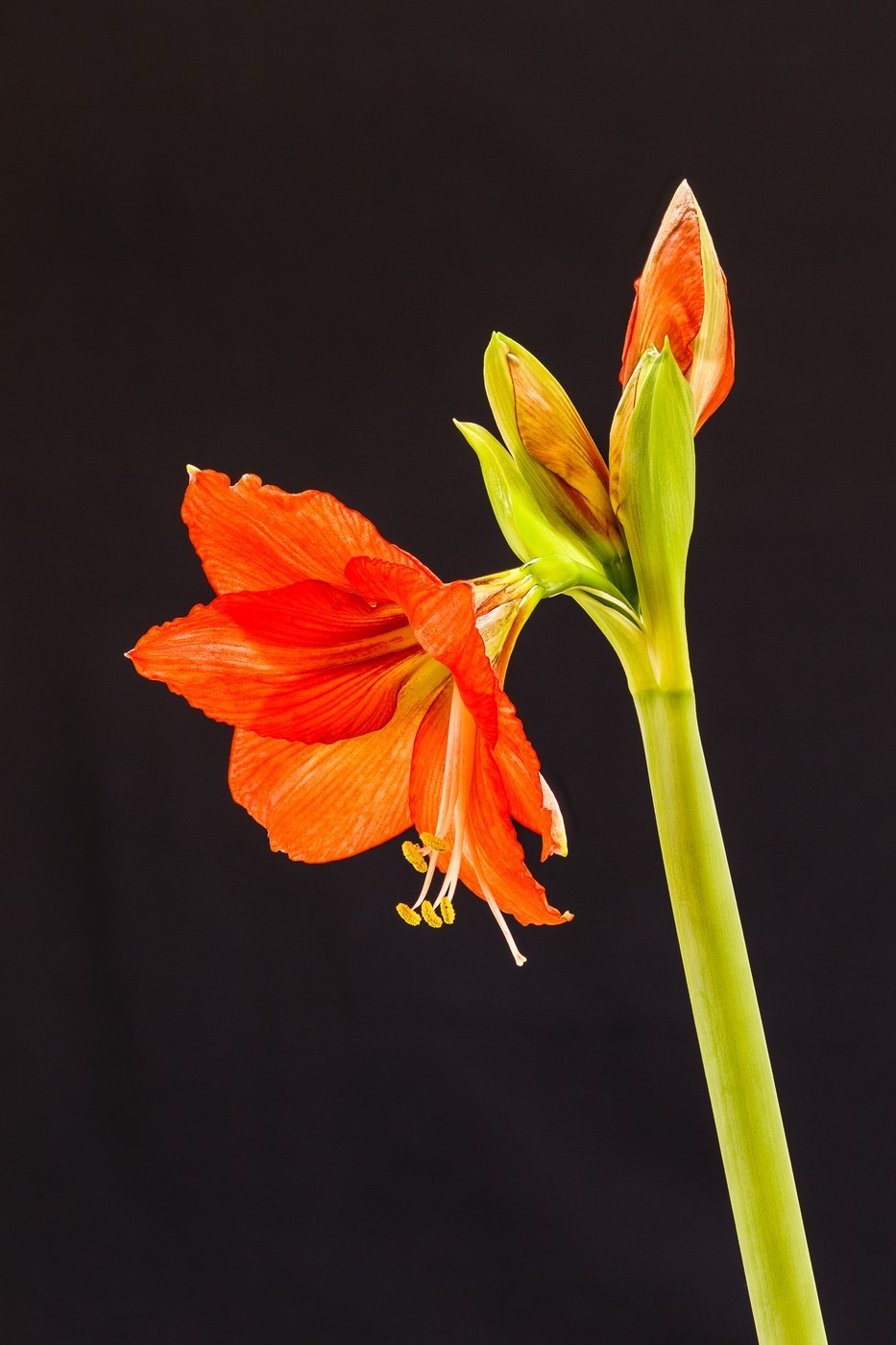
Amaryllis (Hippeastrum hybridum) is a large-bulbed flowering plant prized for its dramatic, trumpet-shaped blooms on tall, sturdy stalks. It is an easy grower that rewards a clear cycle of active growth followed by a dry rest period, making it a favorite for indoor winter flowering and outdoor summer display.
Light
Give amaryllis bright indirect light to full sun. Indoors, a south- or west-facing windowsill is ideal while the plant is in leaf and flower. Strong light keeps the flower stalk sturdy and upright; too little light produces a tall, leaning, weak stalk that may need staking. When grown outdoors after the last frost, acclimate it gradually to direct sun to prevent leaf scorch.
Water
Water moderately during the active growth and flowering period, keeping the soil evenly moist but never waterlogged. Start watering sparingly when you first pot a dormant bulb, then increase as the flower stalk and leaves emerge. During the dormant rest period, withhold water almost entirely and keep the bulb dry. Always empty the saucer so the base of the bulb never sits in standing water, which causes rot.
Soil & Potting
Use a rich, well-draining potting mix; a general houseplant mix amended with extra perlite or coarse sand works well. Choose a pot only about 2.5 to 5 cm (1 to 2 inches) wider than the bulb, since amaryllis flowers best when slightly pot-bound. Plant the bulb high, leaving the top third to half sitting above the soil line. Firm the soil gently and ensure the pot has drainage holes.
Humidity & Temperature
Average household humidity is fine. Amaryllis prefers warm conditions of about 18 to 24 C (65 to 75 F) during active growth. Slightly cooler temperatures around 15 to 18 C (60 to 65 F) once buds show color help the flowers last longer. Protect it from cold drafts and never expose it to frost, as the bulb and foliage are not cold-hardy.
Feeding
Feed every two to three weeks with a balanced or slightly higher-potassium liquid fertilizer during active leaf growth, which builds up the bulb for next year's bloom. Continue feeding after flowering while the leaves remain green and photosynthesizing. Stop feeding entirely once you begin the dormant rest period.
Propagation
Amaryllis propagates most reliably by offset bulblets that form around the base of the mother bulb. When repotting, gently separate well-developed offsets and pot them individually; they may take two to three years to reach flowering size. Propagation from seed is possible but slow, often taking several years to bloom.
Repotting / Pruning
Repot only every three to four years, ideally at the end of the dormant period just before restarting the growth cycle, refreshing the soil and topdressing. After flowers fade, cut the spent flower stalk down to about 5 cm (2 inches) above the bulb, but leave the leaves intact to feed the bulb. Remove leaves only once they yellow naturally during the induced dormancy.
Common Problems & Pests
Watch for red blotch (a fungal disease showing red streaks on the stalk and bulb), which is worsened by overwatering and poor airflow. Bulb rot results from soggy soil or planting too deep. Common pests include mealybugs, spider mites, and the amaryllis-specific bulb mite; treat infestations promptly by wiping foliage and applying insecticidal soap. A stalk that flops usually signals insufficient light.
Seasonal Care Tips
To force winter bloom, induce dormancy in early autumn: stop watering, let the foliage die back, and store the potted bulb in a cool, dark, dry place for 8 to 12 weeks. Then bring it into warmth and light and resume watering to trigger a new flower stalk. In spring after frost danger passes, potted amaryllis can be moved outdoors for the summer to build strength, then brought back in before the first frost.
Frequently asked questions
Why won't my amaryllis bloom?
The most common reasons are insufficient light and skipping the dormant rest period. Amaryllis needs bright light and steady feeding while in leaf to store energy, followed by a cool, dry dormancy of 8 to 12 weeks to trigger reblooming.
Should I cut off the leaves after flowering?
No. Leave the green leaves intact after the flowers fade because they photosynthesize and recharge the bulb for next year. Only remove leaves once they yellow naturally as you induce dormancy.
How deep should I plant an amaryllis bulb?
Plant it high, leaving the top third to half of the bulb above the soil surface. Burying the bulb too deep encourages rot and can prevent flowering.
Why is my amaryllis stalk falling over?
A leaning or floppy stalk usually means the plant isn't getting enough light, which produces weak, elongated growth. Move it to a brighter spot and stake the stalk if the heavy flowers need support.
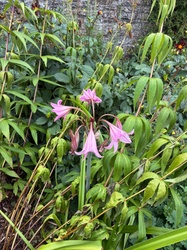
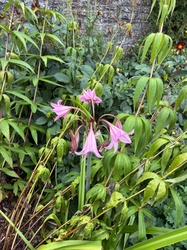
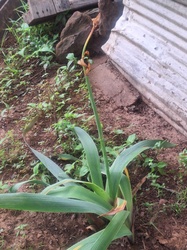
Amaryllis identified by the community
Recent Amaryllis specimens identified with Plant Identifier.