Amaryllis Identification Guide
Identify amaryllis by its tall hollow leafless stalk topped with several large trumpet flowers, strap-like leaves, and large bulb.
Read the full Amaryllis encyclopedia entry →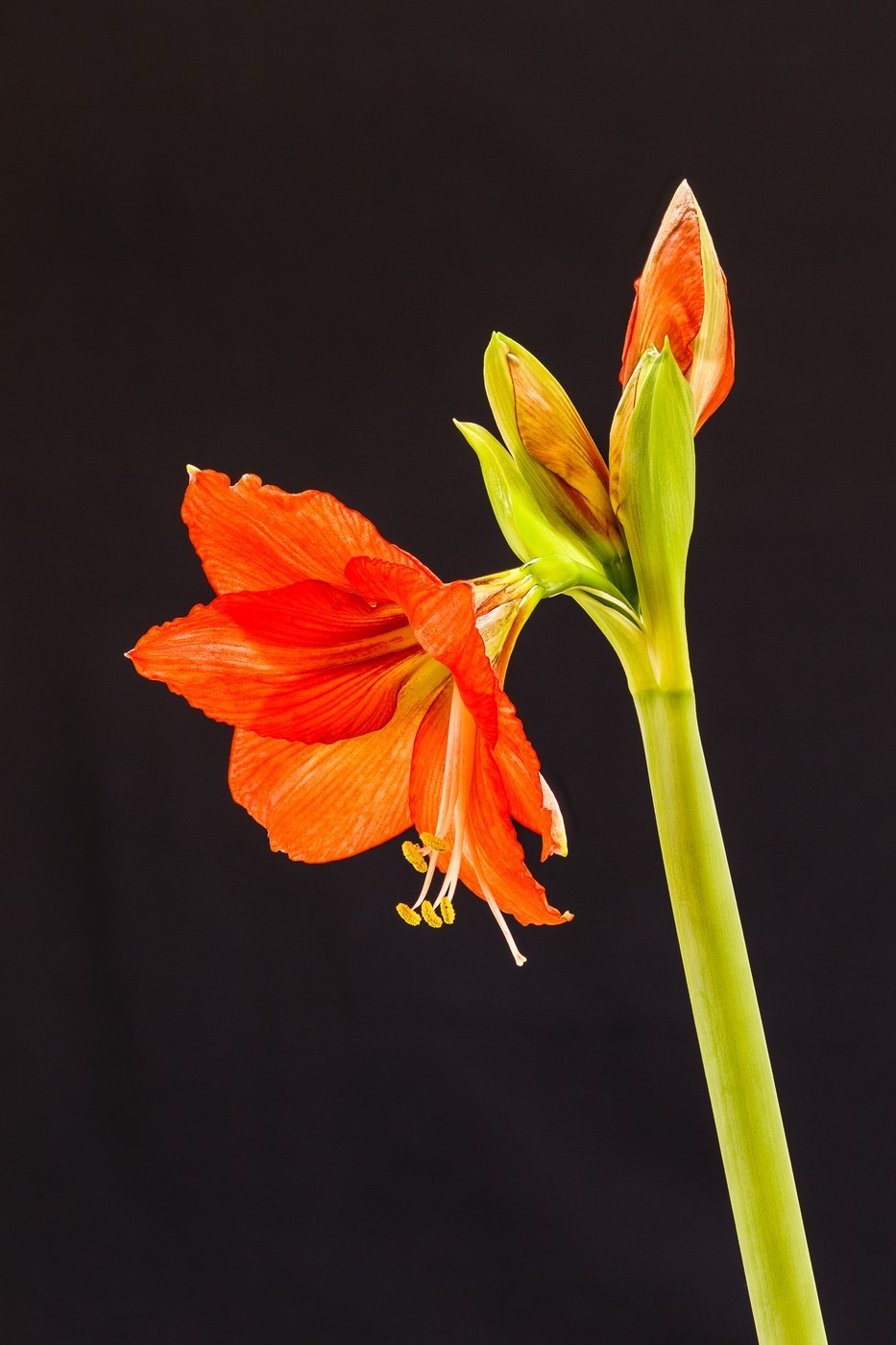
Key Identifying Features
The popular indoor "amaryllis" is usually Hippeastrum, a bulbous plant in the family Amaryllidaceae (true Amaryllis belladonna is a related South African species). Recognize it by:
- A tall, thick, hollow, leafless flower stalk (scape) topped with 2–6 large trumpet flowers.
- Broad, strap-shaped leaves emerging from a large bulb.
- Enormous, six-tepal funnel flowers up to 6–8 inches across.
Leaves & Stems
Leaves are long, strap- to belt-shaped, smooth, and fleshy, bright to deep green, arising in two ranks directly from a large rounded bulb (often 2–4 inches wide). In Hippeastrum, leaves usually appear with or after the flowers. The flower stalk is a stout, hollow, leafless scape 1–2 feet tall — a key identifier, since it is unbranched and bare until the flower cluster at the top. The bulb is fleshy with papery outer scales.
Flowers & Fruit
Flowers cluster at the top of the scape in an umbel of typically 2–6 large blooms, each a broad funnel/trumpet of six tepals with six prominent stamens. Colors include red, white, pink, salmon, orange, and bicolors, often with stripes, veining, or contrasting throats; doubles exist. Individual flowers can be 6–10 inches wide, making them among the largest of houseplant bloom. Forced bulbs flower in winter; outdoors they bloom in spring. After bloom a three-lobed capsule with flat black papery seeds may form. True Amaryllis belladonna differs in blooming leafless in late summer ("naked ladies").
How to Tell It Apart from Look-Alikes
- Clivia: Similar strap leaves and umbel of flowers, but blooms are smaller orange tubular clusters and the plant grows from fleshy roots, not a large bulb on a hollow scape.
- Lily (Lilium): Has leafy stems with whorled leaves up the stalk, not a bare hollow scape from a bulb.
- Daylily / Hemerocallis: Flowers resemble trumpets but arise on branched leafy-based scapes and last only a day each.
The single hollow leafless scape topped by a few giant six-tepal trumpets from a big bulb confirms amaryllis (Hippeastrum).
Where You'll Find It
Amaryllis is most familiar as a forced winter-blooming houseplant and holiday gift bulb, grown in pots indoors. In frost-free climates it is planted in garden beds where it naturalizes. It prefers bright light and well-drained soil, going dormant after the leaves die back. Look for it on windowsills in winter and in subtropical garden borders.
Quick ID Checklist
- Tall hollow, leafless flower stalk (scape)
- 2–6 huge trumpet flowers in a top cluster
- Six tepals and six stamens per flower
- Broad strap-shaped fleshy leaves
- Large rounded bulb at the base
- Winter bloom when forced indoors
Frequently asked questions
Is the houseplant amaryllis a true Amaryllis?
Usually not. The large winter-blooming bulb sold for indoors is Hippeastrum. True Amaryllis belladonna is a related South African plant that blooms leafless in late summer and is often called the naked lady.
How do I identify amaryllis versus clivia?
Both have strap leaves and clustered flowers, but amaryllis sends up a tall hollow leafless stalk topped with a few very large trumpet flowers from a big bulb, while clivia has smaller orange tubular flowers and grows from fleshy roots.
Why is the amaryllis flower stalk hollow?
The scape is naturally hollow and tubular, which is a normal feature of Hippeastrum. Its stout, bare, leafless form topped by giant flowers is a key identification trait.
When does amaryllis bloom?
Forced indoor bulbs typically bloom in winter, about six to eight weeks after potting. Planted outdoors in frost-free climates, Hippeastrum generally blooms in spring.
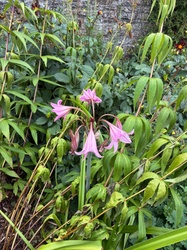
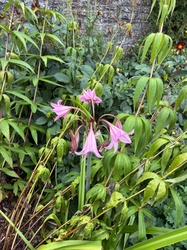
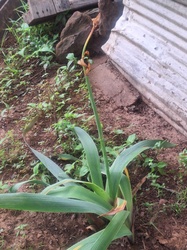
Amaryllis identified by the community
Recent Amaryllis specimens identified with Plant Identifier.