
How to Care for American Beech
American Beech is a stately shade tree with smooth gray bark and golden fall color, thriving in moist, well-drained soil.
Read the full American Beech encyclopedia entry →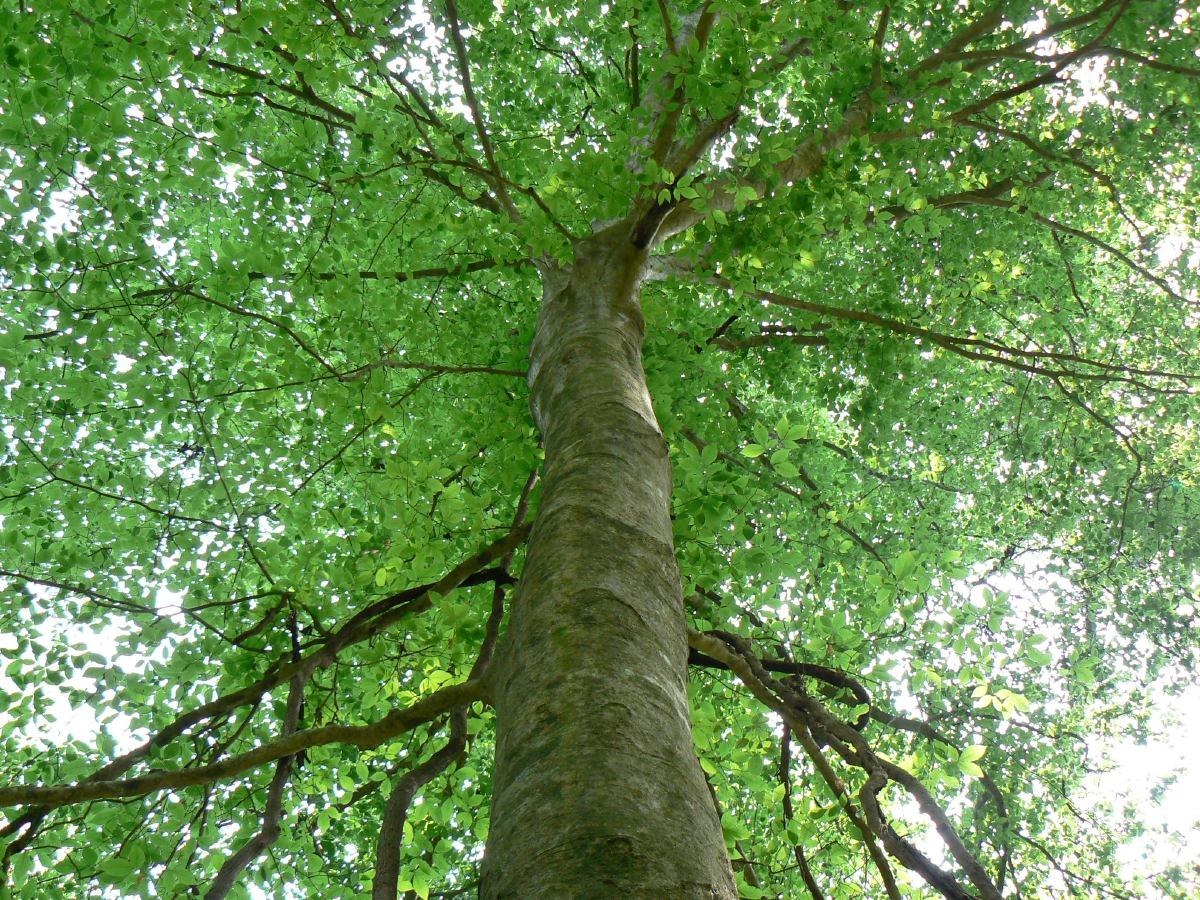
American Beech (Fagus grandifolia) is a majestic, slow-growing deciduous shade tree known for its smooth silver-gray bark, glossy toothed leaves, and coppery fall color. It is a moderate-difficulty landscape tree that prefers moist, well-drained soil and a range of light from full sun to shade.
Light
American Beech is remarkably adaptable to light, tolerating full sun to fairly deep shade. Young trees are notably shade-tolerant and establish well in the understory, while mature specimens develop the fullest crowns in more open sun. In hot regions, some afternoon shade protects thin bark and foliage.
Water
Provide moderate, consistent moisture in well-drained soil. Beech has a shallow root system and dislikes both drought and standing water. Water deeply during establishment and in prolonged dry spells; a mature tree appreciates supplemental irrigation during summer droughts.
Soil & Potting
Beech thrives in deep, rich, moist but well-drained loam with a slightly acidic pH. It resents compacted, heavy, or poorly drained soils. Because of its shallow roots, avoid disturbing or compacting the soil beneath the canopy and maintain a wide mulch ring instead of turf.
Humidity & Temperature
Hardy across temperate climates, American Beech tolerates cold winters and is well suited to regions with distinct seasons. It prefers the humidity of eastern woodlands and struggles in hot, dry, or exposed sites. Protect young trees from harsh reflected heat and drying winds.
Feeding
Established beech trees in decent soil rarely need feeding. If growth is poor, apply a light topdressing of compost or a balanced slow-release tree fertilizer in early spring. Maintaining a leaf-litter or wood-chip mulch layer supplies nutrients naturally and protects the shallow roots.
Propagation
American Beech is propagated from seed (beechnuts), which typically need a period of cold stratification to germinate. It also spreads naturally by root suckers, which can be transplanted while dormant. Grafting is used for named ornamental selections.
Repotting / Pruning
Beech needs minimal pruning; remove only dead, damaged, or crossing branches, ideally in late winter while dormant. It tolerates shearing well, which is why European relatives are used for hedges. Avoid heavy pruning of large limbs, as wounds heal slowly on this species.
Common Problems & Pests
Beech can be affected by beech bark disease (a scale-insect and fungus complex), beech leaf disease, aphids, and various cankers. Smooth bark is easily damaged and slow to heal, so avoid mechanical injury. Root compaction and grade changes are common causes of decline in landscape settings.
Seasonal Care Tips
Plant in early spring or fall. Mulch widely to keep roots cool and moist and to reduce competition from turf. Water through summer droughts, especially in the first few years. Young beeches often retain dry tan leaves through winter, a normal trait called marcescence that adds seasonal interest.
Frequently asked questions
How much space does an American Beech need?
It is a large, long-lived tree with a wide spreading canopy and shallow roots, so give it plenty of room, well away from foundations, pavement, and other trees.
Does American Beech grow in shade?
Yes. It is one of the more shade-tolerant hardwoods, especially when young, though mature trees develop fuller crowns with more sun.
Why does my young beech keep its brown leaves in winter?
This is marcescence, a normal habit in juvenile beech where dry leaves cling until spring. It causes no harm and adds winter interest.
How fast does American Beech grow?
It is slow-growing but very long-lived. Patience is rewarded with a stately shade tree and distinctive smooth gray bark over the decades.