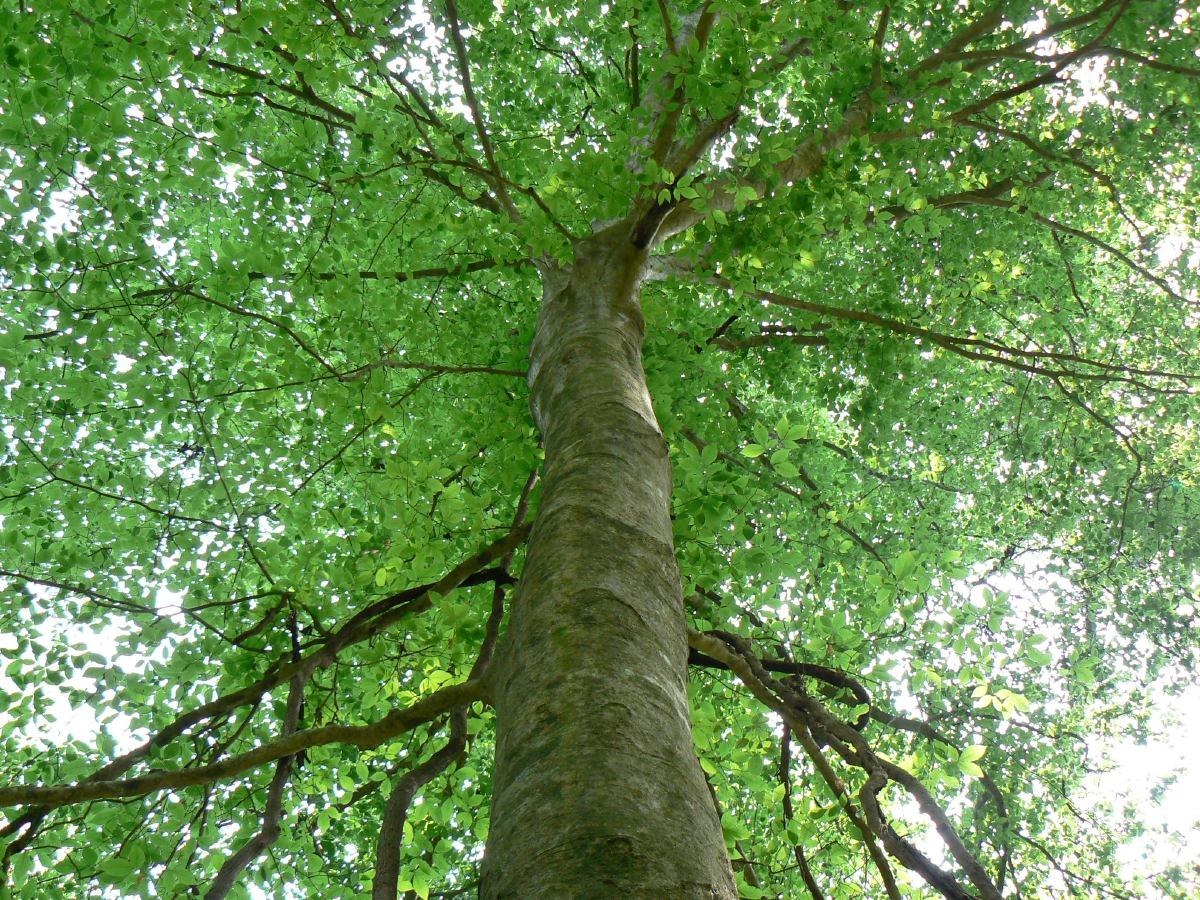
American Beech
Fagus grandifolia
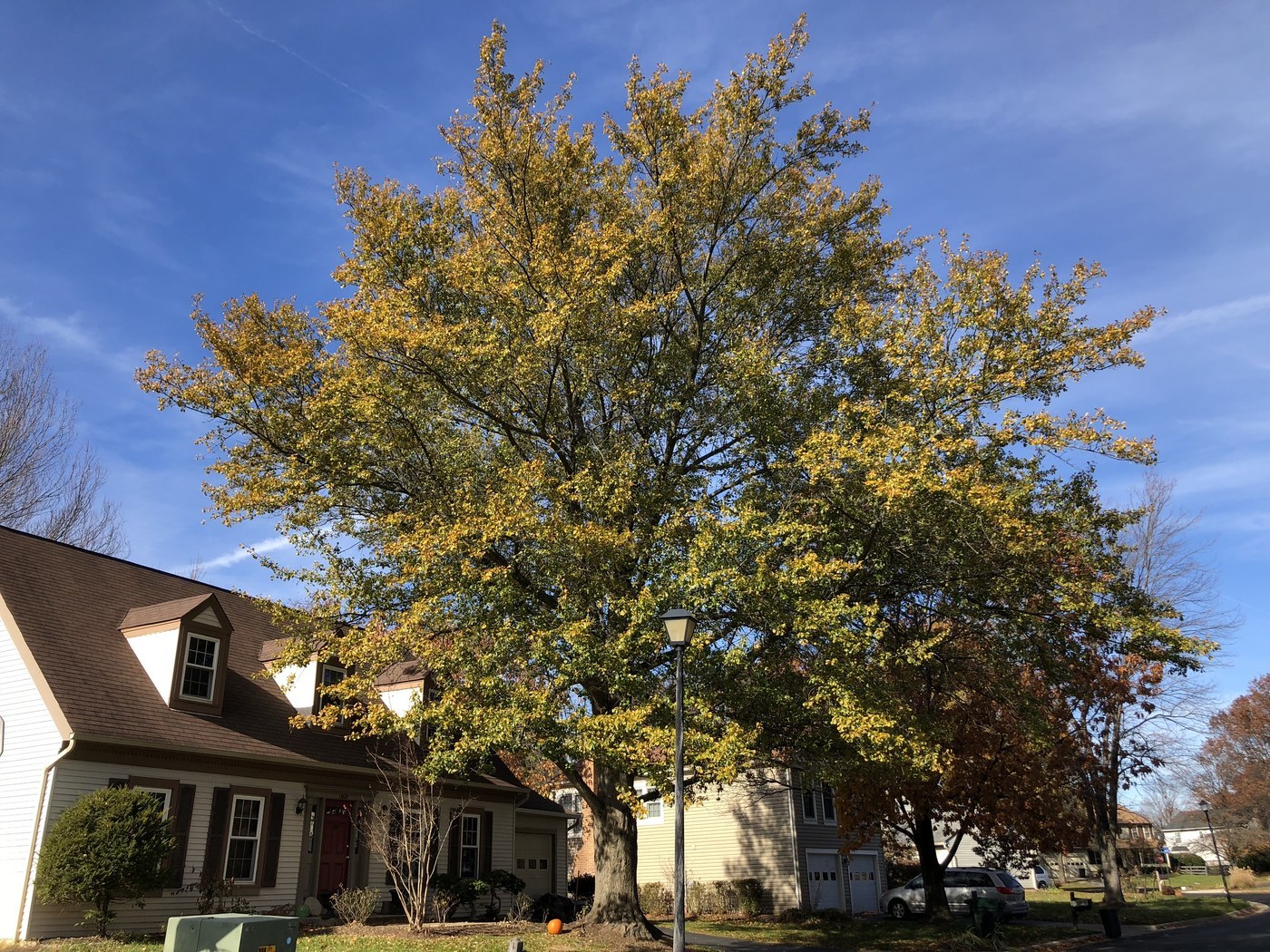
A majestic, slow-growing native hardwood with smooth silvery-gray bark and golden fall leaves that often cling through winter. A dominant tree of eastern forests.
- Light
- Full sun to shade
- Water
- Moderate; moist well-drained soil
- Difficulty
- Moderate
Got a plant like this?
Identify any plant from a photo, free.
Overview
American beech is a large, long-lived deciduous hardwood native to eastern North America, instantly recognized by its smooth, pale gray bark that stays unfurrowed even on ancient trees.
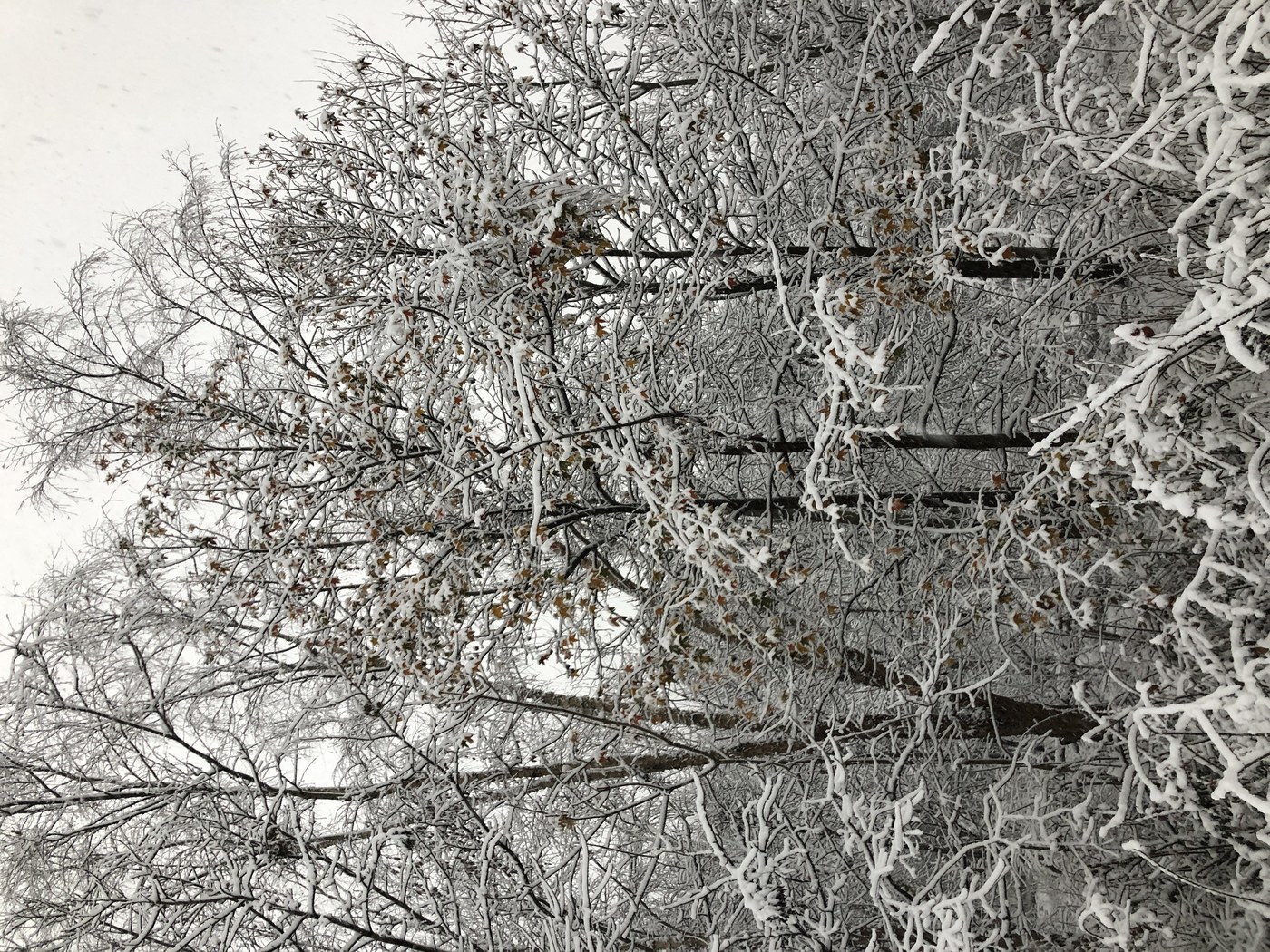
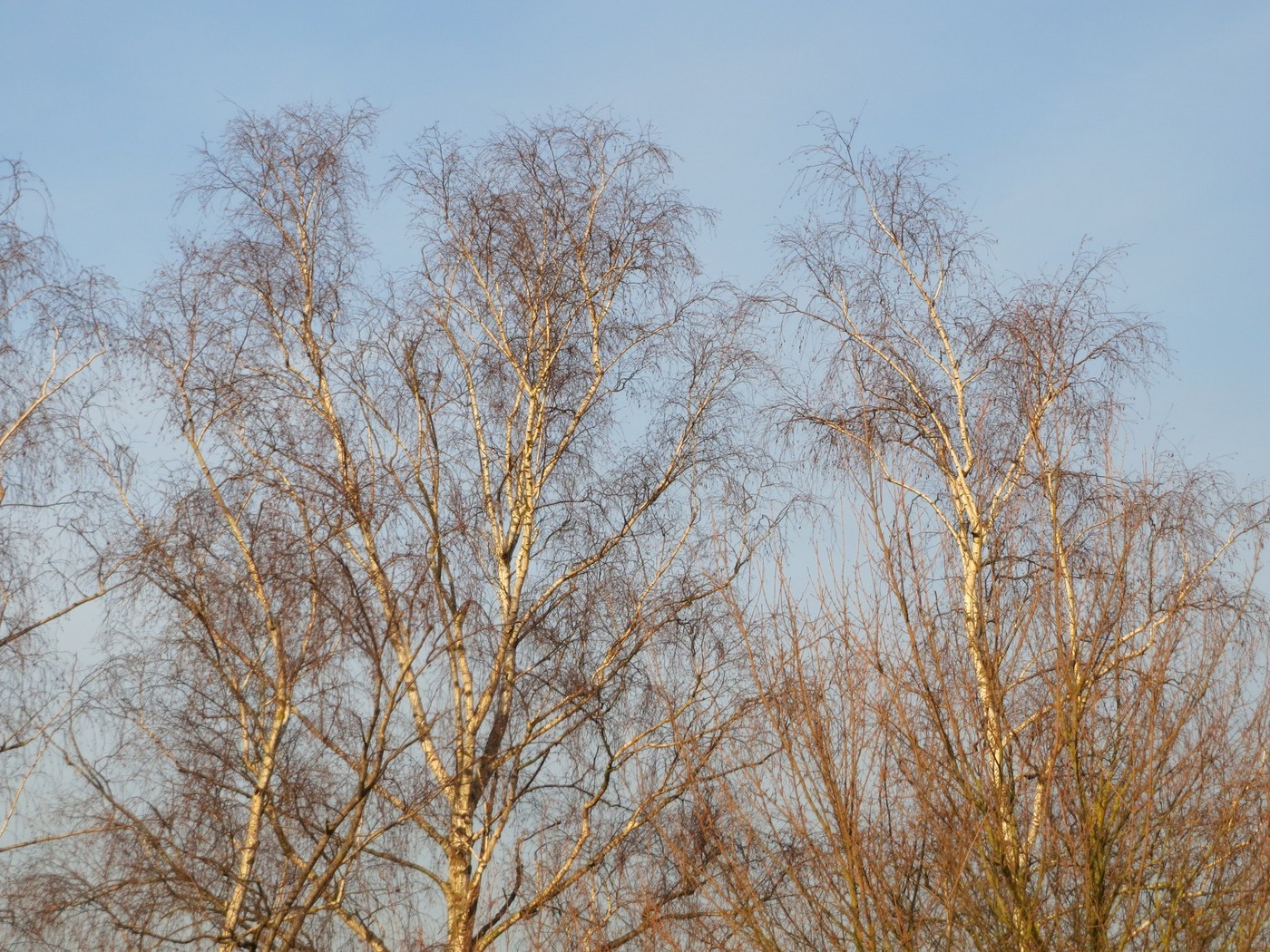
It casts dense shade and is highly tolerant of shade itself, regenerating in the understory and often forming root-sucker colonies. In autumn the leaves turn coppery-gold and many remain on the tree (a trait called marcescence) through winter.
It is a foundational species of mature beech-maple and beech-birch forests and produces beechnuts important to wildlife.
How to identify it
- Bark: smooth, thin, light silvery-gray—distinctive and unfurrowed at all ages (and unfortunately a magnet for carved initials)
- Leaves: alternate, elliptical, coarsely toothed with straight parallel veins, 2.5-5 in; bronze-gold in fall, often persisting in winter
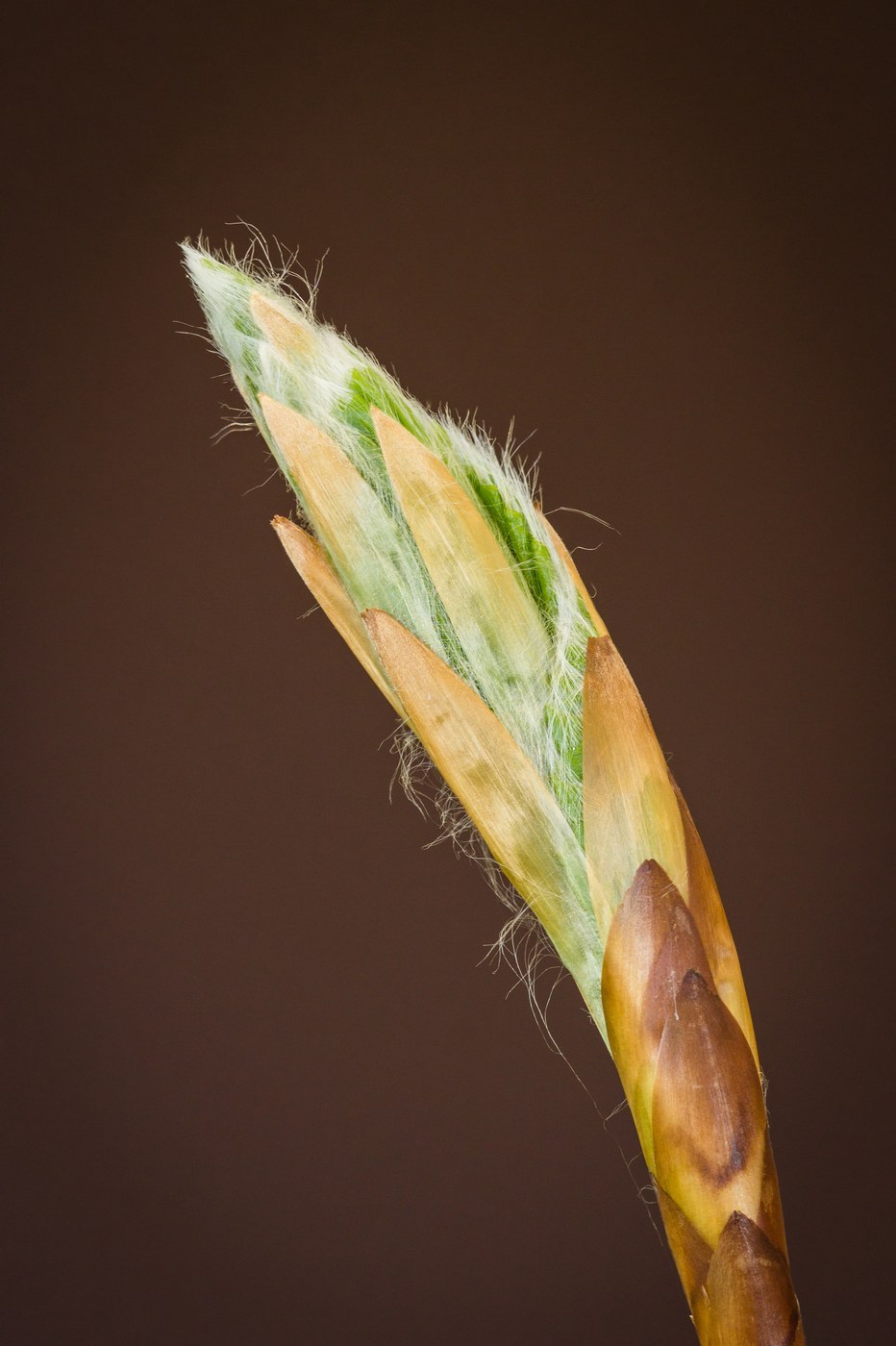
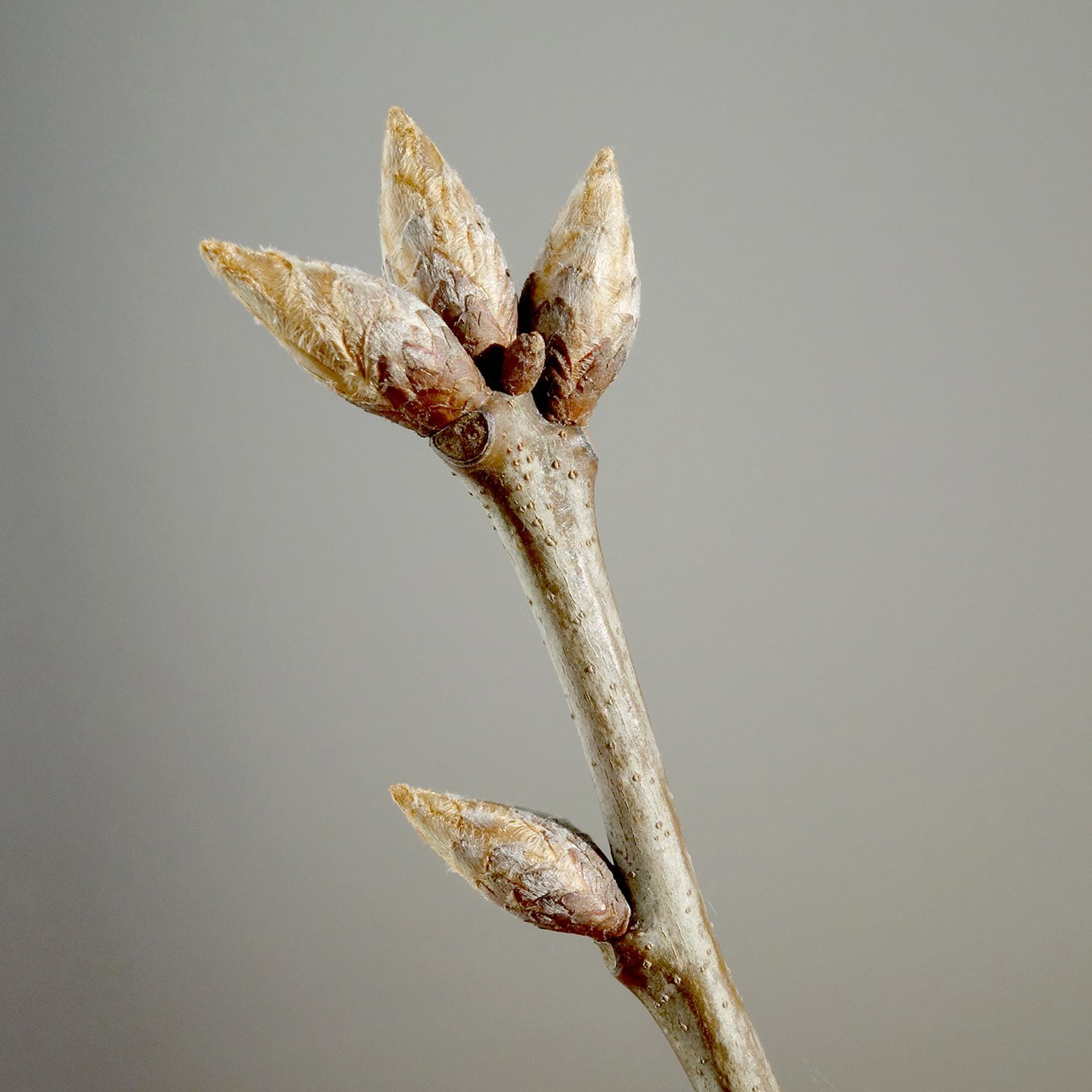
- Buds: long, slender, sharply pointed, cigar-shaped—a key winter ID feature
- Fruit: small triangular beechnuts in spiny four-valved husks
- Size: 50-80 ft tall with a broad, rounded, dense crown
Care & growing
- Light: very shade tolerant but also grows in full sun
- Water: moderate, even moisture; not drought tolerant
- Soil: rich, moist, well-drained, slightly acidic soil; dislikes compaction and pollution
- Temperature: hardy in USDA zones 3-9
- Feeding: rarely needed
- Propagation: from seed (nuts need stratification); also spreads by root suckers; slow to establish
Habitat & origin
Native to eastern North America, from Nova Scotia and Ontario south to Florida and west to the Mississippi Valley and eastern Texas.
It is a climax-forest species of cool, moist, rich woodlands, often dominant alongside sugar maple. Beech is sensitive to disturbance, compaction and pollution, so it is more common in natural forests and large parks than in street plantings. Note that beech leaf disease and beech bark disease now threaten populations.
Frequently asked questions
Why does my beech keep its leaves in winter?
Young beeches and lower branches show marcescence, holding onto their dead bronze leaves through winter until new growth pushes them off in spring.
Why is the bark so smooth and often carved?
Beech bark stays thin and smooth at all ages, which sadly makes it a frequent target for carved initials—wounds that can let in disease.
Why is my beech tree declining?
Beech bark disease and the newer beech leaf disease are spreading threats; consult an arborist if you see canopy thinning, dark leaf banding, or bark cankers.
American Beech guides
In-depth guides for identifying, growing, and caring for American Beech.
How to Care for American Beech
American Beech is a stately shade tree with smooth gray bark and golden fall color, thriving in moist, well-drained soil.
American Beech Identification Guide
How to identify American beech (Fagus grandifolia) by its smooth gray bark, sharply toothed leaves, and long pointed buds.