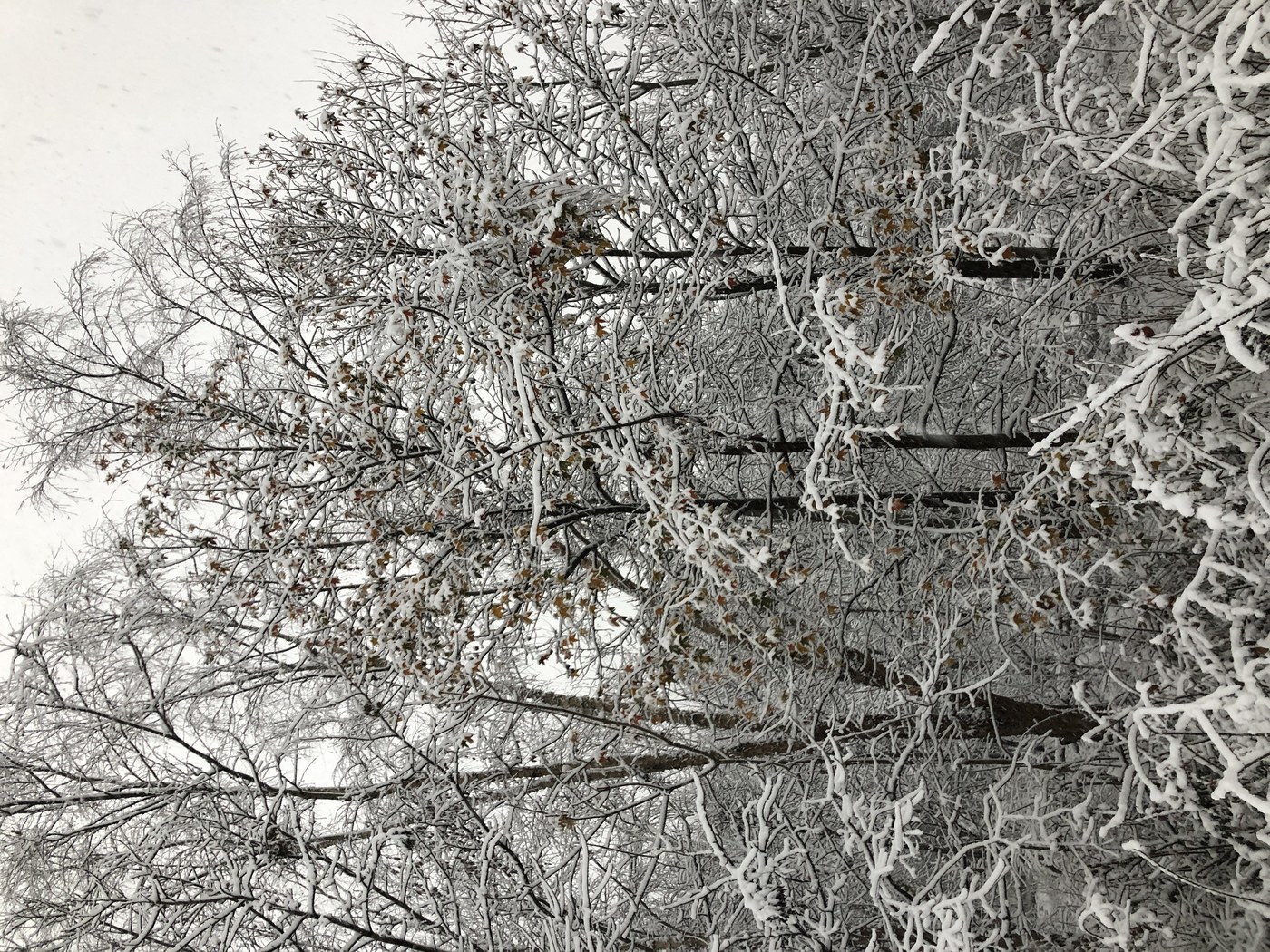
Sweetgum
Liquidambar styraciflua
A large deciduous shade tree known for its glossy star-shaped leaves, brilliant fall color, and spiky round seed balls. Native to the southeastern United States.
- Light
- Full sun
- Water
- Moderate; tolerates wet soils
- Difficulty
- Easy
Got a plant like this?
Identify any plant from a photo, free.
Overview
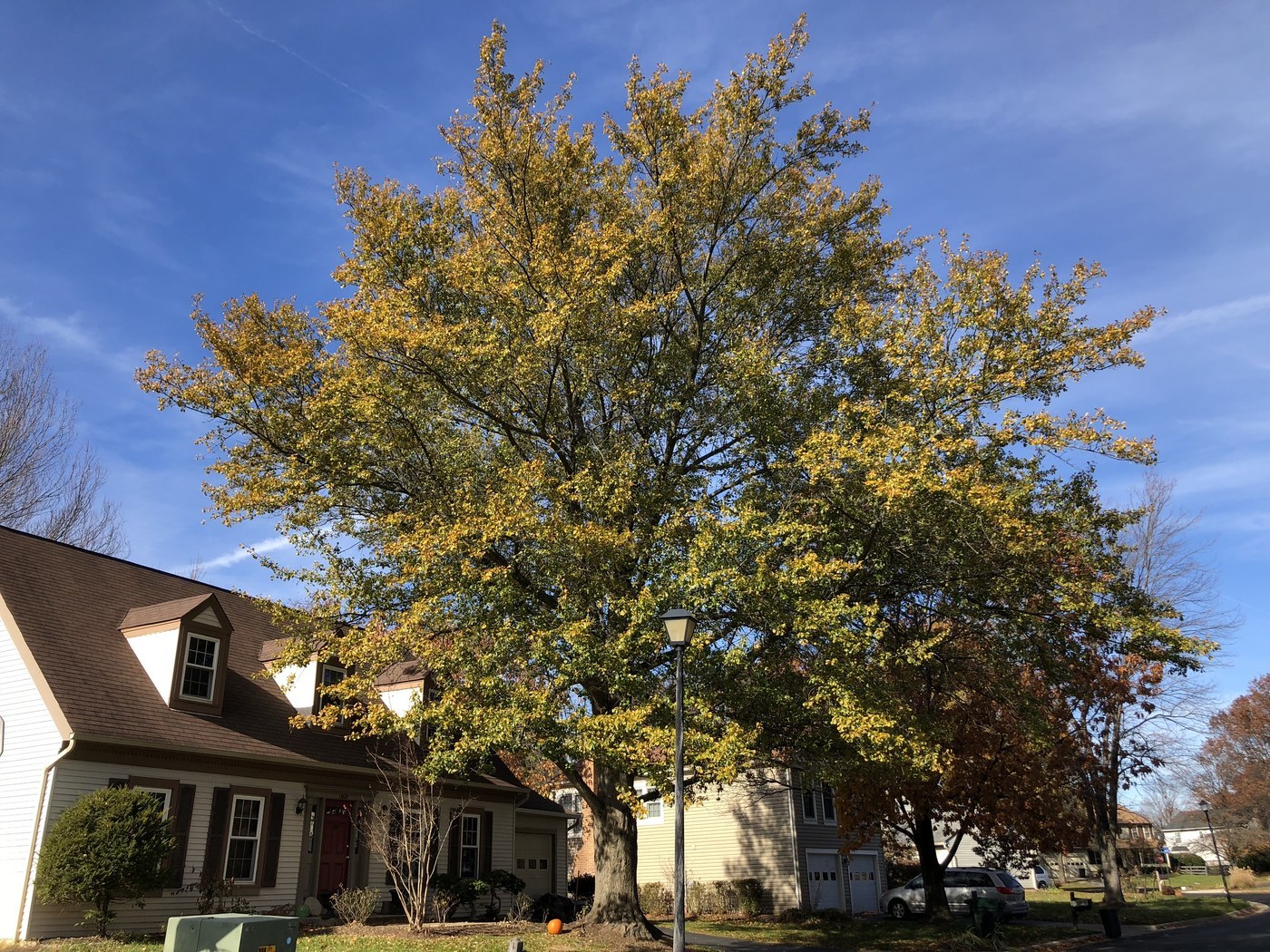
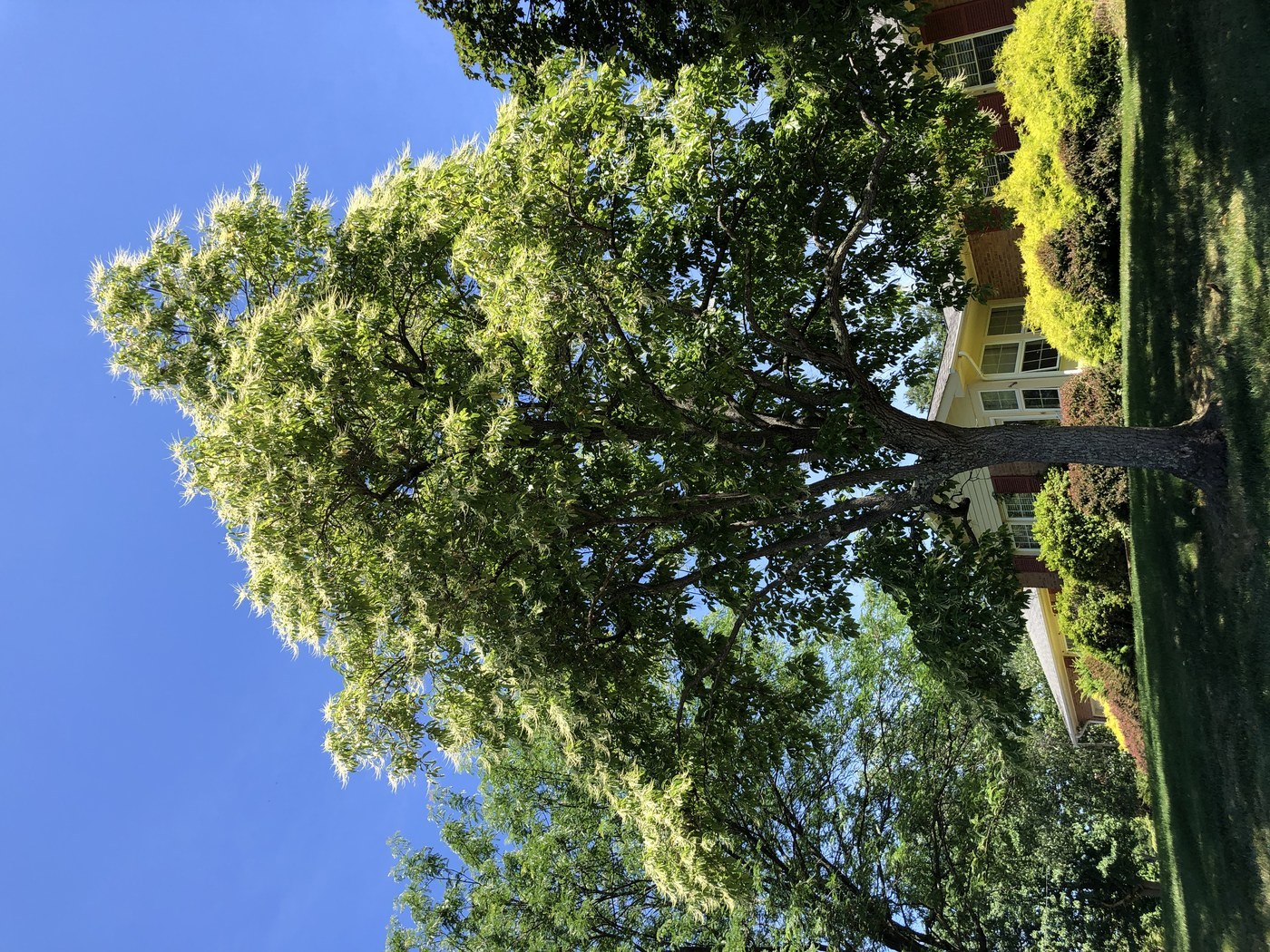
Sweetgum is a fast-growing deciduous tree native to the eastern and southeastern United States, prized for its symmetrical pyramidal-to-rounded form and outstanding autumn display.
The leaves turn shades of yellow, orange, red and deep purple, often all on the same tree. It is widely planted as a street and park shade tree, though its spiny seed capsules are a frequent complaint among homeowners.
The name Liquidambar refers to the fragrant resin (storax) the tree exudes when wounded, historically valued for its aroma.
How to identify it
- Leaves: alternate, palmate, 5- to 7-pointed star shape, 4-7 in wide, glossy green turning vivid red/purple in fall; aromatic when crushed
- Fruit: distinctive hard, spiky round 'gumball' capsules about 1-1.5 in across that persist into winter
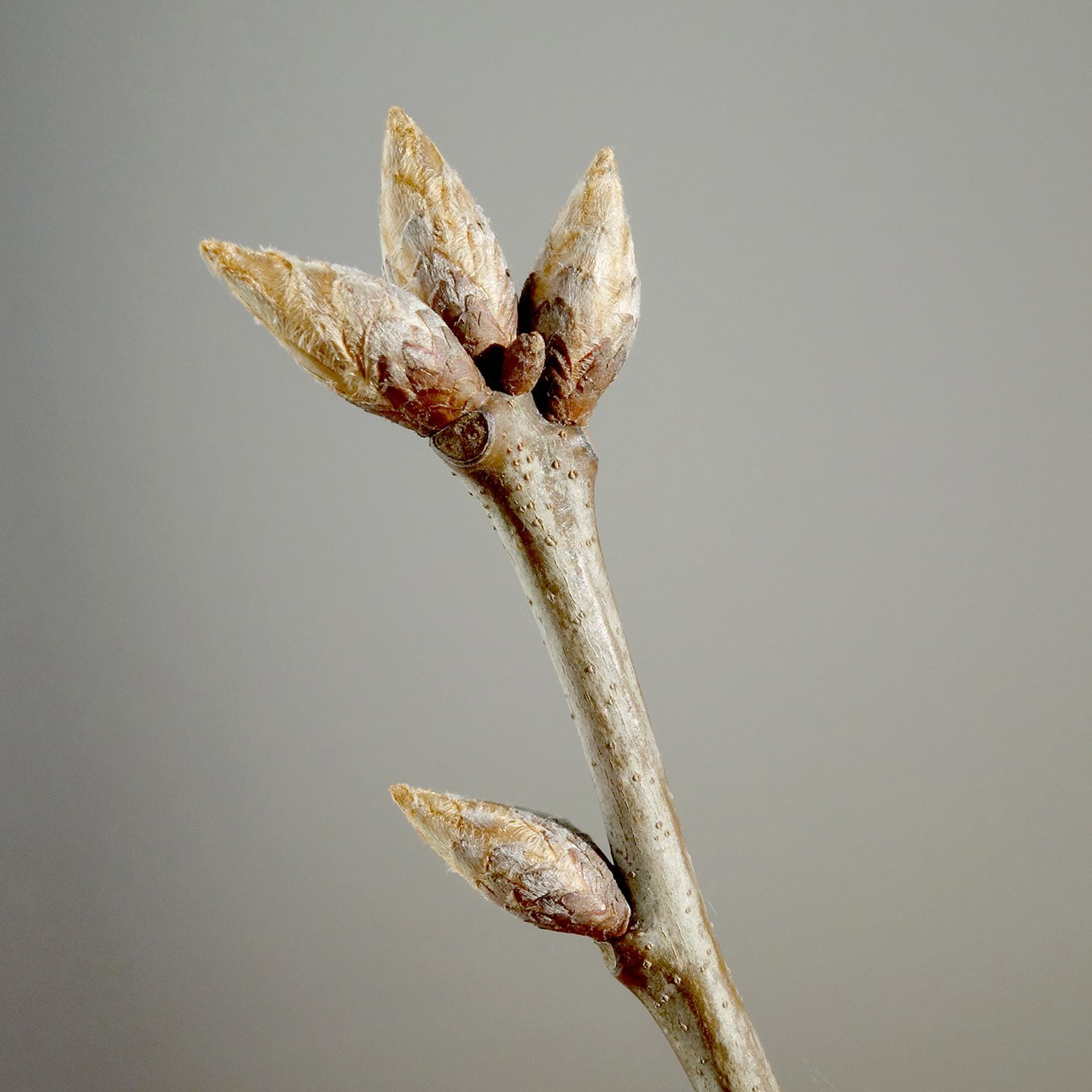
- Bark: gray-brown, deeply furrowed; young twigs often develop corky wings
- Size: typically 60-80 ft tall (occasionally over 100 ft) with a straight central trunk
- Habit: pyramidal when young, rounding with age
Care & growing
- Light: full sun for best form and fall color
- Water: moderate; tolerates periodically wet or flooded soils, somewhat drought tolerant once established
- Soil: prefers deep, moist, slightly acidic loam; can become chlorotic in high-pH soils
- Temperature: hardy in USDA zones 5-9
- Feeding: rarely needed in decent soil
- Propagation: from seed (needs cold stratification) or softwood cuttings; named seedless cultivars are grafted
Habitat & origin
Native to the eastern and southeastern United States, from Connecticut south to Florida and west to Texas, with disjunct populations in Mexico and Central America.
It naturally grows in moist bottomlands, floodplains and mixed hardwood forests, and is one of the most common second-growth hardwoods in the South. Widely planted across temperate regions worldwide as an ornamental shade tree.
Frequently asked questions
Why does my sweetgum drop so many spiky balls?
Those are its woody seed capsules. They form every year on mature trees; if you find them a nuisance, choose a fruitless cultivar such as 'Rotundiloba' when planting.
How fast does a sweetgum grow?
Quite fast—often 1-2 feet per year when young in good soil, reaching 60-80 feet at maturity.
Is sweetgum a good street tree?
It offers excellent shade and fall color, but the seed balls and shallow, aggressive surface roots can lift sidewalks, so site it carefully.
Does sweetgum tolerate wet soil?
Yes. It is naturally a bottomland species and handles periodically flooded or poorly drained ground better than most shade trees.
Sweetgum guides
In-depth guides for identifying, growing, and caring for Sweetgum.
How to Care for Sweetgum
Grow Sweetgum (Liquidambar styraciflua), a fast large shade tree with star-shaped leaves and brilliant fall color, in full sun.
Sweetgum Identification Guide
How to identify American sweetgum (Liquidambar styraciflua) by its star-shaped leaves, spiky gumball fruit, and corky branches.