Sourwood
Oxydendrum arboreum
Sourwood is a graceful native North American tree with drooping clusters of white lily-of-the-valley-like summer flowers and outstanding scarlet fall foliage.
- Light
- Full sun to part shade
- Water
- Weekly; consistent moisture, acidic
- Difficulty
- Moderate
Got a plant like this?
Identify any plant from a photo, free.
Overview
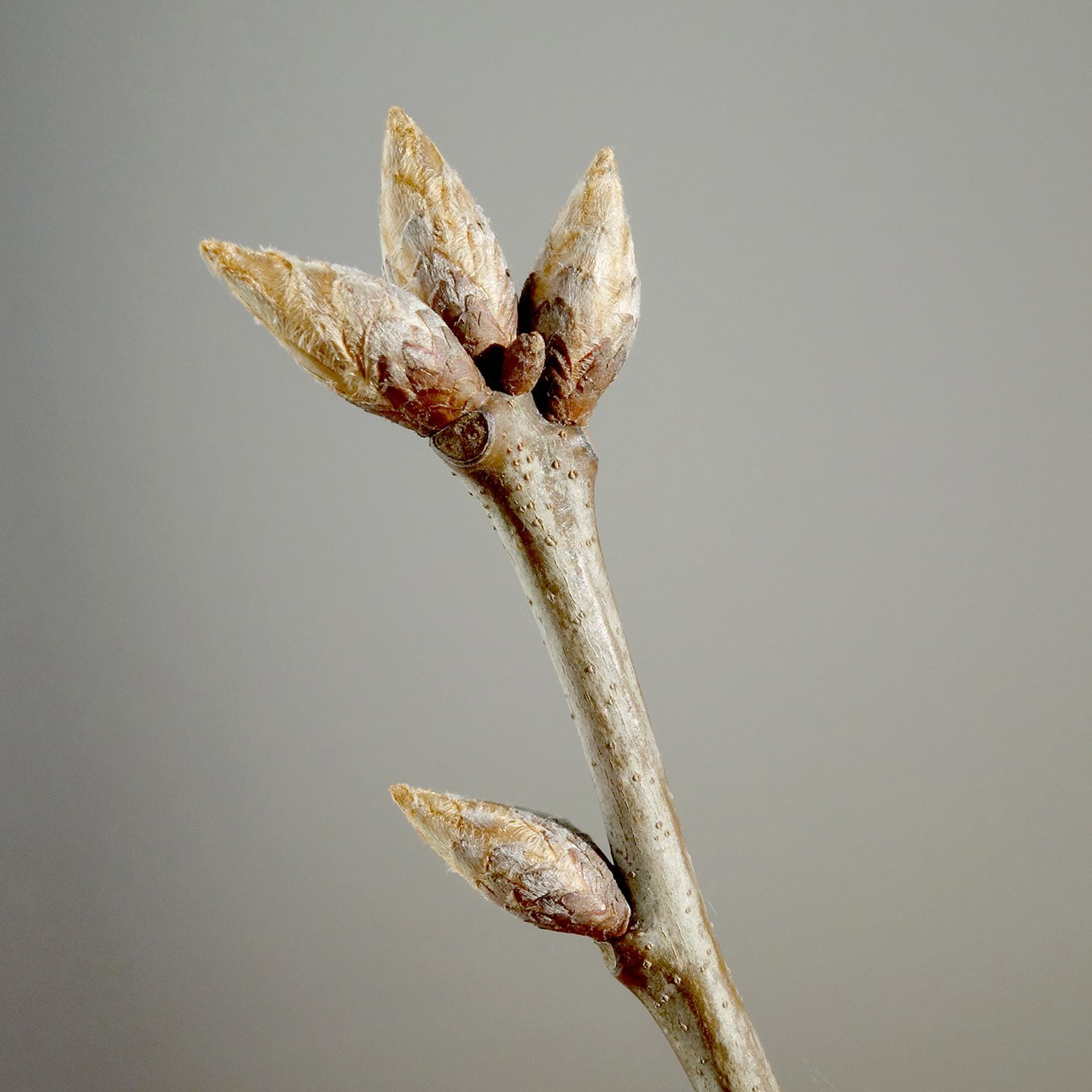
Sourwood (Oxydendrum arboreum) is a deciduous tree in the heath family native to the eastern United States, prized for its midsummer sprays of fragrant white bell flowers and brilliant red autumn color. It is the only species in its genus.
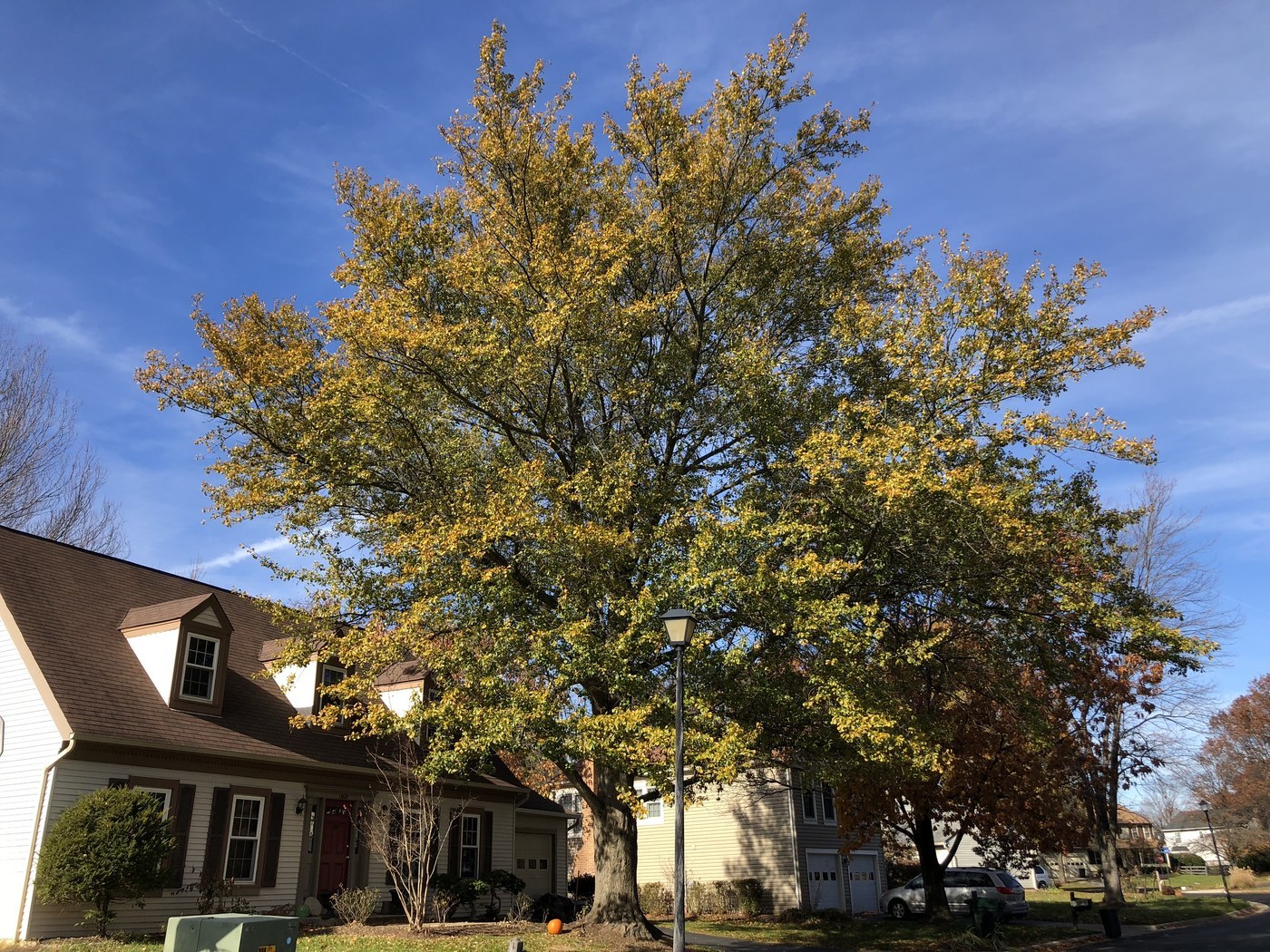
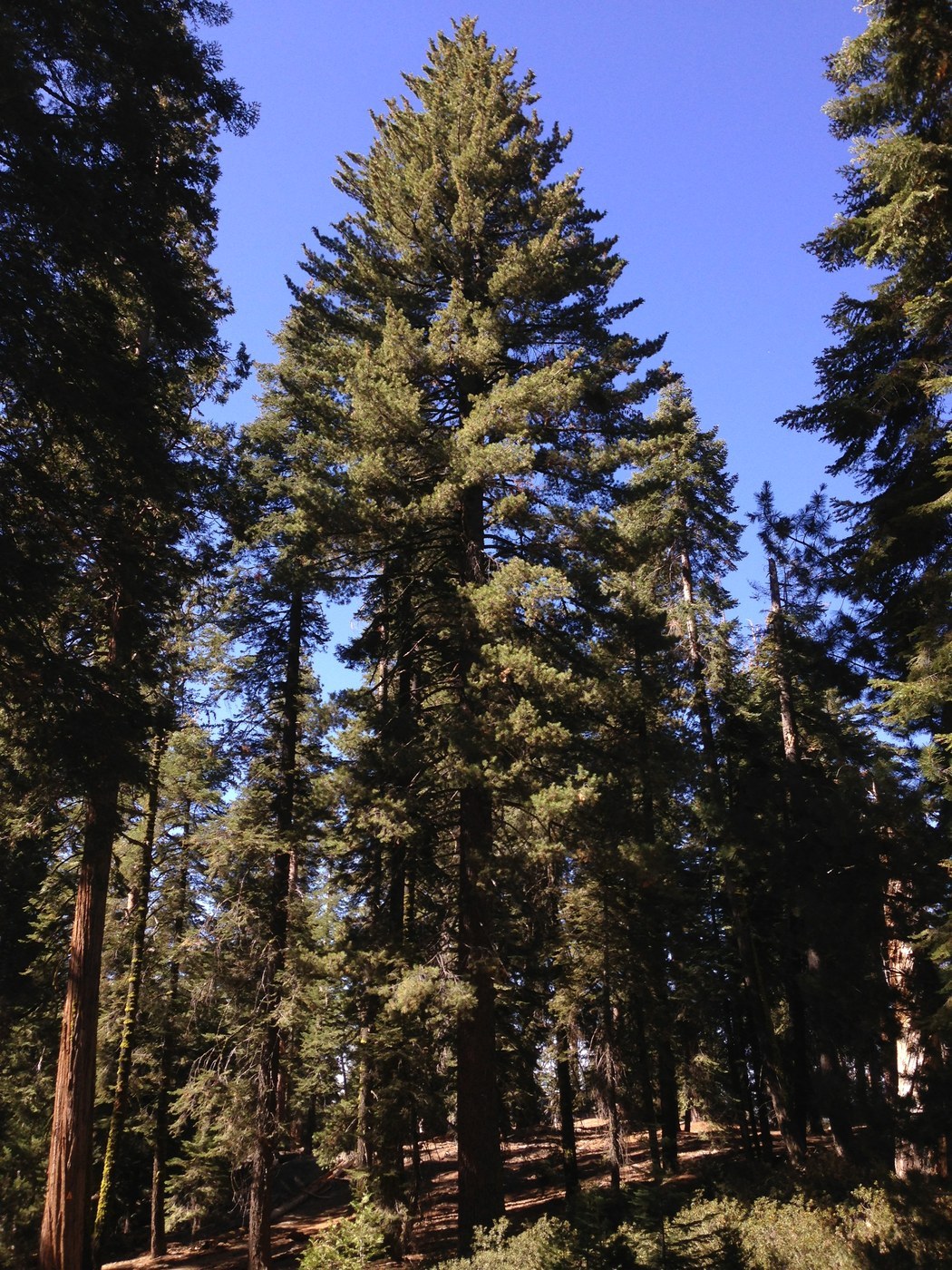
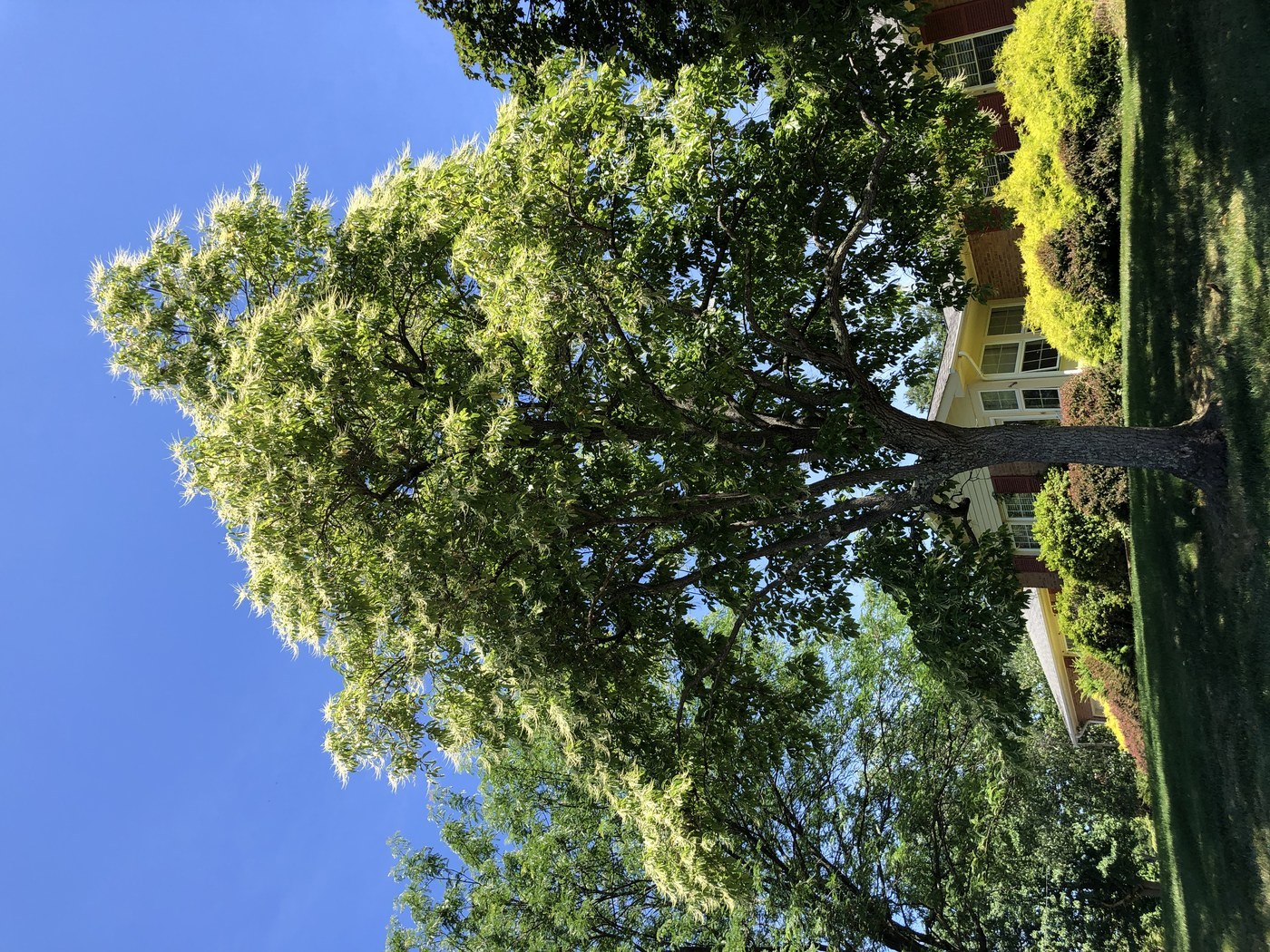
In summer, panicles of small urn-shaped white flowers droop gracefully from the branch tips, giving the alternate name lily-of-the-valley tree. The tree grows slowly to 25-40 ft with a slender, often leaning habit.
How to identify it
- Habit: Slender, slow-growing tree 25-40 ft, often with an irregular or leaning form.
- Flowers: Drooping, branched clusters of small white urn-shaped (lily-of-the-valley-like) flowers in midsummer.
- Leaves: Alternate, oblong, finely toothed, glossy green, 4-7 in; turning brilliant scarlet-crimson in fall.
- Fruit: Persistent capsules in upright sprays that follow the drooping flower clusters.
- Bark: Gray-brown, blocky and deeply furrowed with age.
Care & growing
Light: Full sun to partial shade; full sun maximizes flowering and fall color.
Water: Keep consistently moist, about weekly; not drought-tolerant.
Soil: Moist, well-drained, acidic soil high in organic matter; like other heath-family plants it dislikes alkaline or compacted soil.
Temperature: Hardy USDA zones 5-9.
Feeding: Acid-forming fertilizer in spring; mulch. Sensitive to pollution and root disturbance.
Pruning/Propagation: Minimal pruning. Propagated by seed, which needs light and acidic conditions to germinate.
Habitat & origin
Native to the eastern United States, especially the southern Appalachian Mountains, where it grows on acidic, well-drained slopes in mixed hardwood forests as an understory and edge tree.
It reaches its finest development in the Appalachian region. It is grown as an ornamental across zones 5-9 where soils are suitably acidic.
Frequently asked questions
When does it bloom?
In midsummer, later than most flowering trees, with drooping white lily-of-the-valley-like clusters.
What soil does it need?
Moist, well-drained, acidic soil; it struggles in alkaline, compacted or polluted conditions.
How can I recognize sourwood?
Look for the slender, often leaning trunk, drooping summer flower sprays, finely toothed oblong leaves, and brilliant scarlet autumn color.
How big does sourwood get?
It grows slowly to about 25-40 ft tall with a narrow, irregular crown.
Sourwood guides
In-depth guides for identifying, growing, and caring for Sourwood.
How to Care for Sourwood
Sourwood is a graceful native tree with drooping summer flower sprays and brilliant scarlet fall color; give it acidic, moist, well-drained soil.
Sourwood Identification Guide
Identify Oxydendrum arboreum by its drooping sprays of white lily-of-the-valley flowers in summer, sour-tasting finely toothed leaves, and outstanding scarlet fall color.