
Sourwood Identification Guide
Identify Oxydendrum arboreum by its drooping sprays of white lily-of-the-valley flowers in summer, sour-tasting finely toothed leaves, and outstanding scarlet fall color.
Read the full Sourwood encyclopedia entry →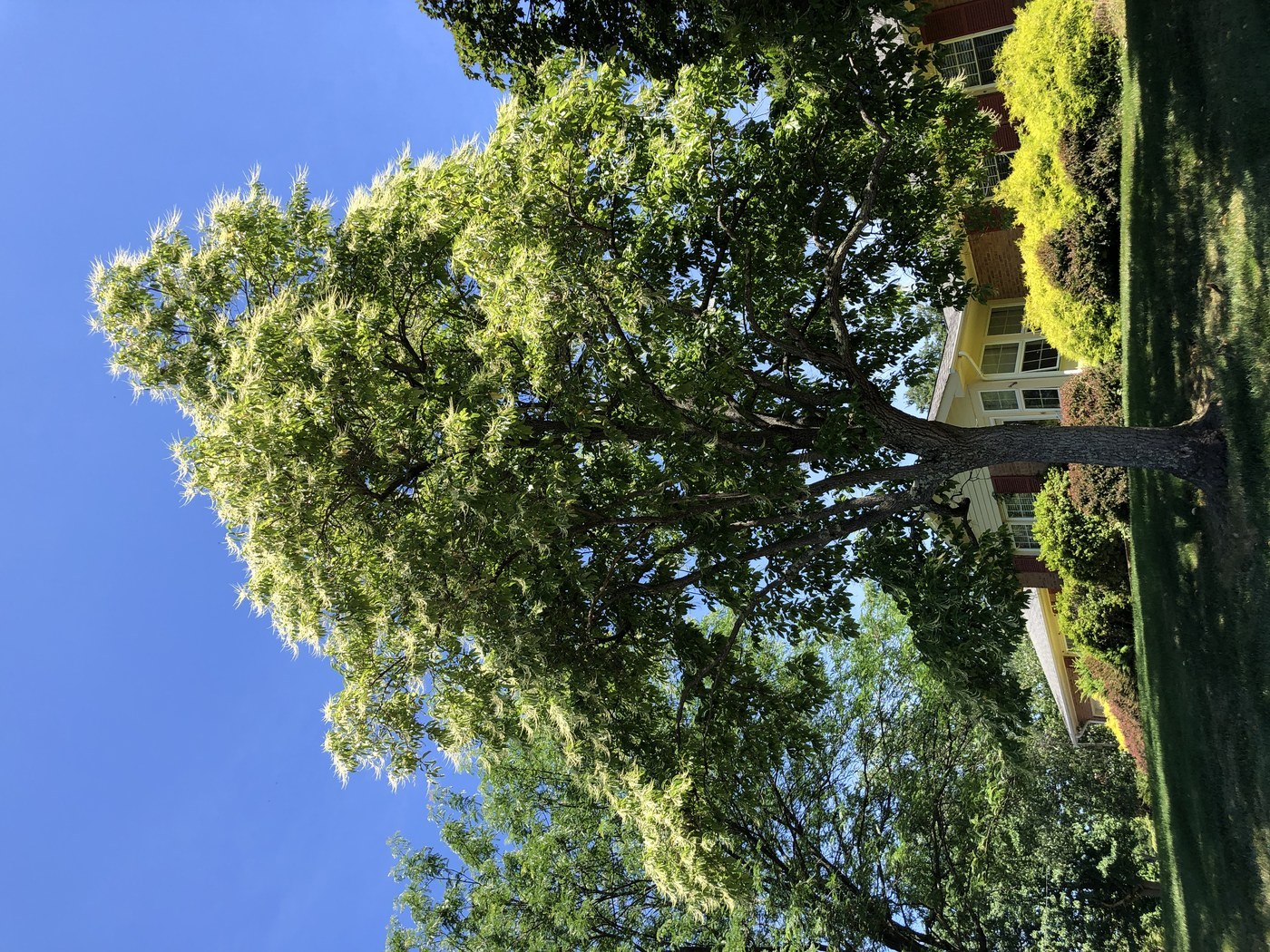
Key Identifying Features
Sourwood (Oxydendrum arboreum), a native of the eastern U.S. and the only species in its genus, is a graceful small tree in the heath (blueberry) family. Identify it by:
- Drooping, one-sided sprays of small white urn-shaped flowers like lily-of-the-valley, in early-to-mid summer
- Sour, acidic-tasting leaves (chew a small piece to confirm — the source of the name)
- Spectacular early scarlet-to-crimson fall color, among the first and brightest
- Persistent dry tan seed capsules dangling in the same drooping sprays into winter
- An irregular, leaning, often crooked trunk and slender form
Leaves & Stems
Leaves are alternate, simple, narrowly elliptical to oblong, 4-8 inches long, with finely toothed (serrate) margins, a pointed tip, and a glossy dark green surface. The signature test: the foliage has a distinctly sour, acidic taste when chewed. Fall color is a brilliant deep red to scarlet and purple, often appearing earlier than surrounding trees.
The trunk is frequently leaning, crooked, or sinuous, with deeply furrowed, blocky gray-brown bark that on old trees resembles alligator hide. The crown is narrow and rounded; branches often droop at the tips.
Flowers & Fruit
Flowers open in June-July, well after spring, in arching to drooping panicles 4-10 inches long held at the branch tips. Each tiny flower is a white, urn-shaped (bell) bloom about ¼ inch, lined up along the upper side of the spray — closely resembling lily-of-the-valley. They are fragrant and a famous nectar source (sourwood honey).
By fall the flowers become small, dry, five-parted, upward-curving tan capsules that keep the drooping spray shape and persist through winter, a reliable cold-season ID feature against the sky.
How to Tell It Apart from Look-Alikes
- Black gum / tupelo (Nyssa sylvatica): also has brilliant red fall color but leaves are untoothed, fruit is a blue-black berry, and it lacks the drooping white flower sprays.
- Cherry/serviceberry: white spring flowers, not summer drooping panicles; sweet (not sour) leaves.
- Lily-of-the-valley shrub (Pieris): similar flowers but an evergreen shrub, not a tree.
The combination of summer one-sided white bell-flower sprays + sour-tasting toothed leaves + early scarlet fall + persistent capsules is unmistakable.
Where You'll Find It
Native to the Appalachian and southeastern U.S., sourwood grows wild in acidic upland woods, ridges, and forest edges, often with oaks, pines, and rhododendrons, in USDA zones 5-9. It is also planted as an ornamental for its flowers and fall color. A leaning understory tree dripping with white bell-flower sprays in summer is classic sourwood.
Quick ID Checklist
- Small tree with leaning, crooked trunk and furrowed gray bark
- Drooping one-sided sprays of white urn-shaped flowers in summer
- Sour-tasting finely toothed alternate leaves
- Early, brilliant scarlet-crimson fall color
- Persistent tan seed capsules dangling into winter
- Acidic upland woods of the eastern U.S.
A leaning eastern tree hung with lily-of-the-valley-like white sprays in summer, leaves tasting sour and turning fiery red early, is sourwood.
Frequently asked questions
Why is it called sourwood?
The leaves have a distinctly sour, acidic taste when chewed, due to organic acids in the foliage. Carefully tasting a small piece of leaf is a quick and reliable confirmation of the tree's identity.
What do sourwood flowers look like?
They are tiny white urn- or bell-shaped flowers arranged along the upper side of long, arching, drooping sprays at the branch tips, blooming in early to mid summer and closely resembling lily-of-the-valley. They are the source of prized sourwood honey.
How do I identify sourwood in winter?
Look for the dry, tan, upward-curving five-parted seed capsules that persist in drooping clusters through winter, combined with the often leaning, crooked trunk and deeply furrowed gray-brown bark.
How is sourwood different from black gum?
Both have brilliant red fall color, but sourwood has finely toothed sour-tasting leaves with summer white flower sprays and dry capsules, while black gum has smooth-edged leaves, blue-black berries, and no drooping flower clusters.