Virginia Pine
Pinus virginiana
A small, scrubby pine of the eastern United States that readily colonizes old fields and poor soils. Its short, twisted needles and persistent cones make it a common early-successional and Christmas-tree species.
- Light
- Full sun
- Water
- Drought-tolerant once established
- Difficulty
- Easy
Got a plant like this?
Identify any plant from a photo, free.
Overview
Virginia pine is a small to medium conifer native to the eastern United States, from New York and Pennsylvania south to Georgia and Alabama. It is a classic pioneer tree, quickly seeding into abandoned farmland, eroded slopes and other disturbed, poor soils where few other trees thrive.
Its short, often twisted needles and rough, scrubby form give it the common name 'scrub pine.' Branches are persistent and the small cones remain on the tree for years.
Despite its humble appearance, it is widely grown as a Christmas tree in the southeastern U.S. and plays an important role in reforesting degraded land.
How to identify it
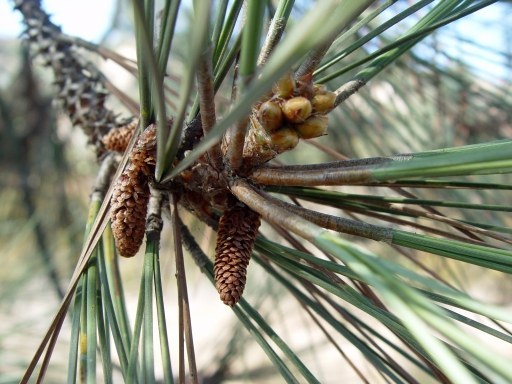
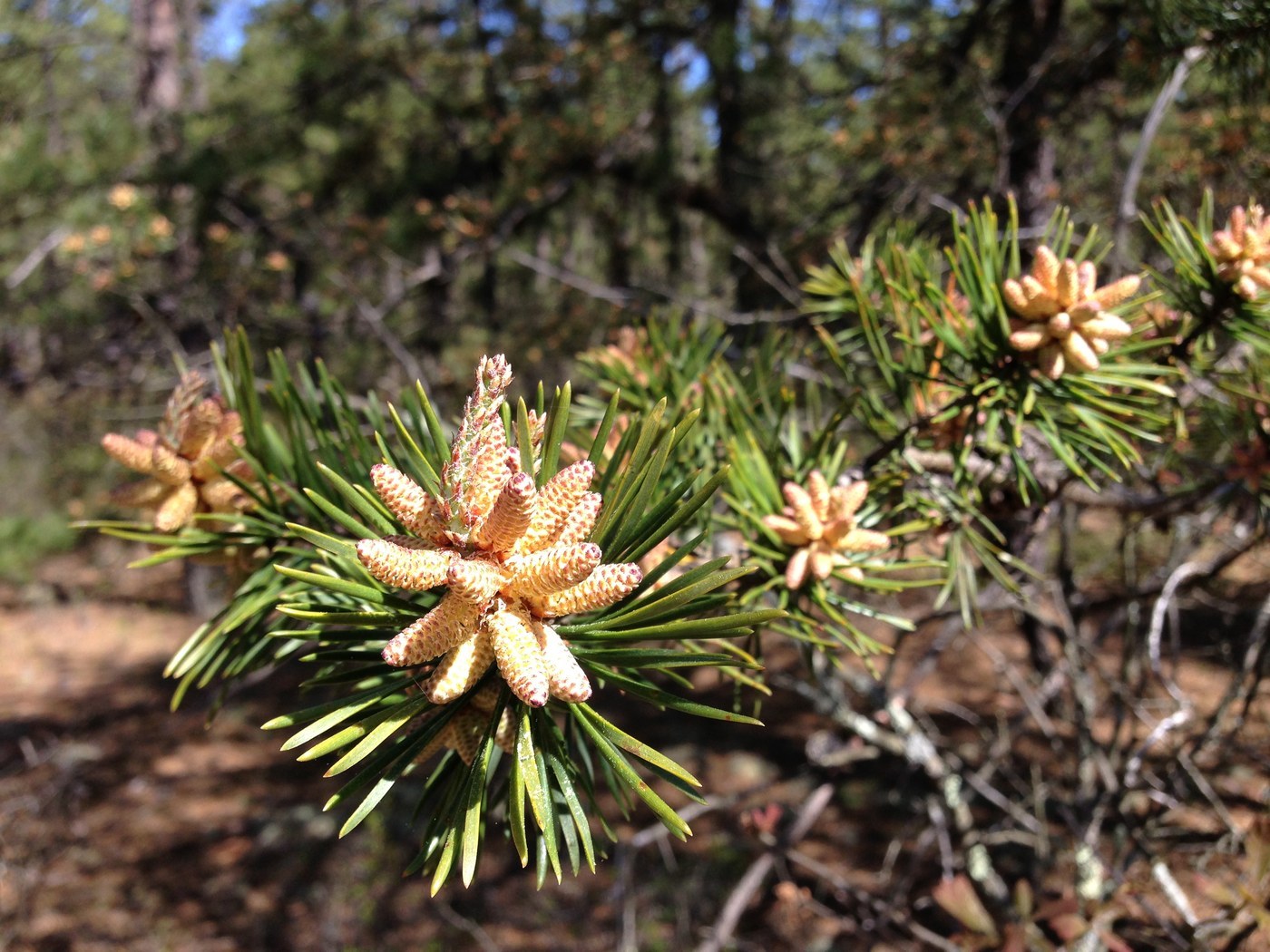
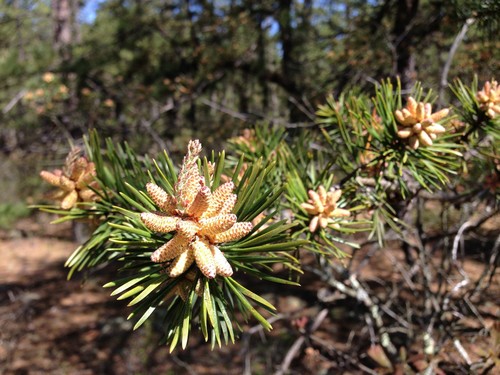
- Needles: short (1.5–3 in), often twisted, yellow-green, in bundles of two
- Cones: small (1.5–2.5 in), prickly, often persisting on branches for several years
- Branches: many persistent dead lower branches give a scrubby look
- Bark: thin, reddish-brown, flaking into small scales
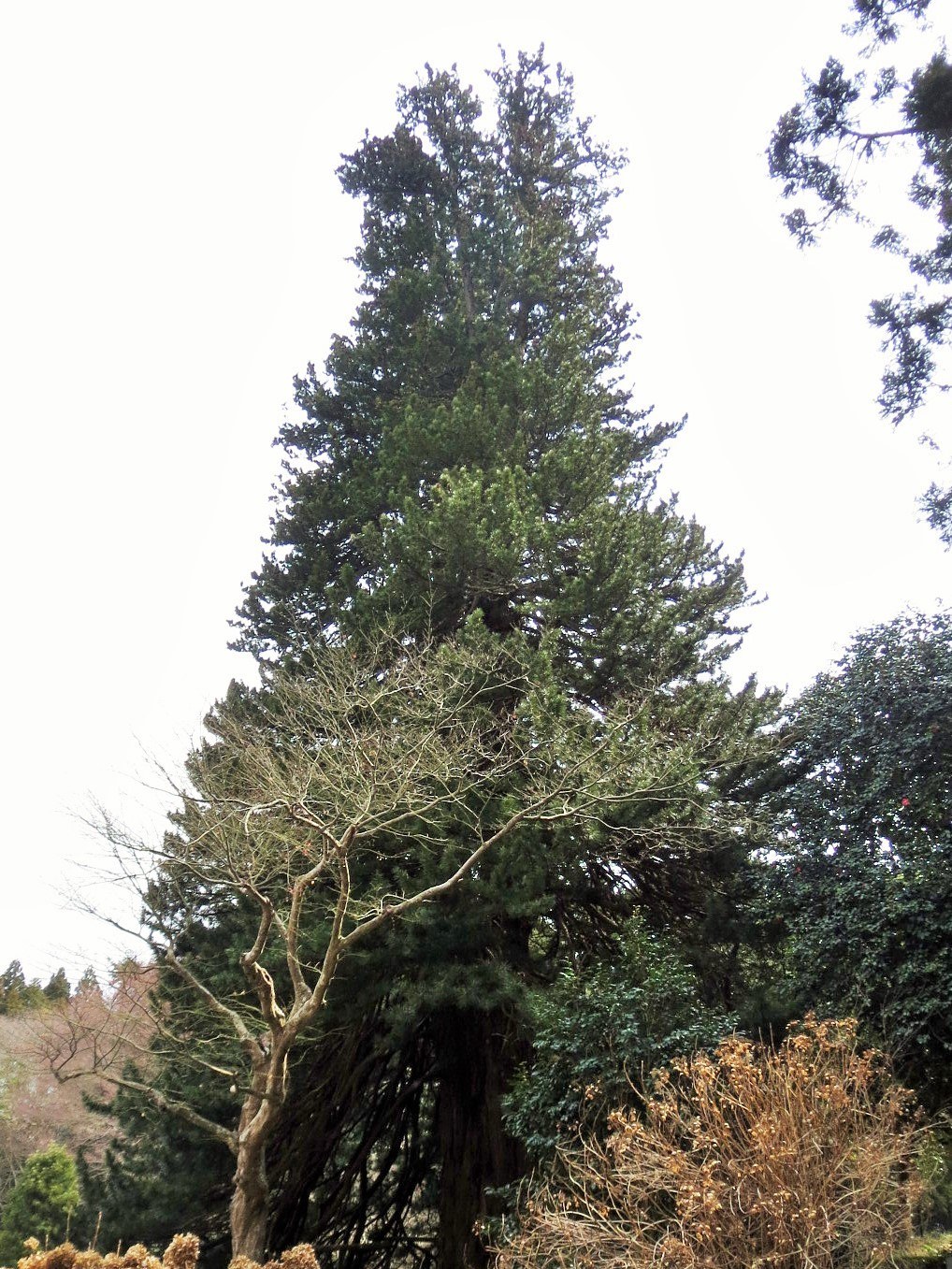
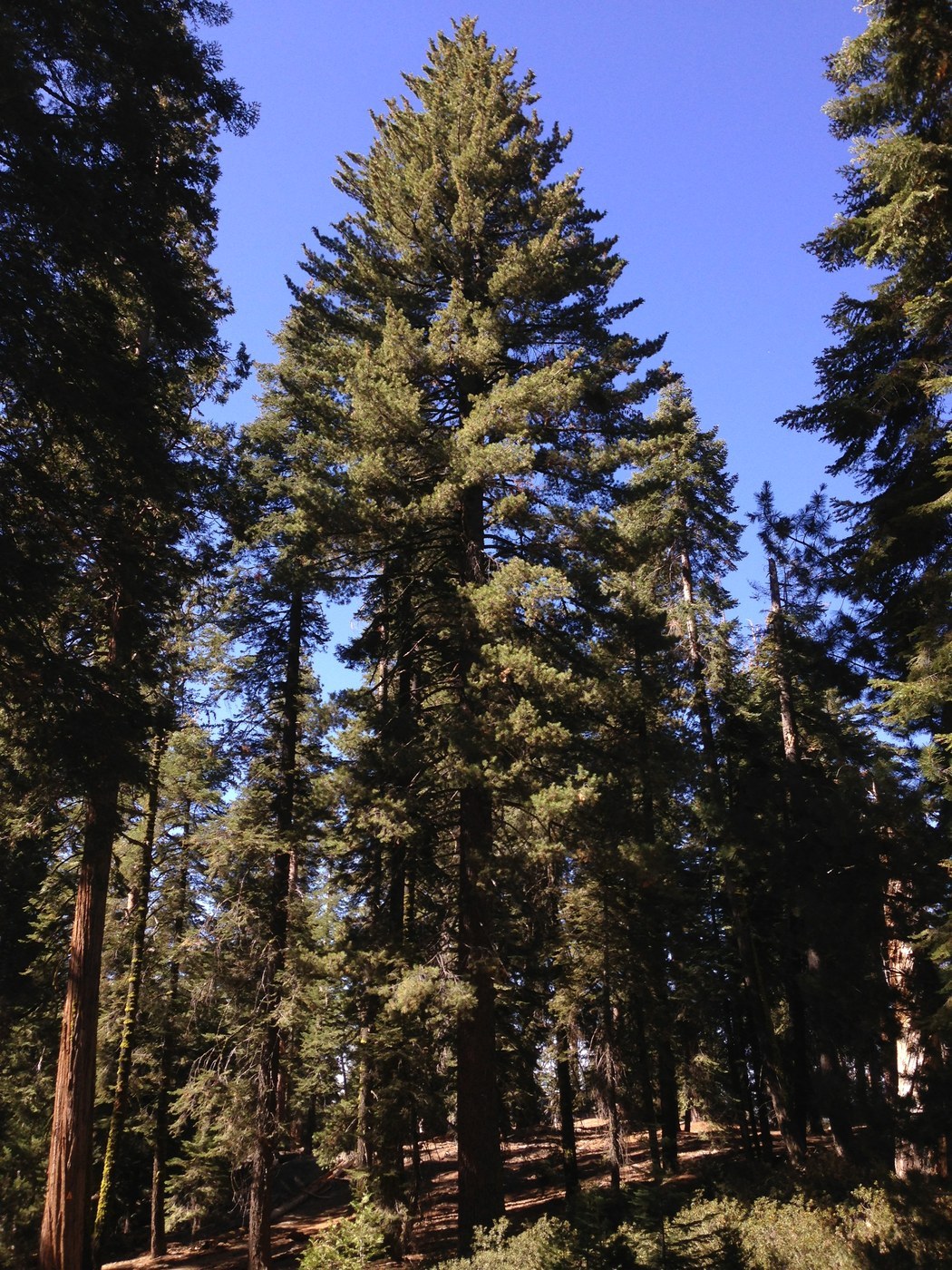
- Crown: irregular, often flat-topped or ragged
- Size: typically 15–40 ft (5–12 m) tall
Care & growing
Plant in full sun; Virginia pine is undemanding and thrives on poor sites.
- Water: drought-tolerant once established; tolerates dry, infertile soils
- Soil: grows on clay, sand, eroded and acidic soils where other trees fail
- Temperature: hardy roughly USDA zones 4–8
- Feeding: rarely needed
- Propagation: from seed; it self-seeds readily into open ground
For Christmas-tree use it is sheared to encourage dense growth.
Habitat & origin
Native to the eastern United States from southern New York and Pennsylvania south through the Appalachians and Piedmont to Georgia, Alabama and Mississippi.
It is an early-successional species of old fields, ridges, eroded slopes and poor, dry soils, often forming dense stands that later give way to hardwoods. It is widely planted for Christmas trees and for reclaiming disturbed land.
Frequently asked questions
Why is it called scrub pine?
Its small size, irregular scrubby form and many persistent dead lower branches give it a rough, scruffy appearance, hence 'scrub pine.'
Is Virginia pine a good Christmas tree?
Yes—when sheared to encourage dense growth it is one of the most popular Christmas trees in the southeastern United States.
Will it grow in poor soil?
Very well. It is a pioneer species that colonizes old fields, clay, sand and eroded ground where many other trees struggle.
How do I tell it from other pines?
Look for short, twisted needles in bundles of two and small, prickly cones that cling to the branches for years.
Virginia Pine guides
In-depth guides for identifying, growing, and caring for Virginia Pine.
How to Care for Virginia Pine
Growing guide for Virginia pine (Pinus virginiana), a rugged, drought-tolerant evergreen that thrives in poor soils and full sun.
Virginia Pine Identification Guide
Identify Virginia Pine (Pinus virginiana) by its short, twisted needles in pairs, scrubby branchy form, and persistent small prickly cones.