
How to Care for Virginia Pine
Growing guide for Virginia pine (Pinus virginiana), a rugged, drought-tolerant evergreen that thrives in poor soils and full sun.
Read the full Virginia Pine encyclopedia entry →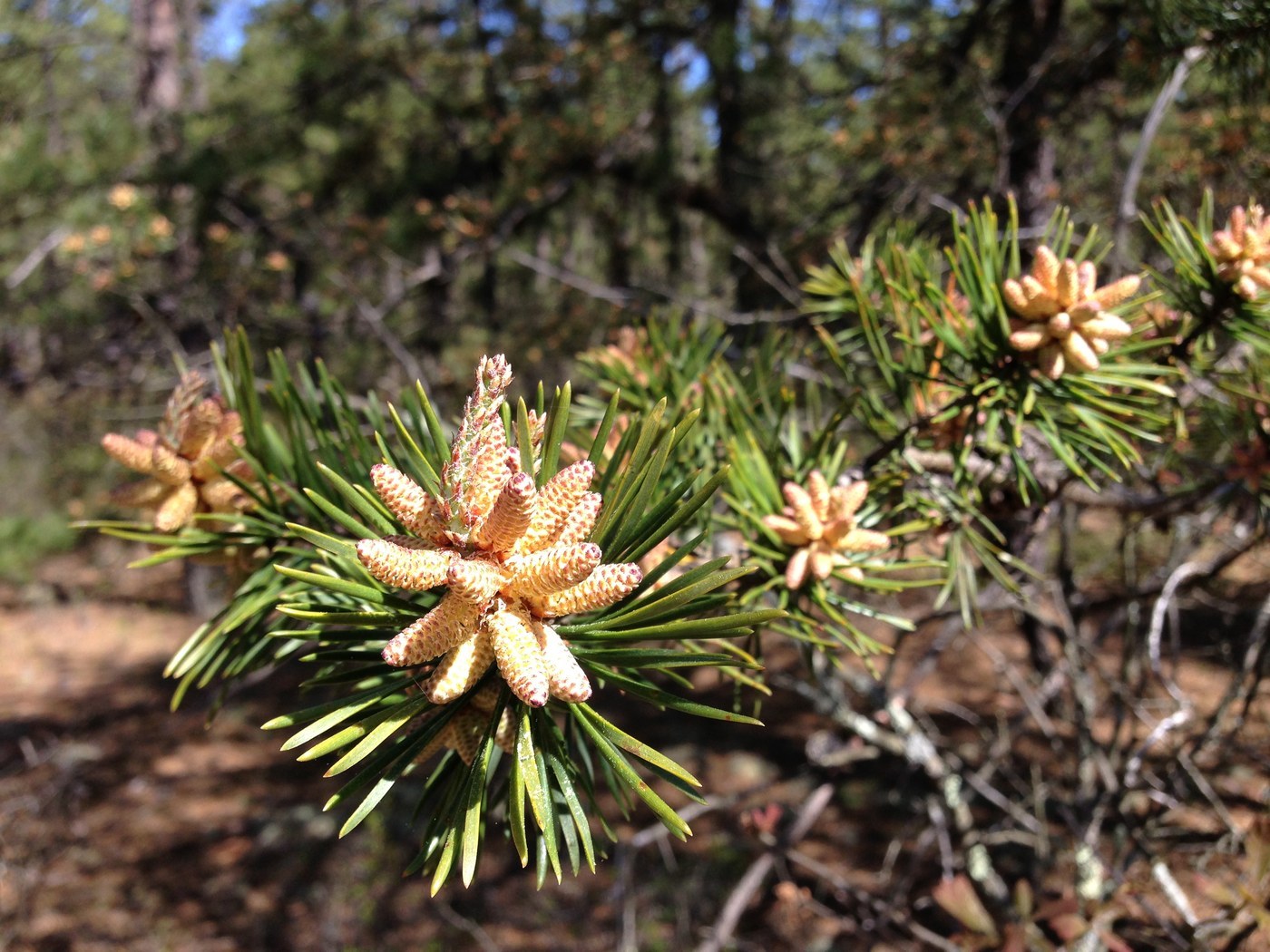
Virginia pine (Pinus virginiana) is a rugged, medium-sized evergreen conifer with short, twisted needles in pairs and an irregular, often picturesque branching habit. Valued as a pioneer species that colonizes poor and eroded ground, it is an easy, adaptable tree for full-sun landscapes and is also popular for bonsai and holiday-tree culture.
Light
Virginia pine requires full sun. It is highly shade-intolerant and needs at least six hours of direct light for dense, healthy growth. In shade it thins, drops lower branches, and grows sparse and leggy.
Water
Once established, Virginia pine is notably drought-tolerant and needs little supplemental water. Water young trees regularly through their first year or two to develop a strong root system, then rely mainly on rainfall. Mature trees tolerate dry, poor sites well and dislike waterlogged ground.
Soil & Potting
This pine is famous for thriving where other trees fail, growing in poor, dry, clay, sandy, rocky, and acidic soils. It prefers well-drained ground but is remarkably adaptable to infertile and compacted sites, which is why it is used for reclaiming disturbed land. For bonsai or container culture, use a gritty, fast-draining conifer mix.
Humidity & Temperature
Virginia pine is hardy across a wide temperature range and tolerates both summer heat and cold winters typical of its native southeastern and mid-Atlantic range. It handles ambient outdoor humidity without issue and appreciates good air movement around the canopy.
Feeding
Virginia pine needs minimal feeding and grows well in nutrient-poor soil. Fertilizing is rarely necessary in the landscape; if growth is very slow on extremely poor ground, a light application of a slow-release evergreen or acidic fertilizer in early spring can help young trees along.
Propagation
Virginia pine is propagated primarily from seed collected from its cones. Seeds benefit from a period of cold, moist stratification before sowing in spring. It is a prolific natural seeder and readily regenerates on open, sunny, disturbed sites. Grafting is used for select bonsai and ornamental forms.
Repotting / Pruning
Landscape trees need little pruning beyond removing dead, damaged, or crossing branches in late winter. Virginia pine responds well to shearing and pinching of new candles, which is why it is grown as a sheared holiday tree and for bonsai. Repot container or bonsai specimens every two to three years in early spring, refreshing the gritty mix and trimming roots.
Common Problems & Pests
Virginia pine can be affected by pine bark beetles, sawflies, and pine tip moths, whose larvae damage new shoots. Fungal issues such as needle cast, rusts, and canker can occur, particularly on stressed trees. Keeping trees in full sun with good airflow and avoiding wounds reduces most problems. It is a relatively short-lived pine, so older trees may decline naturally.
Seasonal Care Tips
Plant in spring or fall. Water young trees through their first summers, then taper off as they establish. Prune and shear in late winter to early spring before new growth, and pinch the soft new candles in spring to shape sheared or bonsai forms. Little winter protection is needed for this cold-hardy conifer.
Frequently asked questions
Where does Virginia pine grow best?
In full sun on well-drained ground, though it is famous for thriving in poor, dry, clay, sandy, or rocky soils where many other trees struggle.
How much sun does Virginia pine need?
It needs full sun, at least six hours daily. It is very shade-intolerant and grows thin, sparse, and leggy in shaded sites.
Is Virginia pine good for bonsai?
Yes. Its short paired needles, rugged twisted habit, and good response to candle pinching and shearing make it a popular pine for bonsai training.
Does Virginia pine need much watering?
Only while young. Once established it is drought-tolerant and generally relies on rainfall, needing extra water only in prolonged dry spells.