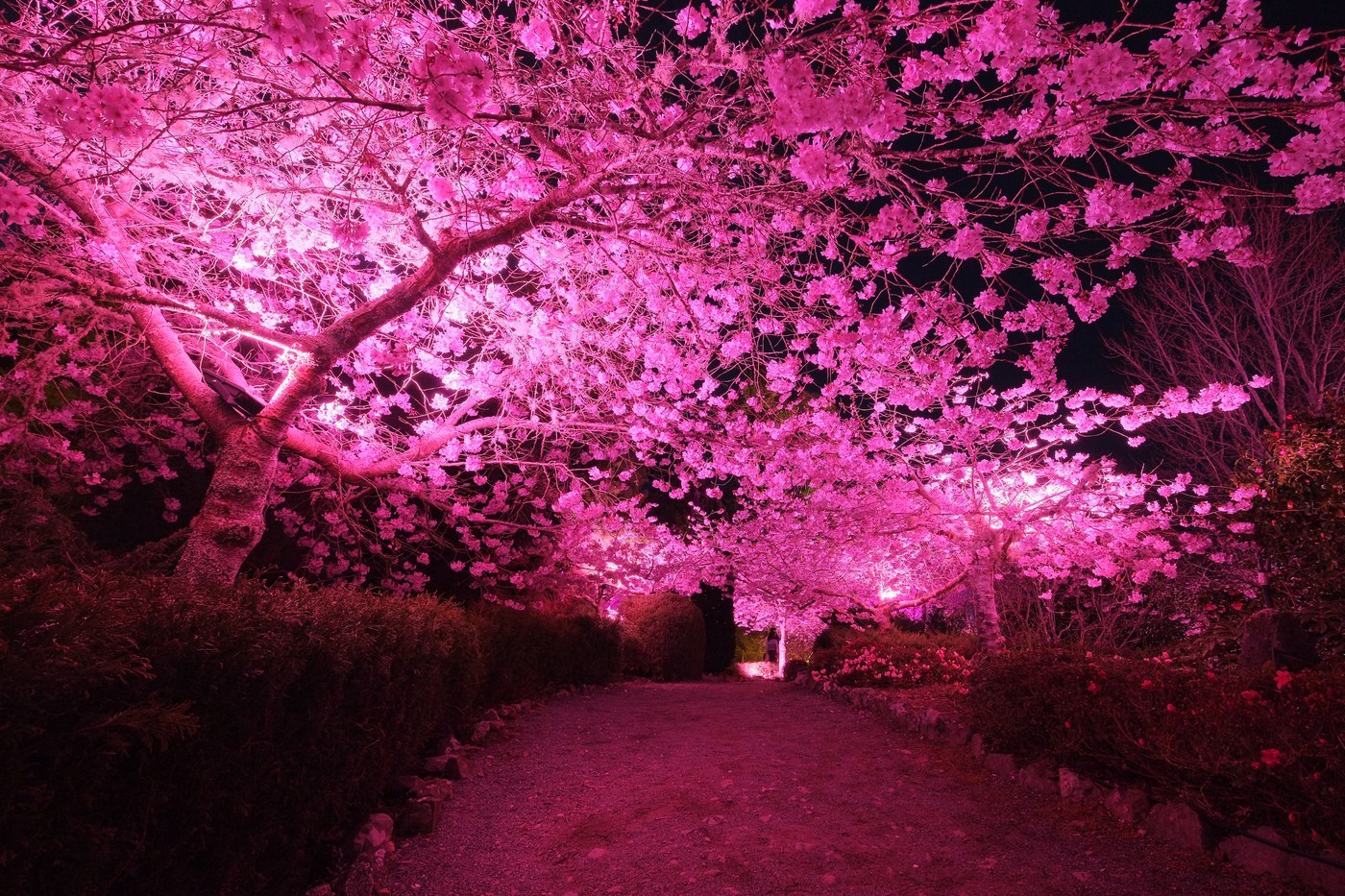
Yoshino Cherry
Prunus x yedoensis
An ornamental cherry famous for clouds of pale pink-to-white blossoms in early spring. It is the iconic tree of Washington, D.C.'s Tidal Basin and Japan's cherry-blossom season.
- Light
- Full sun
- Water
- Moderate; keep evenly moist
- Difficulty
- Moderate
Got a plant like this?
Identify any plant from a photo, free.
Overview
The Yoshino cherry, Prunus x yedoensis, is a deciduous flowering cherry that is among the most beloved ornamental trees in the world. In early spring it bursts into a profusion of single, pale pink to nearly white blossoms, often before the leaves appear.
It forms a graceful, spreading tree about 20-40 ft (6-12 m) tall with a broad, often horizontal branching habit. It is the principal variety planted around the Tidal Basin in Washington, D.C., and a centerpiece of Japan's hanami (flower-viewing) tradition.
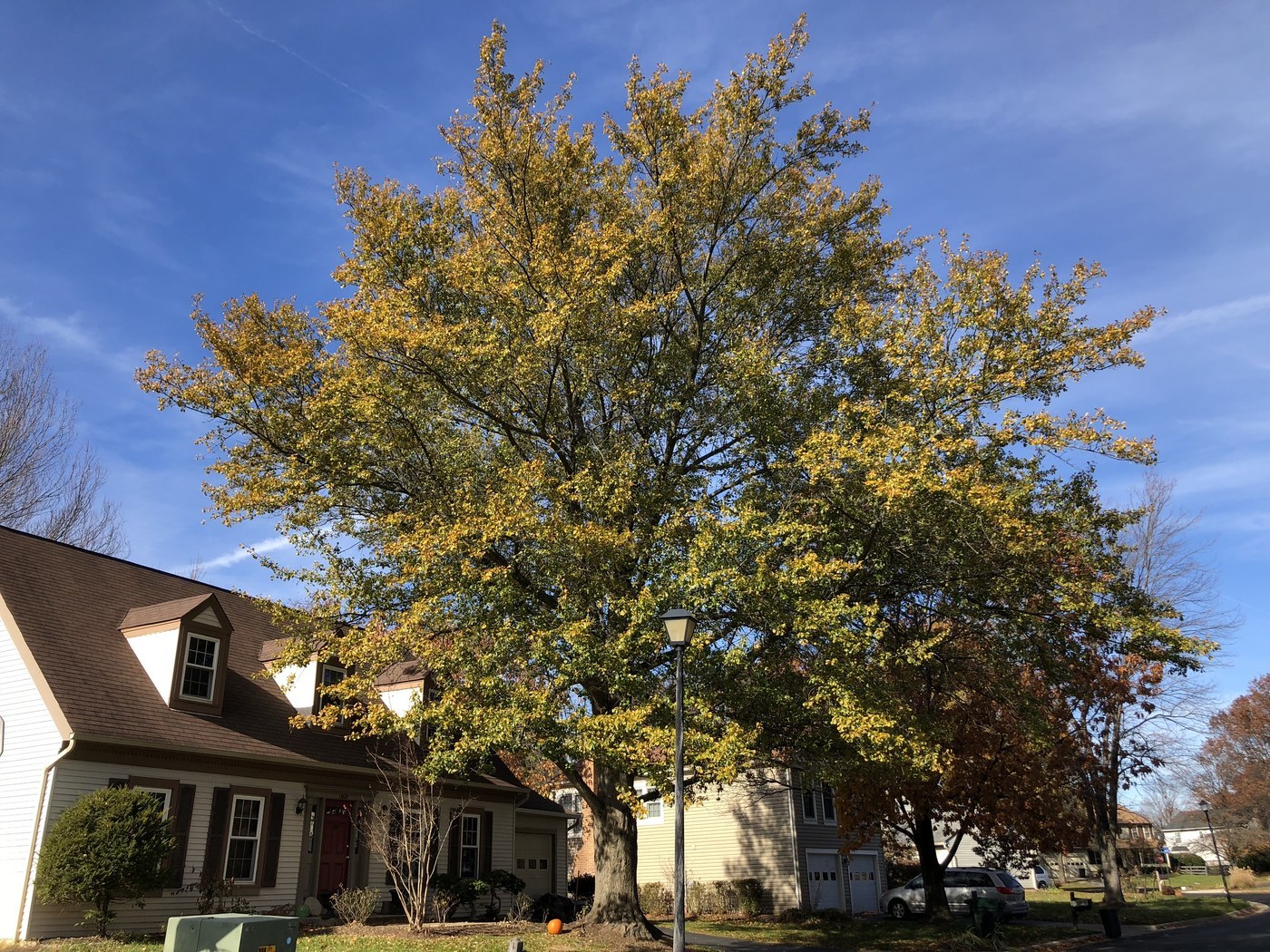
Fall foliage turns yellow to bronze, and small dark fruits may form, attracting birds.
How to identify it
- Flowers: Single (five-petaled) blossoms about 1 in (2.5 cm) across, pale pink fading to white, in dense clusters before the leaves
- Leaves: Oval, finely toothed, dark green, turning yellow-bronze in autumn
- Habit: Spreading, rounded to horizontal crown, 20-40 ft tall
- Bark: Smooth gray-brown with prominent horizontal lenticels (typical of cherries)
- Fruit: Small, glossy black cherries that are mainly taken by birds
Care & growing
Light: Full sun for the best flowering and tree health.
Water: Keep evenly moist, especially when young; established trees need supplemental water in drought.
Soil: Fertile, moist, well-drained soil; slightly acidic is ideal.
Temperature: Hardy in USDA zones 5-8.
Feeding: Light annual feeding in spring with a balanced fertilizer.
Pruning & propagation: Prune minimally and only just after flowering; cherries are prone to disease through pruning wounds. Propagate by grafting. Note that Yoshino cherries are relatively short-lived, often 15-30 years.
Habitat & origin
Prunus x yedoensis is a hybrid of Japanese origin, believed to derive from crosses involving Prunus speciosa and Prunus pendula, first cultivated in Tokyo in the 19th century.
It is not a wild species but is planted ornamentally across temperate regions worldwide. Famous plantings include the Tidal Basin in Washington, D.C., gifted by Japan in 1912, and avenues throughout Japan, Korea, and the United States.
Frequently asked questions
How long do Yoshino cherry blossoms last?
The peak bloom is brief, typically lasting only about one to two weeks in early spring, and can be cut short by wind or rain.
How long do Yoshino cherry trees live?
They are relatively short-lived ornamentals, often living 15 to 30 years, occasionally longer with good care.
Where are the most famous Yoshino cherries?
The trees around the Tidal Basin in Washington, D.C., gifted by Japan in 1912, are among the most famous plantings in the world.
How do I identify a Yoshino cherry?
Look for single, pale pink-to-white five-petaled blossoms appearing before the leaves, a broad horizontal crown, and smooth gray-brown bark marked with horizontal lenticels.
Yoshino Cherry guides
In-depth guides for identifying, growing, and caring for Yoshino Cherry.
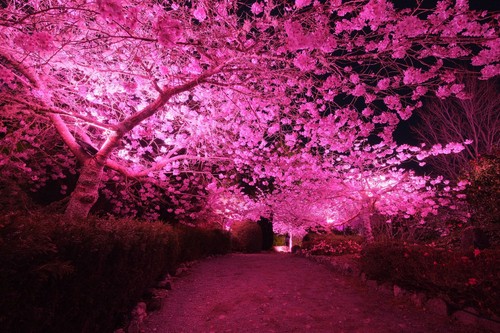
How to Care for Yoshino Cherry
Grow Prunus x yedoensis, the Yoshino Cherry, with full sun, well-drained moist soil, and thoughtful early-spring care.
Yoshino Cherry Identification Guide
Recognize the Yoshino cherry (Prunus × yedoensis) by its clouds of pale pink-to-white single blossoms, horizontally lenticelled bark, and graceful spreading form.