Sugar Pine
Pinus lambertiana
Sugar Pine is the world's tallest and most massive pine, native to the western U.S. and famous for its enormous, foot-plus-long cones.
- Light
- Full sun
- Water
- Moderate; well-drained soil
- Difficulty
- Moderate
Got a plant like this?
Identify any plant from a photo, free.
Overview
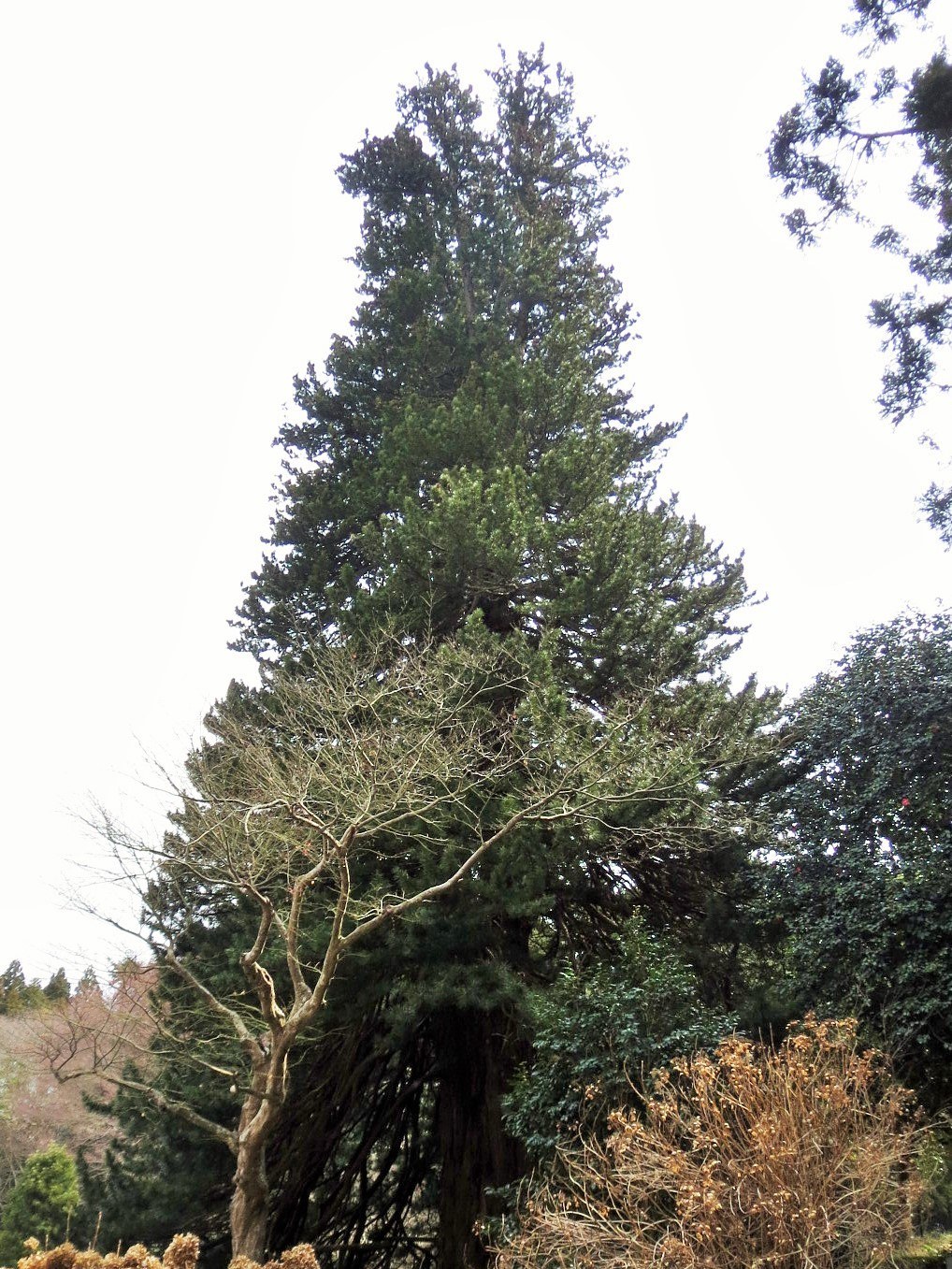
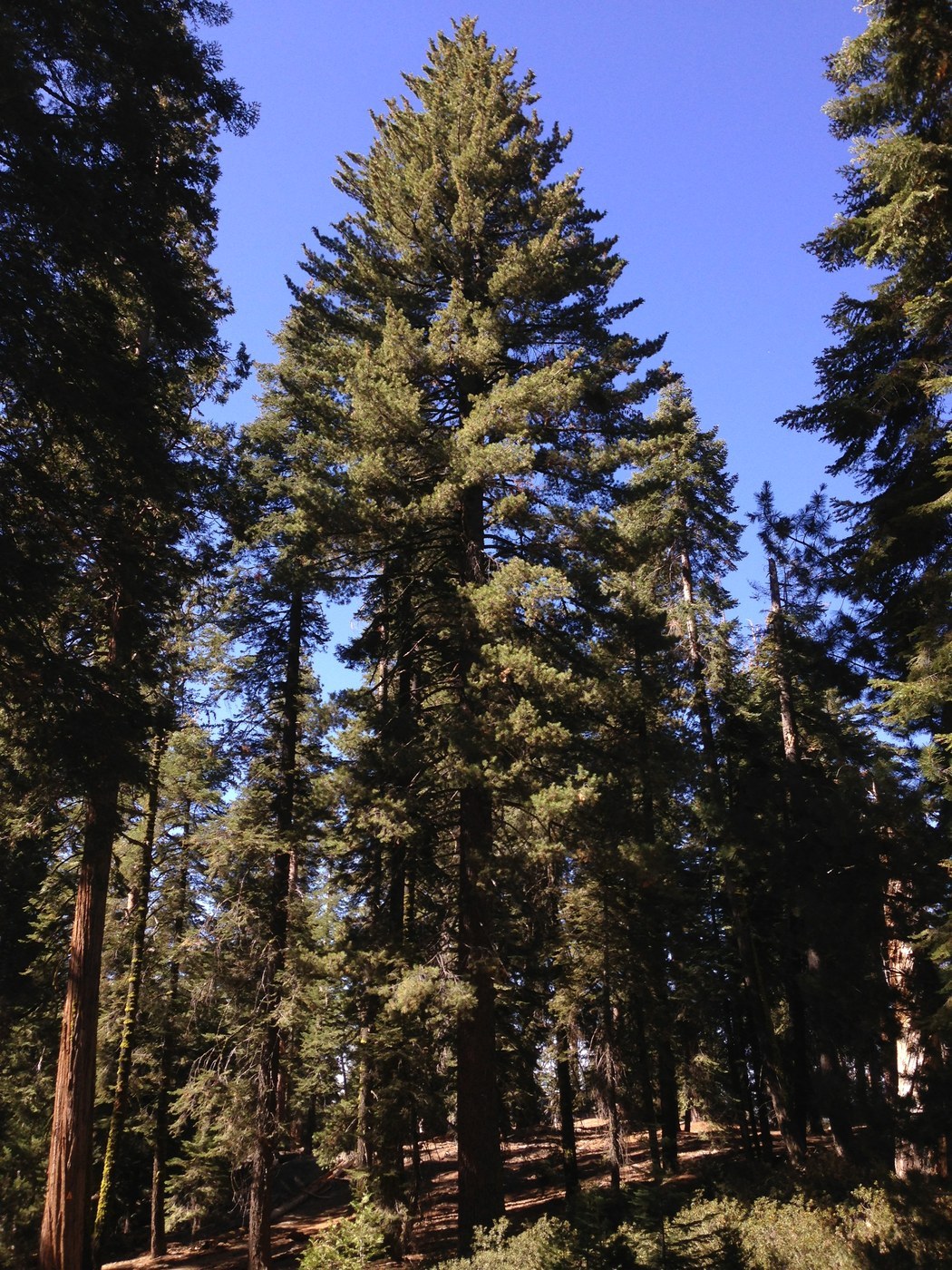
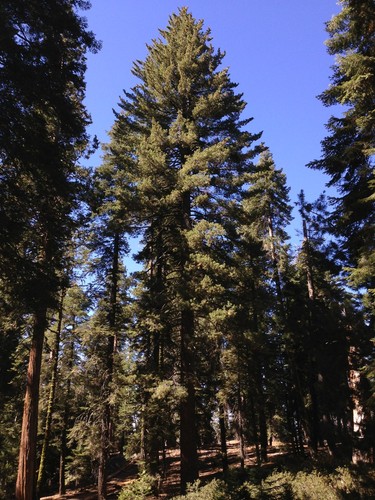
Sugar Pine (Pinus lambertiana) is the largest of all pine species, reaching heights of 130–200 ft or more in the mountains of California, Oregon, and Baja. John Muir called it the "king of the conifers."
It produces the longest cones of any conifer, sometimes over 20 inches, and exudes a resin from wounds that gives the tree its common name.
How to identify it
- Cones: Spectacularly long, 10–20+ in, hanging from branch tips — the longest of any conifer.
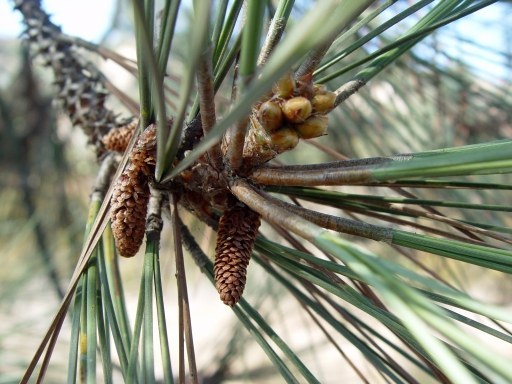
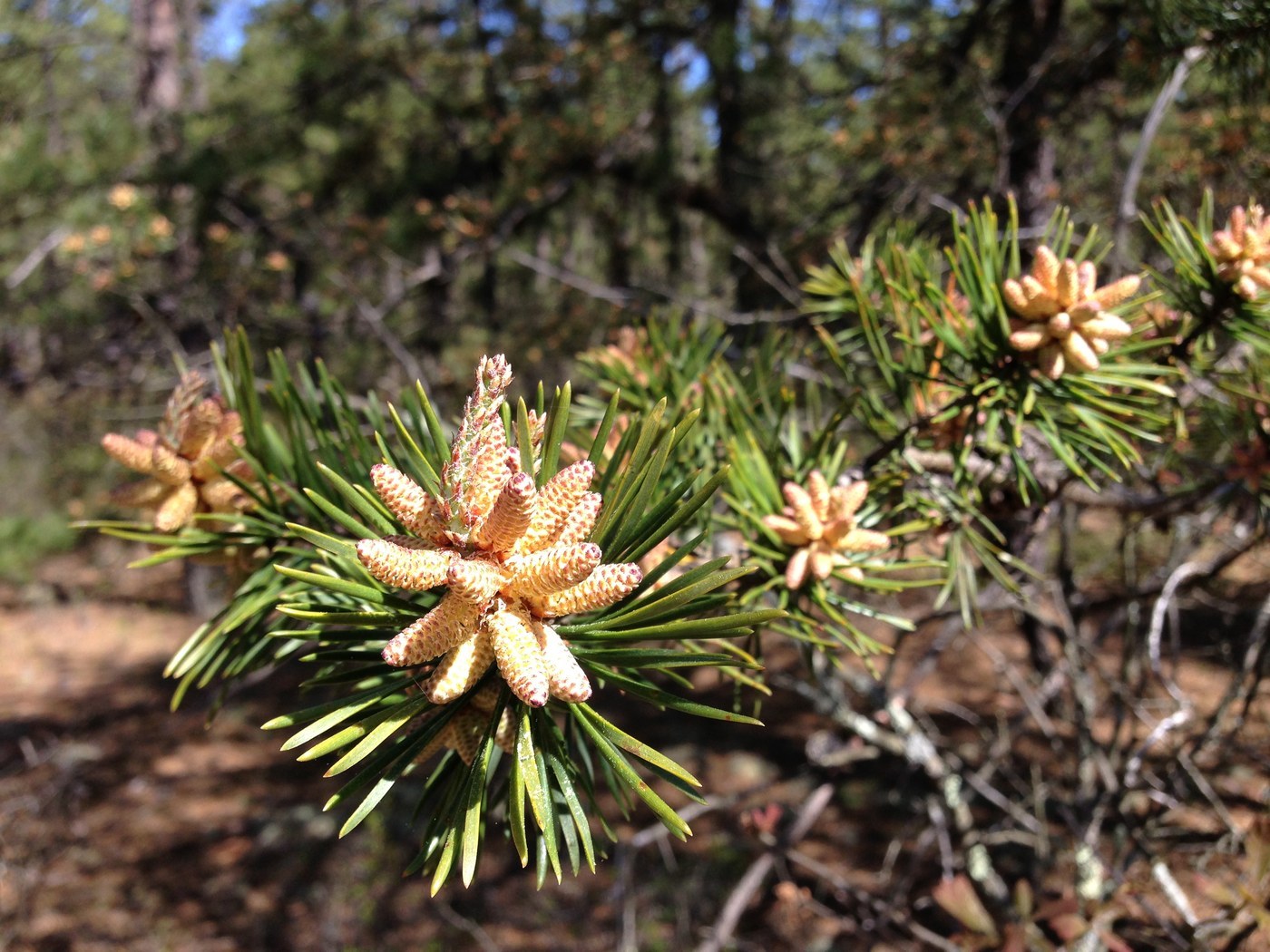
- Needles: Bluish-green, 2–4 in, in bundles of five.
- Habit: Tall with long, horizontal limbs that hold cones at their ends.
- Bark: Grayish-brown and furrowed into plates with age.
- Size: Commonly 130–180 ft, occasionally over 250 ft.
Care & growing
Sugar Pine needs full sun and deep, well-drained mountain soils; it is a forest tree rather than a small-garden plant.
- Water: Moderate; prefers cool, moist mountain conditions but tolerates summer drought when established.
- Soil: Deep, well-drained, slightly acidic.
- Temperature: Hardy USDA zones 6–8; adapted to montane climates.
- Feeding: Not generally required.
- Propagation: From seed; susceptible to white pine blister rust, so rust-resistant stock is preferred.
Habitat & origin
Native to the mountains of the Pacific states — the Sierra Nevada, Cascades, Klamath ranges, and southern California mountains into Baja California.
It grows in mixed-conifer forests at moderate elevations, mingling with ponderosa pine, white fir, and incense cedar.
Frequently asked questions
Is Sugar Pine really the biggest pine?
Yes, it is the tallest and most massive pine species in the world.
Why are its cones so famous?
Sugar Pine produces the longest cones of any conifer, often over a foot and sometimes 20+ inches.
Why is it called Sugar Pine?
Resin that seeps from wounds in the trunk inspired the common name.
What threatens Sugar Pine?
White pine blister rust, an introduced fungal disease, is its most serious threat.
Sugar Pine guides
In-depth guides for identifying, growing, and caring for Sugar Pine.
How to Care for Sugar Pine
Grow the majestic sugar pine (Pinus lambertiana) with full sun, deep well-drained soil, and patient, low-maintenance care in cool mountain climates.
Sugar Pine Identification Guide
How to identify Sugar Pine (Pinus lambertiana), the world's tallest pine, by its enormous hanging cones, five-needle bundles, and long horizontal branches. Covers separation from western white pine.