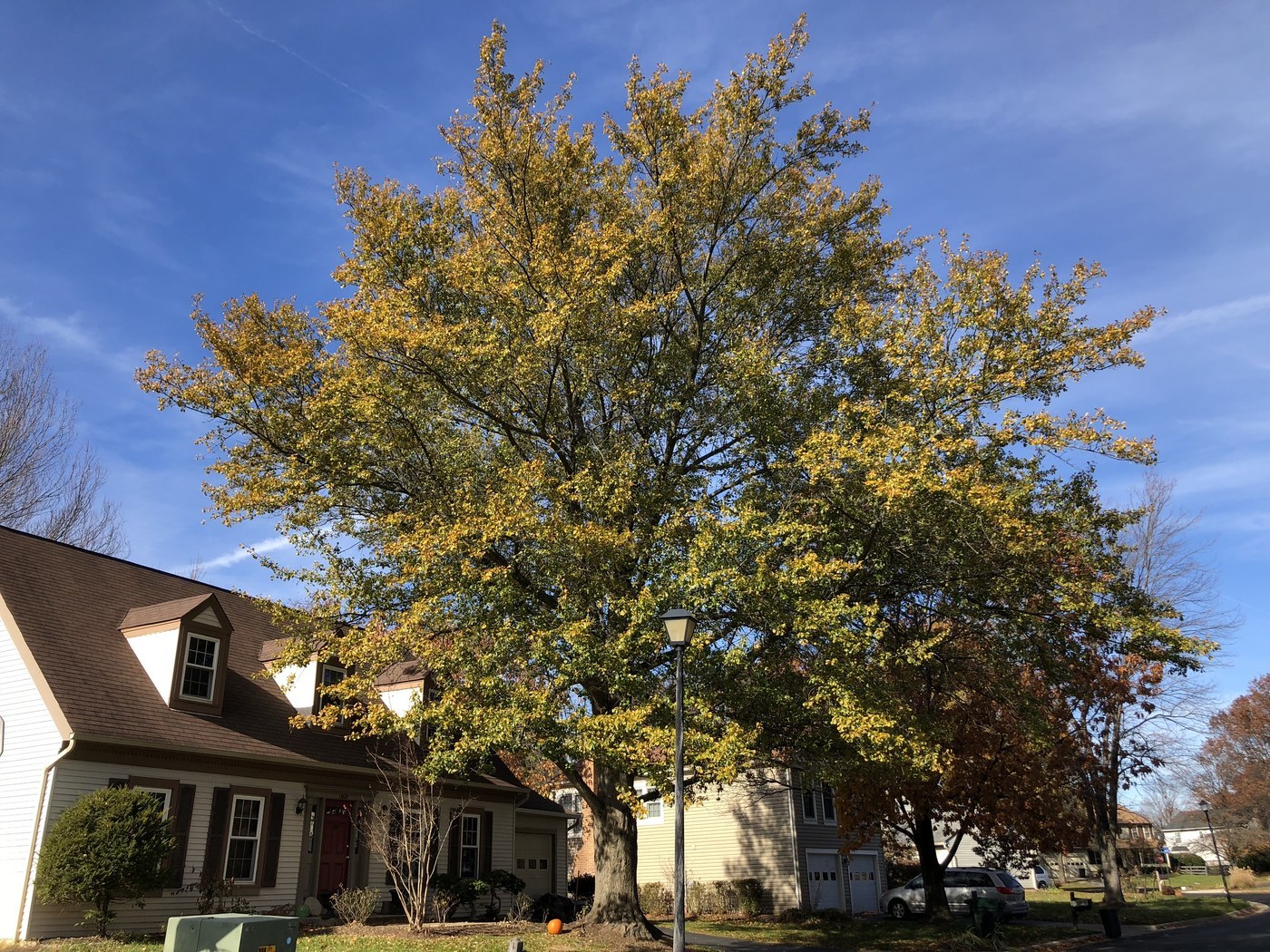
Water Oak
Quercus nigra
Water oak is a fast-growing, semi-evergreen red-oak-group tree of the southeastern US, common along streams and in yards. It has spatula-shaped leaves but is relatively short-lived.
- Light
- Full sun
- Water
- Moderate to high; tolerates wet soils
- Difficulty
- Easy
Got a plant like this?
Identify any plant from a photo, free.
Overview
Water oak (Quercus nigra) is a medium-to-large deciduous to semi-evergreen tree in the red oak group, native to the lowlands of the southeastern United States.
It is named for its preference for wet bottomlands, stream banks, and poorly drained soils, though it also grows well on a variety of sites. It is one of the fastest-growing oaks, which has made it a popular and widely planted shade tree across the South.
The trade-off for fast growth is a relatively short life and weak wood; mature water oaks are prone to interior rot and limb breakage.
How to identify it
- Leaves: Highly variable, often spatula- or paddle-shaped (widest near the rounded, slightly lobed tip), 2–4 in long; some leaves are narrow, others three-lobed; many persist into winter (semi-evergreen).
- Acorns: Small, nearly round, dark, with a thin saucer-like cap; matures in two seasons (red oak group).
- Bark: Smooth and gray when young, becoming darker and shallowly ridged with age.
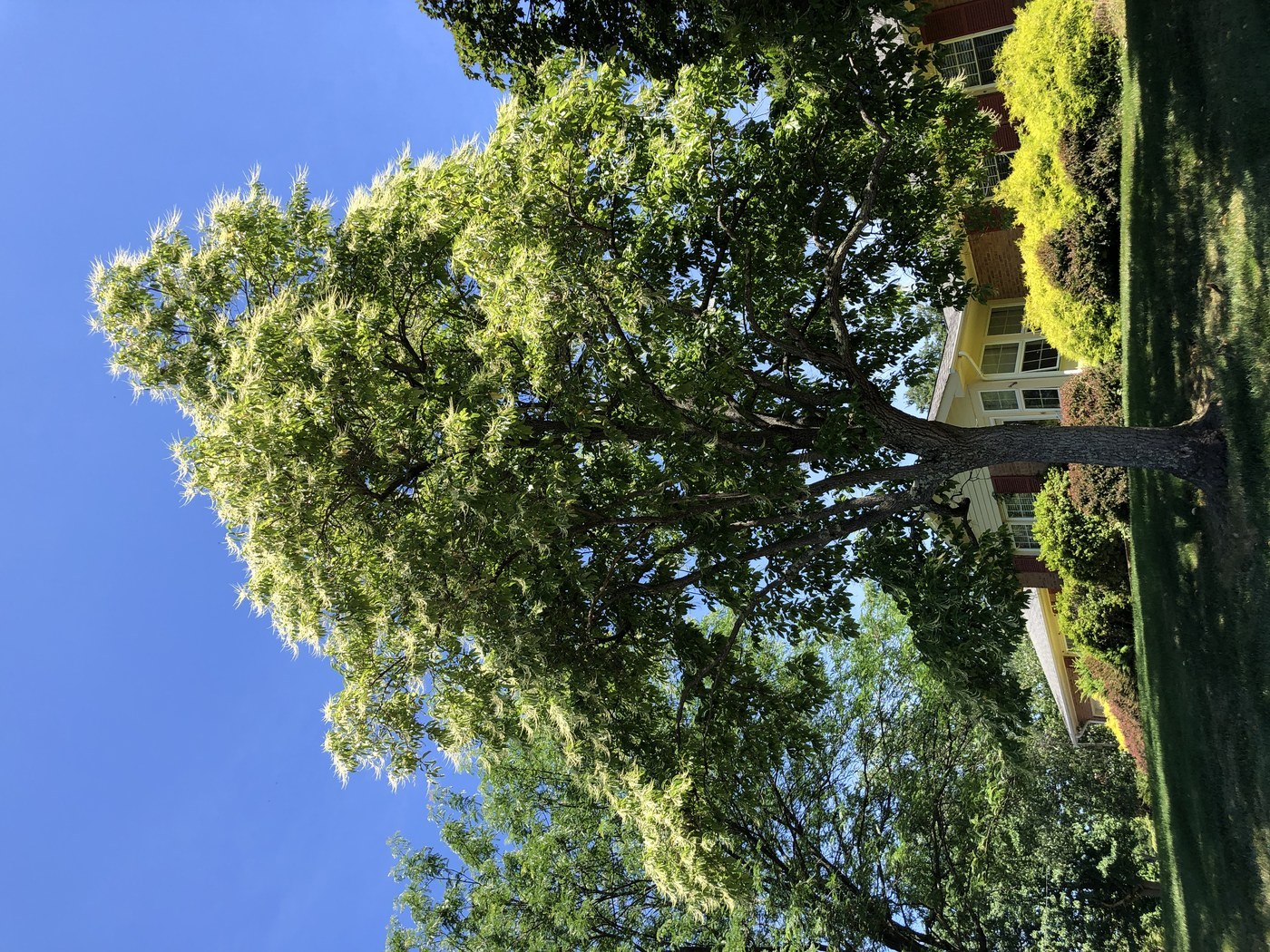
- Habit: Rounded, fairly dense crown.
- Size: Typically 50–80 ft tall.
Care & growing
Water oak grows in full sun and adapts to most soils.
- Water: Prefers moist to wet bottomland soils and tolerates poor drainage, but also handles average sites.
- Soil: Tolerant of clay, sand, and compacted urban soils; prefers acidic ground.
- Temperature: Hardy in USDA zones 6–9.
- Feeding: Rarely necessary.
- Propagation: From acorns; grows quickly but is short-lived and prone to decay, so siting away from structures is wise.
Habitat & origin
Native to the southeastern and south-central United States, from New Jersey and Delaware south to Florida and west to eastern Texas.
It grows naturally in floodplains, along streams and rivers, and in moist bottomland forests, but also colonizes old fields and disturbed sites. It is extensively planted as a street and yard tree throughout the South.
Frequently asked questions
Why is it called water oak?
It naturally favors wet bottomlands, stream banks, and poorly drained soils, although it also grows on drier sites.
Is water oak a good yard tree?
It grows fast and provides quick shade, but it is relatively short-lived and prone to internal decay and limb drop, so plant it away from buildings.
What do water oak leaves look like?
They are variable but often spatula- or paddle-shaped, widest near the rounded tip, and many leaves stay on the tree into winter.
How long does a water oak live?
It is one of the shorter-lived oaks, often declining after 30 to 50 years due to its weak, decay-prone wood, though some live longer.
Water Oak guides
In-depth guides for identifying, growing, and caring for Water Oak.
How to Care for Water Oak
Grow Quercus nigra, water oak, with our care guide: full sun, moist soils, young-tree watering, pruning for structure, and understanding its fast growth.
Water Oak Identification Guide
How to identify Water Oak (Quercus nigra) by its spatula- or club-shaped leaves with a rounded, flaring tip, semi-evergreen habit, and small striped acorns.