Red Oak
Quercus rubra
Northern red oak is a fast-growing, adaptable shade tree with pointed, bristle-tipped leaf lobes and reddish fall color. Its strong wood is a leading commercial hardwood across eastern North America.
- Light
- Full sun
- Water
- Moderate; well-drained soil
- Difficulty
- Easy
Got a plant like this?
Identify any plant from a photo, free.
Overview
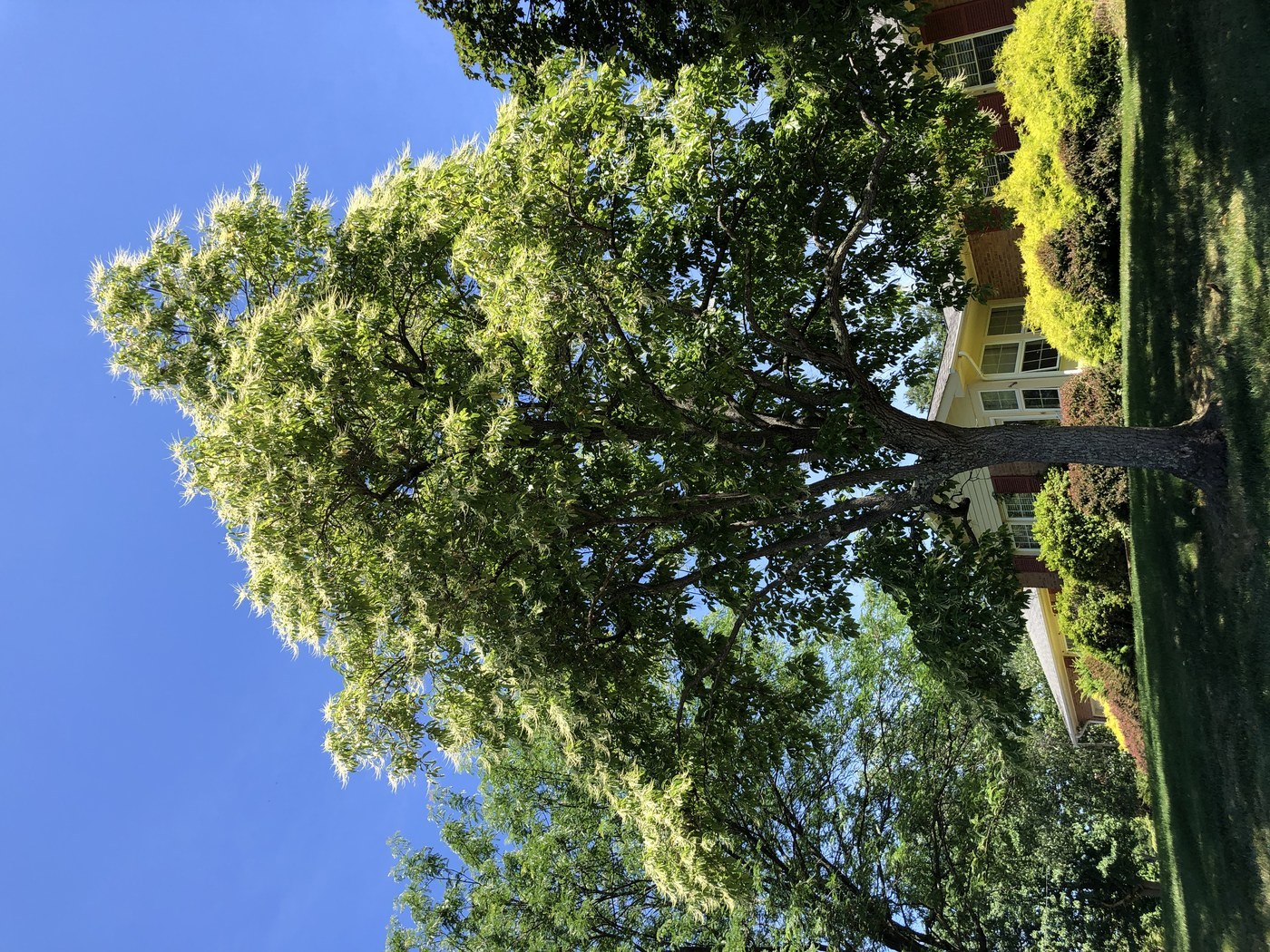
Northern red oak (Quercus rubra) is a large, vigorous deciduous tree native to eastern and central North America. It is among the faster-growing oaks and tolerates a wide range of conditions, making it a popular street and shade tree.
A member of the red oak group, it has leaves with pointed, bristle-tipped lobes and acorns that take two years to mature. Its handsome, strong wood is one of the most commercially important hardwoods in North America.
How to identify it
- Leaves: Alternate, with 7-11 pointed lobes ending in bristle tips and shallow, U-shaped sinuses; dull green turning brownish-red to red in fall
- Bark: Dark gray-brown with smooth, flat-topped ridges often described as 'ski trails' running down the trunk
- Acorns: Rounded acorns with a shallow, flat, saucer-like cap; maturing over two years
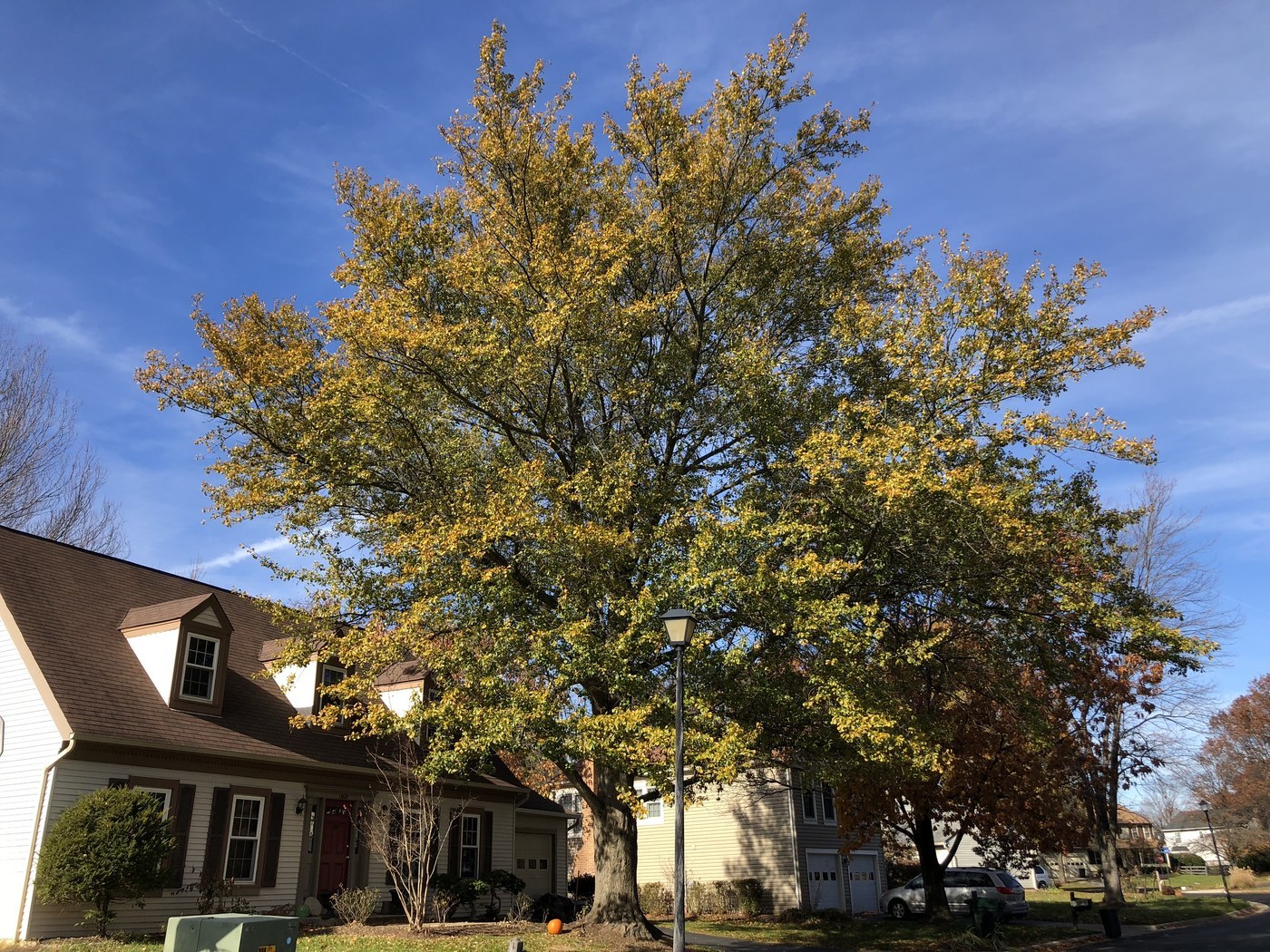
- Form: Rounded crown, 60-90 ft tall, often fast-growing
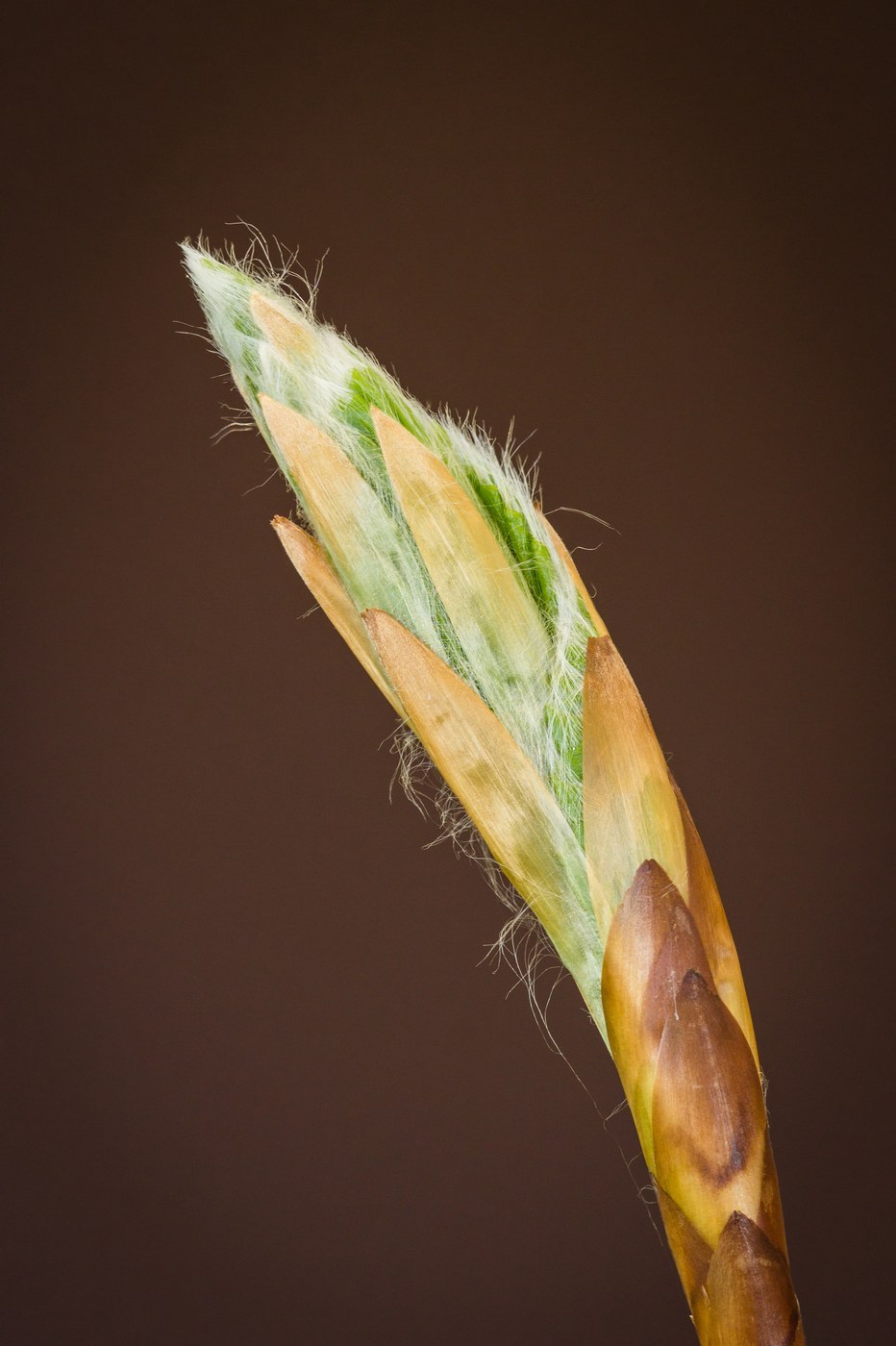
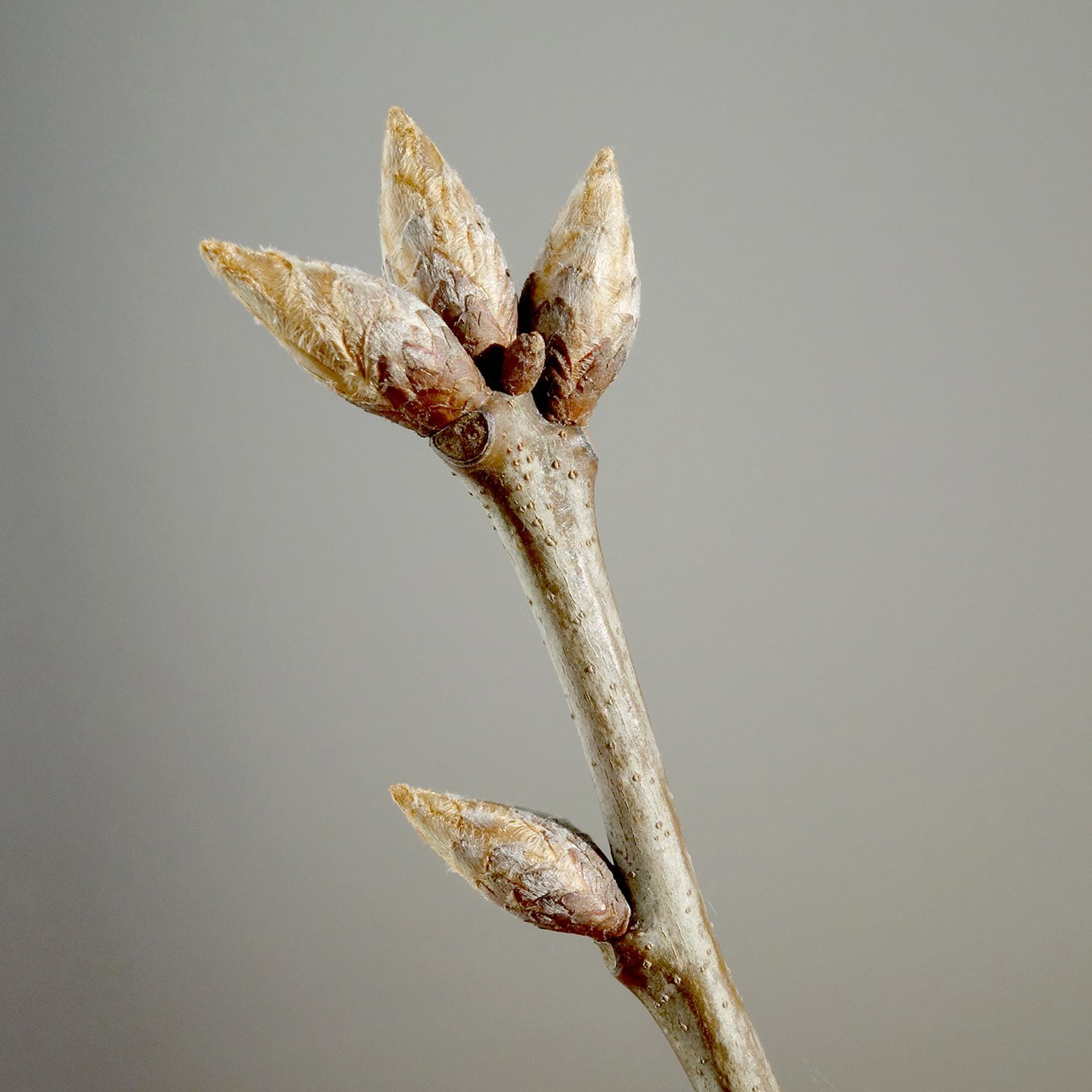
- Buds: Reddish-brown, pointed, clustered at twig tips
Care & growing
Light: Full sun.
Water: Moderate; prefers well-drained soil but adapts to a range of moisture.
Soil: Tolerant of many soils, doing best in deep, slightly acidic loam; more pollution- and urban-tolerant than many oaks.
Temperature: Hardy USDA zones 3-8.
Feeding: Rarely necessary.
Propagation: Grown from acorns sown in fall; transplants more readily than white oak. Prune in dormancy to reduce oak wilt risk.
Habitat & origin
Northern red oak ranges across eastern and central North America from Canada to the southern Appalachians. It grows in upland forests, slopes, and well-drained valleys, often in mixed hardwood stands.
Because of its fast growth and urban tolerance, it is widely planted along streets and in parks far beyond its native range.
Frequently asked questions
How is red oak different from white oak?
Red oak leaves have pointed, bristle-tipped lobes, while white oak leaves have rounded lobes. Red oak acorns take two years to mature; white oak acorns mature in one year.
Is red oak good for furniture?
Yes. Its strong, attractive, open-grained reddish wood is one of the most widely used hardwoods for furniture, flooring, and cabinetry.
Does red oak grow fast?
For an oak, yes. It is among the faster-growing species and tolerates urban conditions, which makes it a popular shade tree.
Why do red oak leaves turn brown and stay on the tree?
Young red oaks are often marcescent, holding dead leaves through winter. Mature trees typically color reddish to russet before dropping.
Red Oak guides
In-depth guides for identifying, growing, and caring for Red Oak.
How to Care for Red Oak
A fast, adaptable shade tree: give red oak full sun, well-drained acidic soil, and room to grow into a broad, long-lived canopy.
Red Oak Identification Guide
Identify northern red oak (Quercus rubra) by its pointed, bristle-tipped leaf lobes, dark ridged bark with shiny stripes, and flat-capped acorns that mature in two years.