
How to Care for Red Oak
A fast, adaptable shade tree: give red oak full sun, well-drained acidic soil, and room to grow into a broad, long-lived canopy.
Read the full Red Oak encyclopedia entry →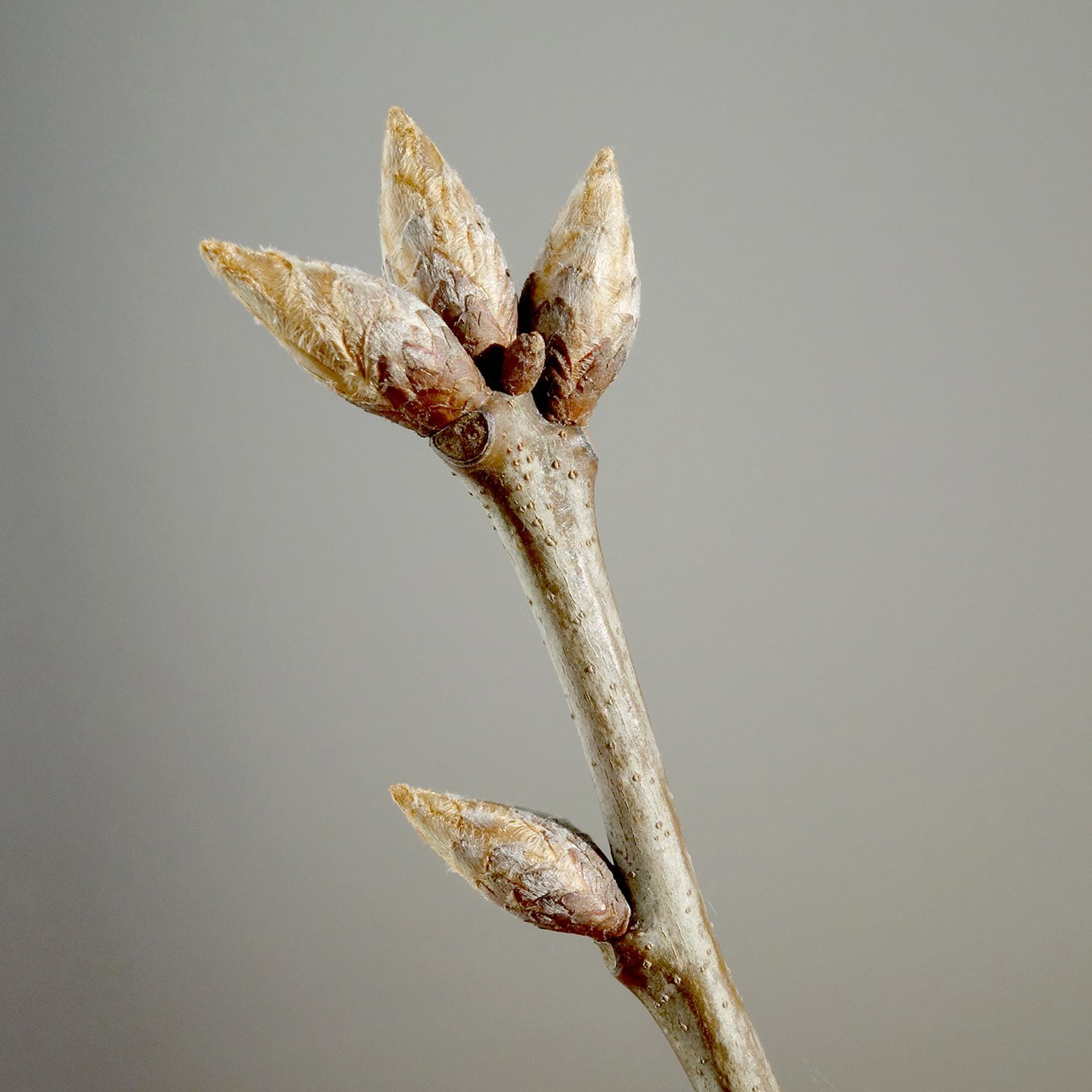
The northern red oak (Quercus rubra) is a stately, fast-growing deciduous shade tree valued for its broad canopy, strong branching, and rich red-bronze fall color. It is remarkably adaptable and long-lived, making it one of the easier large oaks to establish.
Light
Red oak grows best in full sun, ideally 6 or more hours daily, which produces a dense, symmetrical crown and the strongest fall color. Young trees tolerate some light shade, but full sun yields faster, sturdier growth. Give it an open site with room to spread.
Water
Provide moderate, consistent moisture, especially during the first two or three years while roots establish. Water deeply and infrequently to encourage deep rooting rather than shallow, frequent sprinkling. Once established, red oak is fairly drought-tolerant and needs supplemental water only in extended dry spells. It prefers well-drained soil and dislikes standing water.
Soil & Potting
Red oak favors deep, fertile, well-drained soil and performs best in slightly acidic conditions; it can develop iron chlorosis, showing as yellowing leaves with green veins, in high-pH or alkaline ground. It tolerates a range of loams and sandy soils as long as drainage is good. Because it forms a substantial root system, it is a landscape tree rather than a container plant; grow young seedlings in deep pots only until ready to plant out.
Humidity & Temperature
This is a cold-hardy temperate tree that handles cold winters and warm summers with ease. It is not fussy about humidity. Establish new trees in the cooler, moister parts of the year so roots settle before summer heat. Mature trees withstand wind, cold, and urban conditions well.
Feeding
Established red oaks in reasonable soil rarely need fertilizer. For young trees or poor sites, a light spring application of a balanced tree fertilizer can support growth. Better still, maintain a wide ring of organic mulch, which feeds the soil slowly and conserves moisture. Avoid heavy nitrogen, which can push weak, disease-prone growth.
Propagation
Red oak is propagated from acorns. Collect ripe acorns in fall, discard any that float, and sow promptly since they do not store well and can dry out. Fall sowing outdoors provides the natural cold, moist stratification the seed needs; alternatively, refrigerate cleaned acorns in moist medium over winter and sow in spring. Protect sown acorns from squirrels and rodents. Seedlings develop a deep taproot early, so transplant while young.
Repotting / Pruning
Prune red oak in the dormant season, late fall through winter, to avoid attracting the beetles that spread oak wilt during the growing season. Remove dead, damaged, or crossing branches and establish a strong central leader on young trees. Keep pruning light and structural; oaks resent heavy topping. Young container-grown seedlings should be planted out before their taproot circles the pot.
Common Problems & Pests
Red oak is generally tough but can face oak wilt, a serious fungal disease spread through connected roots and by beetles drawn to fresh cuts, so prune only in dormancy. Anthracnose and powdery mildew may spot leaves in wet years but rarely harm the tree. Iron chlorosis appears in alkaline soils. Pests include oak leaf gall wasps, borers, and various caterpillars; healthy, well-sited trees usually shrug these off.
Seasonal Care Tips
Plant in spring or fall while temperatures are mild. Through the first summers, water deeply and keep a mulch ring to establish the roots. In fall, enjoy the color and collect acorns for propagation if desired. Reserve pruning for the dormant winter months to protect against oak wilt, and refresh mulch annually to keep the root zone cool and moist.
Frequently asked questions
How fast does a red oak grow?
Red oak is one of the faster-growing oaks, often adding 1-2 feet of height per year when young and given full sun, good soil, and adequate water. Growth slows as the tree matures into its broad canopy.
When is the best time to prune a red oak?
Prune only in the dormant season, late fall through winter. Fresh cuts in the growing season attract beetles that can spread oak wilt, a serious disease of oaks.
Why are my red oak's leaves yellowing with green veins?
That pattern is iron chlorosis, usually caused by soil that is too alkaline for the tree to take up iron. Red oak prefers slightly acidic soil; amending pH or improving the soil helps.
How do I grow a red oak from an acorn?
Collect ripe acorns in fall, discard floaters, and sow them promptly outdoors or cold-stratify them over winter before spring sowing. Protect them from squirrels and transplant seedlings while young because of the deep taproot.