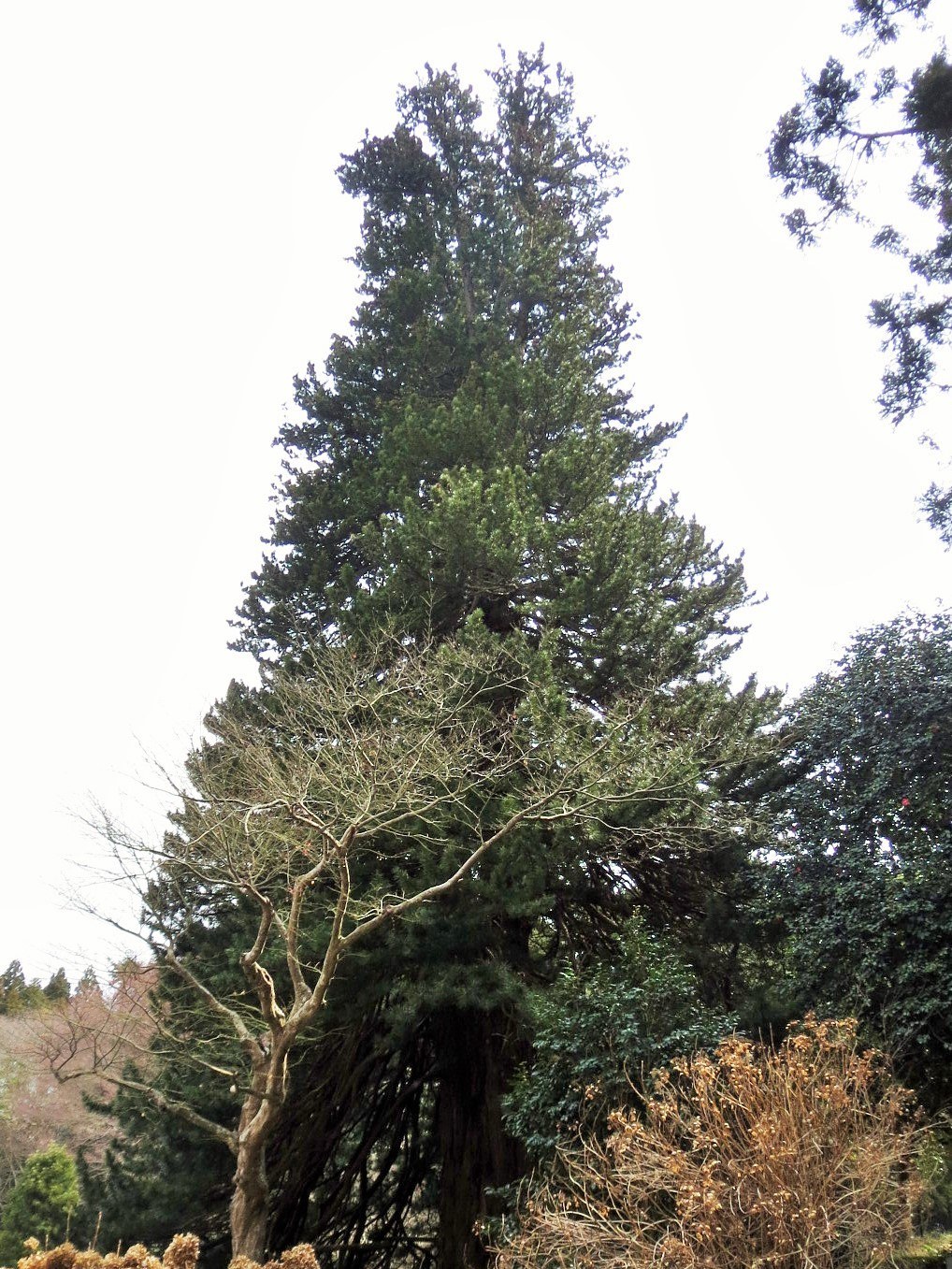
Umbrella Pine
Sciadopitys verticillata
Japanese Umbrella Pine is a unique living-fossil conifer, the sole member of its family, with glossy whorls of needle-like cladodes arranged like the ribs of an umbrella. It is slow-growing and prized as an ornamental.
- Light
- Full sun to part shade
- Water
- Moist, well-drained, acidic soil
- Difficulty
- Moderate
Got a plant like this?
Identify any plant from a photo, free.
Overview
Umbrella Pine (Sciadopitys verticillata), or koyamaki, is a remarkable Japanese conifer that is the only living species in the family Sciadopityaceae, an ancient lineage dating back over 200 million years. It is not a true pine.
Its common name comes from the whorls of long, flattened green 'needles' (actually fused shoots called cladodes) that radiate from the branch tips like the spokes of an umbrella. Slow-growing and tidy, it is a coveted specimen tree.
How to identify it
- Foliage: Glossy, deep green, flattened linear cladodes 6-12 cm long, soft and grooved, arranged in dense radiating whorls (umbrella-like) at the ends of shoots
- Cones: Oval woody cones 6-11 cm, maturing in the second year
- Habit: Slow-growing, densely conical to columnar; eventually 15-25 m but usually much smaller in gardens
- Bark: Reddish-brown, peeling in strips
- The unique umbrella-spoke whorls of glossy strap-like foliage make it unmistakable
Care & growing
Light: Full sun to part shade; some afternoon shade helps in hot climates.
Water: Keep soil consistently moist but well-drained, especially while young; dislikes drought.
Soil: Rich, acidic, moist, well-drained soil; intolerant of dry or alkaline conditions.
Temperature: Hardy to USDA zone 5; prefers humid, cool-to-mild climates and shelter from harsh wind.
Feeding: Light feeding of an acid-loving fertilizer in spring.
Propagation: From seed (slow) or semi-hardwood cuttings; very slow to establish.
Habitat & origin
Native to Japan, growing in cool, humid mountain forests of Honshu, Shikoku, and Kyushu, often on rocky slopes and ridges. It is a relict species, once far more widespread in prehistoric times as fossil evidence shows.
It is grown as a treasured ornamental in temperate gardens worldwide and is one of the sacred trees of Japan's Kiso region.
Frequently asked questions
Is the umbrella pine a true pine?
No. Despite the name it is not a pine; it is the sole living member of the ancient family Sciadopityaceae and is more of a botanical living fossil.
Why is it so expensive?
It is extremely slow-growing and difficult to propagate, so nursery specimens take many years to reach saleable size.
What are its needles really?
The long glossy 'needles' are actually flattened photosynthetic shoots called cladodes, arranged in umbrella-like whorls.
Does it need acidic soil?
Yes. It prefers rich, moist, acidic, well-drained soil and resents drought and alkaline conditions.
Umbrella Pine guides
In-depth guides for identifying, growing, and caring for Umbrella Pine.
How to Care for Umbrella Pine
The Japanese Umbrella Pine is a slow, elegant conifer that rewards patience with moist, acidic soil and shelter.
Umbrella Pine Identification Guide
How to identify Japanese umbrella pine (Sciadopitys verticillata) by its unique whorls of long, thick, double needles arranged like umbrella spokes. Covers needles, cones, bark, and look-alikes.