
How to Care for Water Oak
Grow Quercus nigra, water oak, with our care guide: full sun, moist soils, young-tree watering, pruning for structure, and understanding its fast growth.
Read the full Water Oak encyclopedia entry →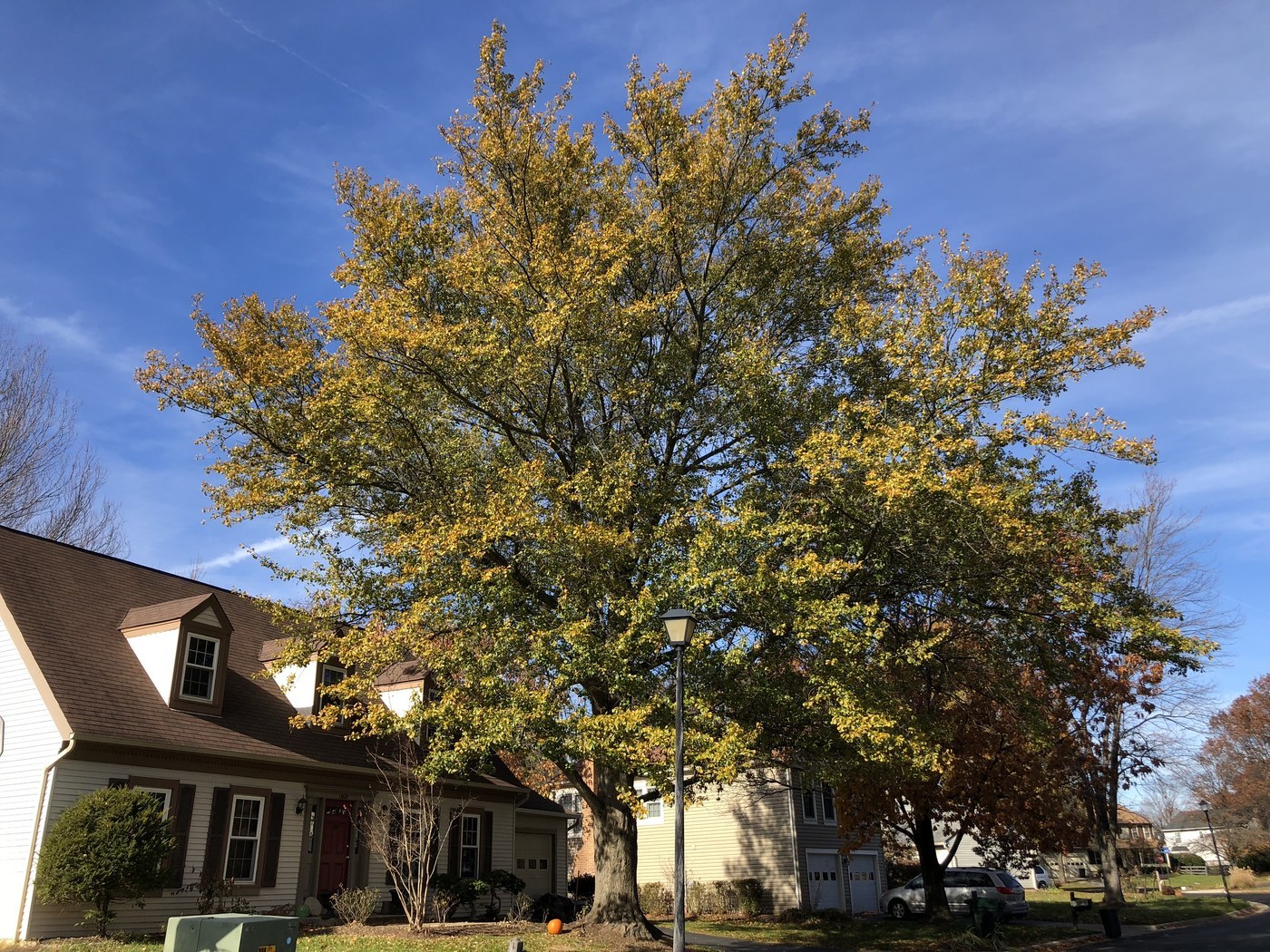
Water oak (Quercus nigra) is a fast-growing Southeastern U.S. native shade tree that thrives in low, moist bottomlands but adapts to a wide range of sites. Semi-evergreen in the South, it offers quick shade and a broad, rounded canopy, making it a popular choice for landscapes and street plantings.
Light
Plant water oak in full sun for the healthiest, most vigorous growth and a well-formed canopy. It tolerates some light shade when young but develops its best structure with abundant sunlight. Choose an open site with room for the wide, spreading crown to mature.
Water
Water oak lives up to its name, favoring moist to wet soils and tolerating periodic flooding and poorly drained bottomlands. Young trees need regular, deep watering through their first two or three seasons to establish a strong root system. Established trees handle moderate drought but grow best where soil stays reliably moist.
Soil & Potting
This adaptable oak grows in a broad range of soils, from moist clays and bottomland muck to sandy loams, and tolerates compacted or occasionally flooded ground better than most oaks. It prefers slightly acidic soil. Avoid only very dry, thin sites for best long-term vigor.
Humidity & Temperature
Hardy in roughly USDA zones 6 through 9, water oak is well suited to the warm, humid climate of the Southeast. It withstands high heat and humidity easily. In its northern range it may drop leaves earlier, while in the Deep South it holds foliage well into or through winter.
Feeding
Established water oaks in reasonable soil rarely need fertilizer. For young trees, a light application of balanced or slow-release fertilizer in early spring can speed establishment. Maintain a mulch ring over the root zone to conserve moisture and slowly enrich the soil, keeping mulch away from the trunk.
Propagation
Water oak is propagated from acorns. Collect ripe acorns in fall, sow them promptly in moist soil, and protect them from rodents. They typically germinate the following spring. Because it grows quickly, seedlings establish and gain height rapidly compared with many other oaks.
Repotting / Pruning
Prune young trees to establish a strong central leader and remove crossing or weak branches, since water oak is prone to developing weak forks and included bark. Structural pruning in the early years pays off, as the wood is relatively weak and brittle and mature trees can shed limbs. Prune in the dormant season when possible.
Common Problems & Pests
Water oak is a fast but relatively short-lived, weak-wooded tree prone to trunk cavities, heart rot, and limb drop as it ages. Watch for oak wilt, various leaf galls, cankers, and borers. Good early pruning, mulching, and avoiding trunk wounds help extend its life. Rake or manage the heavy leaf litter it produces, especially where it drops foliage through winter.
Seasonal Care Tips
In spring, feed young trees lightly and refresh mulch. Water deeply through summer dry spells, especially for trees under three years old. In fall and dormant winter, do structural pruning and clean up leaf litter. Inspect mature trees periodically for deadwood and signs of decay so limbs can be removed before they fail.
Frequently asked questions
How fast does a water oak grow?
Water oak is one of the faster-growing oaks, often adding a couple of feet of height per year in good conditions. This rapid growth comes with relatively weak wood, so early structural pruning is important.
Does water oak need wet soil?
It thrives in moist to wet bottomland soils and tolerates periodic flooding, but it is adaptable and also grows in average soils. Young trees especially need consistent moisture to establish well.
Is water oak evergreen?
It is semi-evergreen. In the Deep South it often holds its leaves into or through winter, while in cooler parts of its range it drops foliage earlier. Expect significant leaf litter, sometimes spread across the winter months.
Why is pruning young water oaks important?
Water oaks tend to form weak forks with included bark and have relatively brittle wood. Training a strong central leader and removing weak or crossing branches while the tree is young reduces limb failure and prolongs its useful life.