
How to Care for Yoshino Cherry
Grow Prunus x yedoensis, the Yoshino Cherry, with full sun, well-drained moist soil, and thoughtful early-spring care.
Read the full Yoshino Cherry encyclopedia entry →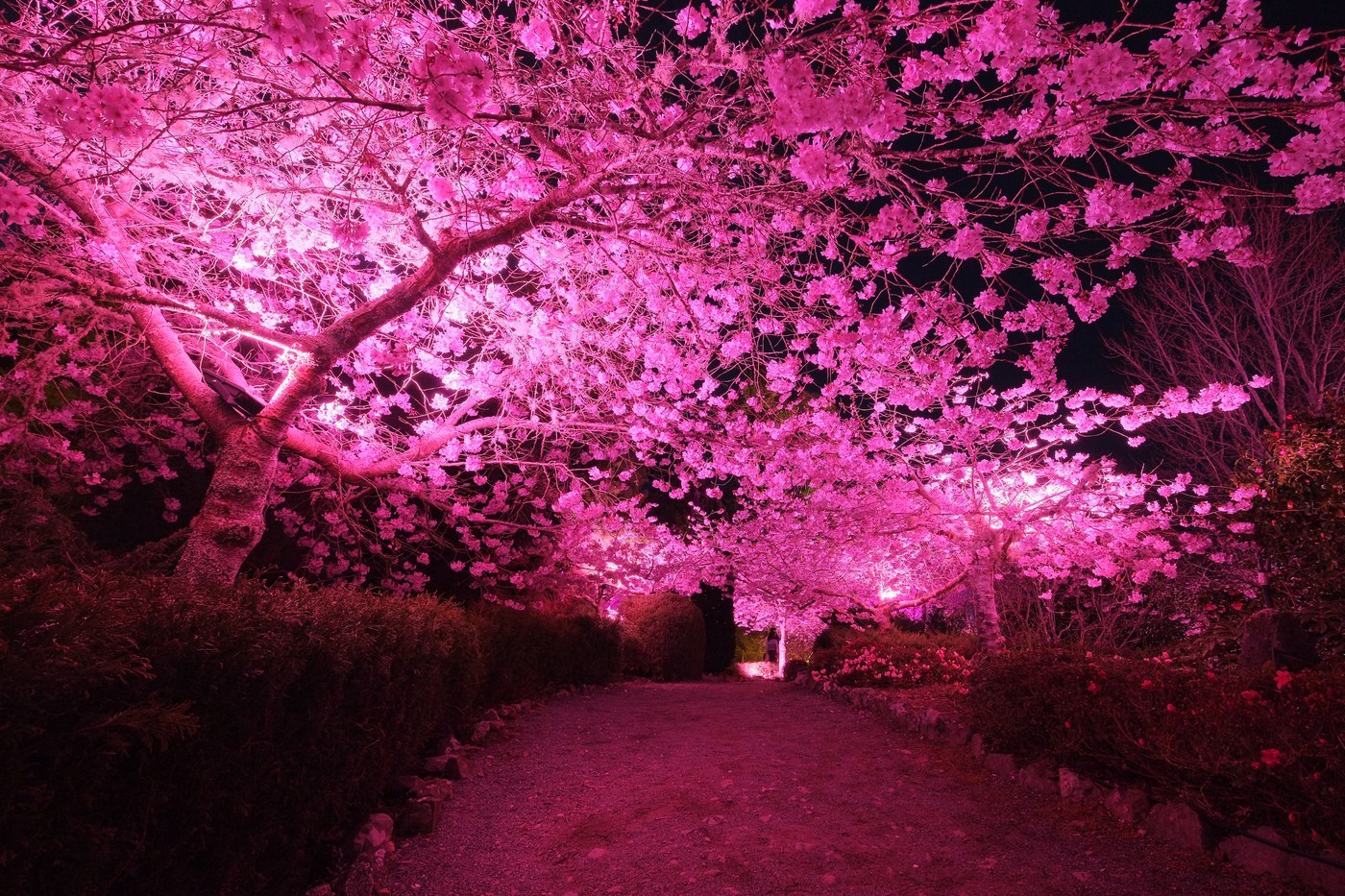
The Yoshino Cherry (Prunus x yedoensis) is a beloved flowering tree famous for its clouds of pale pink-to-white blossoms in early spring. It is a graceful, spreading ornamental that rewards good siting and steady moisture.
Light
Plant in full sun for the best flowering and a healthy, dense canopy. At least six hours of direct sun daily produces the most abundant spring bloom. Too much shade reduces flowering and can encourage weak, disease-prone growth. Choose an open location where the tree has room to spread its broad, rounded crown.
Water
Provide moderate, consistent moisture, keeping the soil evenly moist, especially while the tree is young and establishing. Deep, thorough watering during dry spells is far better than frequent shallow sprinkles. Established trees tolerate short dry periods but bloom and grow best with steady moisture. Avoid waterlogged soil, which invites root problems. Mulch over the root zone to conserve moisture and moderate soil temperature.
Soil & Potting
Yoshino Cherry grows best in fertile, well-drained soil with a slightly acidic to neutral pH. It adapts to loam, clay-loam, and sandy soils as long as drainage is good; it dislikes standing water. Amend heavy or poor soils with organic matter at planting and keep an organic mulch ring (kept off the trunk) over the roots.
Humidity & Temperature
As a temperate landscape tree, it thrives through cold winters and warm summers and needs winter chill to bloom well. It is best suited to regions with distinct seasons. Late frosts can damage open flowers, so avoid frost-pocket sites. It handles normal outdoor humidity, though good air circulation helps reduce foliage diseases.
Feeding
Feed lightly in early spring with a balanced or slightly acidic tree fertilizer if growth or leaf color is poor; well-sited trees in decent soil often need little. Avoid heavy nitrogen, which pushes soft growth at the expense of bloom and can increase disease susceptibility. A yearly topdressing of compost supports steady health.
Propagation
Named forms are propagated by grafting or budding onto compatible rootstock, and by semi-hardwood cuttings taken in summer under mist. Seed is rarely used for this hybrid because seedlings do not come true. For most gardeners, purchasing a nursery-grown tree is the practical route.
Repotting / Pruning
Prune minimally and only when needed, ideally right after flowering to avoid cutting off next year's buds and to reduce disease entry. Remove dead, damaged, crossing, or crowded branches to maintain an open structure. Make clean cuts and avoid heavy pruning, since cherries are prone to dieback at large wounds. Water newly planted trees attentively through their first couple of seasons.
Common Problems & Pests
Watch for aphids, borers, scale, and tent caterpillars, along with fungal issues such as leaf spot, powdery mildew, and canker in wet or crowded conditions. Good sun, airflow, and clean pruning cuts prevent most problems. Yoshino Cherries are relatively short-lived compared to shade trees, so vigorous care in the early years pays off.
Seasonal Care Tips
The show comes in early spring as blossoms open before or with the leaves. Keep young trees well watered through summer, apply mulch, and do any pruning just after bloom. In fall the foliage takes on yellow-to-bronze tones; clean up fallen leaves to reduce overwintering disease. Protect the trunk from winter sunscald and rodents on young trees.
Frequently asked questions
Why isn't my Yoshino Cherry blooming well?
Sparse bloom usually comes from too much shade or excess nitrogen fertilizer. Ensure at least six hours of direct sun, ease off high-nitrogen feeding, and avoid heavy pruning that removes flower buds.
When should I prune a Yoshino Cherry?
Prune right after flowering. This avoids removing next season's buds and reduces the chance of disease entering fresh cuts. Keep pruning light and remove only dead, damaged, or crossing branches.
How much water does a Yoshino Cherry need?
Keep the soil evenly moist, especially for young trees, with deep watering during dry spells. Established trees tolerate brief dry periods but perform best with steady moisture and a mulch ring.
Why are the leaves of my Yoshino Cherry developing spots?
Leaf spots and mildew usually appear in wet, crowded, or poorly ventilated conditions. Improve air circulation, avoid overhead watering, rake up fallen leaves, and keep the canopy open through light pruning.