
How to Care for Sourwood
Sourwood is a graceful native tree with drooping summer flower sprays and brilliant scarlet fall color; give it acidic, moist, well-drained soil.
Read the full Sourwood encyclopedia entry →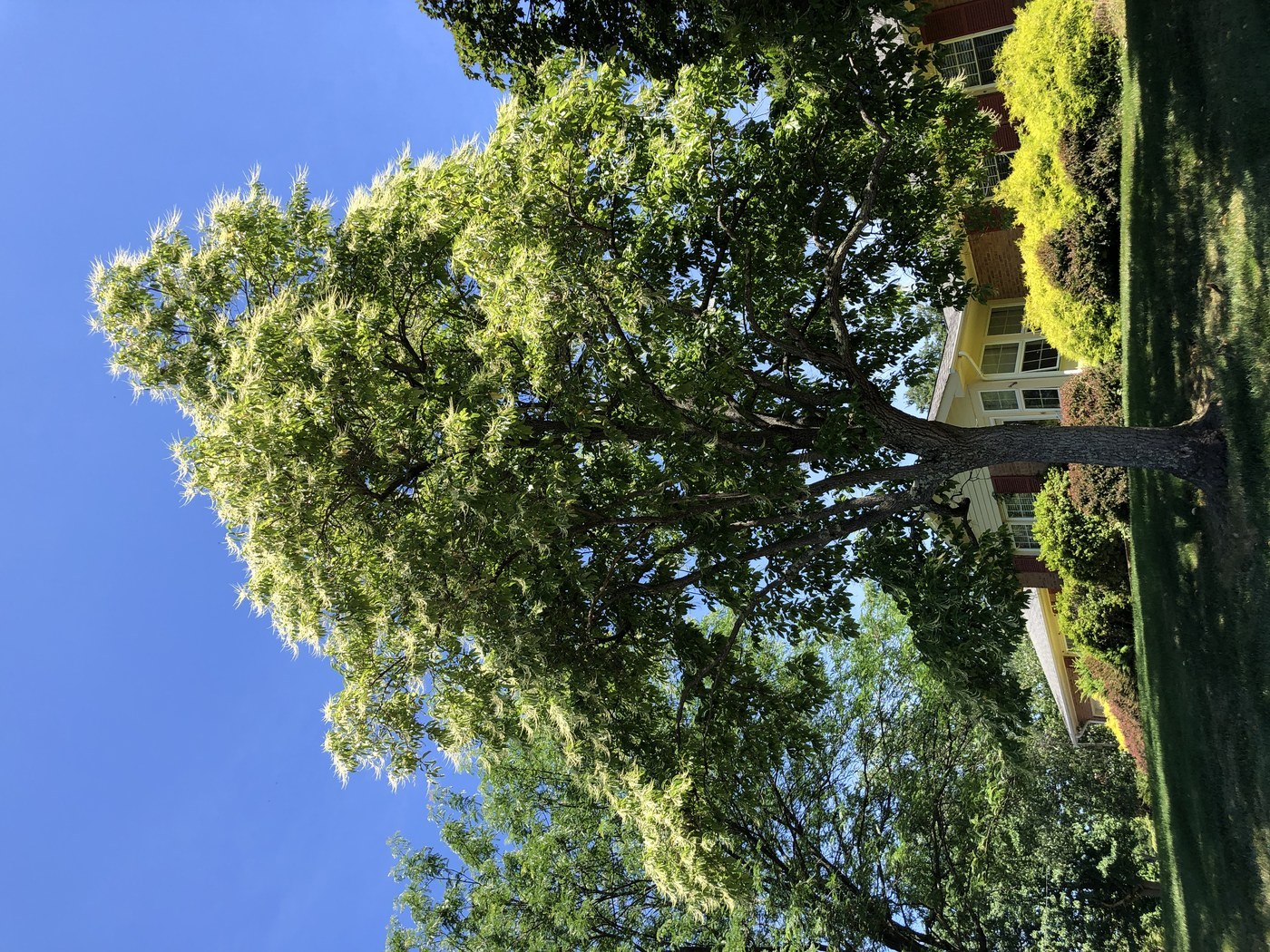
Sourwood (Oxydendrum arboreum) is a refined, slow-growing native tree celebrated for its cascading sprays of small white summer flowers and its spectacular early scarlet-crimson fall foliage. Its graceful, slightly irregular form and multi-season interest make it a choice ornamental specimen for lawns and woodland edges.
Light
Sourwood grows in full sun to part shade. It produces the most abundant flowering and the deepest, most brilliant fall color in full sun, while in shade it flowers less and takes on a looser, more open habit. A spot with morning sun and some afternoon protection suits it well in hot regions.
Water
Provide consistent moisture, roughly weekly during the growing season and more often in heat or drought, especially while young. Sourwood likes evenly moist but well-drained soil and does not tolerate prolonged drought or waterlogging. A layer of organic mulch over the root zone conserves moisture and keeps roots cool; keep it off the trunk.
Soil & Potting
This tree demands acidic, moist, well-drained soil rich in organic matter, in the pH 5.0-6.5 range. It grows poorly in alkaline, compacted, or heavy wet clay and resents disturbance. Amend planting areas with compost or leaf mold and avoid sites where lime or concrete raise the pH.
Humidity & Temperature
Sourwood is hardy across a wide temperate range and adapts to normal outdoor humidity. It appreciates the moist, cool root conditions of its native woodland edges. Shelter young trees from harsh, drying winds, and it generally needs no special seasonal protection once established.
Feeding
Feed sparingly. A light application of fertilizer formulated for acid-loving plants in early spring supports steady growth, but sourwood is naturally slow and does not need heavy feeding. Excess fertilizer, particularly high nitrogen, can reduce flowering and produce weak growth. Maintaining acidic, organic-rich soil matters more than frequent feeding.
Propagation
Sourwood is grown from its tiny seed, which needs light to germinate and is best surface-sown on a moist, acidic medium after cold, moist stratification; germination is slow. It is notoriously difficult to propagate from cuttings and transplants poorly once established, so start with young, container-grown stock and site it permanently from the outset.
Repotting / Pruning
Sourwood needs little pruning and has a naturally attractive, sculptural form. Remove only dead, damaged, or crossing branches, and do any shaping in late winter while dormant. Prune minimally, as the tree is slow to recover, and preserve its graceful drooping branch tips. Container-grown young trees should be transplanted to their final location early, since mature trees dislike being moved.
Common Problems & Pests
Sourwood is relatively trouble-free but can suffer leaf spots, twig blight, and occasional webworms; good air circulation and cleanup of fallen leaves reduce fungal issues. The most common problems are cultural: chlorosis (yellowing between veins) from alkaline soil, and stress from drought, poor drainage, or root disturbance. Keep soil acidic, moist, and undisturbed for a healthy tree.
Seasonal Care Tips
Plant in spring from container stock and water faithfully through the first few summers. Enjoy the drooping flower panicles in summer and the fiery early fall color that arrives ahead of most trees. Refresh acidic mulch yearly, water deeply in dry spells, and do any light pruning during winter dormancy.
Frequently asked questions
Why does my sourwood have poor fall color or few flowers?
Usually too much shade. Sourwood flowers most heavily and colors most brilliantly in full sun. Alkaline soil and drought stress can also dull performance, so keep the soil acidic and evenly moist.
What soil does sourwood need?
Acidic, moist, well-drained soil rich in organic matter, ideally pH 5.0 to 6.5. It struggles in alkaline, compacted, or waterlogged ground, so amend with compost or leaf mold and avoid limey sites.
Is sourwood hard to transplant?
Yes. It resents root disturbance and transplants poorly once established. Start with a young container-grown tree, plant it in its permanent spot, and avoid moving it later.
How much should I prune sourwood?
Very little. It has a naturally graceful form and grows slowly. Remove only dead, damaged, or crossing branches during winter dormancy, and preserve the drooping branch tips.