
How to Care for Sweetgum
Grow Sweetgum (Liquidambar styraciflua), a fast large shade tree with star-shaped leaves and brilliant fall color, in full sun.
Read the full Sweetgum encyclopedia entry →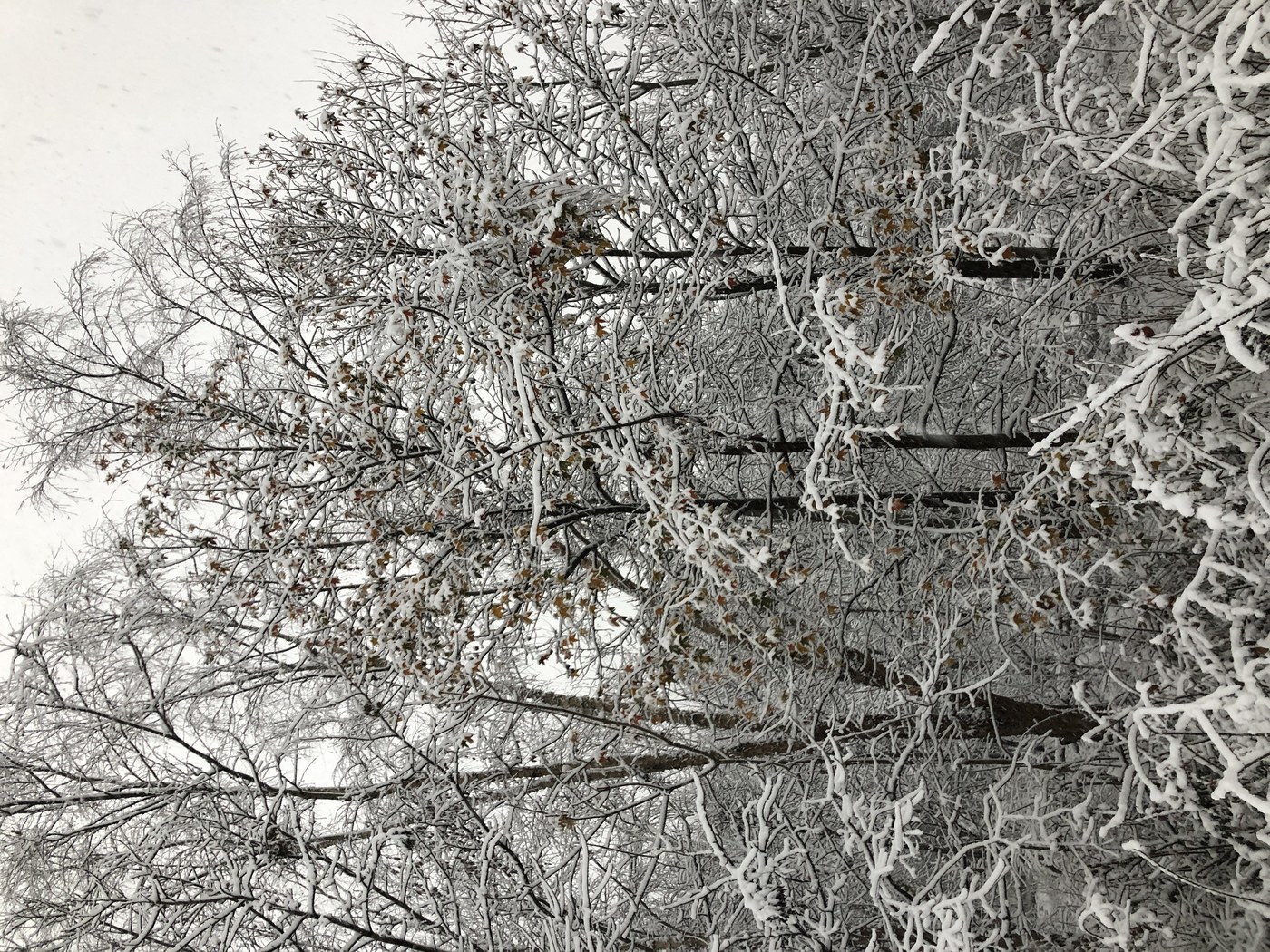
Sweetgum (Liquidambar styraciflua) is a large, fast-growing deciduous shade tree famous for its glossy, star-shaped leaves that turn brilliant shades of yellow, orange, red, and purple in autumn. Given room to grow, it makes a stately specimen or shade tree with a straight trunk and pyramidal-to-rounded crown.
Light
Plant in full sun for the strongest growth, densest canopy, and most vivid fall color. It tolerates light shade but becomes sparse and colors less intensely. Give it an open site where it can develop its full form.
Water
Sweetgum prefers moderate, regular moisture and notably tolerates wet, poorly drained soils that many trees dislike, making it a good choice for low or seasonally soggy spots. Water young trees deeply and regularly to establish them; mature trees are moderately drought-tolerant but grow and color best with consistent moisture.
Soil & Potting
Thrives in deep, rich, moist, slightly acidic soils and naturally grows in bottomlands. It adapts to clay and tolerates occasional flooding. Highly alkaline soils can cause chlorosis (yellowing between leaf veins). Give it ample room, as the roots are extensive and can lift pavement if planted too close to hardscape.
Humidity & Temperature
Hardy in roughly USDA zones 5 to 9, it handles hot, humid summers and cold winters well. Fall color is richest where warm days are followed by cool autumn nights. Late spring frosts can occasionally nip new growth.
Feeding
Established sweetgums in decent soil need little feeding. Fertilize young trees lightly in early spring with a balanced tree fertilizer to speed establishment. On alkaline soils, iron chelate or soil-acidifying amendments help correct chlorosis.
Propagation
Propagate from seed collected from the spiny fruit capsules, which benefits from cold stratification before sowing. Selected cultivars are propagated by softwood cuttings, grafting, or budding to preserve traits such as improved fall color or reduced fruiting.
Repotting / Pruning
Prune in late winter while dormant to establish a strong central leader and good branch structure and to remove dead, crossing, or damaged limbs. Mature trees need little pruning. The spiny gumball fruit drops in fall and winter and can litter walkways; fruitless or low-fruiting cultivars avoid this if litter is a concern.
Common Problems & Pests
Sweetgum is generally sturdy. Iron chlorosis on alkaline soil is the most common issue. Occasional pests include bagworms, webworms, borers, and scale, and it can develop leaf spots, bleeding canker, or, in some regions, a decline condition. The abundant spiny seed capsules are the most frequent complaint, littering lawns and paths.
Seasonal Care Tips
Water young trees through their first summers. Enjoy the standout fall color, then rake or clean up dropped leaves and spiny gumballs in late fall and winter. Prune during dormancy in late winter, and feed lightly in early spring to support vigorous new growth.
Frequently asked questions
How big does a Sweetgum tree get?
Sweetgum is a large, fast-growing shade tree that commonly reaches 60 to 75 feet tall with a broad crown. Give it plenty of open space away from buildings, walkways, and pavement.
How do I deal with the spiny gumball fruit?
The spiny seed capsules drop in fall and winter and can be raked up. If litter is a concern, choose a fruitless or low-fruiting cultivar, which produces few or no gumballs.
Why are my Sweetgum's leaves yellowing between the veins?
That is usually iron chlorosis from alkaline soil. Sweetgum prefers slightly acidic ground. Apply iron chelate and soil-acidifying amendments, and avoid planting in high-pH sites.
Can Sweetgum grow in wet soil?
Yes. It naturally grows in bottomlands and tolerates wet, poorly drained, and occasionally flooded soils better than most shade trees, making it useful for low, damp areas.