
How to Care for Angelica
Growing guide for angelica (Angelica archangelica), a stately biennial with bold foliage and dramatic greenish flower umbels.
Read the full Angelica encyclopedia entry →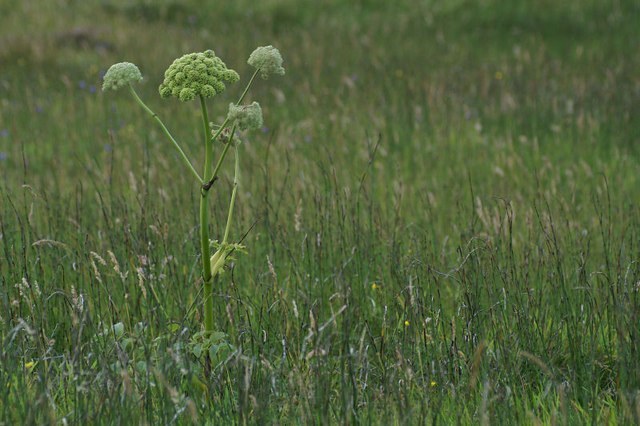
Angelica (Angelica archangelica) is a striking, architectural biennial (sometimes short-lived perennial) that builds a mound of large, divided leaves in its first year and, in its second, sends up a towering hollow stem topped with big, rounded, greenish flower umbels. Its bold structure makes it a dramatic accent in shady, moist borders.
Light
Angelica grows well in part shade to full sun. In cool, moist climates it happily takes full sun, but where summers are hot it strongly prefers dappled or partial shade to keep the large leaves from scorching and to prevent premature flowering. A woodland-edge position with morning sun and afternoon shade is ideal.
Water
Water regularly and keep the soil moist at all times. Angelica is a moisture lover that resents drying out; its big leaves wilt fast in dry soil and the plant declines under drought stress. It thrives near ponds, streams, and in damp low spots. Consistent moisture is one of the keys to growing it well.
Soil & Potting
Give it deep, rich, moisture-retentive soil high in organic matter, ideally slightly acidic. A cool, humus-rich woodland-type soil suits it best. Because it forms a substantial taproot and large crown, it dislikes being disturbed once established and is best grown in the ground; if potted, use a deep, large container with rich, moist mix.
Humidity & Temperature
Angelica is cold-hardy and actually needs a cold period to trigger flowering in its second year. It favors cool, temperate conditions and moderate-to-high humidity, and it struggles in prolonged heat and dry air. In hot climates, shade and steady moisture help it cope. It withers back after setting seed at the end of its life cycle.
Feeding
In rich soil, angelica needs little feeding. Work plenty of compost or well-rotted organic matter into the bed at planting, and top-dress with compost in spring. A light application of balanced fertilizer early in the season supports the plant's large size, but avoid heavy feeding.
Propagation
Angelica is grown from seed, which is best sown fresh in late summer or autumn because viability drops quickly with age. The seed benefits from light and often a period of cold to germinate, so surface-sow and expose it to winter chill. Seedlings resent transplanting once they have a taproot, so sow where plants are to grow or move them while very young. Well-grown plants self-sow readily.
Repotting / Pruning
Because of its taproot, angelica does not like repotting or moving, so site it carefully from the start. To prolong the plant's life beyond its natural biennial cycle, remove the flowering stalk before it sets seed; this can push it to persist another year. If you want self-sown seedlings instead, leave the seed heads to ripen and scatter. Remove tattered leaves as needed.
Common Problems & Pests
Angelica is generally sturdy. Aphids can gather on the soft new growth and flower stems, and slugs and snails may chew young seedlings and tender leaves; hand-pick or use barriers. Leaf spots and crown rot appear mainly in stagnant, waterlogged conditions, so keep the soil moist but not swampy and allow airflow. Its short lifespan is natural, not a disease, the plant dies after flowering and seeding.
Seasonal Care Tips
Sow fresh seed in late summer or autumn and let it chill over winter. In the first year, focus on building a strong leafy rosette with moist soil and light shade. In the second spring, the dramatic flower stalk emerges; remove it early to extend the plant's life, or let it seed for replacements. Mulch in summer to keep roots cool and moist, and expect natural die-back after seeding.
Frequently asked questions
Is angelica a perennial or biennial?
It is usually a biennial, and sometimes a short-lived perennial. It forms a leafy rosette the first year, sends up its tall flower stalk the second year, and then naturally dies back after setting seed.
How do I grow angelica from seed?
Sow fresh seed in late summer or autumn, since viability drops quickly with age. Surface-sow it for light and let it chill over winter. Sow where plants are to grow, because the taproot resents transplanting.
Why is my angelica wilting?
Almost always dry soil. Angelica is a moisture lover with large leaves that wilt fast when the ground dries out. Keep the soil consistently moist and give it shade in hot weather.
Can I make angelica live longer than two years?
Sometimes. Cutting off the flowering stalk before it sets seed can push the plant to persist another season instead of completing its biennial cycle and dying back.