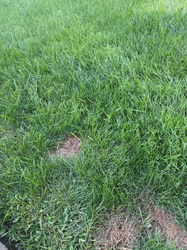
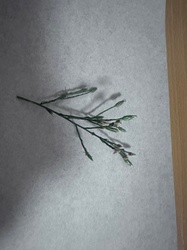
How to Care for Annual Bluegrass
Annual bluegrass (Poa annua) is a fine-textured cool-season grass that thrives in moist, fertile soil and cool weather.
Read the full Annual Bluegrass encyclopedia entry →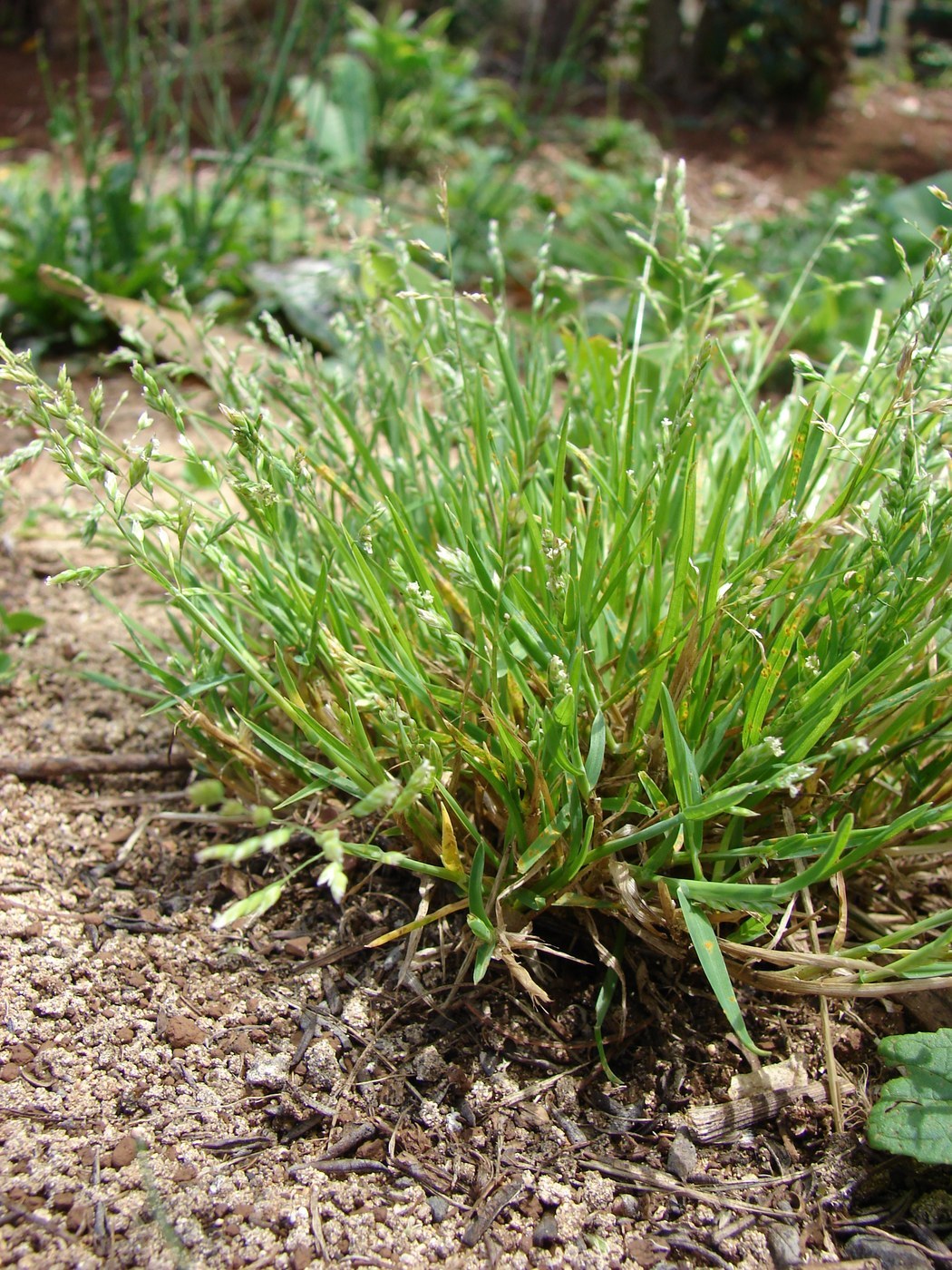
Annual bluegrass (Poa annua) is a low-growing, fine-textured cool-season grass with bright light-green blades and distinctive whitish seed heads. Quick to germinate and adaptable, it establishes fast in cool, moist conditions.
Light
Annual bluegrass grows in full sun to part shade, making it one of the more shade-tolerant cool-season grasses. It performs well in the dappled or partial shade where many other turf grasses thin out, though full sun gives the densest growth in cool weather.
Water
This grass prefers consistently moist soil and has shallow roots, so it dislikes drought. Keep the soil damp, especially during germination and active spring growth. In hot, dry conditions it browns and declines quickly. Frequent light watering suits its shallow root system.
Soil & Potting
Annual bluegrass tolerates a wide range of soils but favors moist, fertile, compacted ground where other grasses struggle. It handles heavy, wet soils better than most turf. A near-neutral to slightly acidic pH is fine. Good fertility keeps the fine blades lush and green.
Humidity & Temperature
A true cool-season grass, it thrives between 50 and 70 F and grows vigorously in the cool, damp weather of spring and fall. It struggles in summer heat and often dies back when temperatures climb, completing its life cycle as a winter annual in many climates.
Feeding
Light, regular feeding keeps annual bluegrass green and dense. A balanced turf fertilizer applied during cool growing periods supports its fast growth. Because it grows and seeds quickly, it responds readily to nitrogen, though heavy feeding also speeds prolific seed-head production.
Propagation
Annual bluegrass reproduces almost entirely by its abundant seed, which it sets prolifically even when mowed very low. Seed germinates in cool, moist soil in late summer through fall, and again in spring. It self-sows freely and spreads readily wherever bare, moist soil is available.
Repotting / Pruning
Grown as turf rather than a potted plant, it tolerates and even thrives under close, frequent mowing, which is why it colonizes lawns and putting greens. Regular mowing keeps it low and dense; note that it produces seed heads even at low mowing heights, giving a slightly speckled look.
Common Problems & Pests
Annual bluegrass is prone to summer collapse from heat and drought stress, and to fungal diseases in wet, warm conditions such as anthracnose and various patch diseases. Its shallow roots make it vulnerable to dry spells. In cool, moist weather with steady care it stays lush and problem-free.
Seasonal Care Tips
Expect the strongest growth and greenest color in spring and fall. Keep soil moist and feed lightly during these cool windows. In summer, provide extra water and, where possible, shade to help it persist through heat. Fresh seed germinates each cool season, so stands renew themselves naturally.
Frequently asked questions
Why does annual bluegrass die back in summer?
It is a cool-season grass with shallow roots that cannot cope with heat and drought. It naturally declines as temperatures rise, then reseeds and returns in the cool of fall.
How does annual bluegrass spread so quickly?
By prolific seeding. It sets abundant seed even under very low mowing, and the seed germinates readily in any cool, moist, bare soil, so it colonizes fast.
What growing conditions does annual bluegrass prefer?
Cool temperatures, consistently moist and fertile soil, and full sun to part shade. It even tolerates compacted, wet ground where other grasses struggle.
Why does it look speckled with pale seed heads?
Annual bluegrass produces whitish seed heads even at low mowing heights, giving a light, speckled appearance. Frequent mowing reduces but rarely eliminates them.
Annual Bluegrass identified by the community
Recent Annual Bluegrass specimens identified with Plant Identifier.