Annual Bluegrass
Poa annua
A low-growing, light-green annual grass that is one of the most widespread lawn and turf weeds in the world. It forms clumps, seeds prolifically even when mowed short, and turns unsightly in summer heat.
- Light
- Full sun to part shade
- Water
- Prefers moist soil
- Difficulty
- Easy
Got a plant like this?
Identify any plant from a photo, free.
Overview
Annual bluegrass (Poa annua) is a cool-season grass and one of the most common weeds of lawns, golf courses and sports turf worldwide. Despite its name, some populations behave as short-lived perennials.
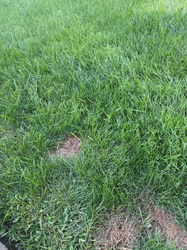
It germinates in cool fall weather, grows through winter and spring, and produces abundant seed even under close mowing, making it extremely persistent. Its lighter color and frequent seed heads make it stand out against desirable turf, and it often dies back in summer heat, leaving bare patches.
How to identify it
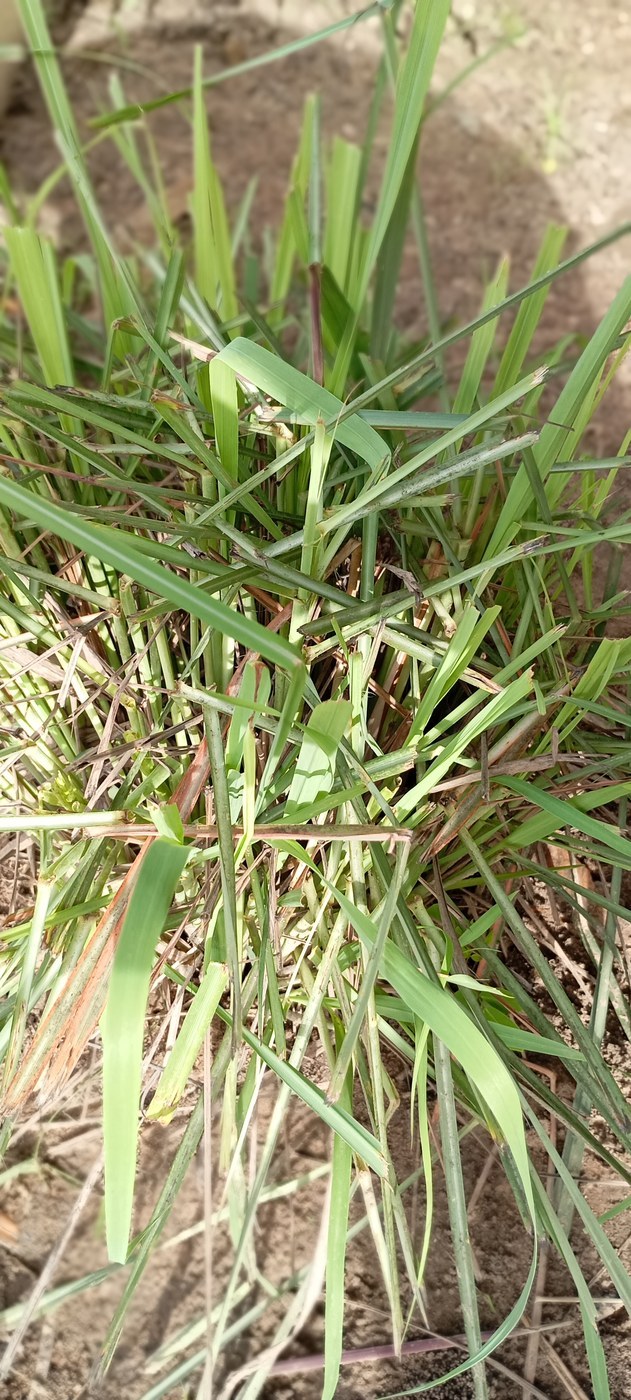
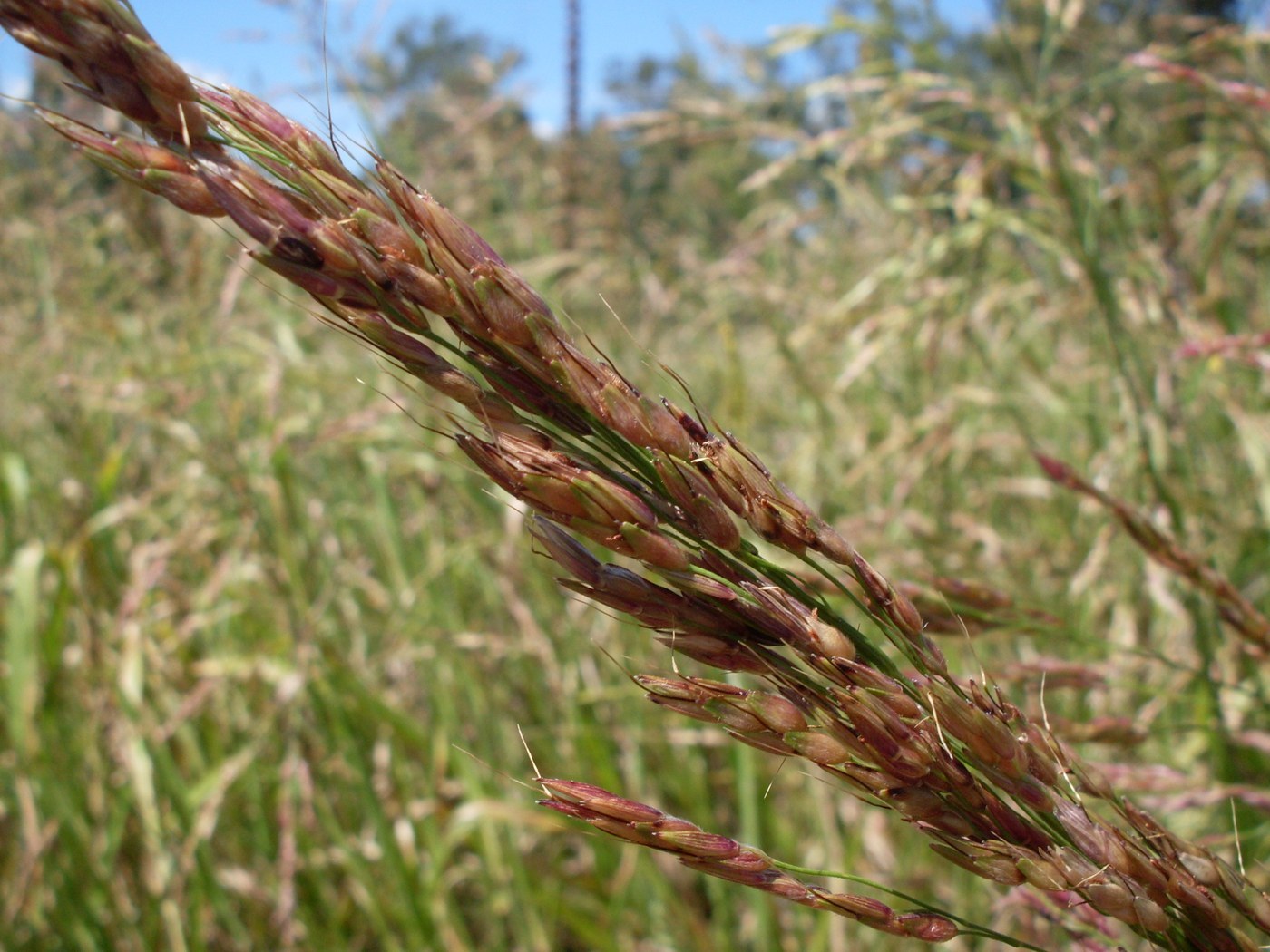
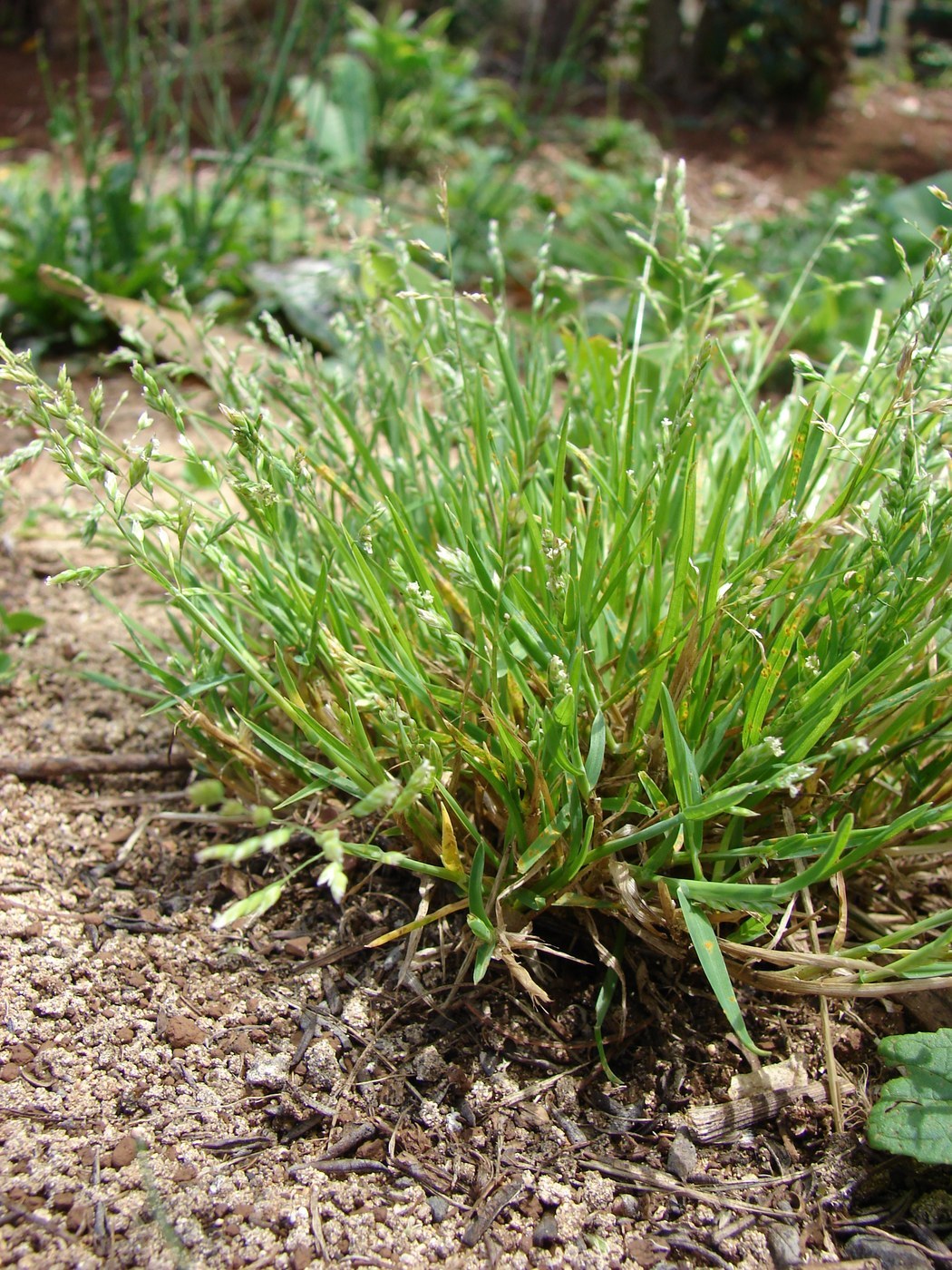
Identify annual bluegrass by its light green color and profuse whitish seed heads, even on short turf.
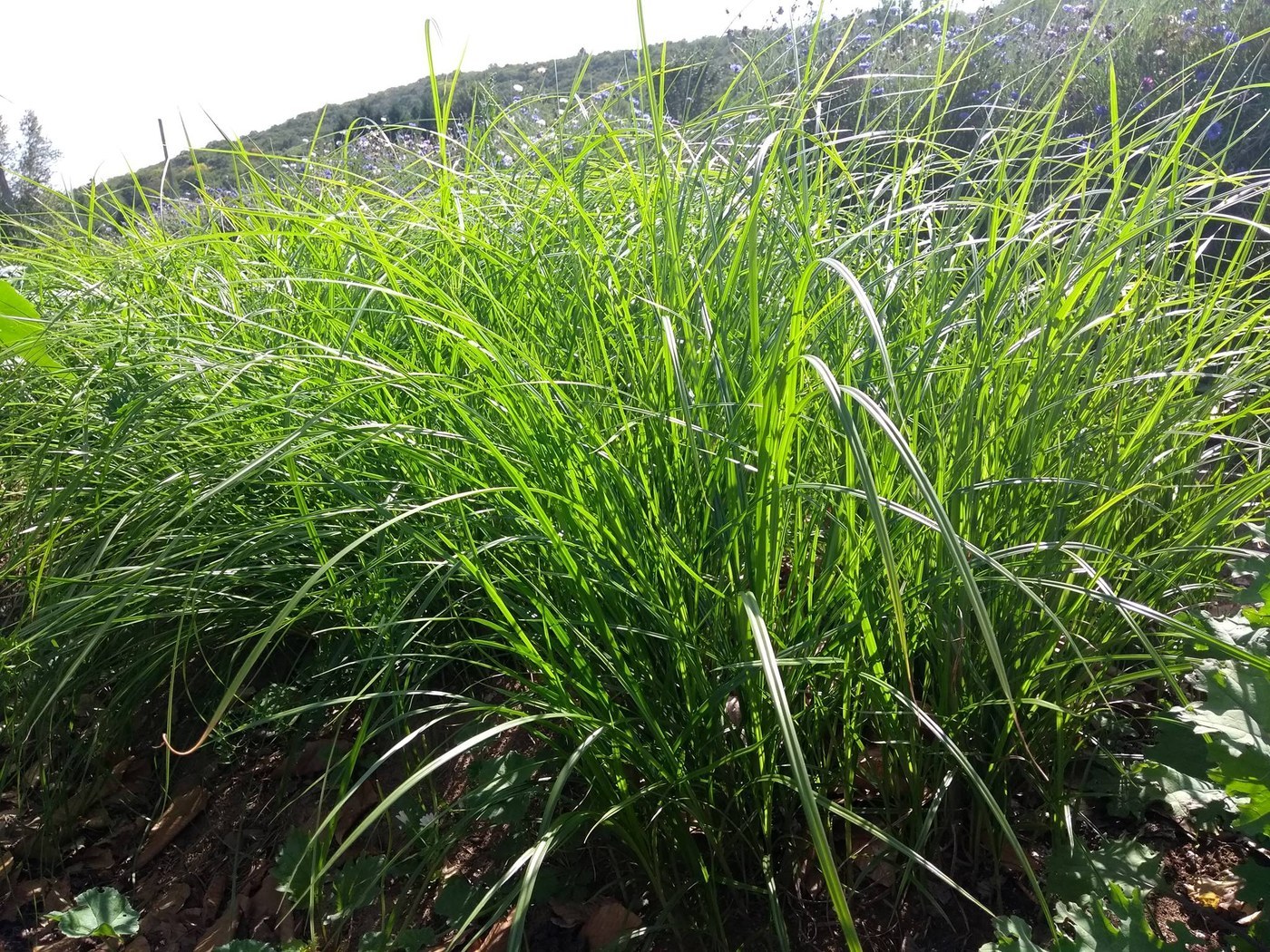
- Low, tufted, clumping cool-season grass
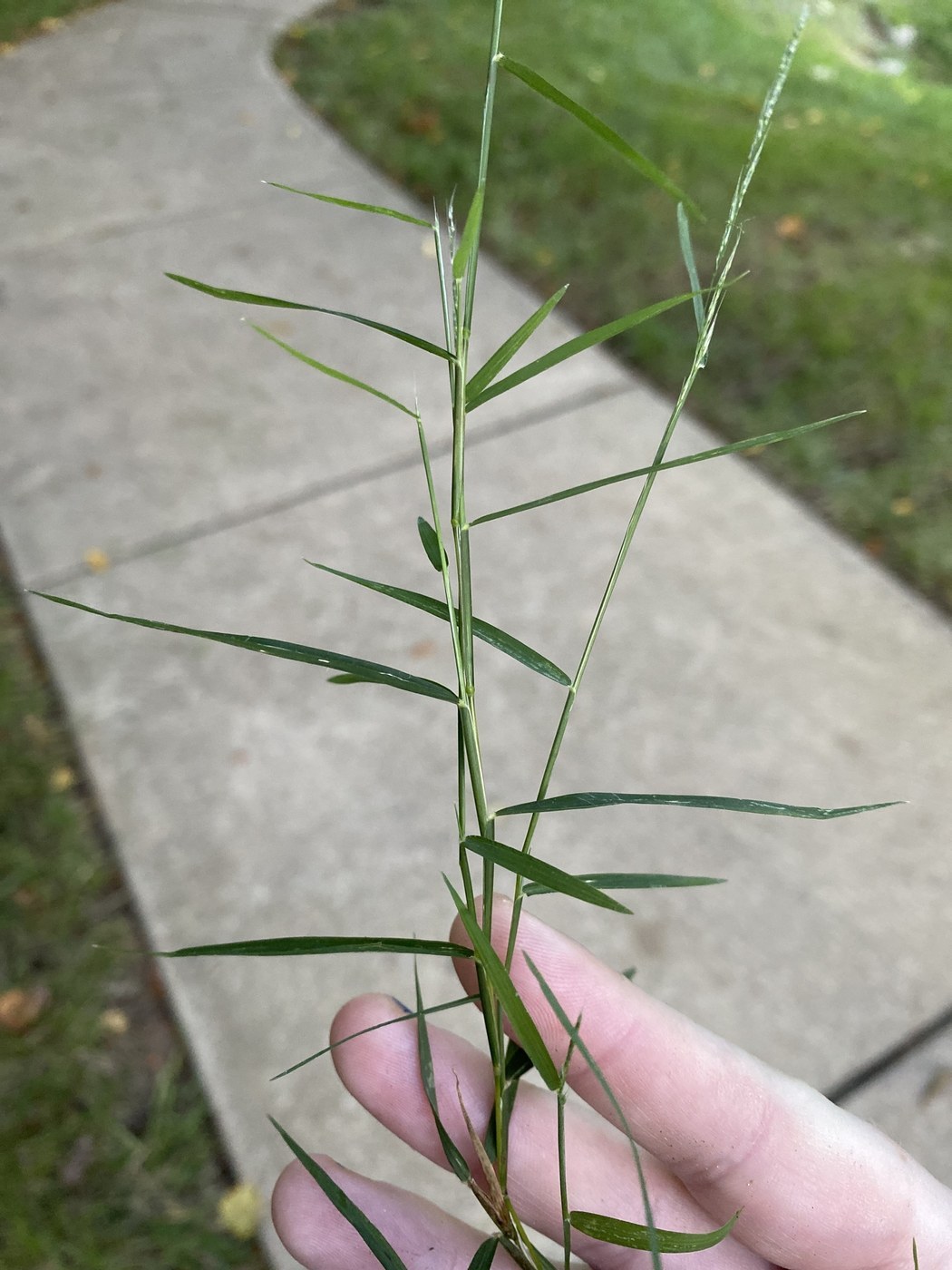
- Soft, light yellow-green leaf blades with a characteristic boat-shaped tip
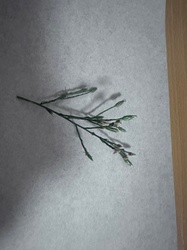
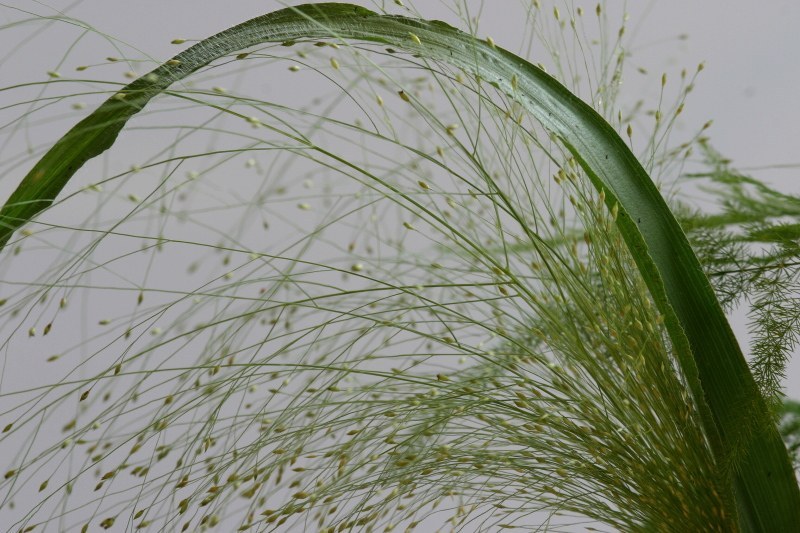
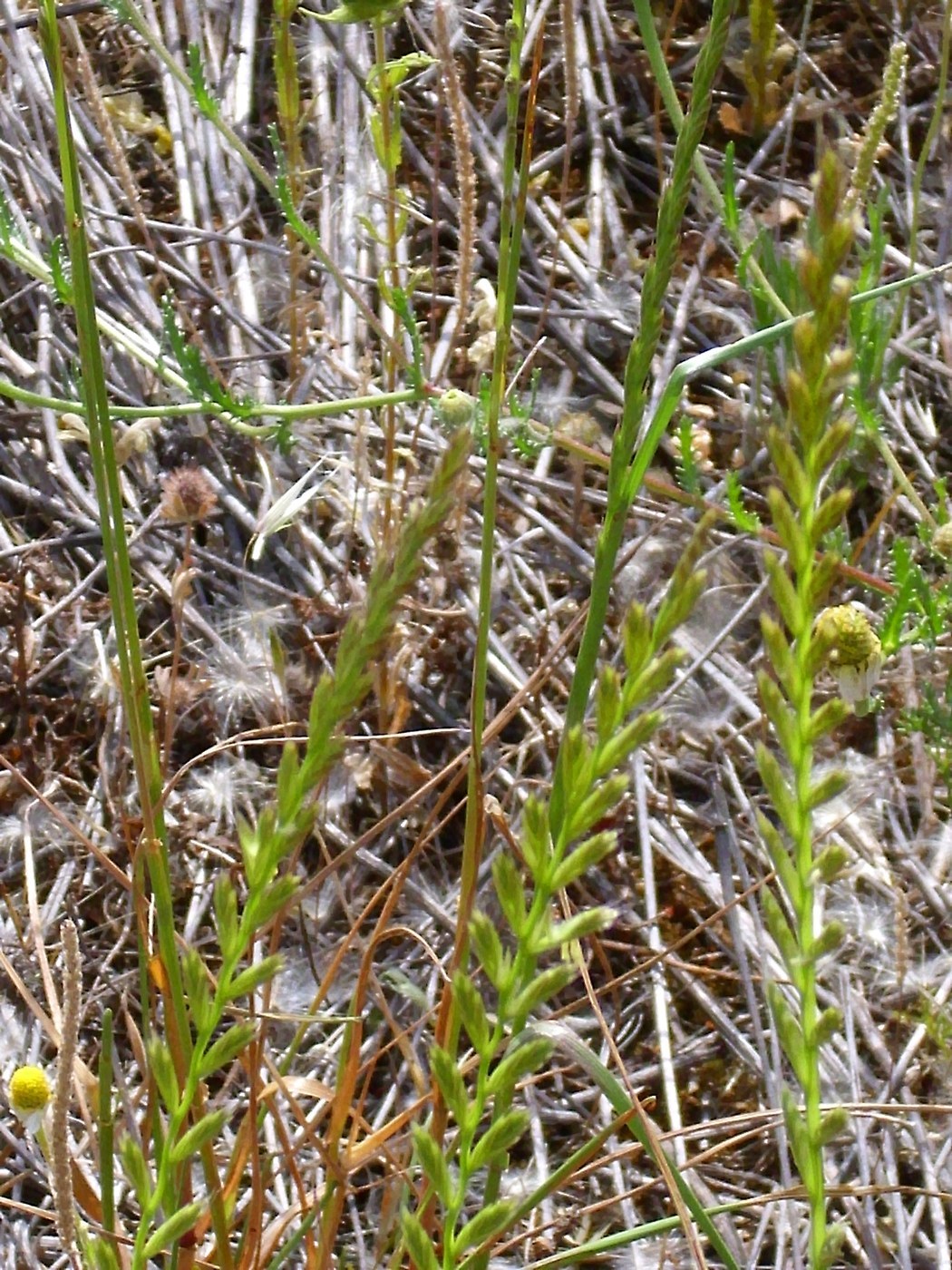
- Numerous small, whitish, branched seed heads (panicles) held just above the foliage
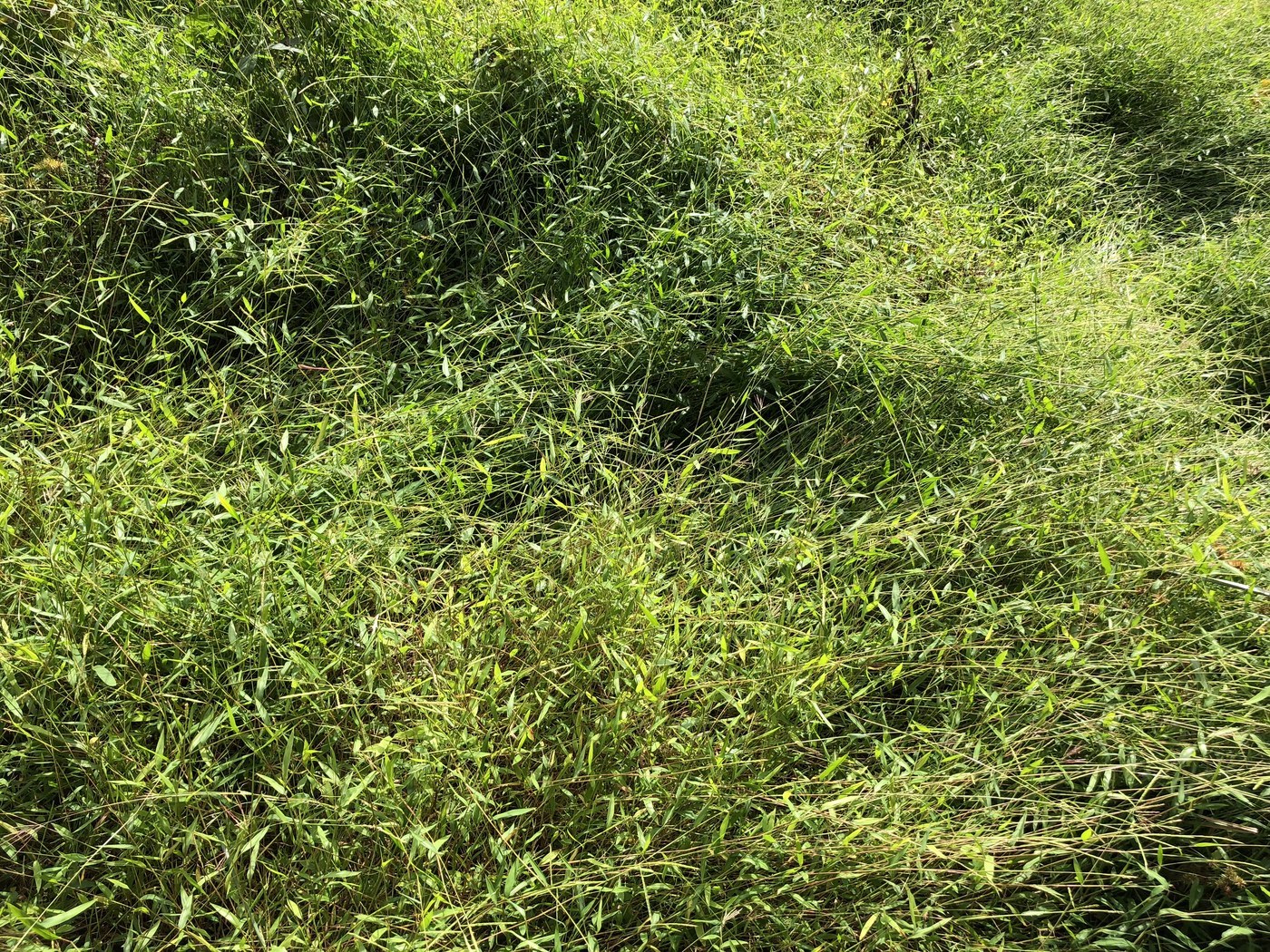
- Often forms dense patches that contrast with darker lawn grasses
- Shallow roots; struggles in summer heat and drought
Care & growing
Annual bluegrass is a turf weed; the information below supports control.
- Light: Full sun to partial shade
- Water: Favors moist, compacted, frequently irrigated soil
- Soil: Tolerates compaction and a wide range of soils
- Temperature: Cool-season; thrives in fall, winter and spring, declines in summer heat
- Propagation: By prolific seed produced almost continuously
- Control: Pre-emergent herbicides in late summer/fall, reducing compaction, avoiding overwatering, and maintaining a thick competitive lawn
Habitat & origin
Annual bluegrass is native to Europe but has spread to virtually every part of the world, including all of North America.
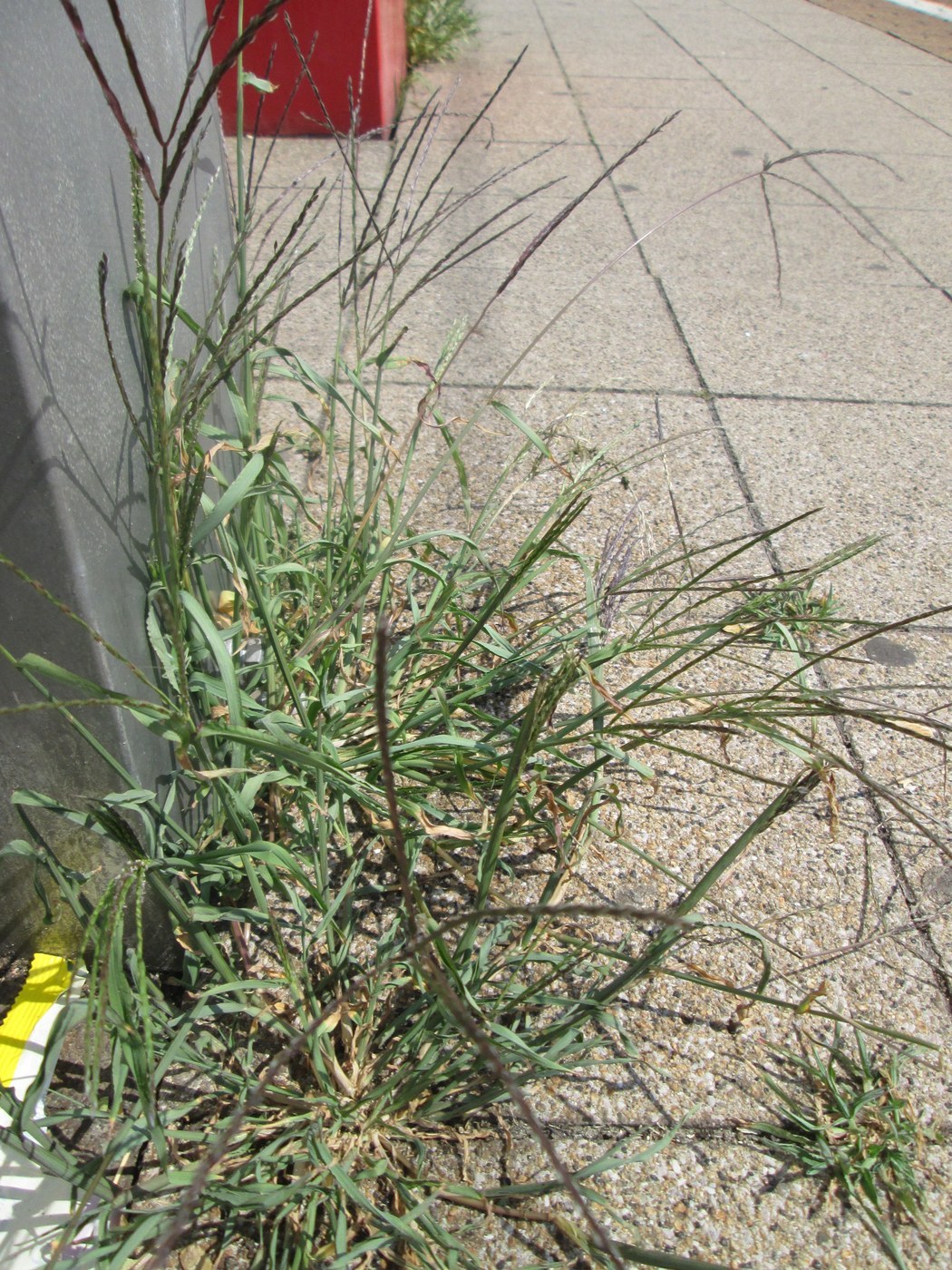
It thrives in moist, compacted, fertile soils and is especially troublesome in closely mowed turf such as golf greens, athletic fields and home lawns. It also colonizes garden beds, paths and disturbed ground.
Frequently asked questions
Why is annual bluegrass so hard to control?
It germinates over a long season and produces huge amounts of seed even when mowed very short, so it constantly reseeds itself. A consistent pre-emergent program over several years is usually needed.
When should I apply pre-emergent for Poa annua?
Apply pre-emergent herbicide in late summer to early fall, before soil temperatures drop and seeds germinate, with a follow-up application as directed for season-long control.
Why does annual bluegrass turn brown in summer?
It is a cool-season annual with shallow roots, so it struggles in heat and drought and often dies back in summer, leaving thin or bare patches in the lawn.
How do I tell annual bluegrass from regular lawn grass?
It is lighter green, grows in clumps, and produces many small whitish seed heads even at low mowing heights, making it stand out against darker, more uniform turf grasses.
Annual Bluegrass guides
In-depth guides for identifying, growing, and caring for Annual Bluegrass.
How to Care for Annual Bluegrass
Annual bluegrass (Poa annua) is a fine-textured cool-season grass that thrives in moist, fertile soil and cool weather.
Annual Bluegrass Identification Guide
Identify annual bluegrass (Poa annua) by its light-green tufts, boat-shaped leaf tips, and profuse whitish seed heads that appear even on closely mown turf.
Annual Bluegrass identified by the community
Real specimens identified with Plant Identifier.