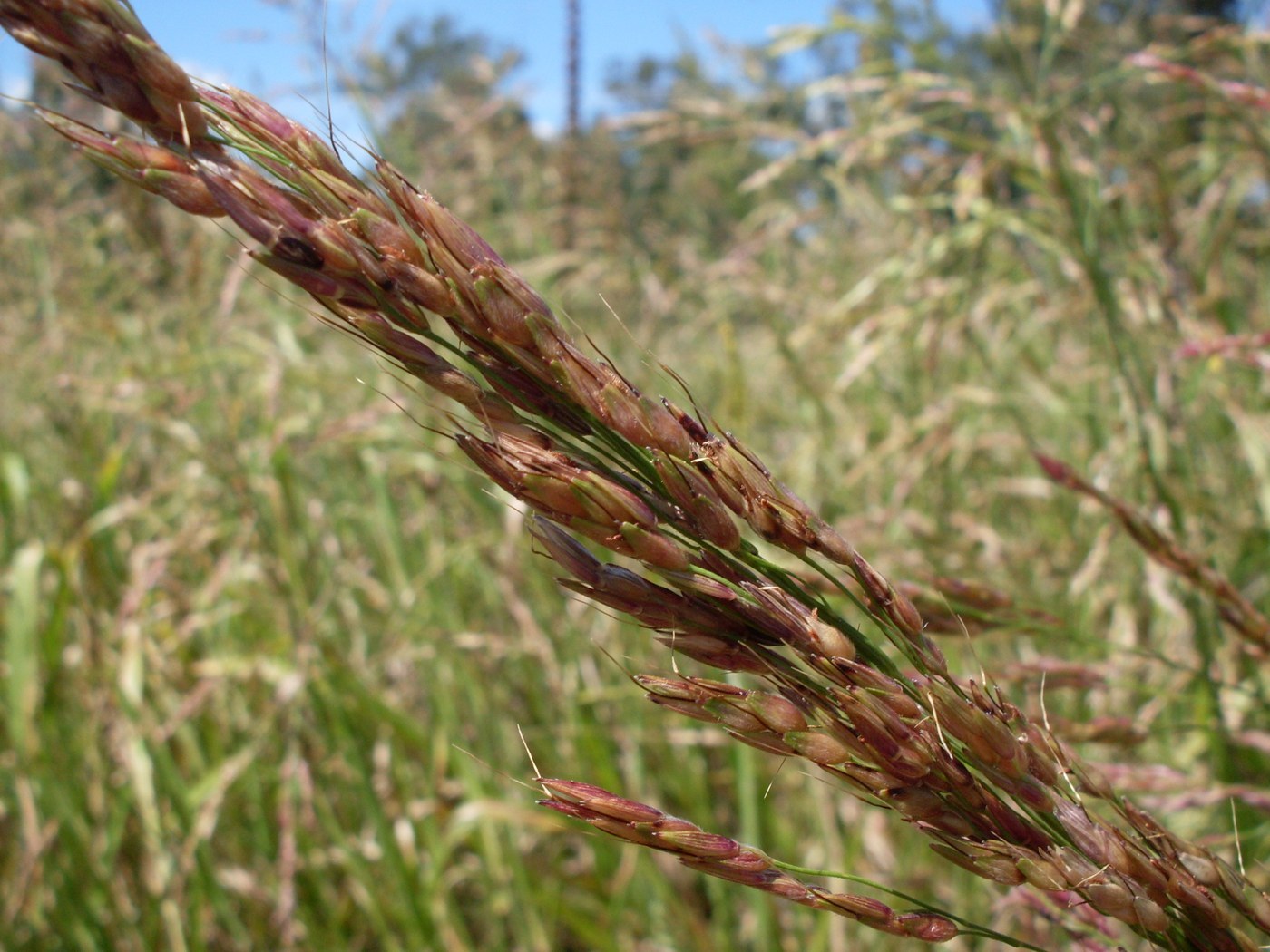
Johnsongrass
Sorghum halepense
Johnsongrass is a tall, aggressive perennial grass spread by both seed and creeping rhizomes; it is a major agricultural weed that is very difficult to eradicate.
- Light
- Full sun
- Water
- Moderate; drought-tolerant once established
- Difficulty
- Easy
Got a plant like this?
Identify any plant from a photo, free.
Overview
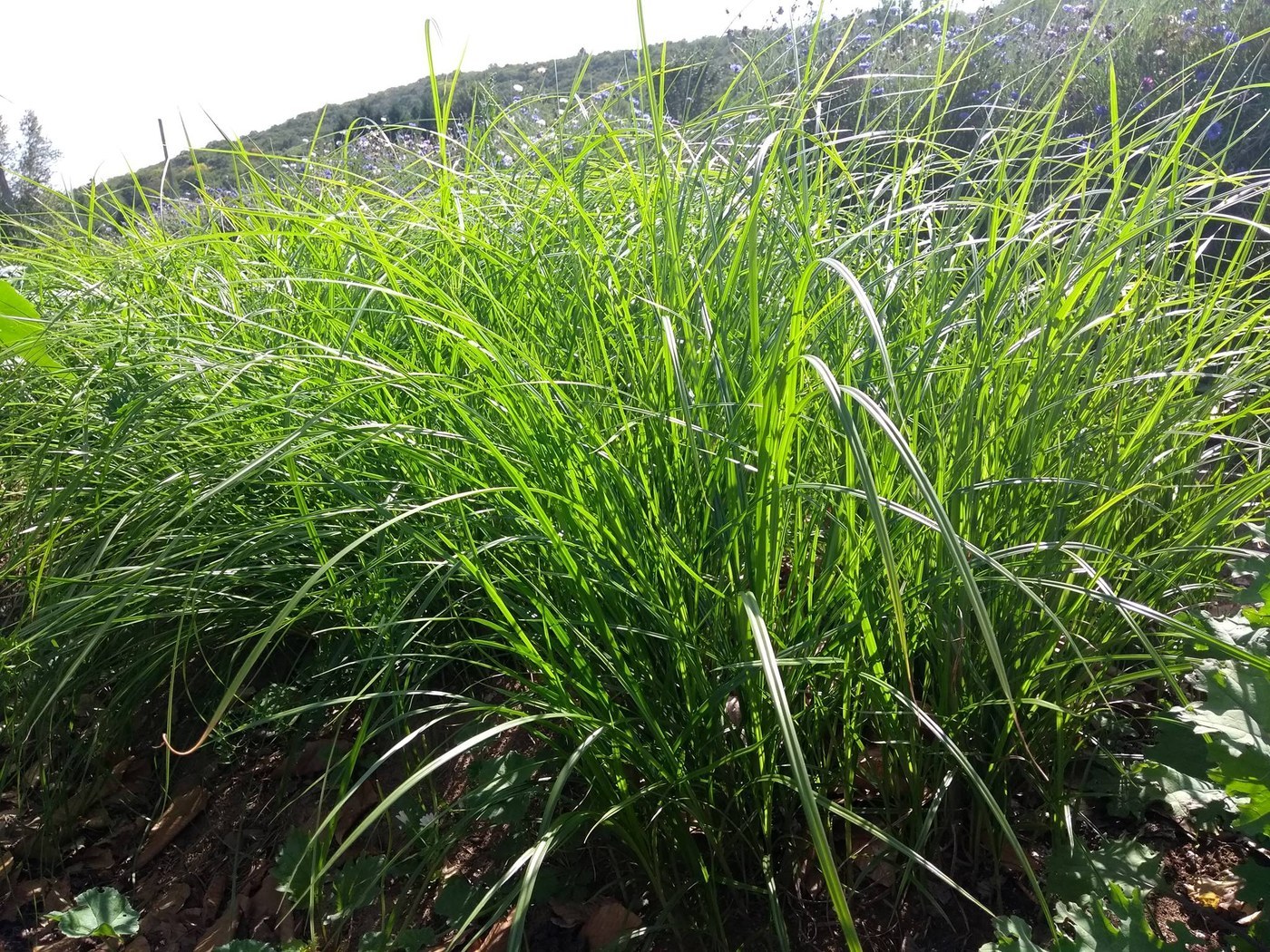
Johnsongrass (Sorghum halepense) is a vigorous warm-season perennial grass native to the Mediterranean region and introduced widely before becoming one of the world's worst weeds. It spreads aggressively by thick underground rhizomes as well as abundant seed.
Its persistence and competitiveness make it extremely difficult to eradicate.
How to identify it
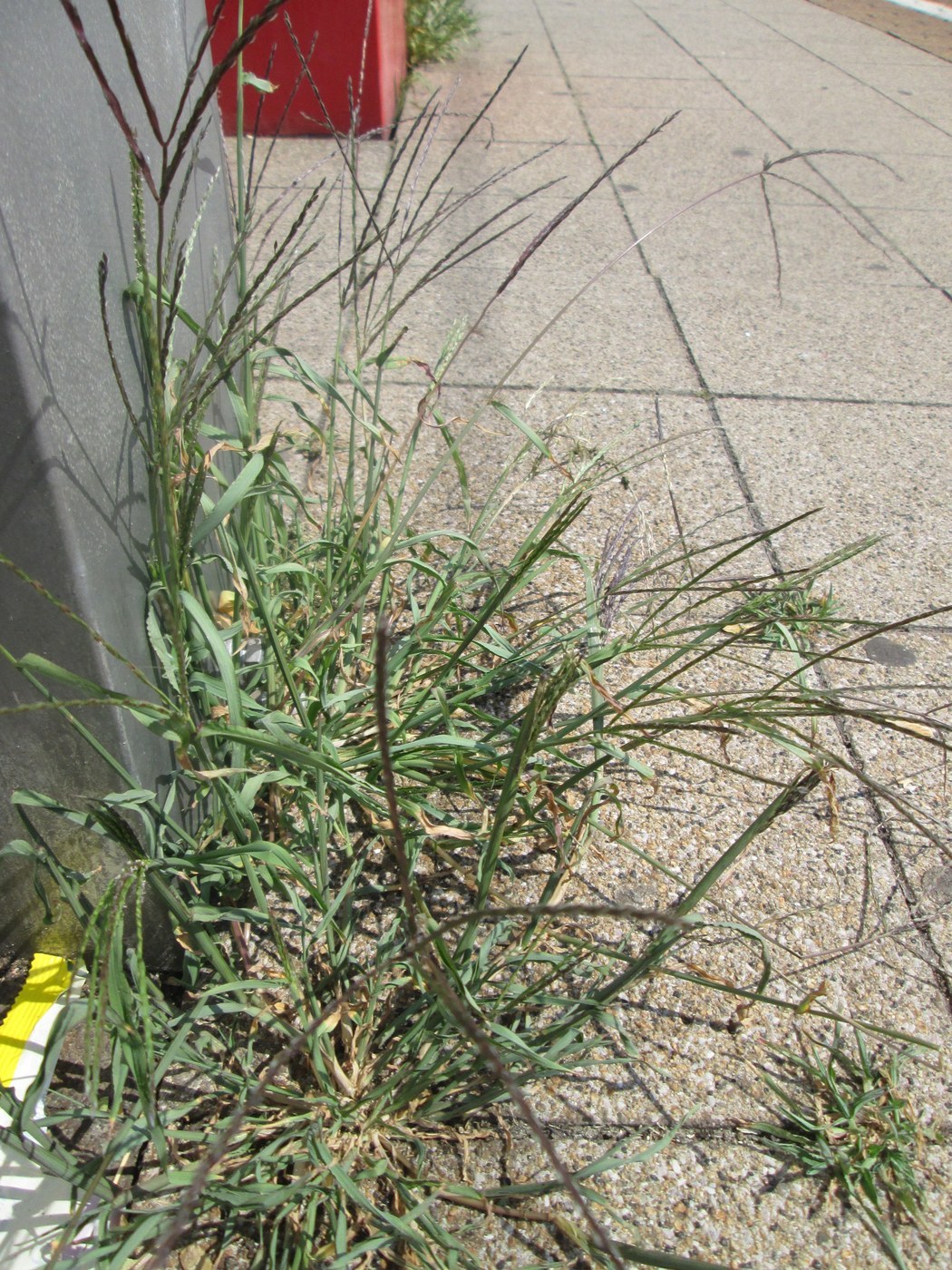
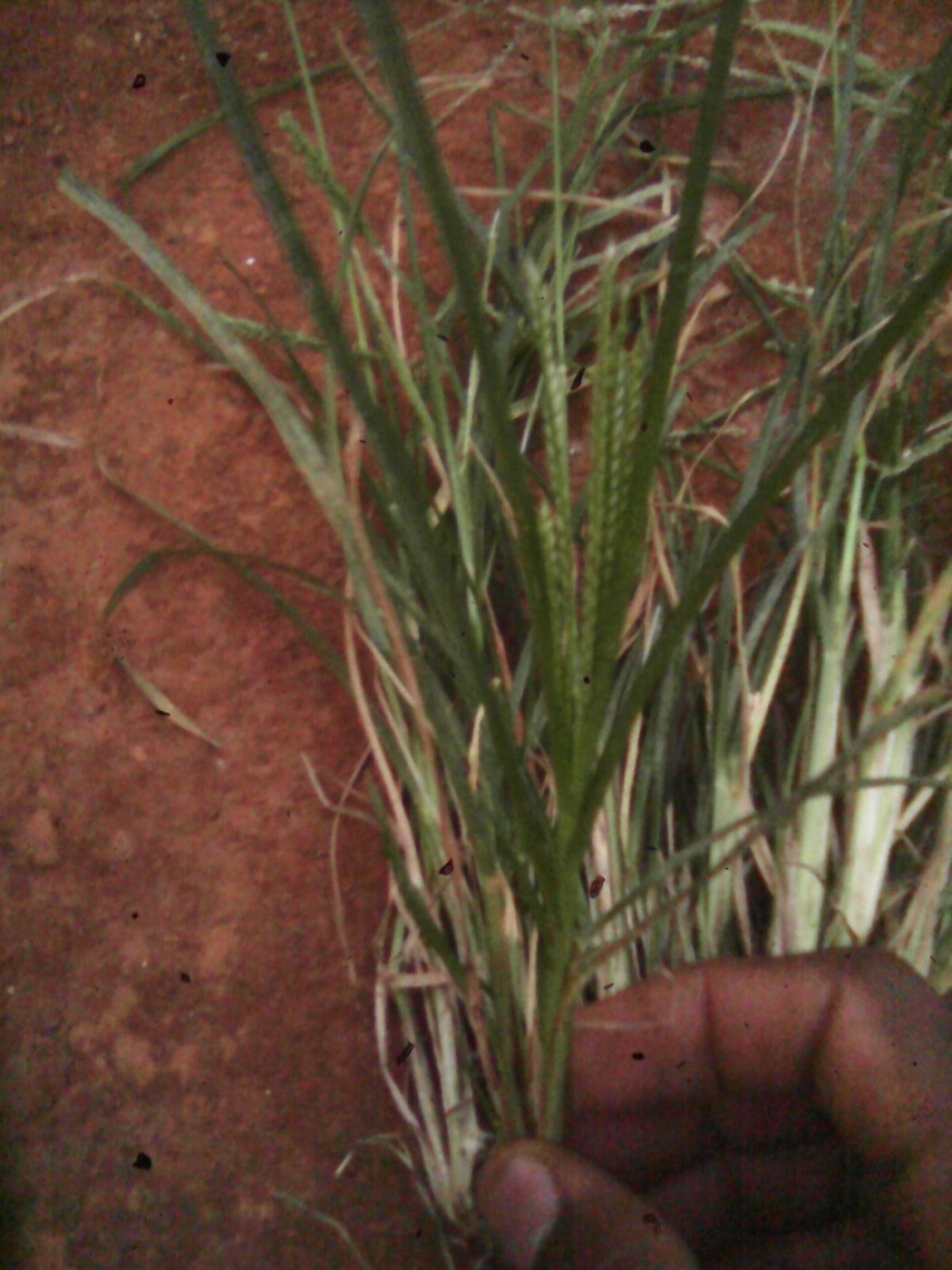
A robust perennial commonly 1–2 m (3–7 ft) tall, sometimes taller.
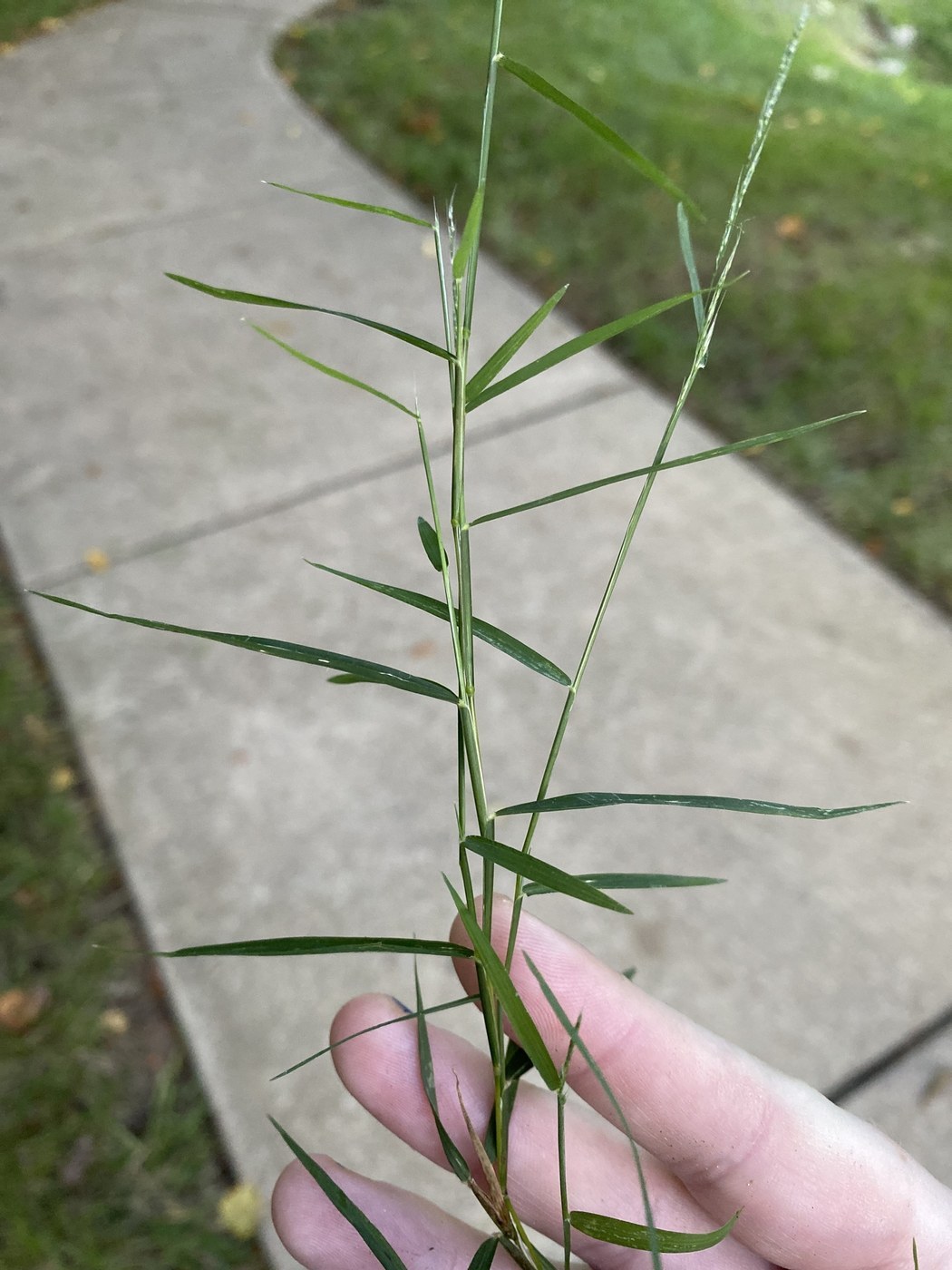
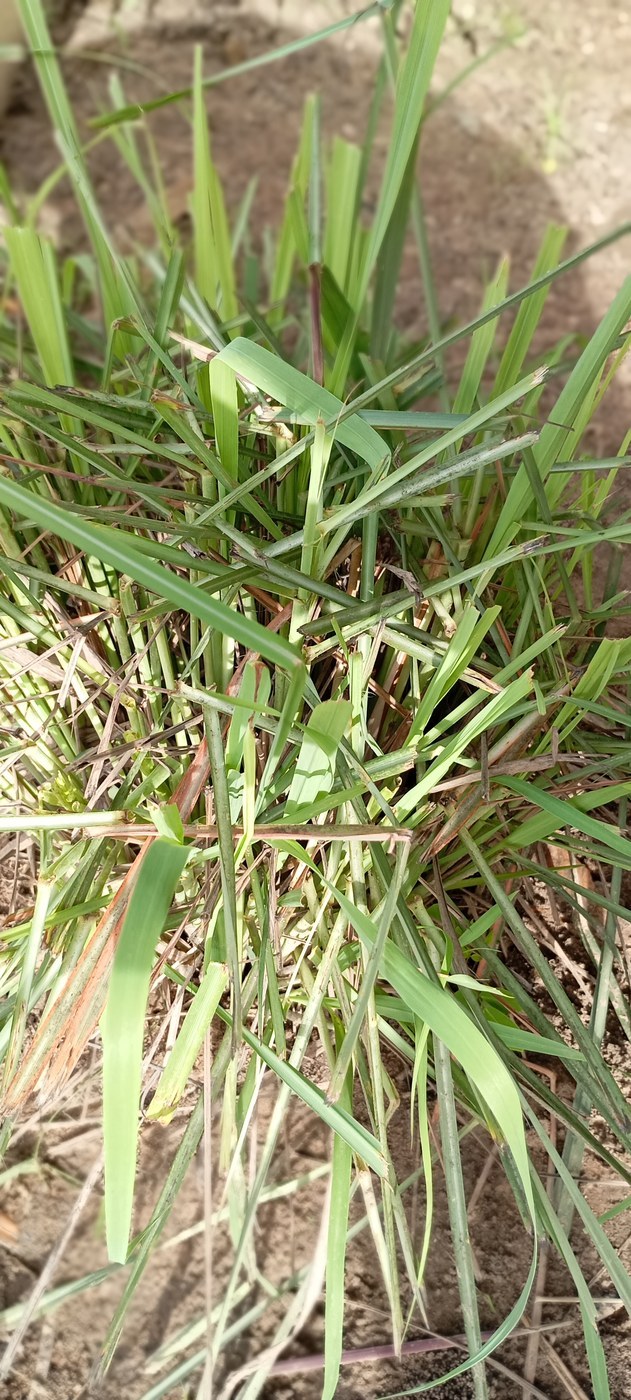
- Leaves: broad blades up to 2 cm wide with a prominent white midrib
- Rhizomes: stout, scaly, creeping underground stems — the key to its persistence
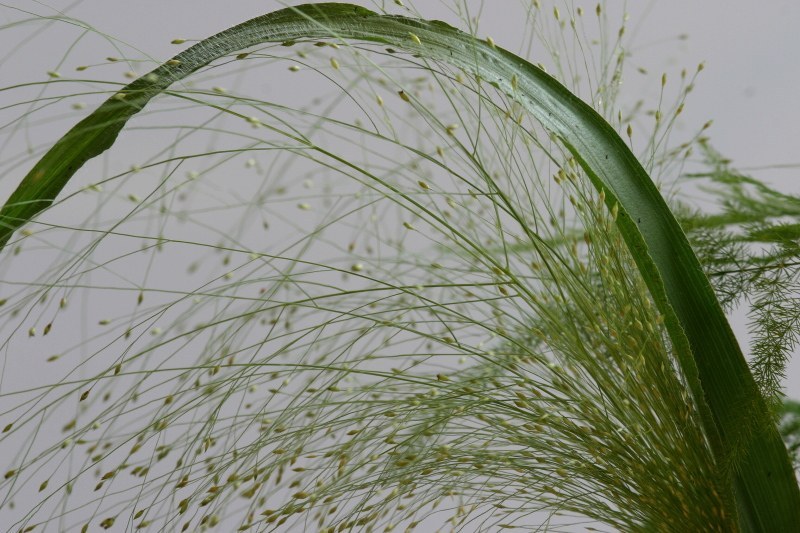
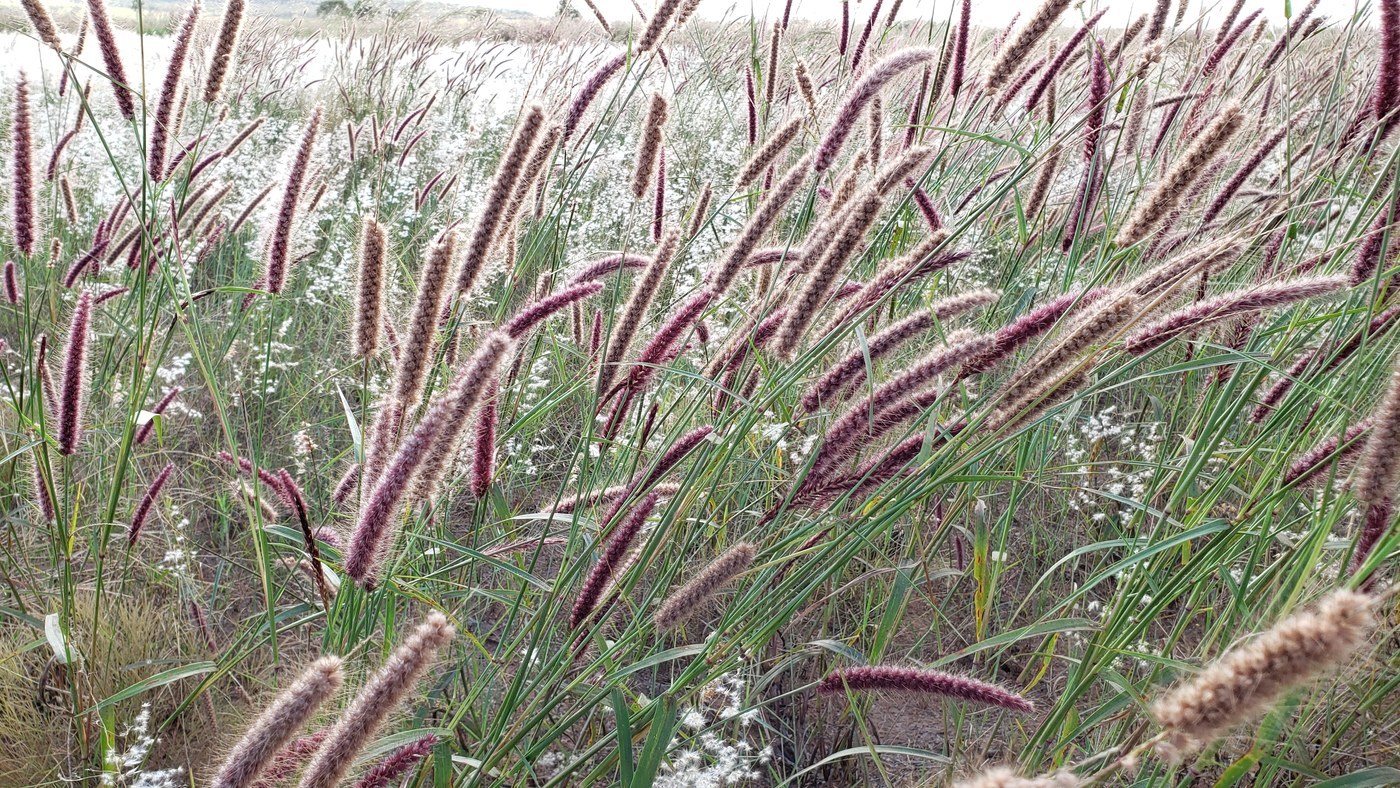
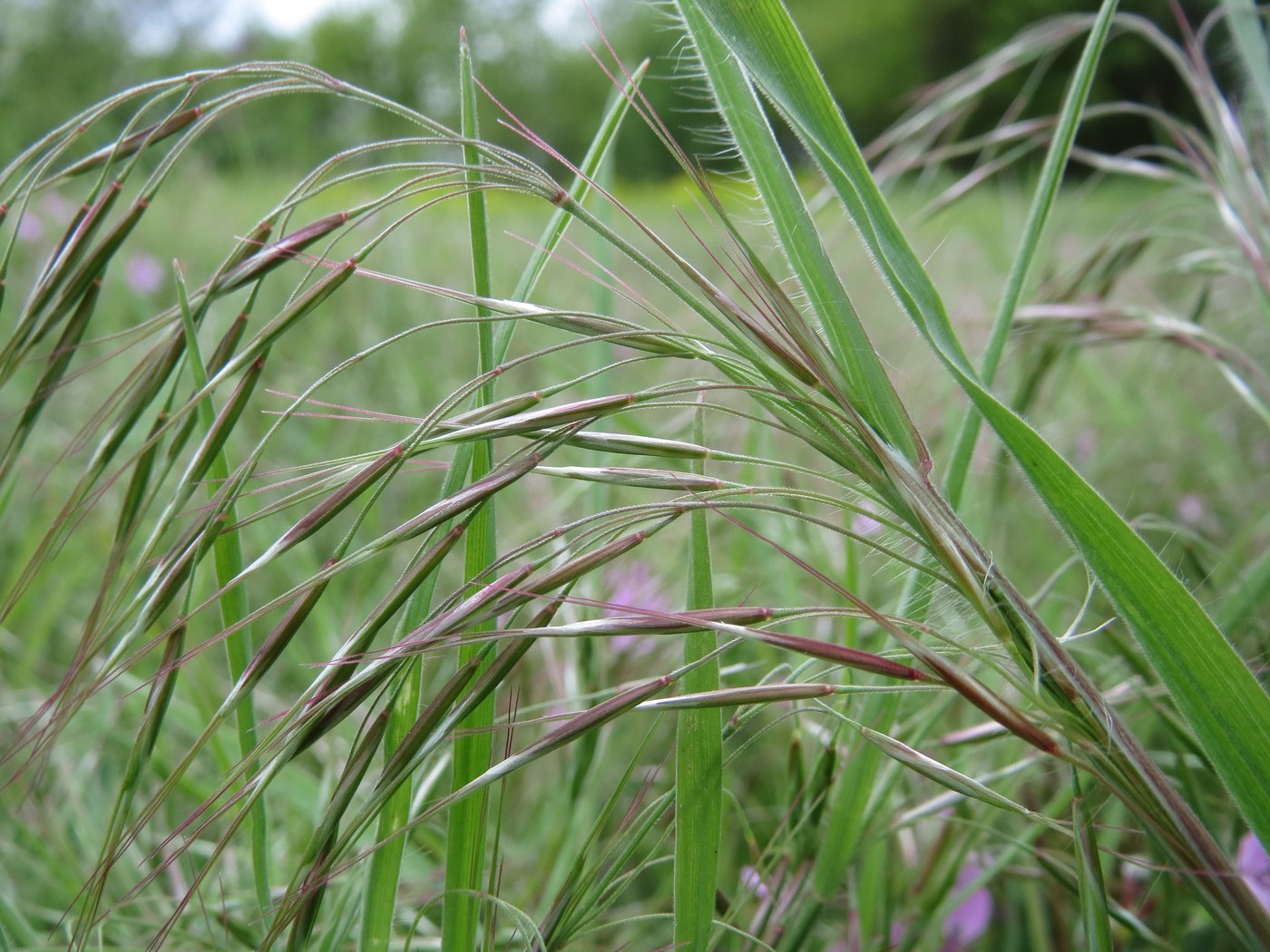
- Seedhead: large, open, purplish to reddish panicle
- Ligule: a conspicuous membranous ligule with a fringe of hairs
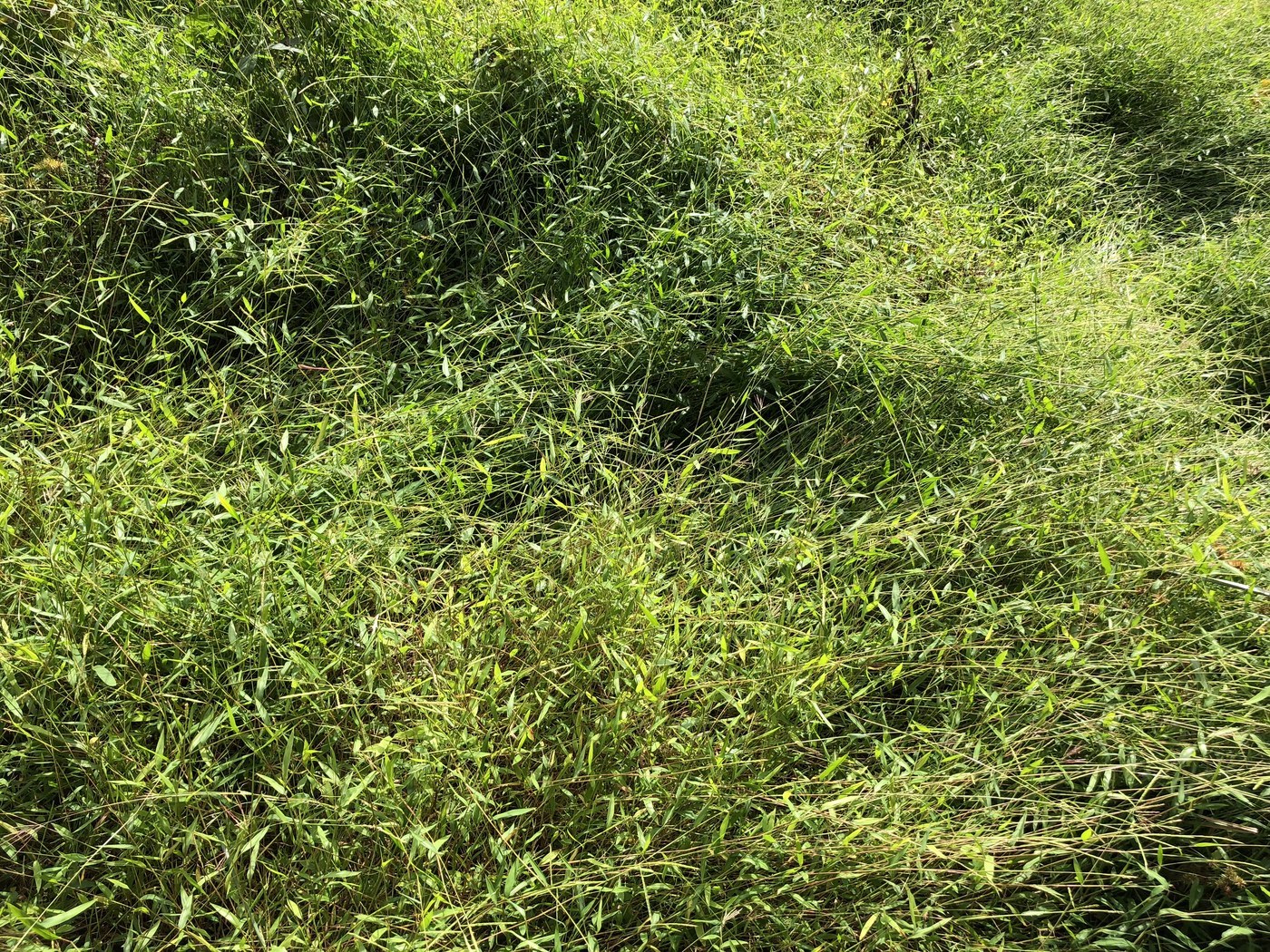
- Habit: forms dense colonies and stands taller than most surrounding vegetation
Care & growing
Not cultivated as an ornamental; usually controlled rather than grown.
- Light: full sun
- Water: tolerant of a wide range, from moist to fairly dry once established
- Soil: prefers rich, moist soils but adapts broadly
- Temperature: warm-season; killed back by frost but regrows from rhizomes
- Propagation: by seed and aggressively by rhizome fragments — even small pieces resprout
Control requires repeated tillage, mowing or herbicide; rhizome fragments easily re-establish the colony.
Habitat & origin
Native to the Mediterranean and the Middle East, Johnsongrass is now naturalized throughout warm-temperate and tropical regions worldwide. It favors fertile, disturbed ground — crop fields, ditches, roadsides, fence lines and riverbanks.
It is a serious weed in cotton, corn, sorghum, soybeans and many other crops across the southern United States and beyond.
Frequently asked questions
How do I get rid of Johnsongrass?
Because it regrows from rhizomes, control demands persistence — repeated mowing, tillage or systemic herbicide; a single missed rhizome fragment can restart the colony.
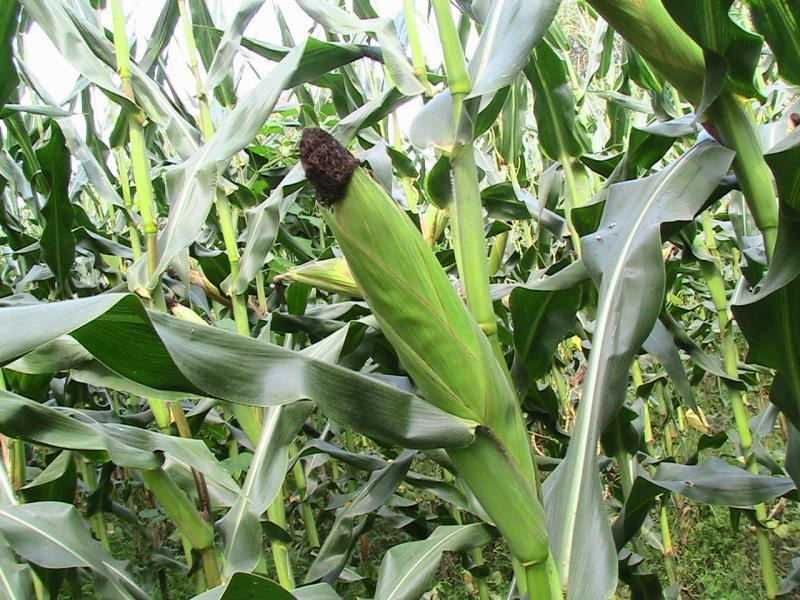
How is it different from corn or sorghum seedlings?
Johnsongrass has a prominent white midrib, creeping scaly rhizomes, and a fringed membranous ligule, distinguishing it from related crop grasses.
Where did Johnsongrass come from?
It is native to the Mediterranean and the Middle East and was introduced to North America in the 1800s before becoming a major weed.
Johnsongrass guides
In-depth guides for identifying, growing, and caring for Johnsongrass.
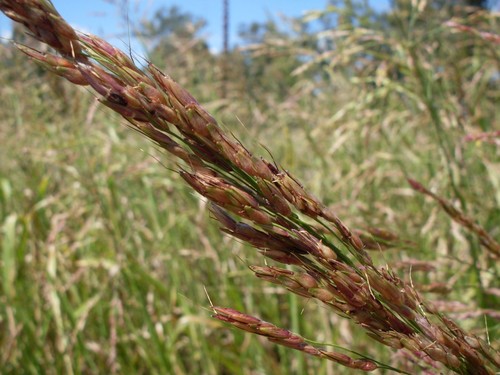
How to Care for Johnsongrass
Growing guide for Johnsongrass (Sorghum halepense), a vigorous warm-season perennial grass thriving in full sun with minimal water.
Johnsongrass Identification Guide
Identify Johnsongrass (Sorghum halepense), a tall, aggressive perennial grass with thick rhizomes, a white-ribbed leaf, and a large open purplish seedhead. Includes how to separate it from corn and shattercane.