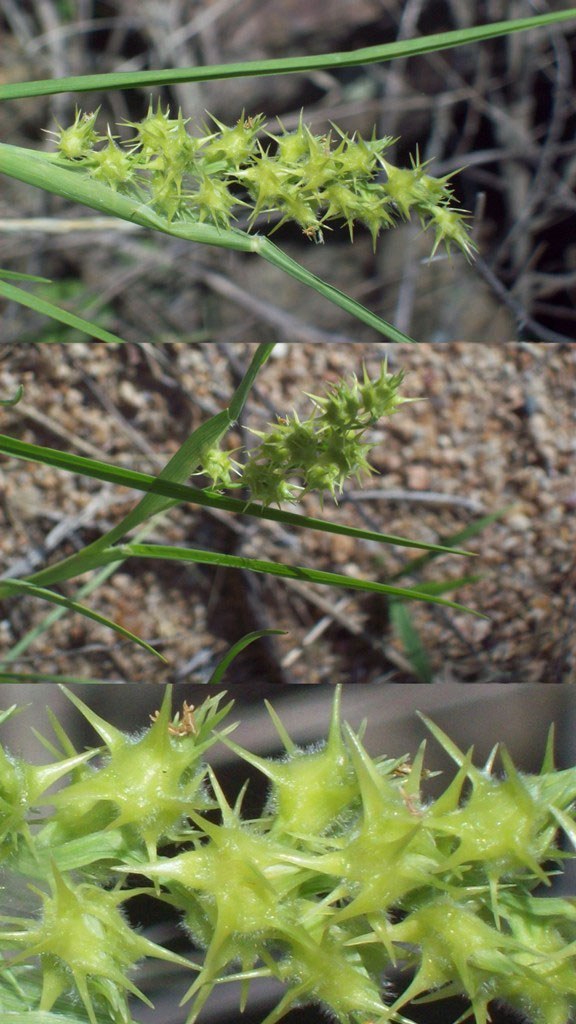
Sandbur
Cenchrus spinifex
Sandbur is a warm-season grass infamous for its sharp, spiny seed burs that cling painfully to skin, clothing, and animal fur. It thrives in dry, sandy, disturbed soils and is a troublesome weed of lawns and pastures.
- Light
- Full sun
- Water
- Drought-tolerant; prefers dry sandy soil
- Difficulty
- Easy
Got a plant like this?
Identify any plant from a photo, free.
Overview
Sandbur (Cenchrus spinifex, formerly Cenchrus incertus) is an annual or short-lived perennial warm-season grass native to the Americas. It is best known not for its foliage but for its spiny burs, which protect the seeds and disperse by hitchhiking on animals, shoes, and tires.
The plant flourishes in dry, sandy, poor soils and disturbed ground, making it a common pest of lawns, pastures, roadsides, and beaches in warm regions. The mature burs are sharp enough to penetrate skin and cling to fur and clothing.
Several closely related Cenchrus species share the sandbur name and are managed similarly.
How to identify it
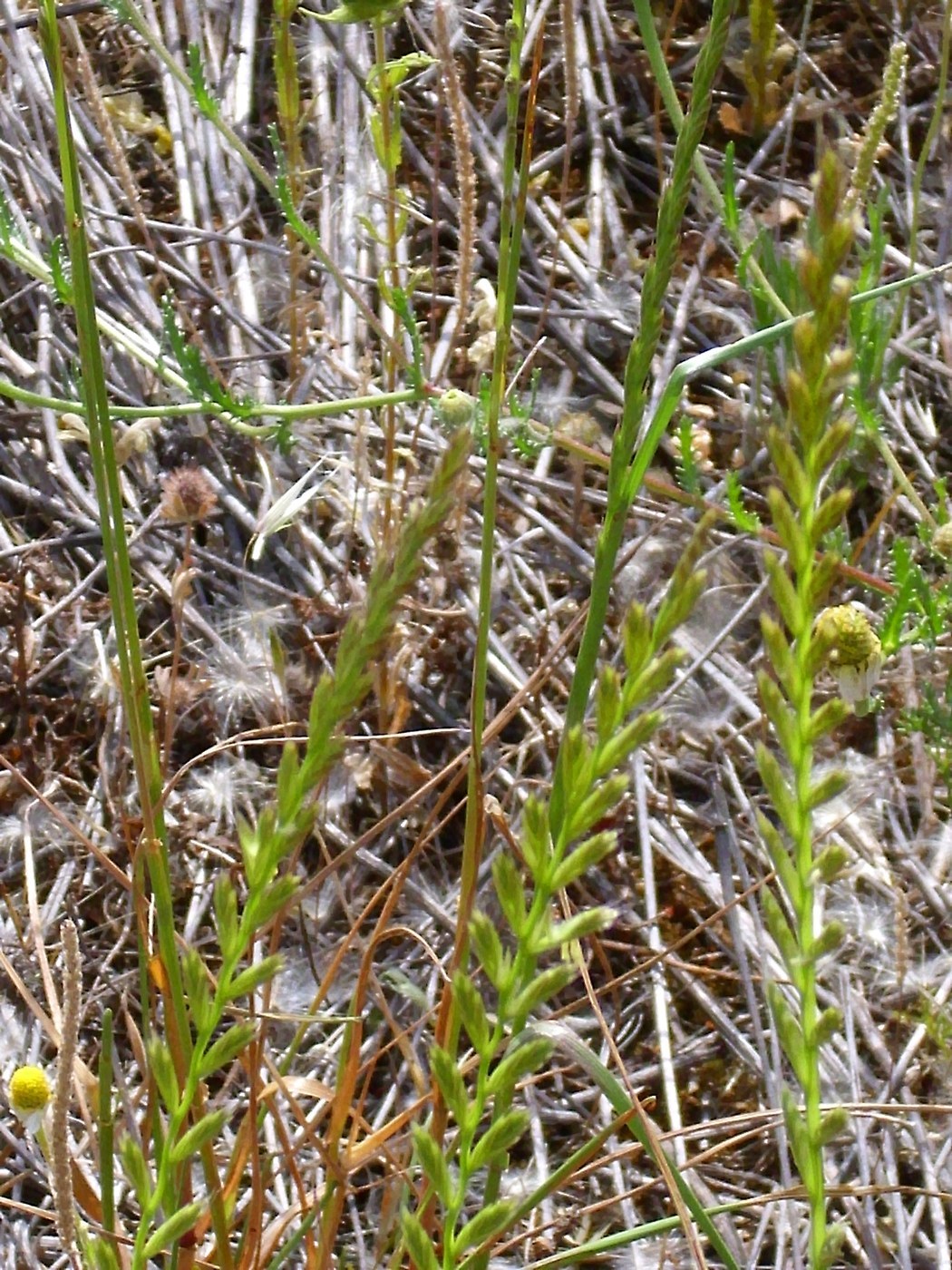
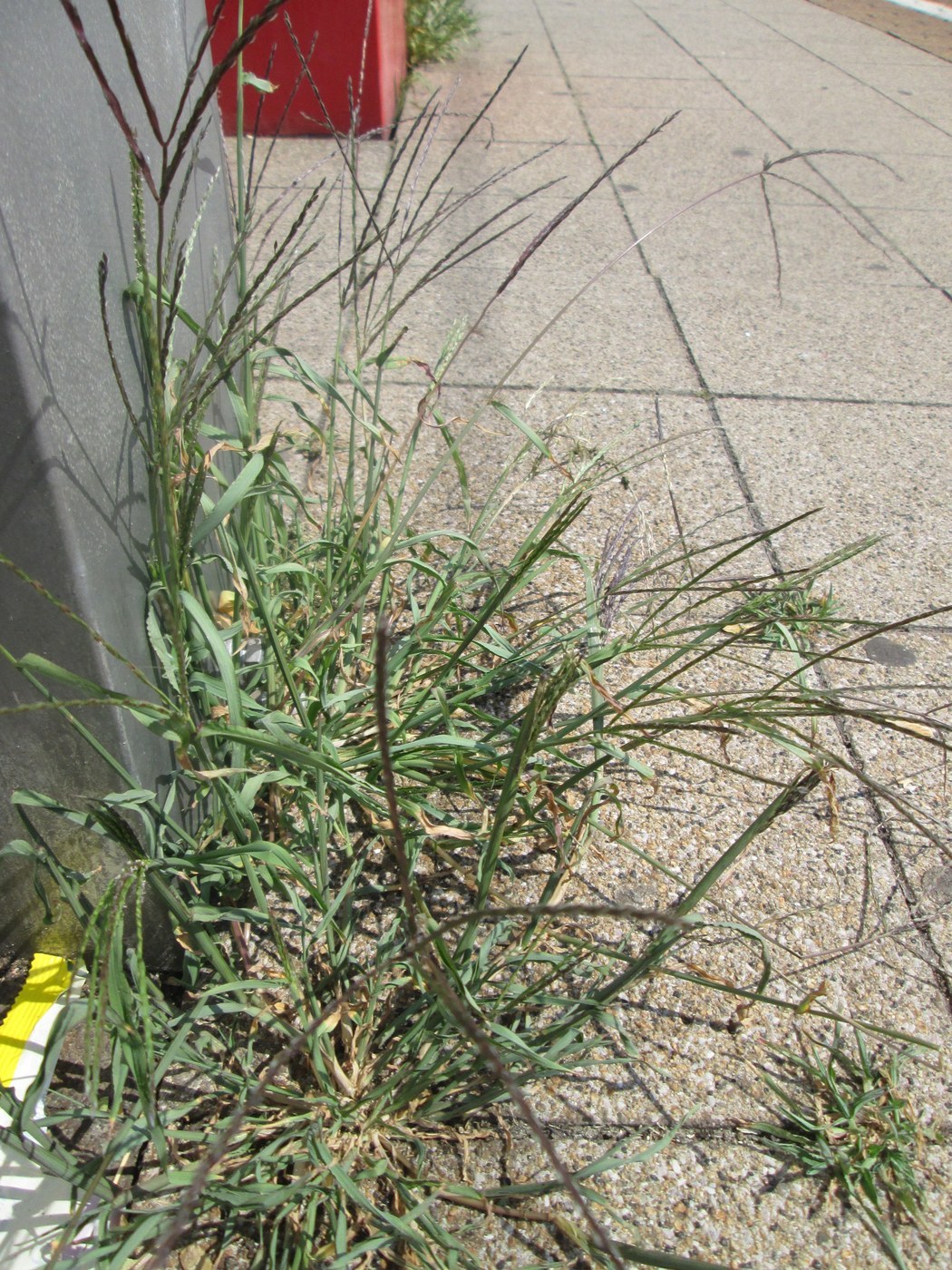
The burs are the unmistakable identifying feature, but the grass itself is low and spreading.
- Burs: Round, spiny seed cases about 1/4 inch wide, clustered along the seed head; sharp and clinging
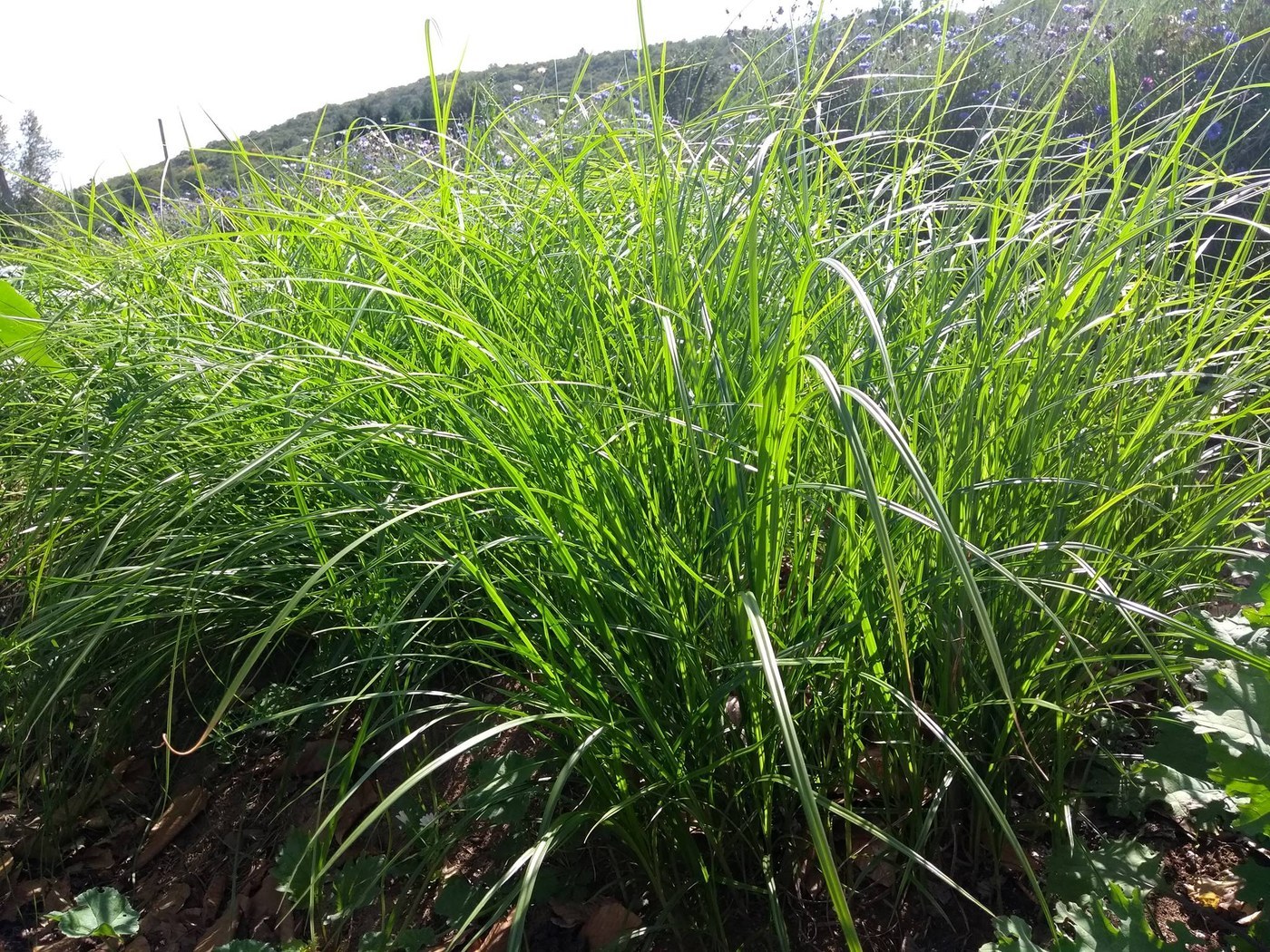
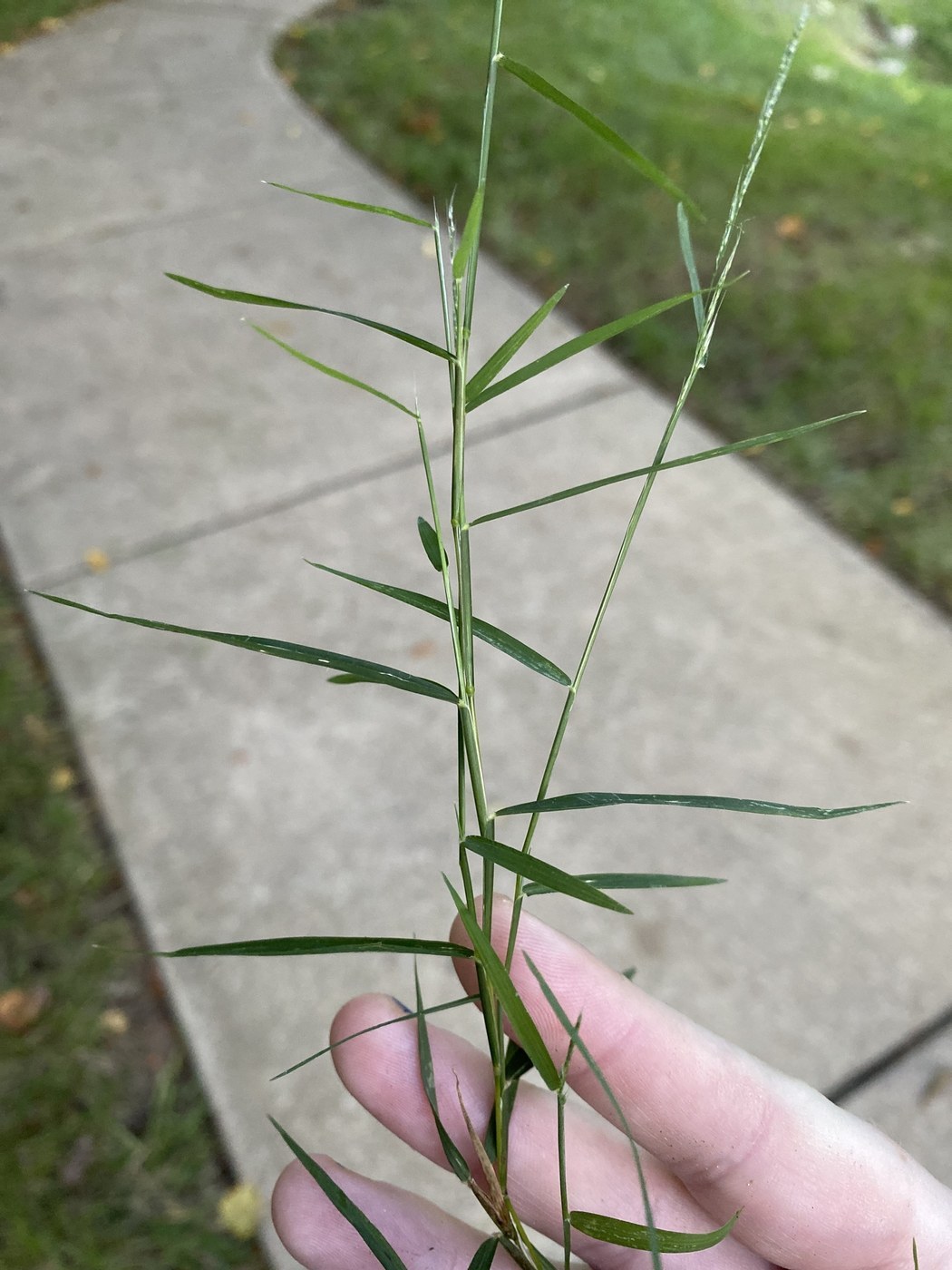
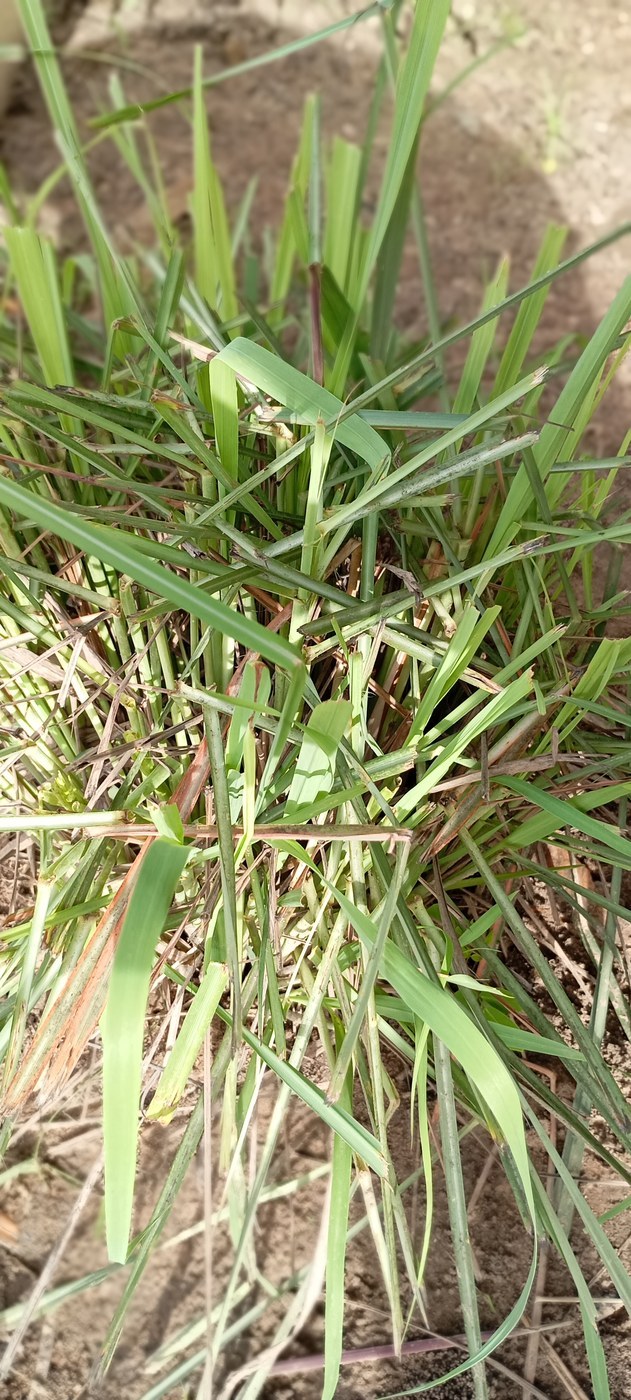
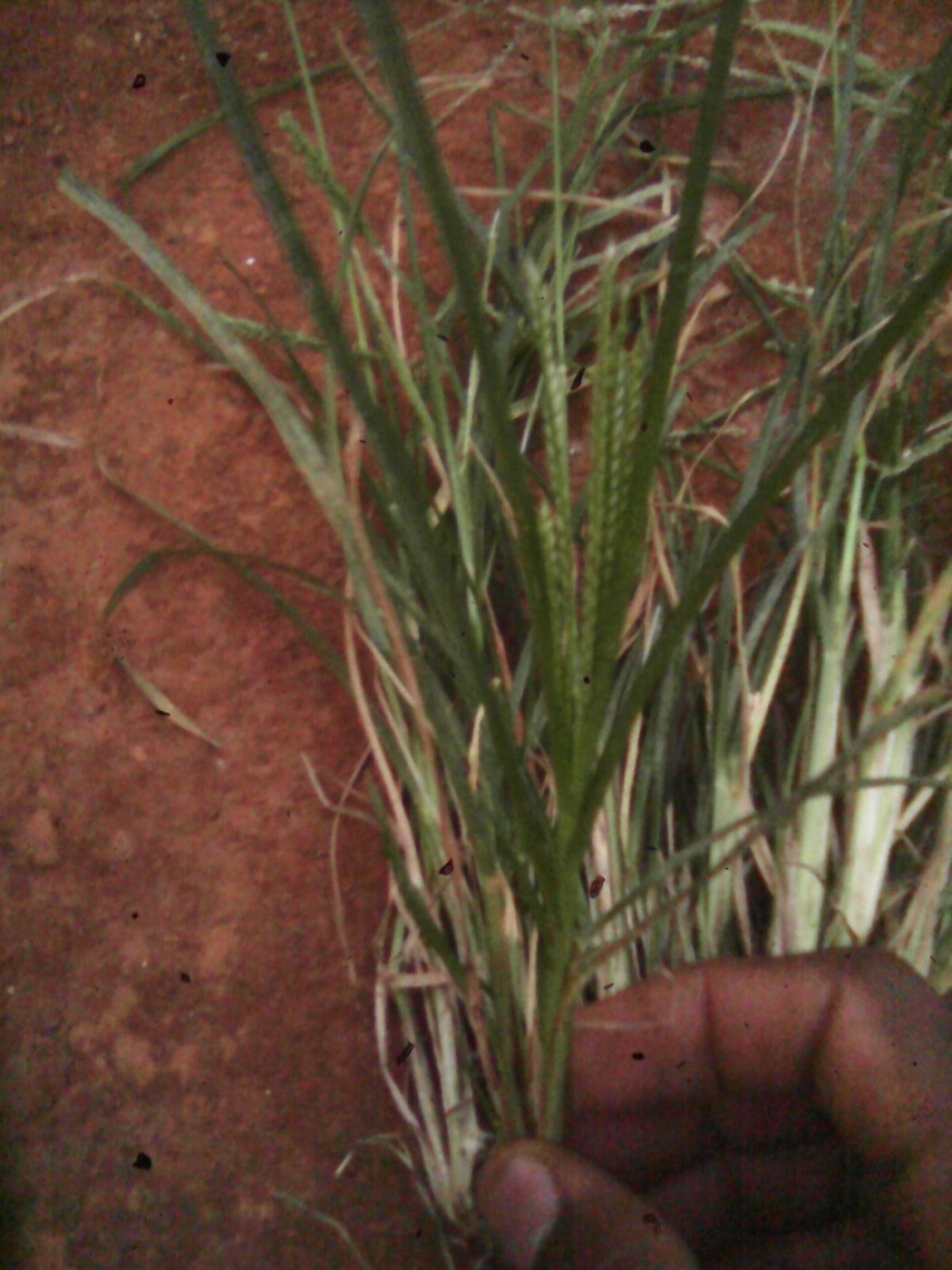
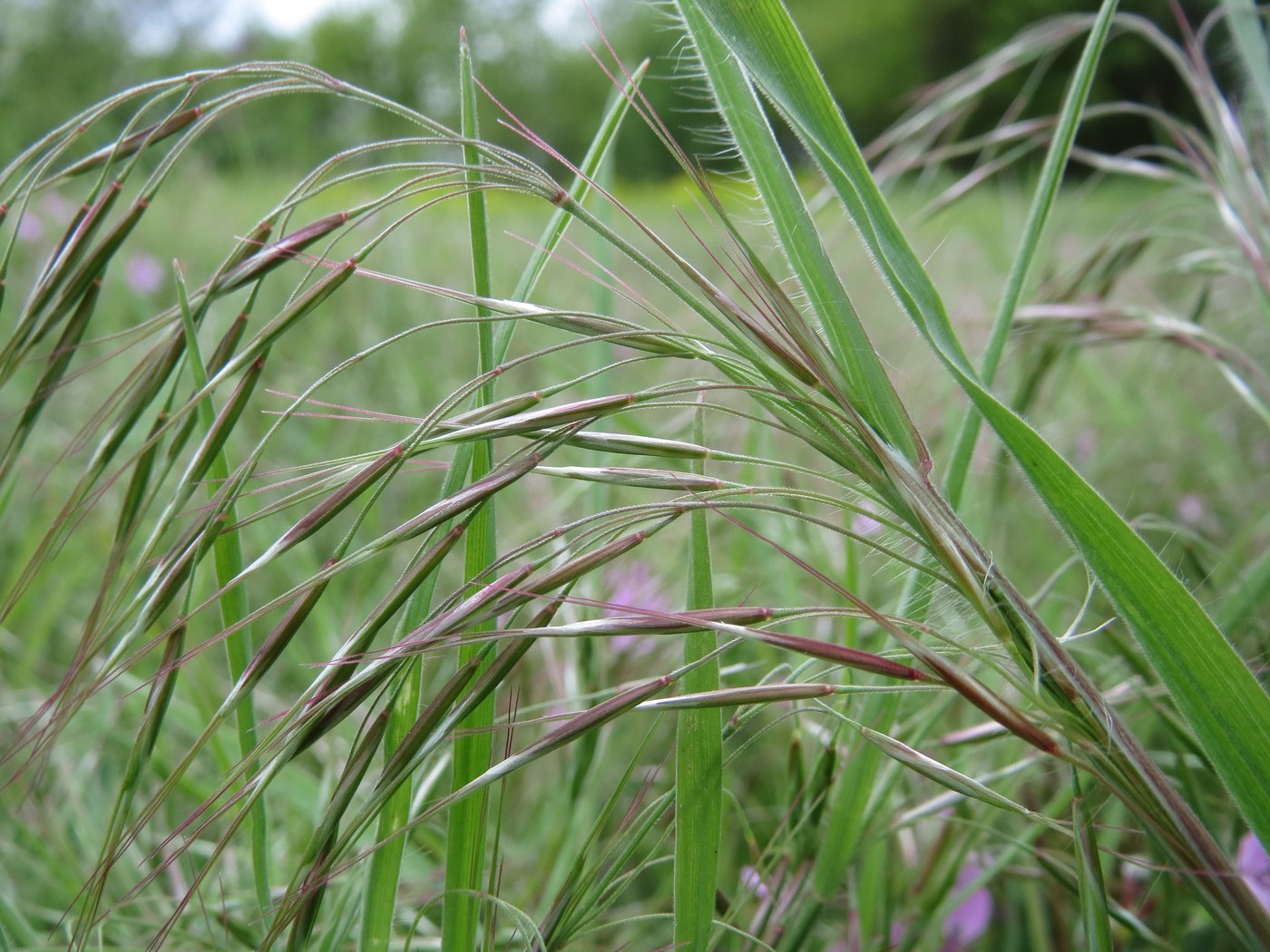
- Leaves: Flat, narrow, pale green blades, sometimes slightly rough
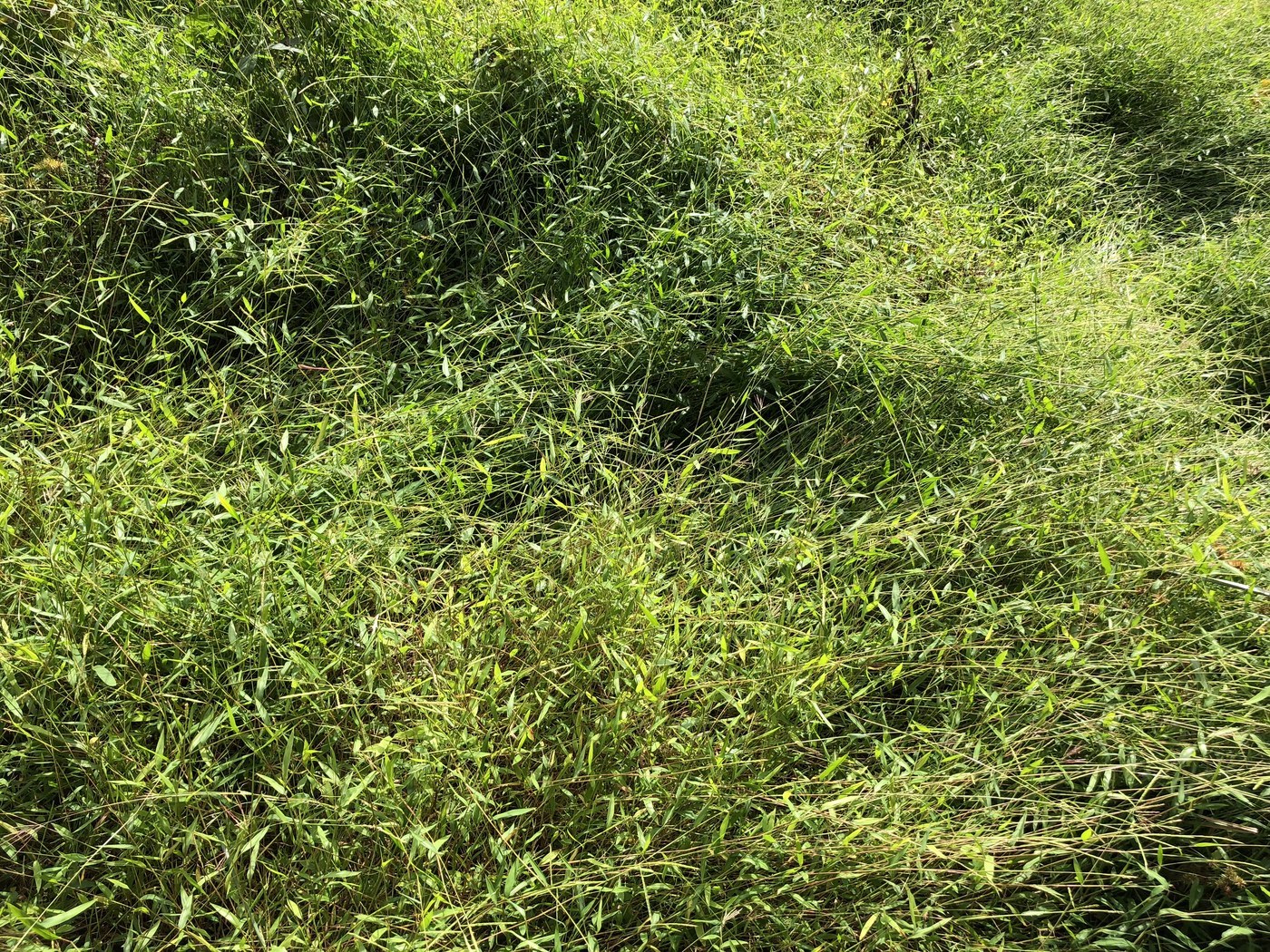
- Habit: Low, often sprawling or mat-forming tufts, sometimes rooting at lower nodes
- Stems: Branching, ascending, usually under 2 feet
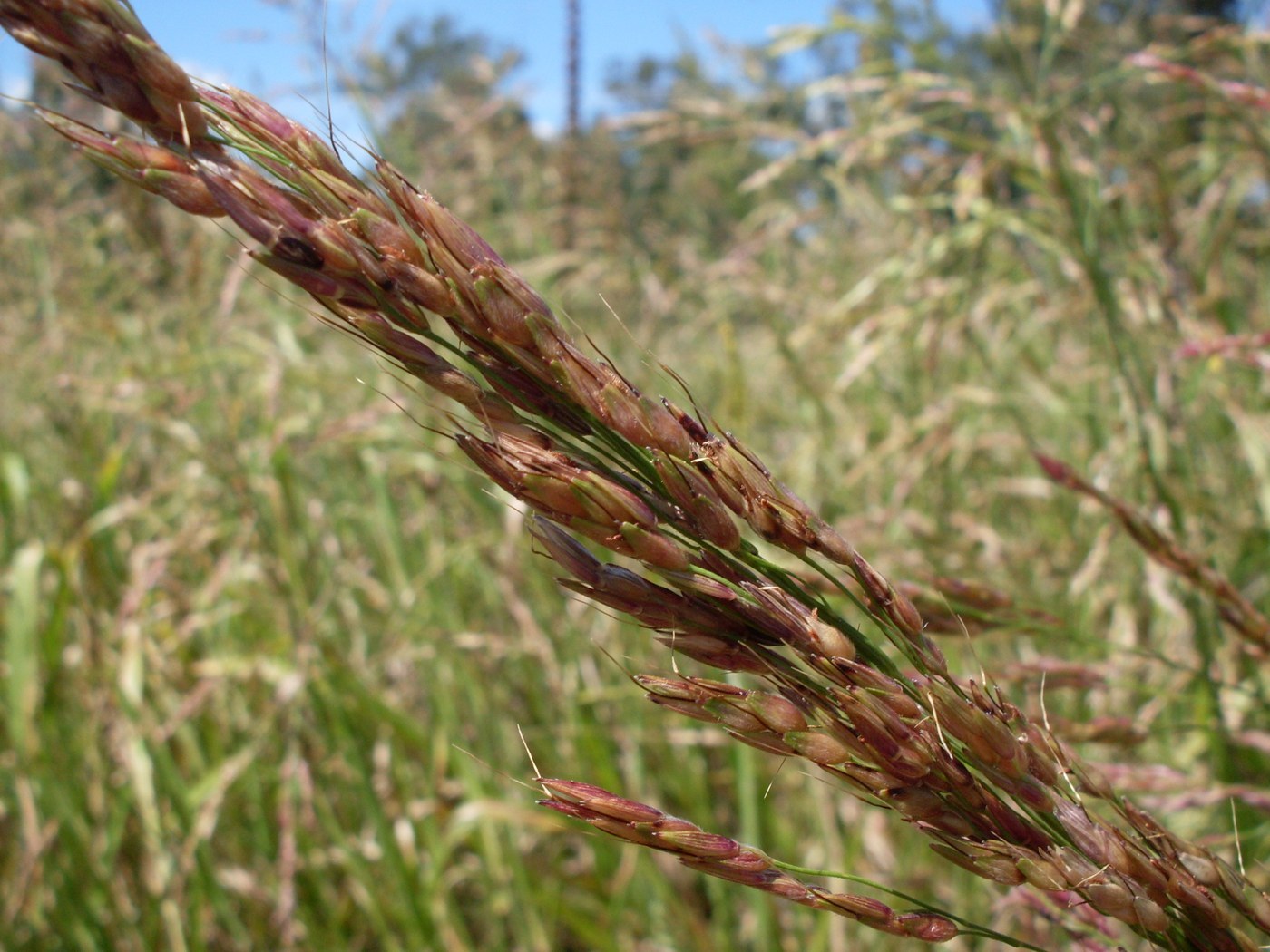
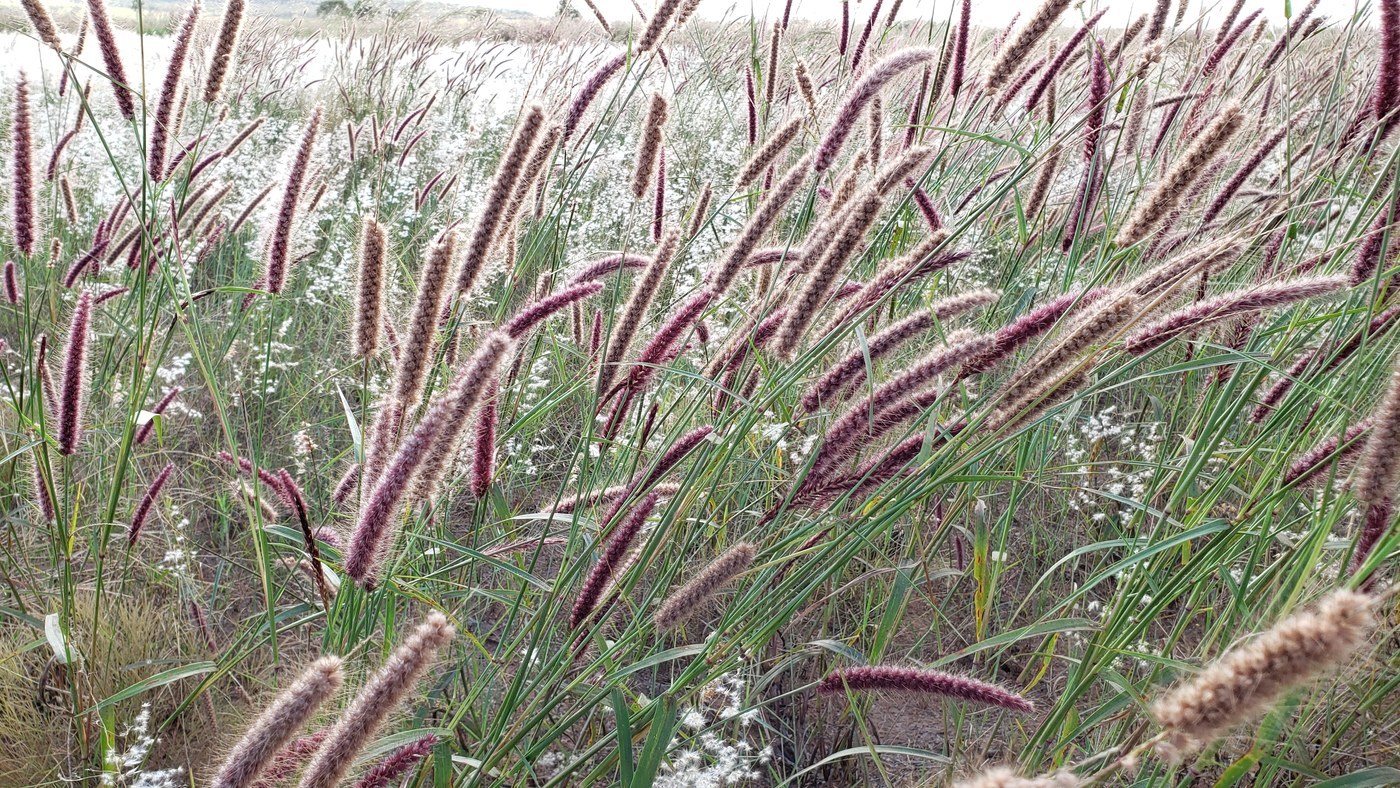
- Seed head: Spike-like cluster of the spiny burs at the stem tip
Care & growing
Managed as a weed rather than grown intentionally.
- Control timing: Use a pre-emergent herbicide in early spring before seeds germinate; this is the most effective approach
- Manual: Remove young plants before burs form; bag and dispose of bur-bearing plants
- Cultural: Maintain dense, vigorous turf or ground cover to crowd it out
- It favors thin, dry, sandy soils, so improving soil and turf density discourages it
- Mowing alone is ineffective once burs form, as low burs still mature
Habitat & origin
Native to North and South America, sandbur is widespread across the warm regions of the United States, especially the South, Southwest, and Great Plains, and has naturalized in other warm parts of the world.
It favors sandy, dry, disturbed sites: coastal dunes, roadsides, overgrazed pastures, fields, vacant lots, and sandy lawns. It is highly drought- and heat-tolerant.
Frequently asked questions
How do I get rid of sandburs in my lawn?
Apply a pre-emergent herbicide in early spring before the seeds sprout, and maintain dense, healthy turf. Once burs form, control is much harder.
Why do sandburs grow in my yard?
They thrive in dry, sandy, thin, or disturbed soil. Lawns that are sparse and grow on sandy ground are especially prone to them.
How do sandburs spread?
The spiny burs cling to fur, clothing, shoes, and tires, carrying the seeds to new locations.
Sandbur guides
In-depth guides for identifying, growing, and caring for Sandbur.
How to Care for Sandbur
Grow Sandbur (Cenchrus spinifex): a tough, drought-hardy warm-season grass for dry sandy soils and full sun. Easy to establish; spreads readily.
Sandbur Identification Guide
Identify sandbur (Cenchrus species) by its spiny, sharp-barbed seed burs, low spreading grass habit, and preference for sandy, dry, disturbed soils.