
How to Care for Sandbur
Grow Sandbur (Cenchrus spinifex): a tough, drought-hardy warm-season grass for dry sandy soils and full sun. Easy to establish; spreads readily.
Read the full Sandbur encyclopedia entry →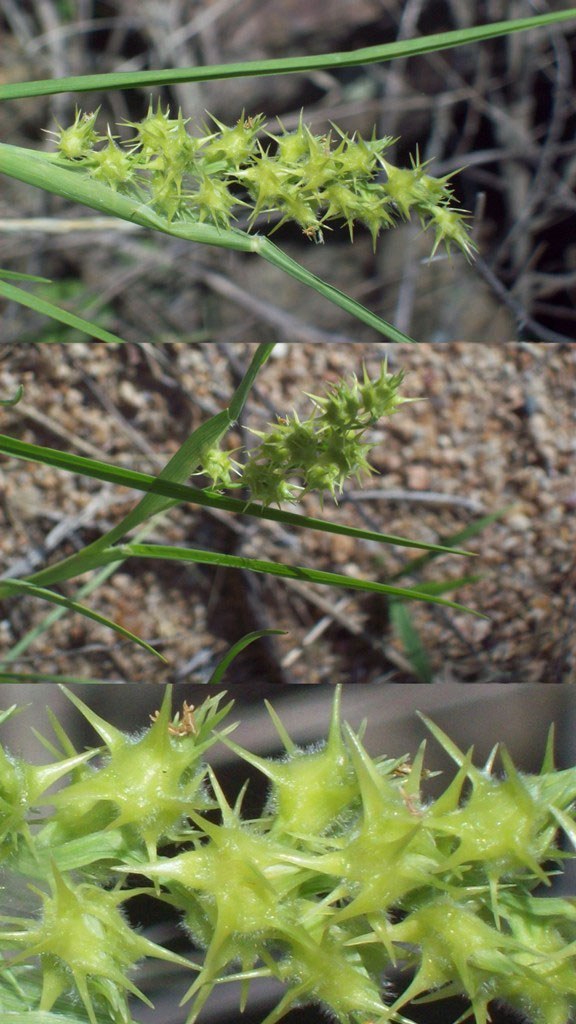
Sandbur (Cenchrus spinifex) is a low, warm-season annual-to-short-lived grass adapted to hot, dry, sandy ground. It is extremely easy to establish and needs almost no care, but it is a vigorous self-seeder, so grow it only where its spread is acceptable.
Light
Sandbur demands full sun. It is a heat-loving grass of open, exposed sites and will not tolerate shade, which weakens it and reduces its characteristic dense, low growth. Give it the sunniest, most open position available.
Water
Highly drought-tolerant, sandbur thrives on minimal water and actually prefers dry conditions. Water lightly only to establish seedlings; after that, natural rainfall is usually enough. It resents rich, moist ground and performs best where other grasses struggle. Avoid overwatering, which does more harm than good.
Soil & Potting
Sandbur is at home in dry, sandy, infertile, well-drained soil and is prized for holding loose sand. It tolerates poor, gritty ground that defeats most plants and dislikes heavy, wet, or highly fertile soils. No soil improvement is needed; in fact lean conditions keep it in character.
Humidity & Temperature
A warm-climate grass, sandbur loves heat and low humidity and grows actively through the hottest part of the year. It withers with cold and typically dies back or completes its cycle before hard frost, reseeding for the next season. It needs no humidity and thrives in arid, sun-baked settings.
Feeding
Do not fertilize. Sandbur is adapted to nutrient-poor soils and grows perfectly well without feeding; added fertility encourages excessive growth and can make an already vigorous grass harder to manage. Lean soil is ideal.
Propagation
Sandbur propagates almost entirely by its seed, carried in distinctive spiny burs that cling to anything passing by, spreading the plant efficiently on their own. To grow it deliberately, sow seed on warm, sandy ground in late spring. It establishes quickly and self-sows freely thereafter.
Repotting / Pruning
Little maintenance is required. If you grow it in a contained bed to stabilize sand, simply cut or mow it back when it becomes untidy. Because the spiny burs spread readily, removing seed heads before they mature is the main way to keep this grass from colonizing beyond its intended area.
Common Problems & Pests
Sandbur's chief issue is its own vigor: the clinging burs let it spread aggressively into places it is not wanted, so containment is the real management task. It is otherwise remarkably trouble-free, with few significant pests or diseases thanks to its tough, drought-hardy constitution. Overly wet or rich soil is the main cause of failure.
Seasonal Care Tips
In late spring, sow or allow it to emerge as soil warms. Through summer, let it grow with little intervention; withhold water except in extreme drought. In late summer, cut back seed heads if you wish to limit spread. In autumn and winter, the grass naturally declines, leaving seed to restart the cycle.
Frequently asked questions
How much water does sandbur need?
Very little. It is highly drought-tolerant and prefers dry, sandy soil. Water only to establish seedlings, then rely on rainfall; overwatering and rich soil actually weaken it.
Will sandbur grow in shade?
No. Sandbur is a heat- and sun-loving grass that needs full sun. In shade it grows thin and weak, so plant it only in open, exposed positions.
How do I stop sandbur from spreading?
Its spiny burs cling to almost anything and carry seed far, so cut or mow off the seed heads before they mature. Keeping it in a contained bed and removing stray plants promptly limits its spread.
What kind of soil does sandbur prefer?
Dry, sandy, well-drained and infertile soil. It excels in loose, gritty ground where other grasses fail and dislikes heavy, wet, or highly fertile soils, so no soil improvement is needed.