Cheatgrass
Bromus tectorum
Cheatgrass is an invasive winter annual grass of the western United States, notorious for its sharp seeds and for fueling more frequent, intense wildfires across rangelands.
- Light
- Full sun
- Water
- Low; drought-tolerant winter annual
- Difficulty
- Easy
Got a plant like this?
Identify any plant from a photo, free.
Overview
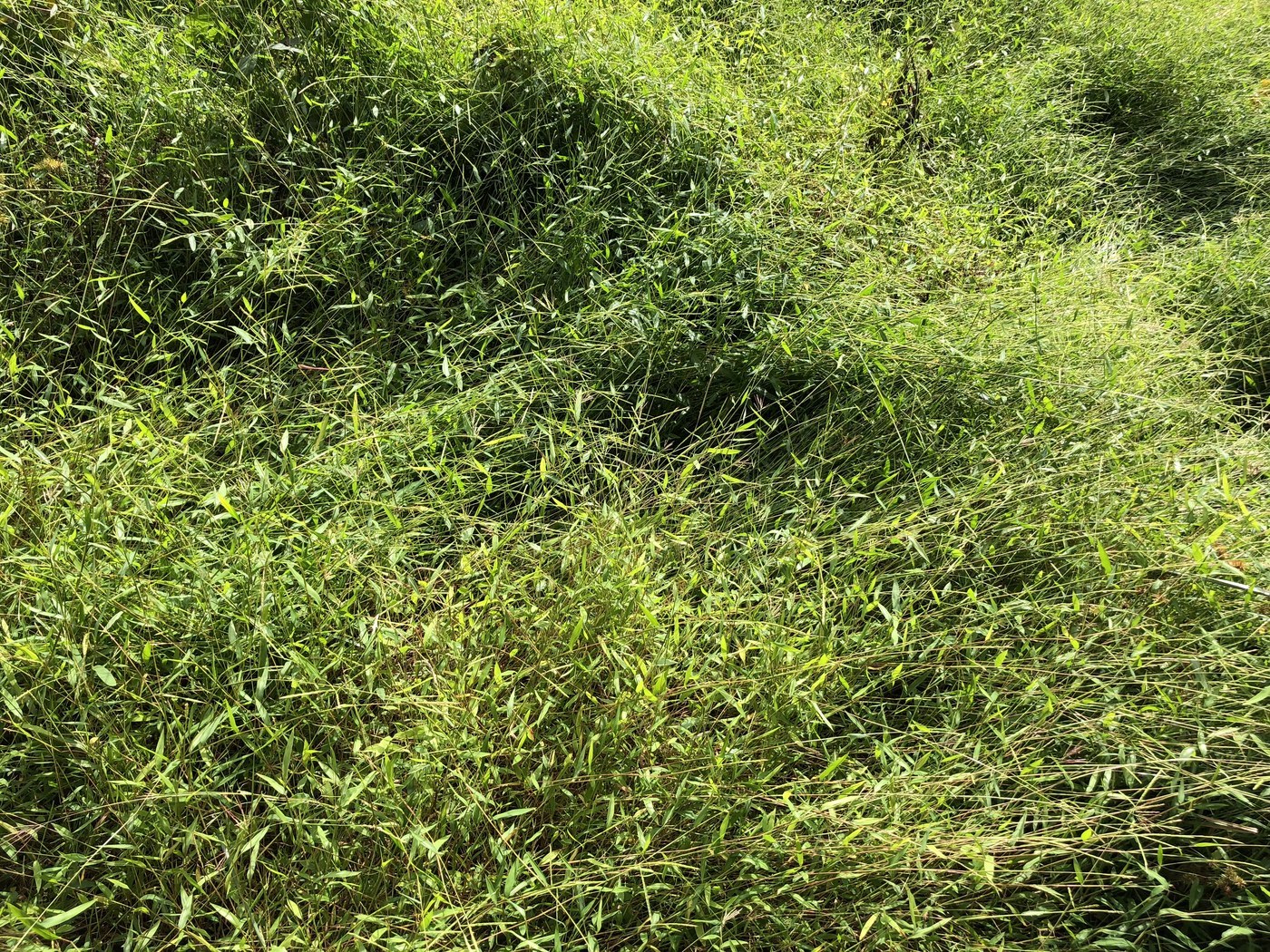
Cheatgrass (Bromus tectorum), also called downy brome, is a winter-annual grass native to Eurasia that has become one of the most damaging invasive plants of the western North American rangelands. It germinates in fall or early spring, matures quickly, then dries to a dense, flammable thatch by early summer.
Its early growth lets it outcompete native bunchgrasses for moisture, and its fine, cured fuel dramatically shortens fire cycles, converting sagebrush steppe into cheatgrass monocultures. The name 'cheatgrass' reflects how it 'cheats' ranchers and native plants of ground.
How to identify it
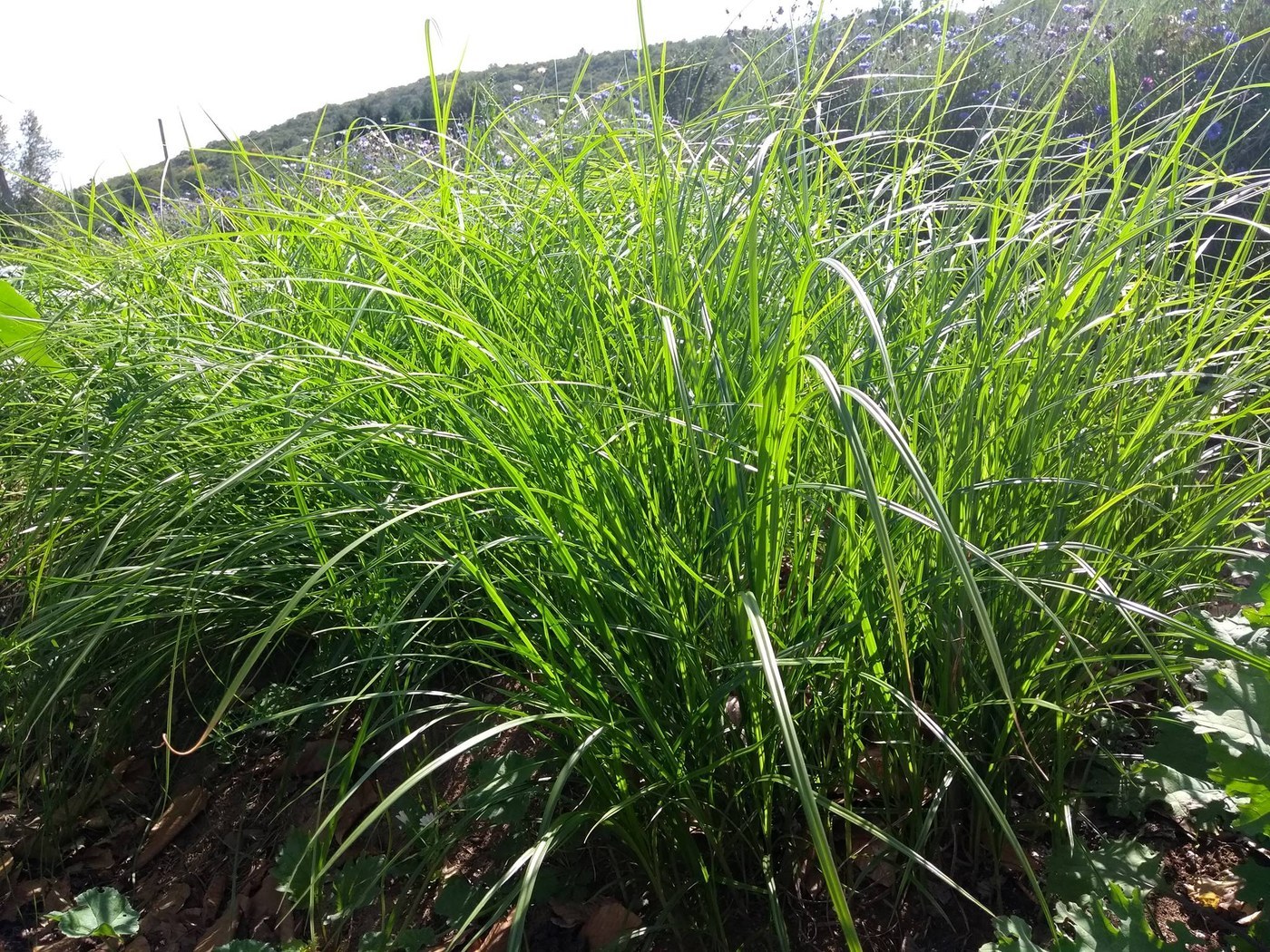
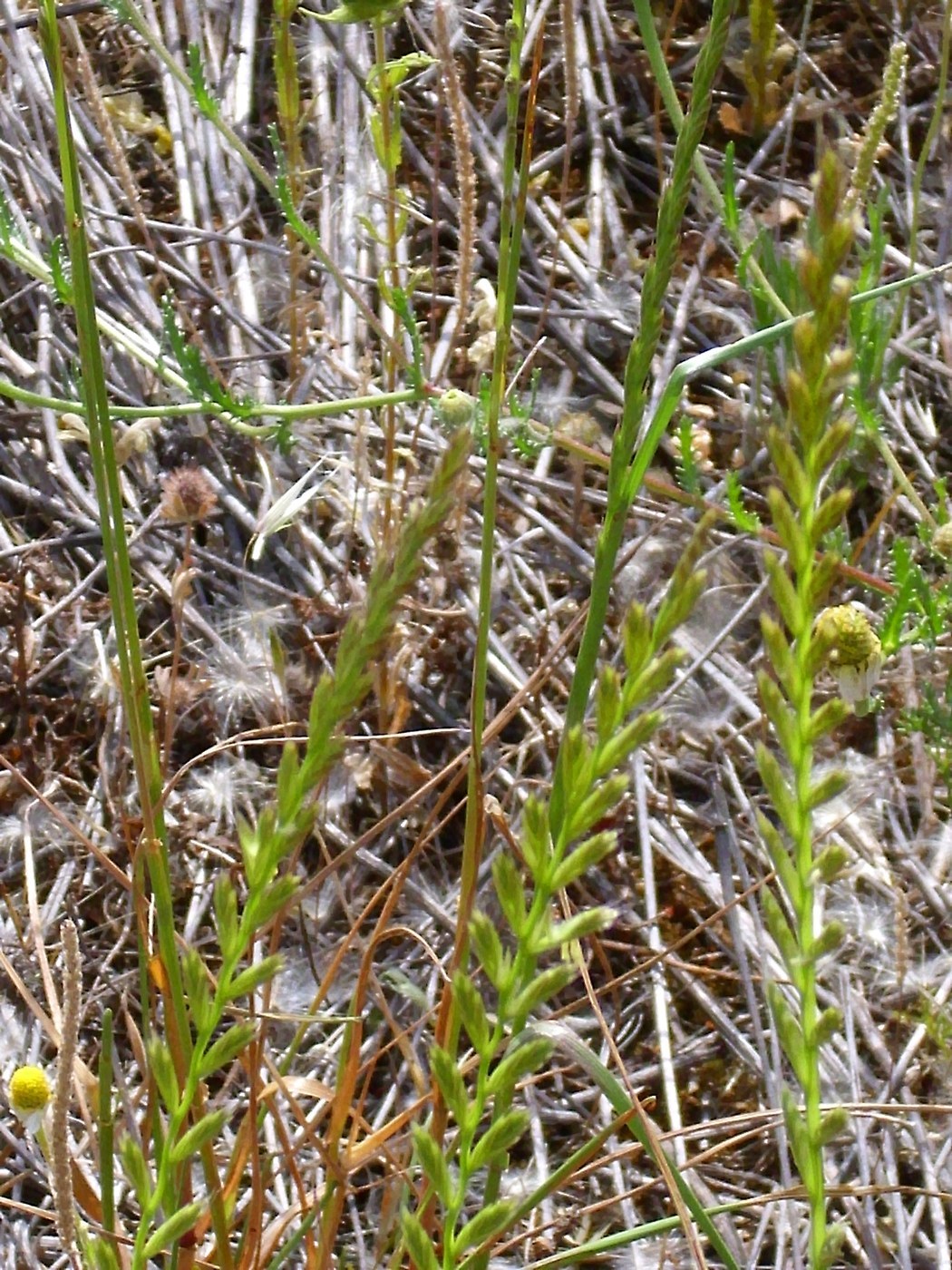
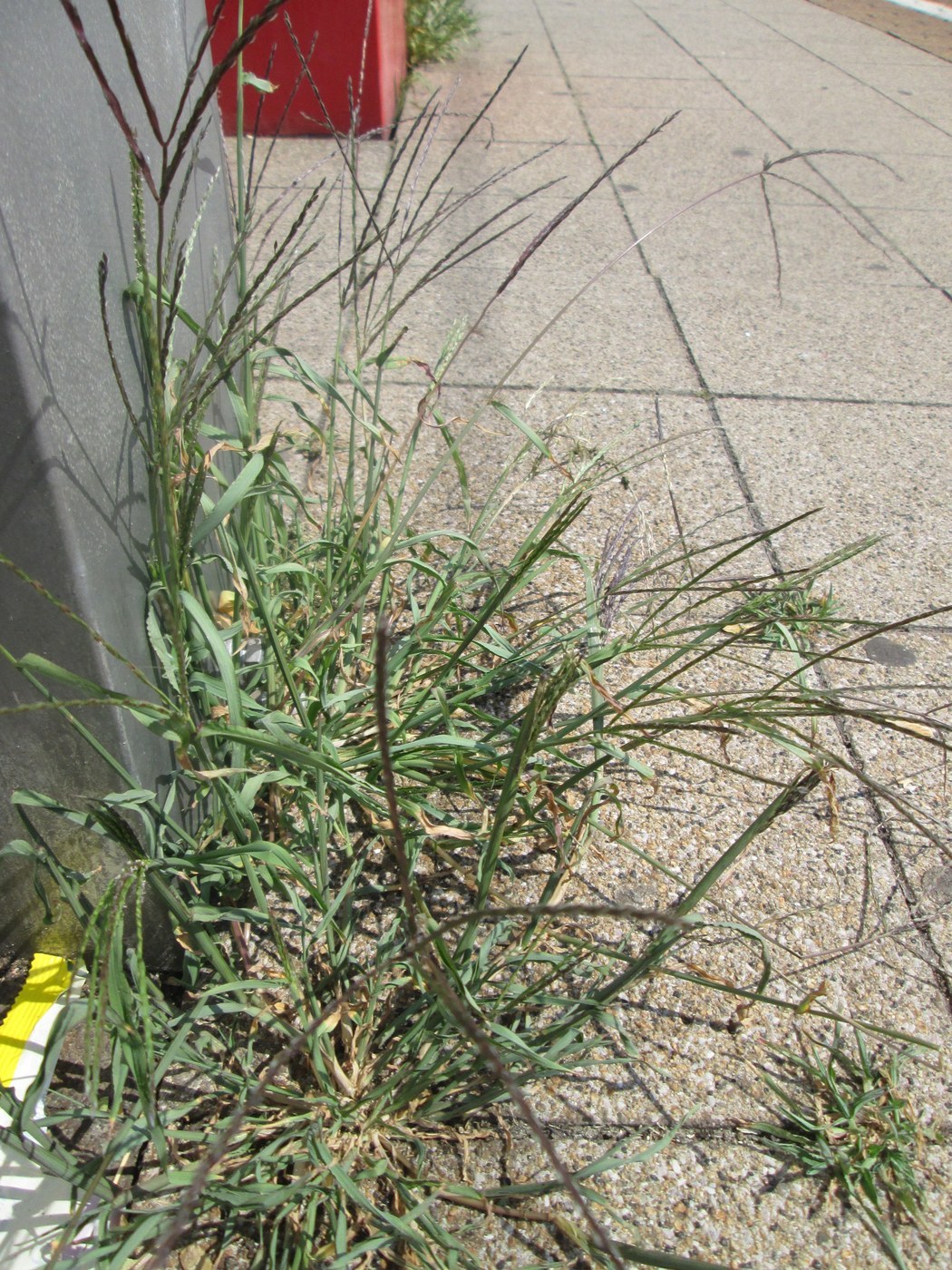
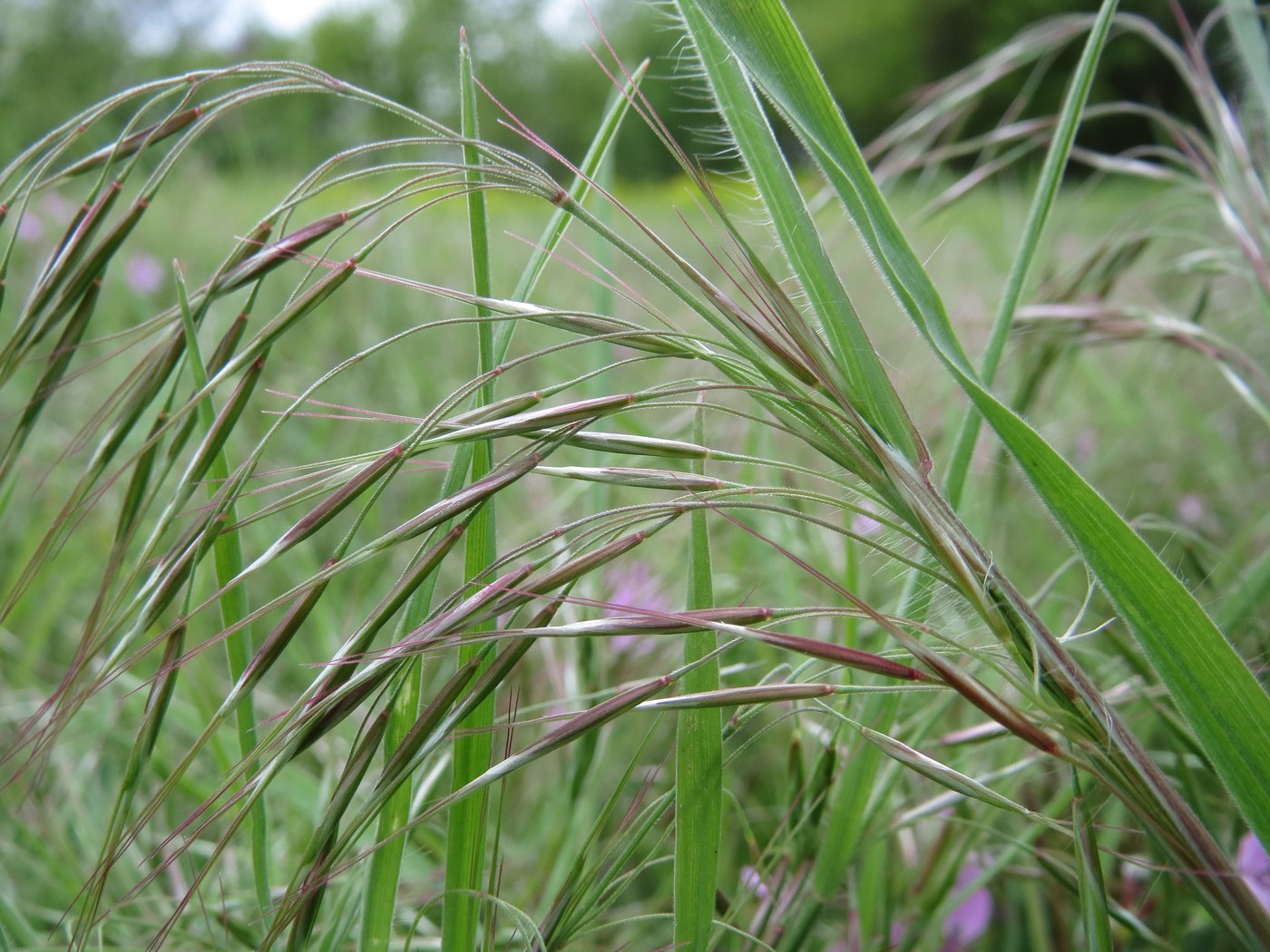
A soft, droopy annual usually 10–60 cm tall, turning purplish then straw-colored as it dries.
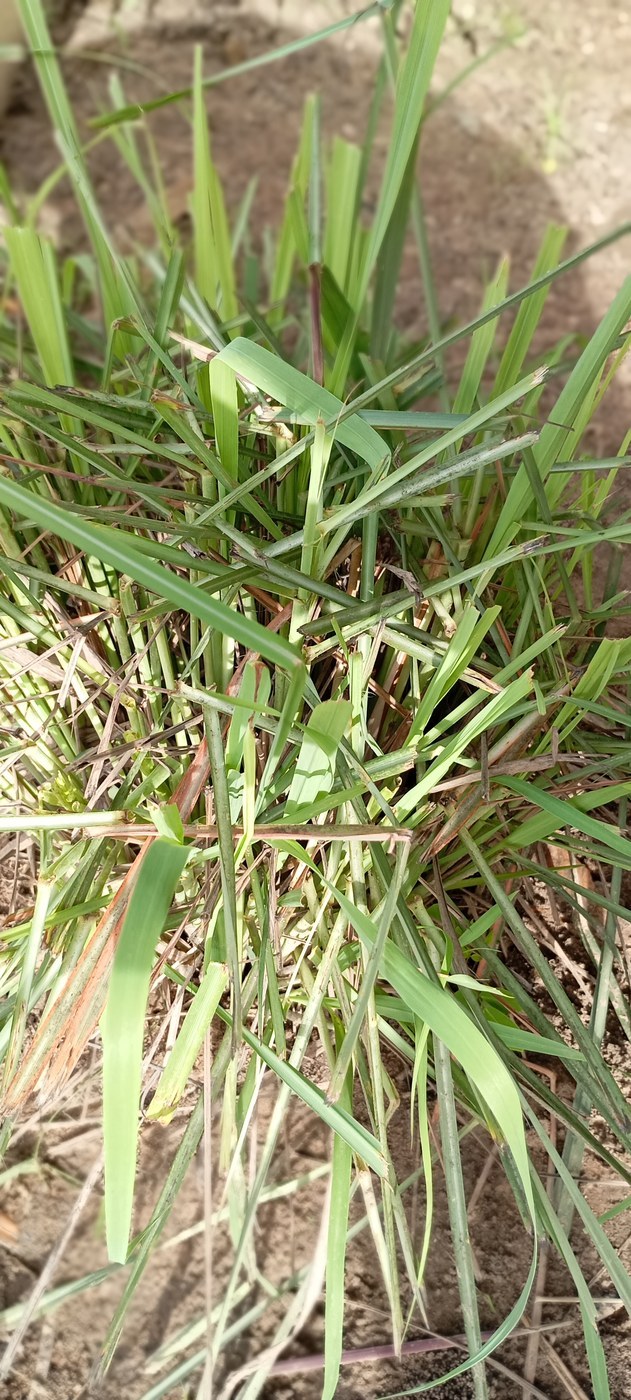
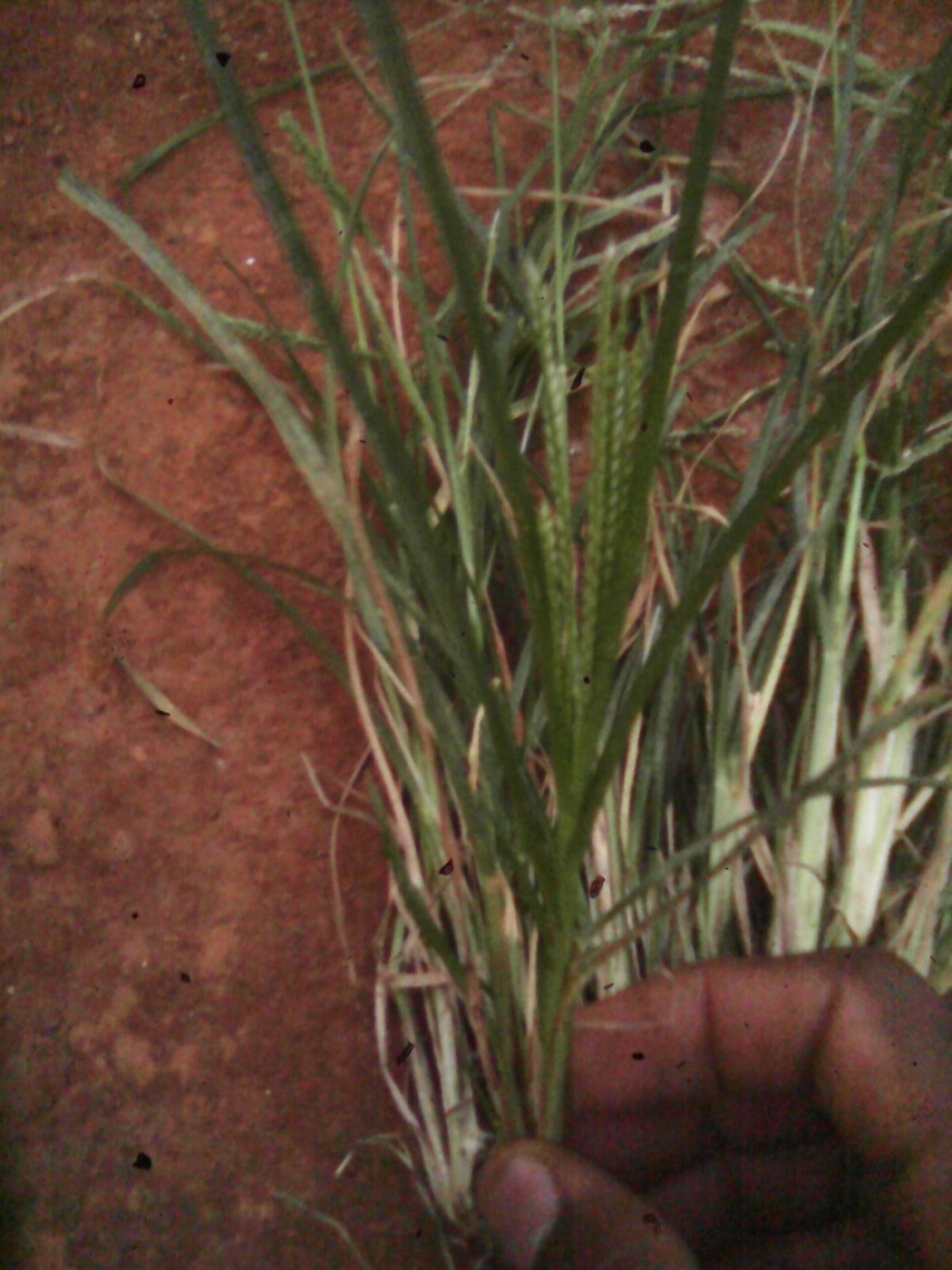
- Leaves and sheaths: softly hairy (downy) — hence 'downy brome'
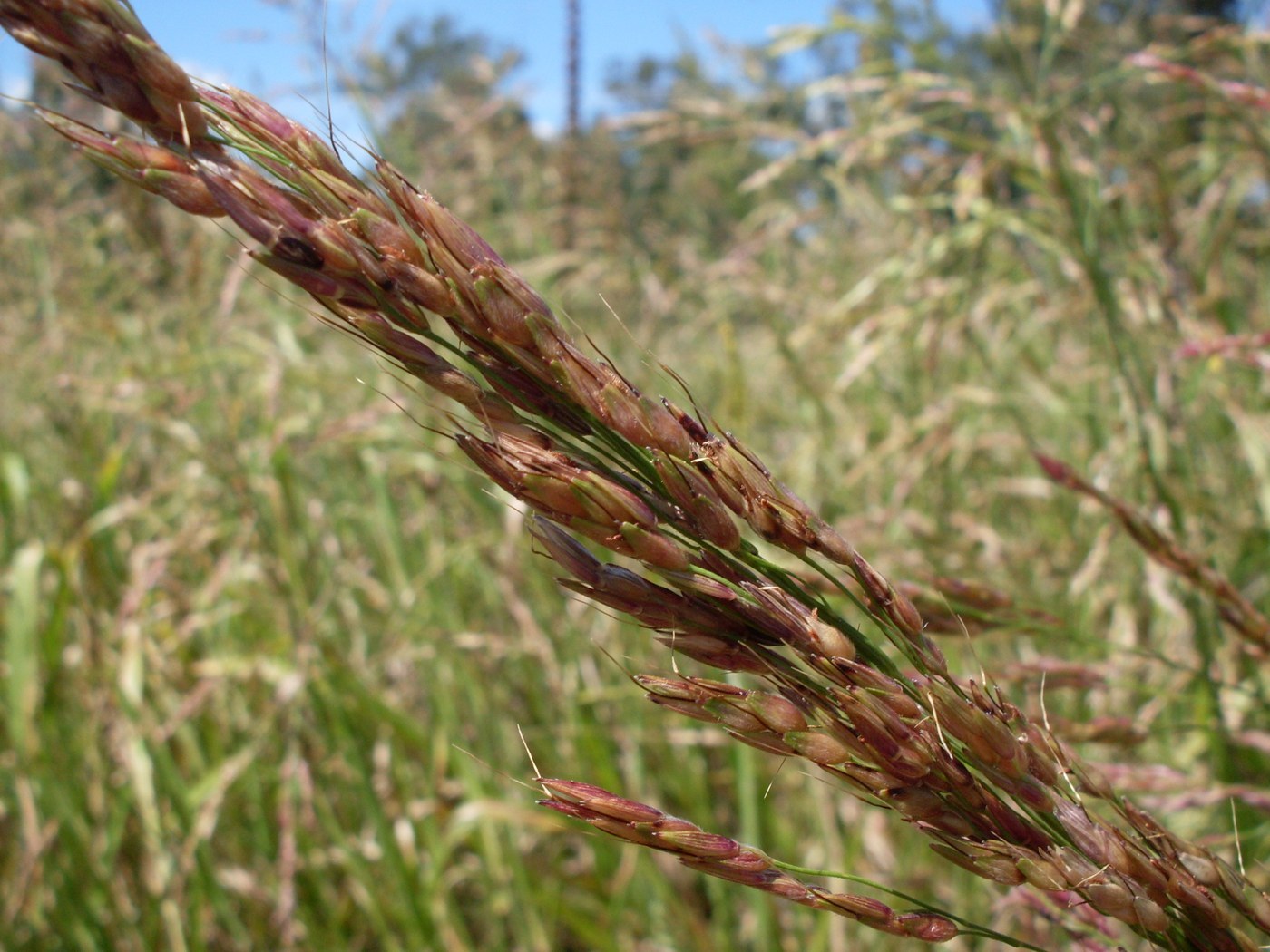
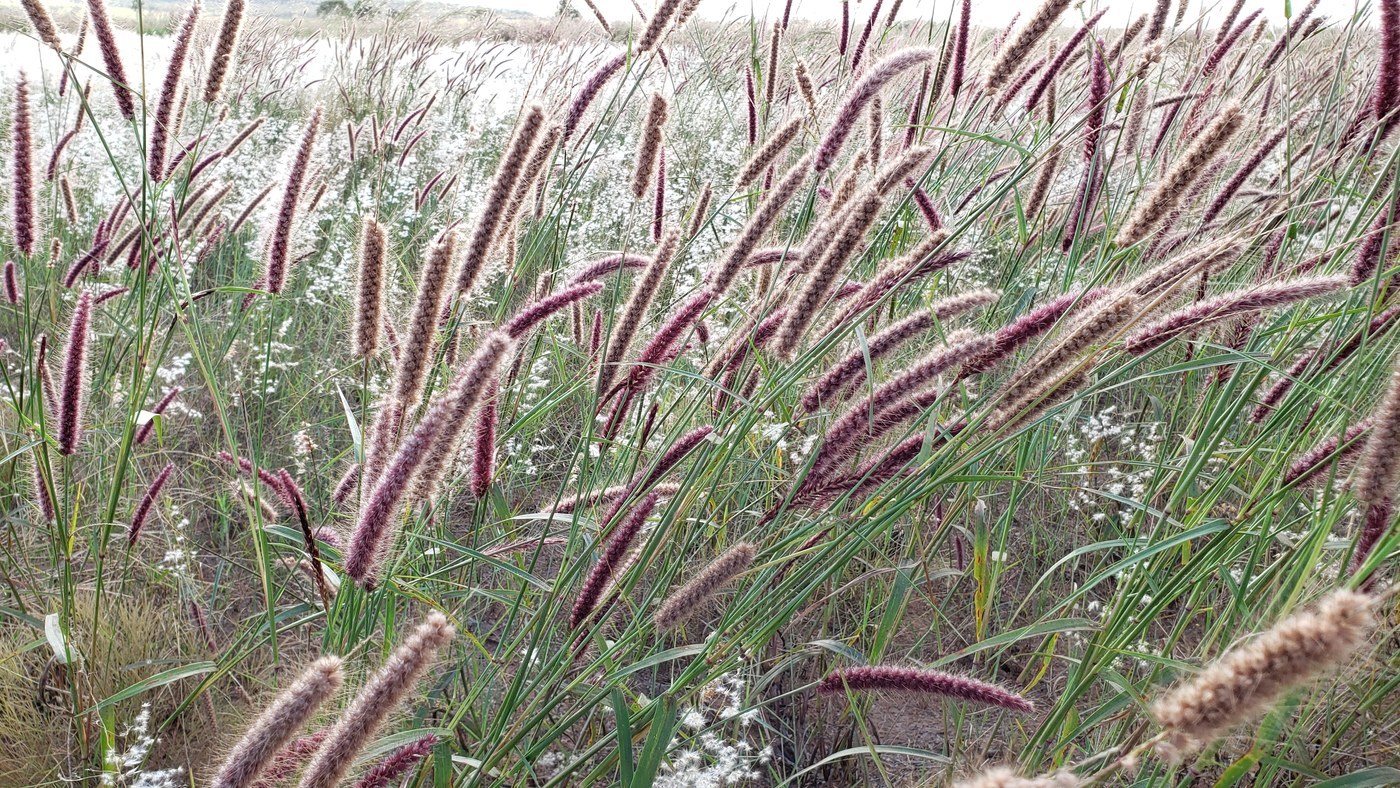
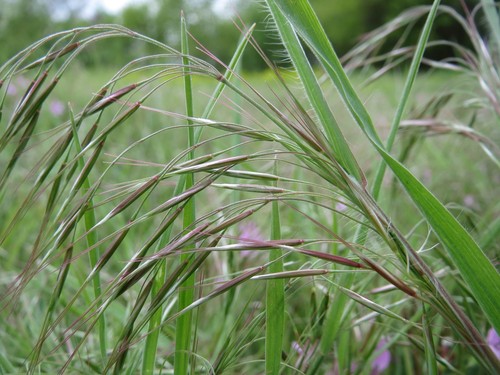
- Seedhead: a slender, drooping, often purple-tinged panicle of nodding spikelets
- Awns: each floret bears a long, straight, sharp awn that aids seed dispersal
- Habit: germinates early, matures before most natives, and dries to a fine, flammable mat by early summer
Care & growing
Never planted deliberately; managed as an invasive weed.
- Light: full sun
- Water: very drought-tolerant; exploits early-season moisture
- Soil: thrives on disturbed, dry, often overgrazed soils
- Temperature: winter annual; germinates in autumn or early spring and sets seed by early summer
- Propagation: by seed only, but extremely prolific
Control relies on early-season grazing, targeted herbicides, prescribed burning timing, and revegetation with competitive native perennials.
Habitat & origin
Native to the Mediterranean region, southern Europe and southwestern Asia, cheatgrass was introduced to North America in the late 1800s. It now dominates millions of acres of the Great Basin and Intermountain West.
It invades disturbed rangelands, roadsides, burned areas and overgrazed sagebrush steppe, often forming near-continuous stands.
Frequently asked questions
Why is cheatgrass such a wildfire problem?
It dries early into a continuous mat of fine fuel, lowering the threshold for ignition and spread and shortening fire-return intervals, which then favors more cheatgrass.
How can I recognize cheatgrass?
Look for a soft, downy annual grass with drooping, often purple-tinged seedheads and long, sharp awns that cures to straw color by early summer.
When is cheatgrass green?
As a winter annual it greens up in fall or very early spring before curing to straw by early summer.
How do you control cheatgrass?
Management combines early grazing, well-timed herbicides or burns, and reseeding with competitive native perennial grasses to occupy the ground.
Cheatgrass guides
In-depth guides for identifying, growing, and caring for Cheatgrass.
How to Care for Cheatgrass
Cheatgrass (Bromus tectorum) is a fast winter annual grass thriving in full sun and dry, disturbed soil with minimal care.
Cheatgrass Identification Guide
Identify cheatgrass (Bromus tectorum), a soft-hairy winter annual grass that turns reddish-purple as its drooping, awned seedheads ripen. Covers its hairy leaves, nodding panicle, and fire-prone dried stands.