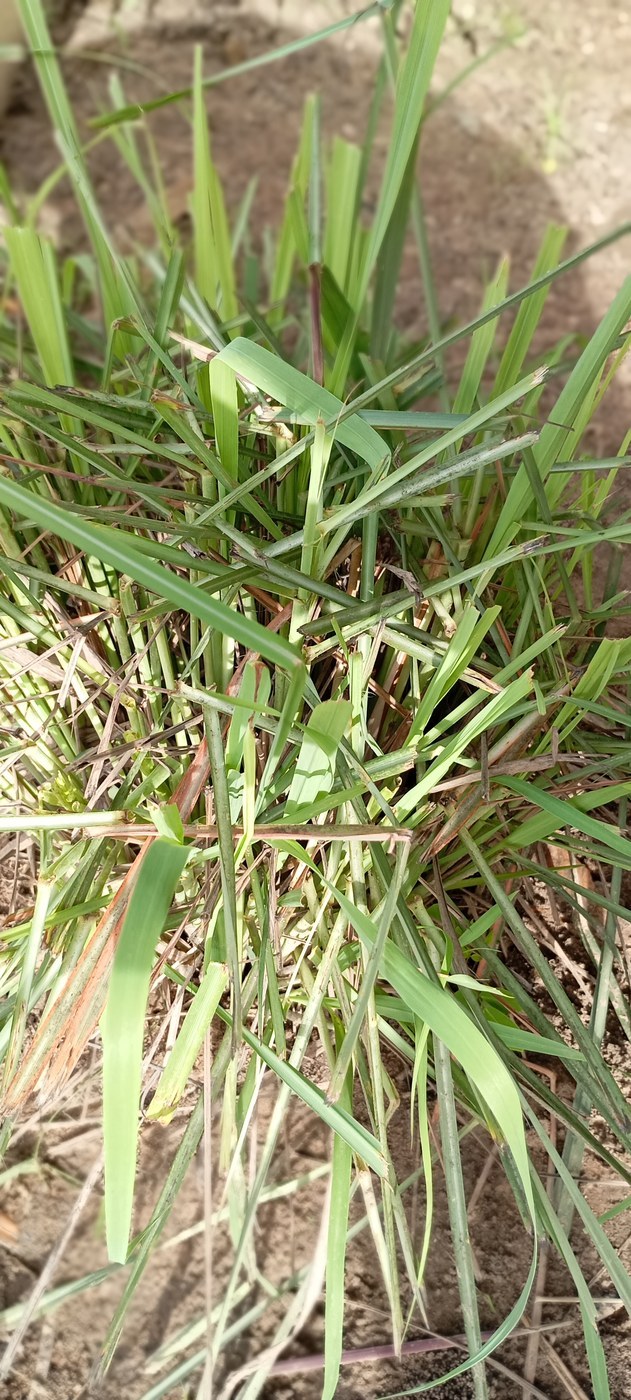
Lemongrass
Cymbopogon citratus
Lemongrass is a tall tropical grass with a bright citrus aroma, grown as a culinary grass and aromatic ornamental in warm gardens.
- Light
- Full sun
- Water
- Keep soil moist
- Difficulty
- Easy
Got a plant like this?
Identify any plant from a photo, free.
Overview
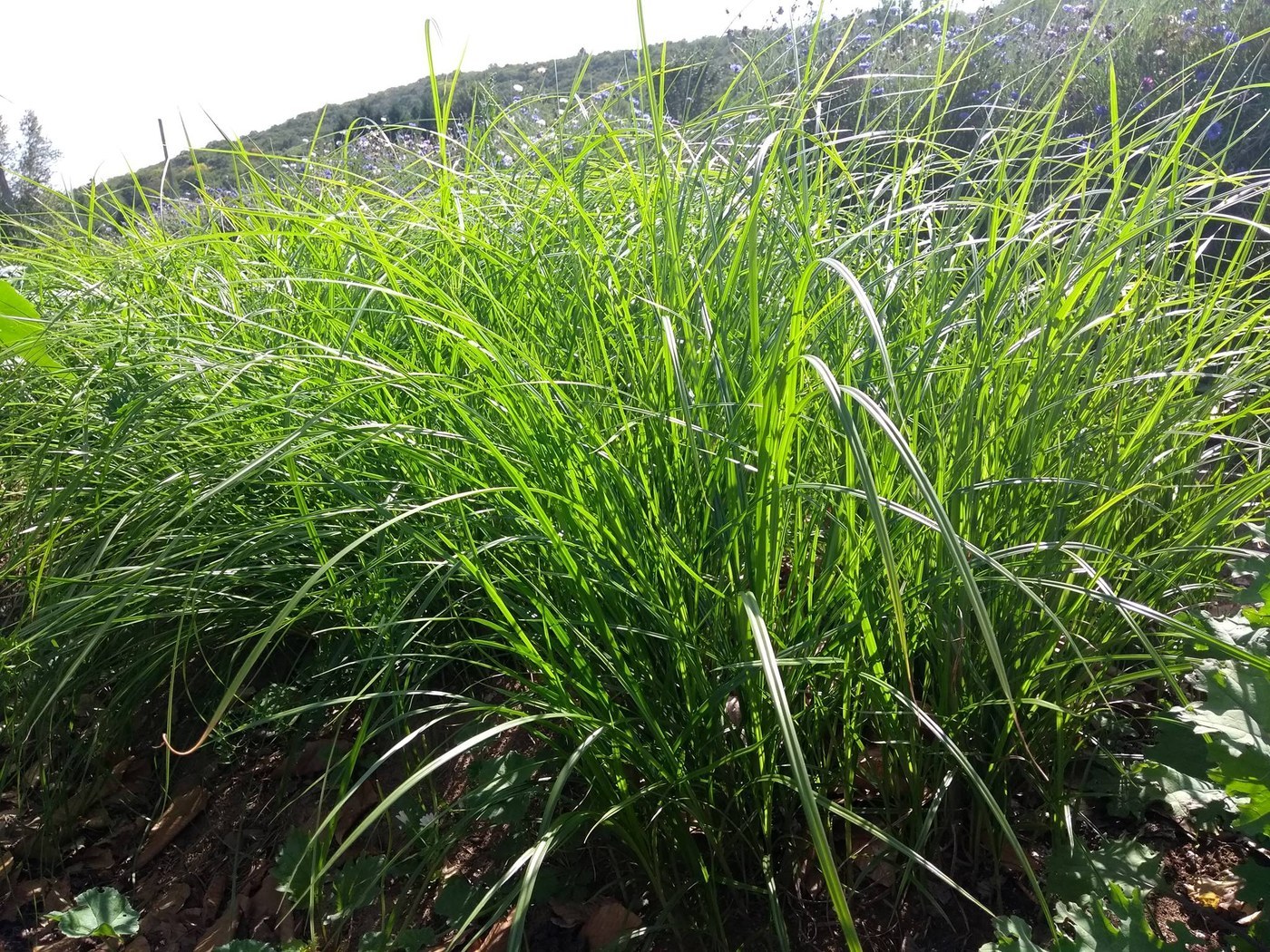
Lemongrass is a clumping tropical perennial grass grown for its strongly lemon-scented stalks and leaves, a familiar plant in Southeast Asian gardens.
The plant forms dense fountain-like clumps of arching blades, with pale tender lower stalks at the base. Its aroma comes largely from citral, the same compound that gives lemons their scent.
Fast-growing and easy in warm climates, lemongrass is also grown as an ornamental grass.
How to identify it
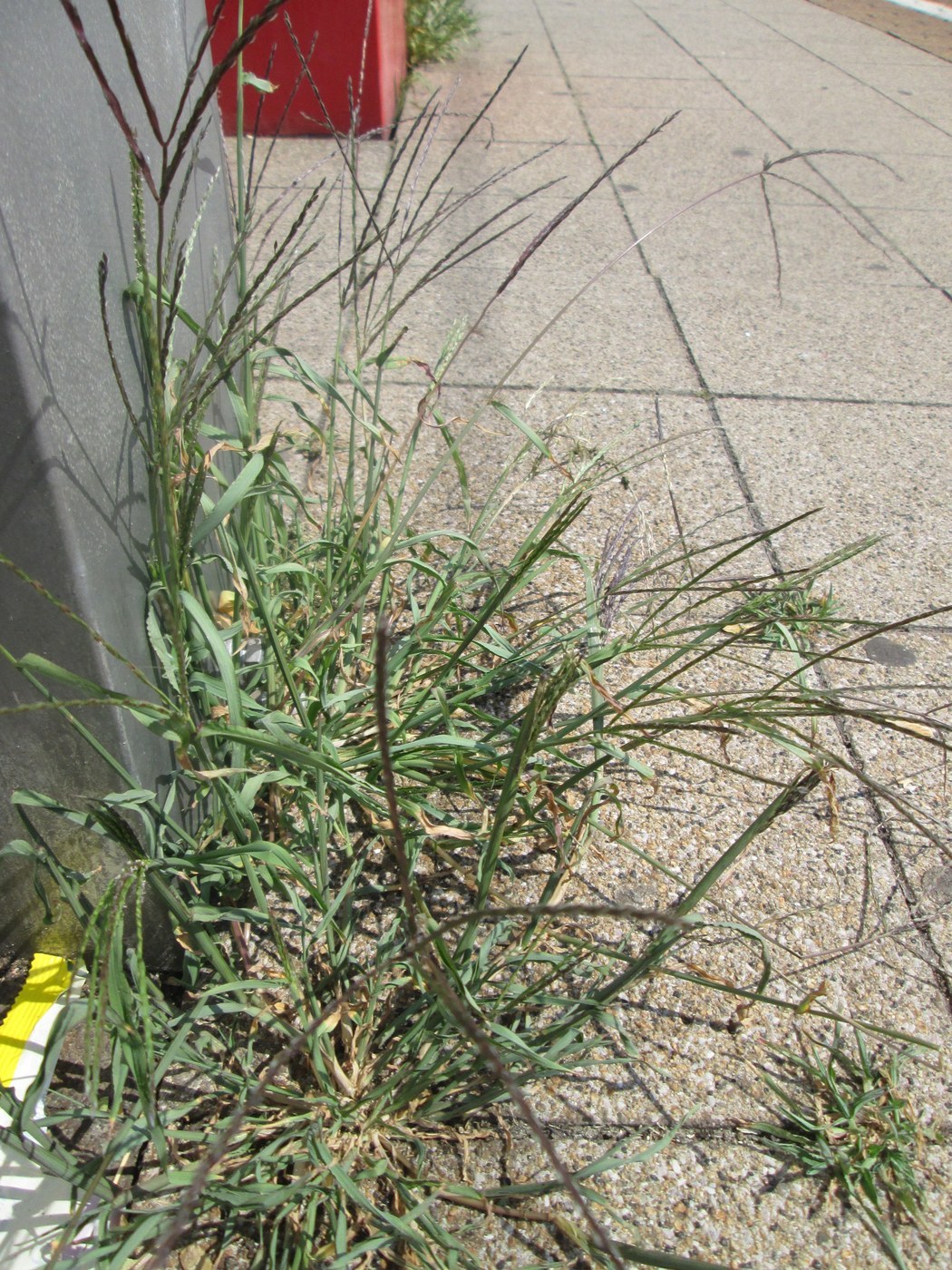
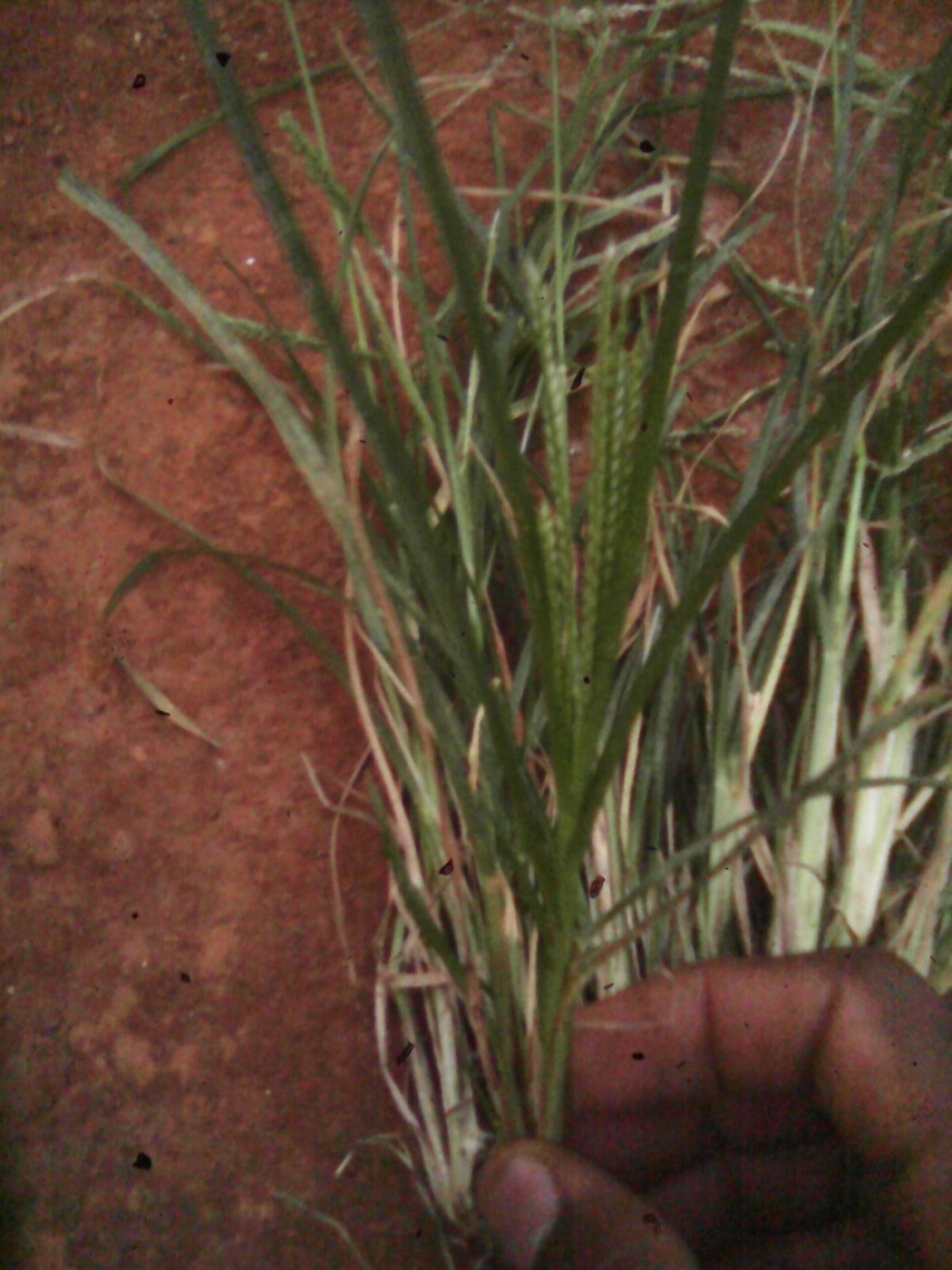
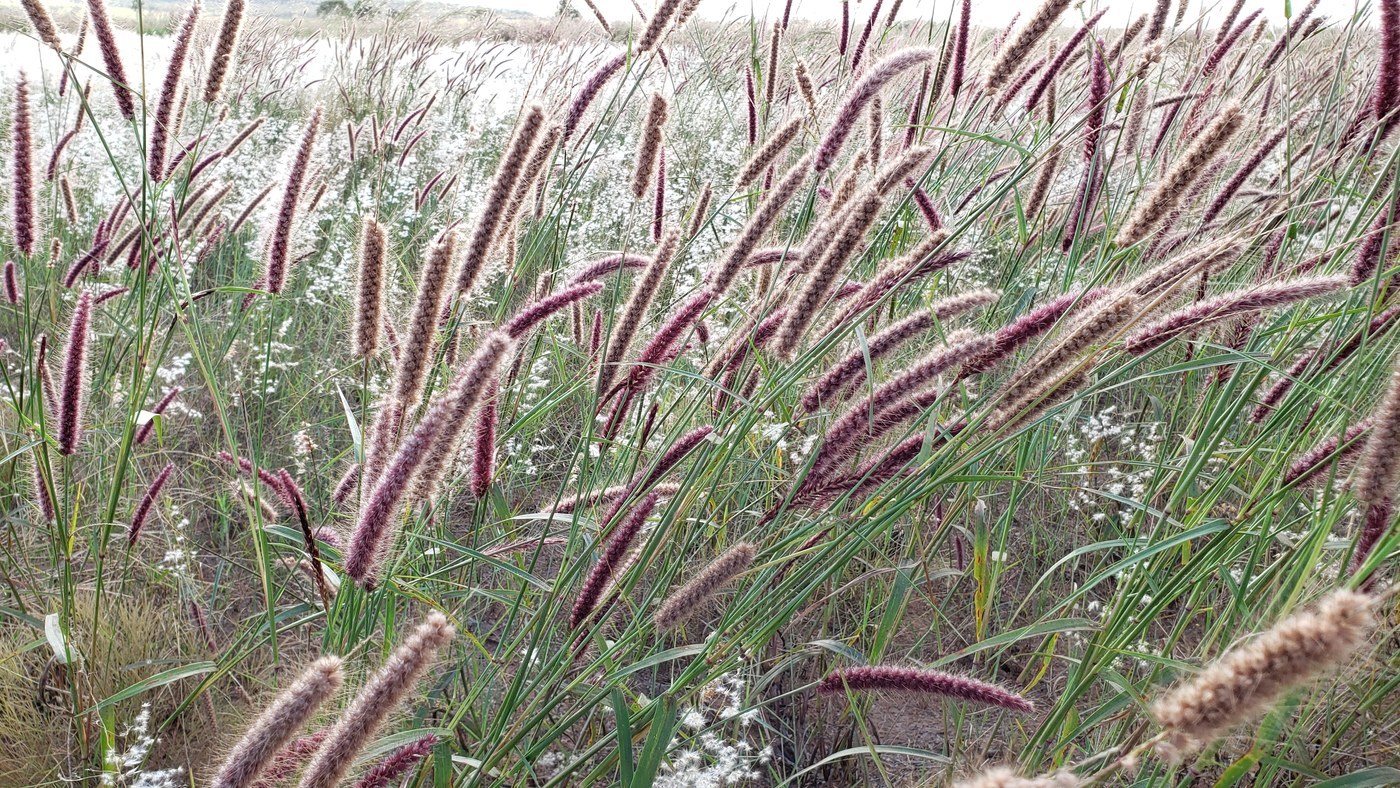
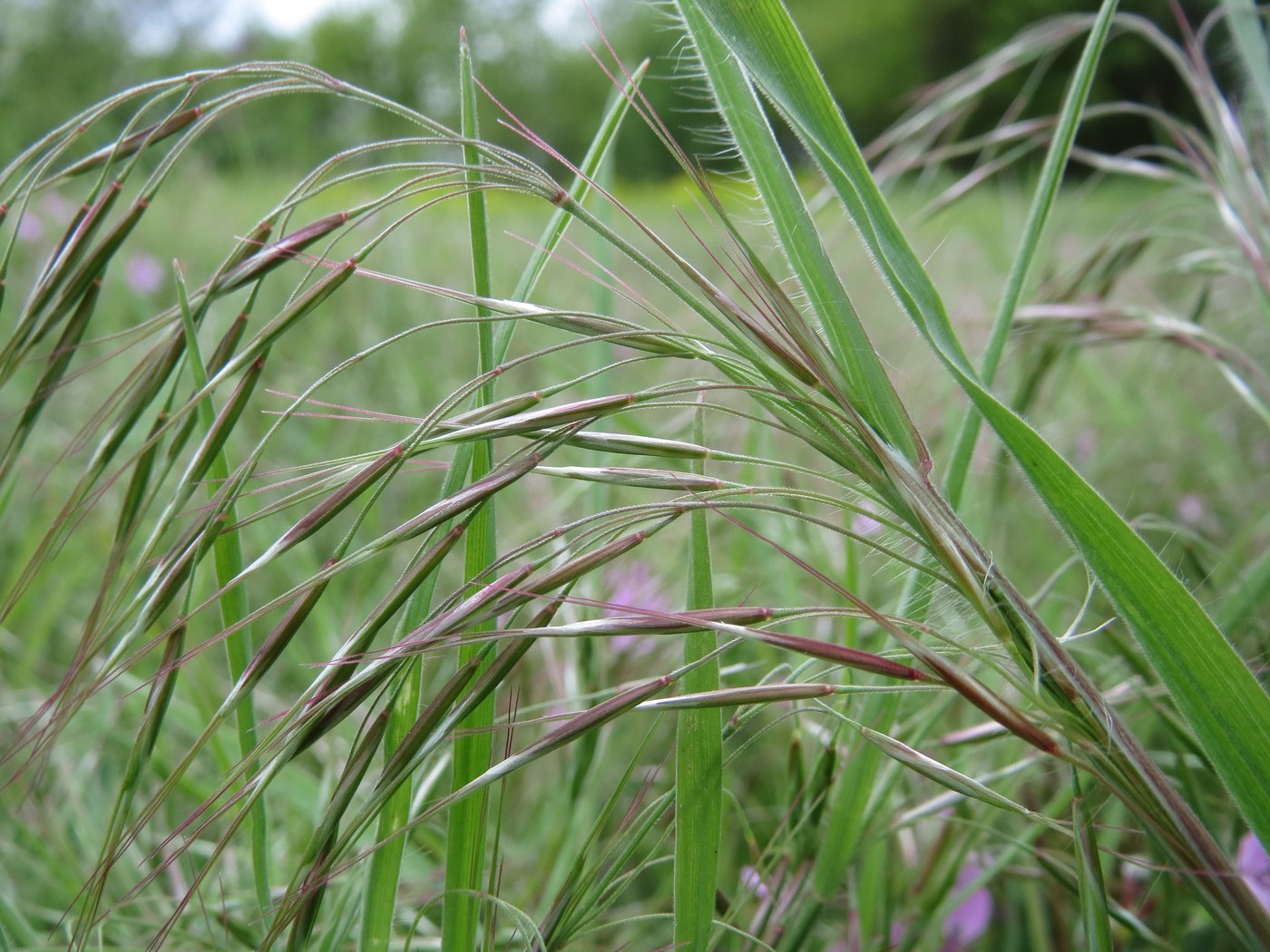
Lemongrass is recognized by its dense clump of citrus-scented blades.
- Leaves: Long, narrow, arching, gray-green blades with rough edges and a strong lemon scent when bruised
- Stalks: Thick, pale, bulbous bases at the bottom of the clump
- Habit: Dense, fountain-shaped clump
- Height: Reaches 1-1.5 m (3-5 ft) tall, sometimes more
- Flowers: Rarely flowers in cultivation outside the tropics
Care & growing
Lemongrass is fast and vigorous given warmth and sun.
- Light: Full sun for the best growth and aroma
- Water: Keep soil consistently moist; it is a thirsty grass
- Soil: Rich, well-drained soil with plenty of organic matter
- Temperature: Tropical; thrives in heat and is damaged by frost, so grow in pots and overwinter indoors in cold climates
- Feeding: Feed with a nitrogen-rich fertilizer during active growth
- Propagation: Easily divided from established clumps, or rooted from fresh stalks placed in water until roots form.
Habitat & origin
Lemongrass is native to tropical Asia, particularly maritime Southeast Asia and India, and is not known in a truly wild state. It has been cultivated for centuries.
It is now grown throughout the tropics and subtropics, and as a summer container plant in temperate regions. Major production occurs in Southeast Asia, India and parts of Africa and the Americas.
Frequently asked questions
Can I grow lemongrass from a stalk bought at the store?
Often yes. Place a fresh stalk with its base intact in a glass of water in a warm, bright spot, and it will usually sprout roots in a couple of weeks, ready to pot up.
Will lemongrass survive winter?
It is frost-tender. In cold climates, grow it in a pot and bring it indoors over winter, or treat it as an annual.
Is lemongrass the same as citronella?
They are closely related grasses in the same genus. The citronella oil used in candles comes mainly from related species, though lemongrass shares some of the insect-repelling aroma.
Lemongrass guides
In-depth guides for identifying, growing, and caring for Lemongrass.
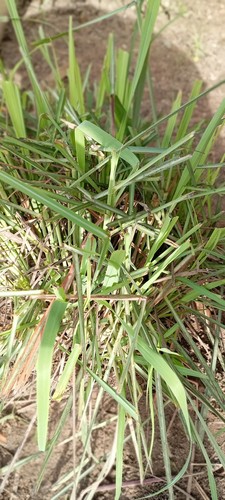
How to Care for Lemongrass
Grow lush, fountain-like lemongrass in full sun with steady moisture; an easy warm-season grass for pots and beds.
Lemongrass Identification Guide
Recognize lemongrass by its tall dense clumps of arching gray-green blades, thickened white-pink stem bases, and strong lemon scent. Includes how to separate it from ornamental grasses and citronella.