
How to Care for Lemongrass
Grow lush, fountain-like lemongrass in full sun with steady moisture; an easy warm-season grass for pots and beds.
Read the full Lemongrass encyclopedia entry →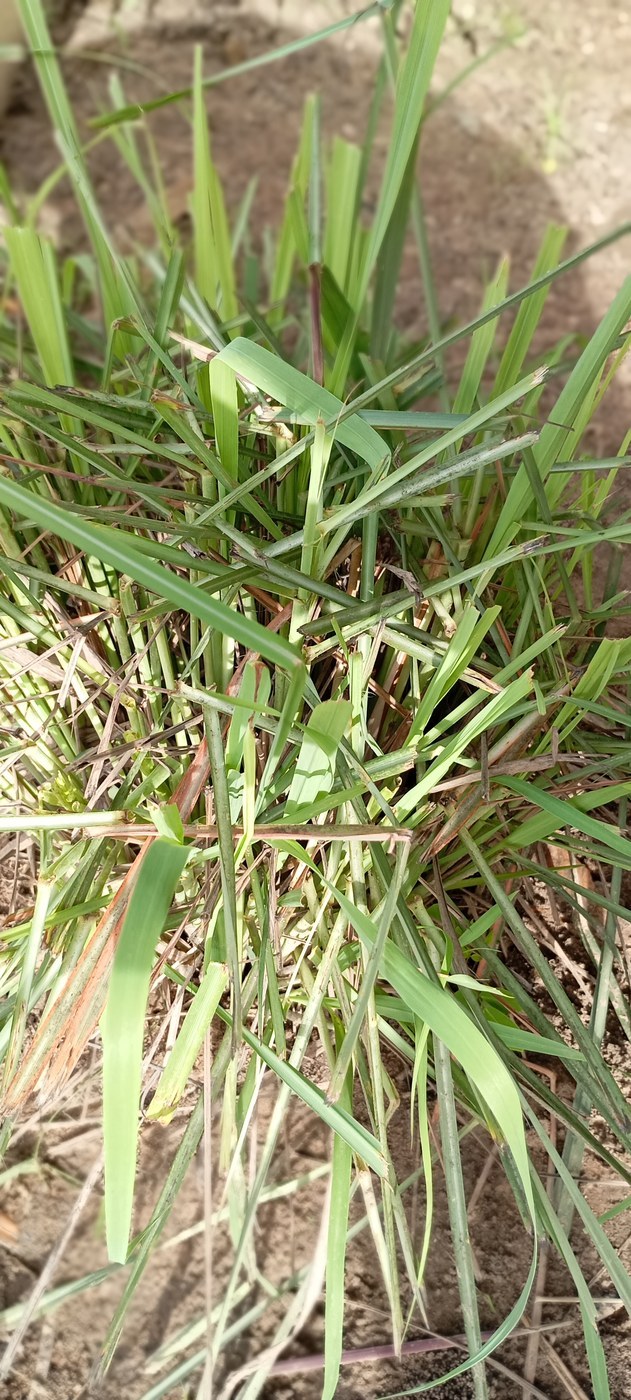
Lemongrass (Cymbopogon citratus) is a fast-growing tropical clumping grass prized for its arching, fountain-shaped foliage and citrusy fragrance. It is an easy plant that rewards full sun and consistent moisture with a dramatic, ornamental clump in a single season.
Light
Give lemongrass the brightest spot you have. Full sun (at least 6-8 hours of direct light) produces the densest, most upright growth and the strongest fragrance. In low light the clump thins, flops, and pales, so indoors place it against a south- or west-facing window or move it outside for the warm months.
Water
Keep the soil consistently moist. Lemongrass is a wetland-margin grass at heart and dislikes drying out fully, especially in containers and during heat. Water deeply whenever the top of the soil begins to feel dry, and expect to water daily in peak summer. It will not tolerate standing in a saucer of water long-term, so let excess drain freely.
Soil & Potting
Use a rich, loamy potting mix with good moisture retention but free drainage. Amending with compost supports the heavy leaf production. Choose a wide, sturdy container with drainage holes, as a vigorous clump can grow large and top-heavy and split thin pots.
Humidity & Temperature
This is a warm-climate grass that thrives in heat and humidity. It grows best between 20-32C (68-90F) and stalls below about 10C (50F). It is frost-tender, so protect it from cold and bring it indoors or into a greenhouse before the first frost in cool climates.
Feeding
Lemongrass is a hungry grass. Feed every 2-4 weeks through the active growing season with a balanced or nitrogen-forward liquid fertilizer to keep the blades green and lush. Reduce or stop feeding in winter when growth slows.
Propagation
Divide established clumps in spring: lift the plant, separate rooted offsets from the outer edge, and replant. You can also root store-bought or garden stalks with the base intact by standing them in a glass of water in a bright spot until new roots and shoots appear, then potting them up.
Repotting / Pruning
Repot or divide every spring, as the clump expands quickly and becomes root-bound. Trim brown or ragged leaf tips with scissors for a tidy look, and cut the whole clump back by half in late winter to force fresh growth. Wear gloves, as the leaf edges are sharp.
Common Problems & Pests
Yellowing lower blades usually signal underwatering or hunger; brown crispy tips point to dry air or salt buildup, remedied by occasional deep flushing. Rust and leaf spot can appear in stagnant, humid conditions, so ensure airflow. Watch for spider mites and aphids indoors and rinse them off or treat with insecticidal soap.
Seasonal Care Tips
Growth explodes in spring and summer, the time to feed, water heavily, and divide. In autumn taper watering and feeding as light drops. In winter, overwinter potted plants in a bright, frost-free spot with much drier soil, or let outdoor clumps in cold zones die back after digging and storing a division indoors.
Frequently asked questions
Why are the leaf tips turning brown?
Brown, crispy tips are usually caused by dry air, inconsistent watering, or salt buildup in the soil. Keep moisture steady, boost humidity, and occasionally flush the pot with plenty of water to leach out salts.
Can I grow lemongrass indoors?
Yes, but it needs your sunniest window, warmth, and steady moisture. It stays smaller and less dense indoors, so many growers move it outside for summer and overwinter it in a bright, frost-free room.
How often should I water lemongrass?
Keep the soil consistently moist and never let it dry out completely. In hot weather potted plants may need daily watering; water whenever the surface starts to feel dry.
How do I keep the clump from getting floppy?
Floppy, thin growth is almost always a light problem. Give it full sun, feed regularly, and cut the clump back hard in late winter to encourage fresh, upright blades.