Crabgrass
Digitaria sanguinalis
Crabgrass is a fast-growing annual grass and one of the most familiar lawn and garden weeds, spreading low across the ground from a central crown like the legs of a crab. It germinates in warm weather and dies with the first frost, leaving behind thousands of seeds.
- Light
- Full sun
- Water
- Drought tolerant; thrives in dry soil
- Difficulty
- Easy
Got a plant like this?
Identify any plant from a photo, free.
Overview
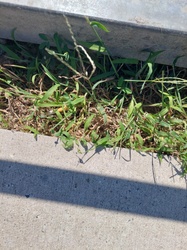
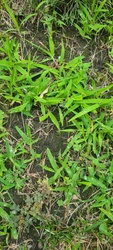
Crabgrass (Digitaria sanguinalis) is a warm-season annual grass found worldwide as a weed of lawns, gardens, fields and disturbed ground. It is named for its sprawling, low growth habit, with stems radiating outward and rooting where they touch soil, resembling a crab's outstretched legs.
It thrives in the conditions that stress lawn grasses: heat, drought, compacted soil and thin or mowed-too-short turf. A single plant can produce thousands of seeds in one season, and those seeds wait in the soil to germinate the following spring once the ground warms.
The genus Digitaria is large; some species are grown agriculturally elsewhere, but D. sanguinalis is best known as a weed.
How to identify it
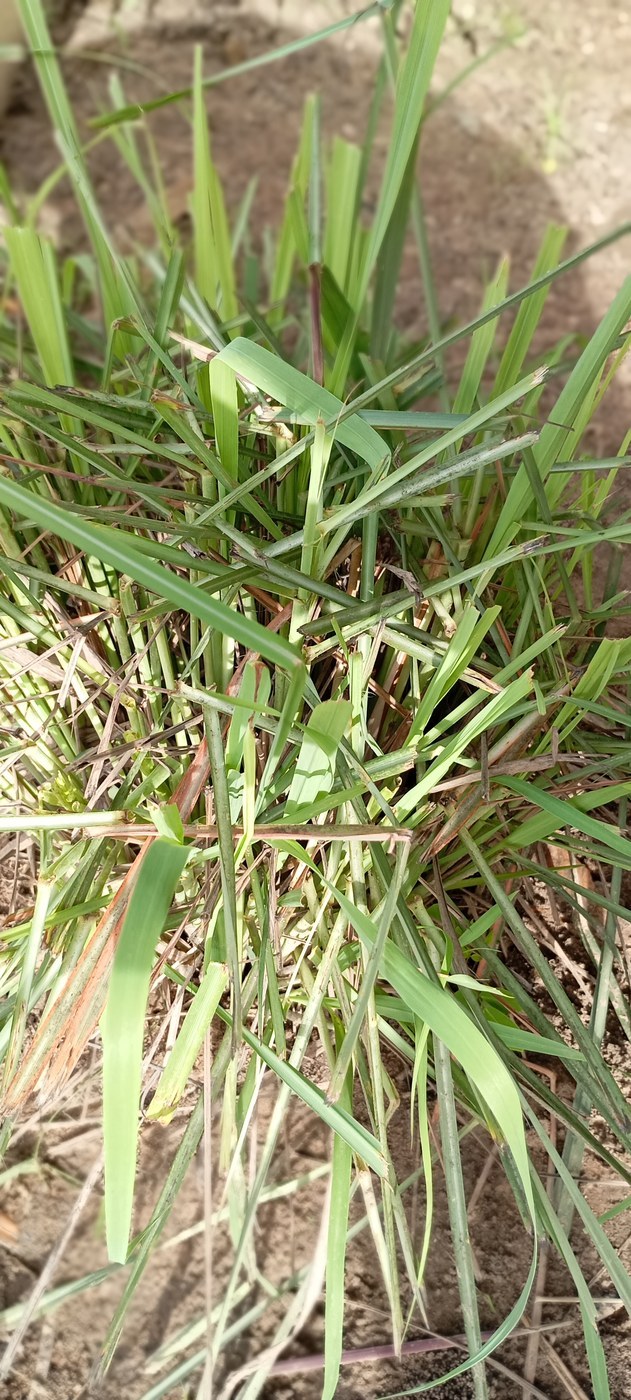
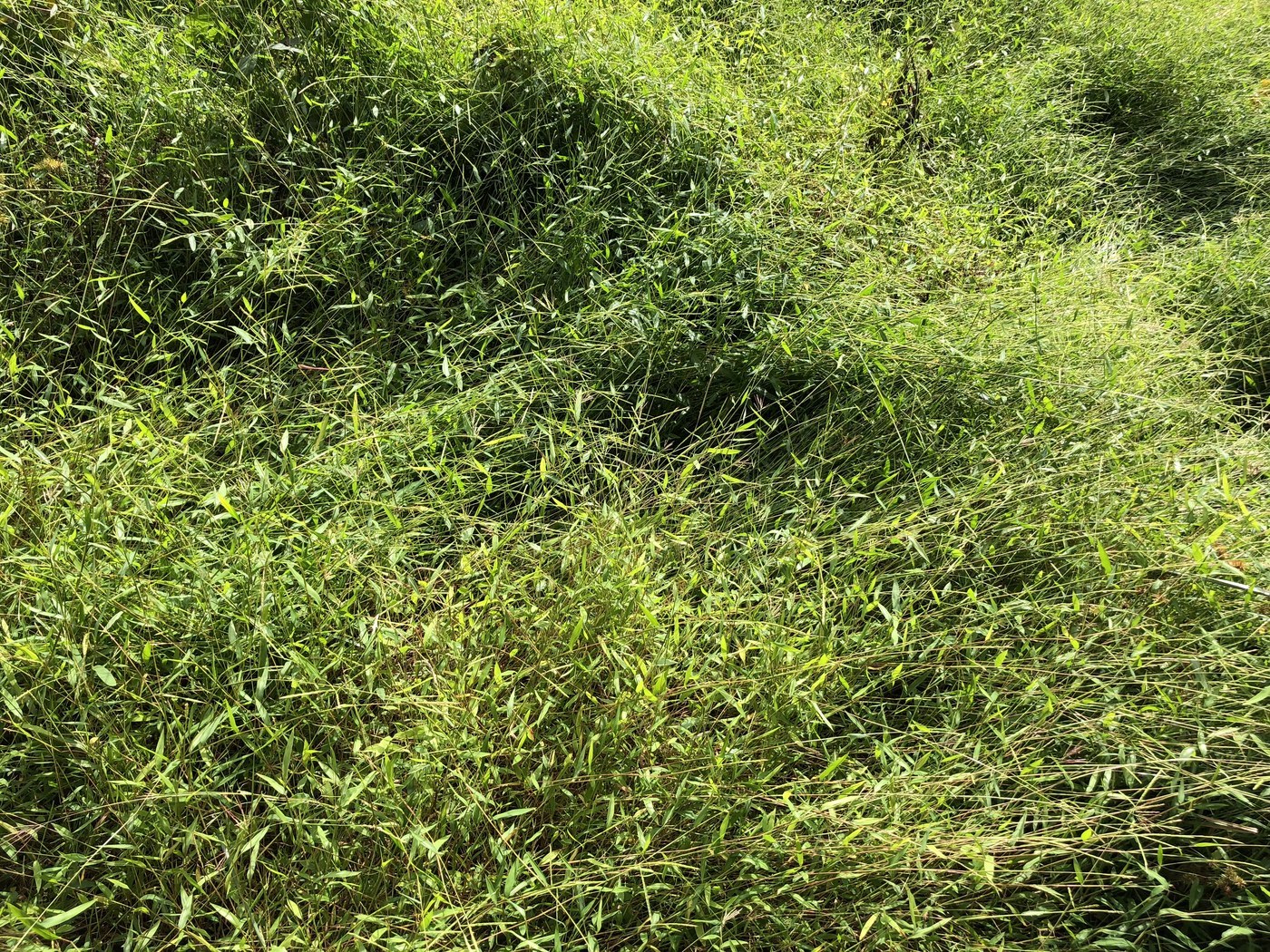
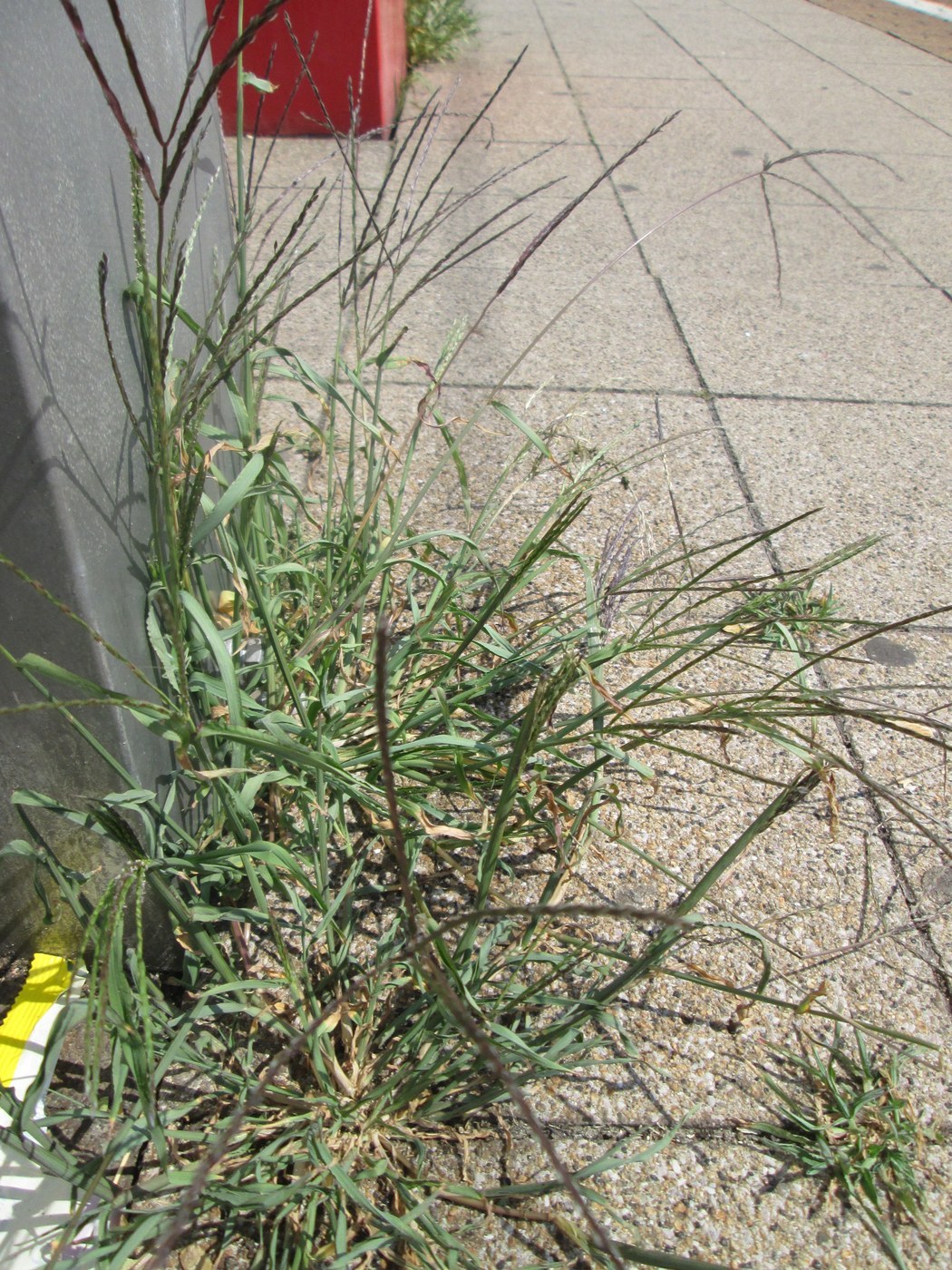
A low, spreading, clump-then-sprawling annual grass, often forming mats up to 1-2 ft across.
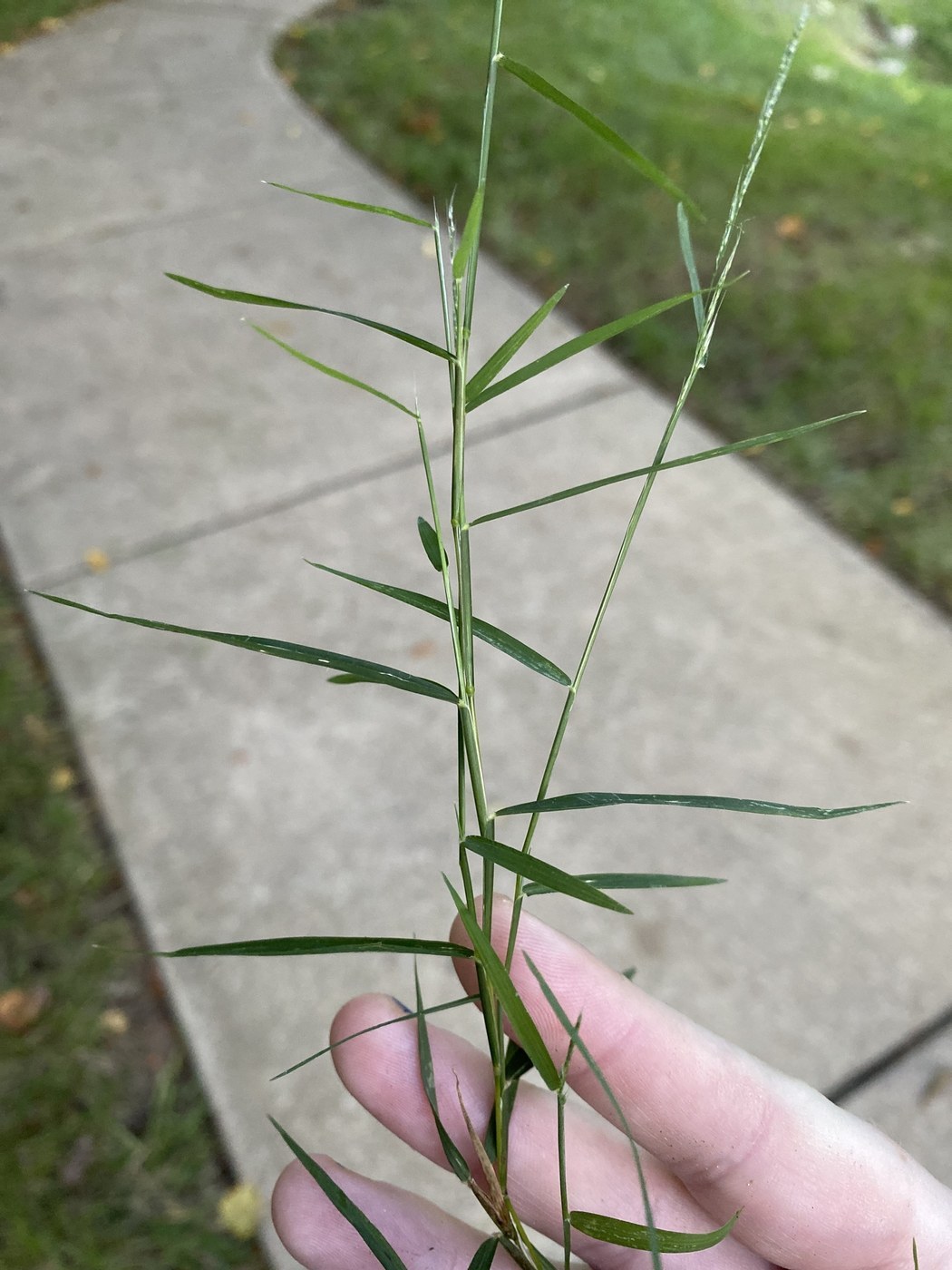
- Growth habit: stems (tillers) spread outward from a central point, often lying flat and rooting at the nodes
- Leaves: flat, pale to medium green blades 1/4-1/3 in wide, often hairy, especially near the base
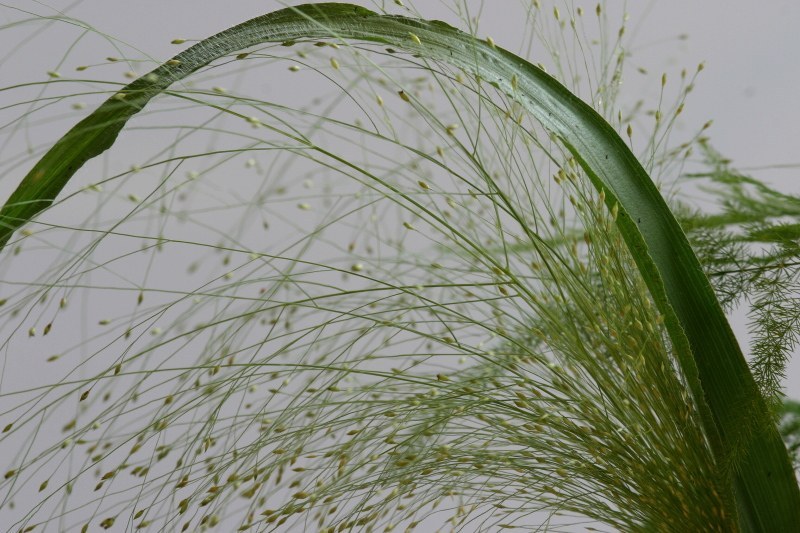
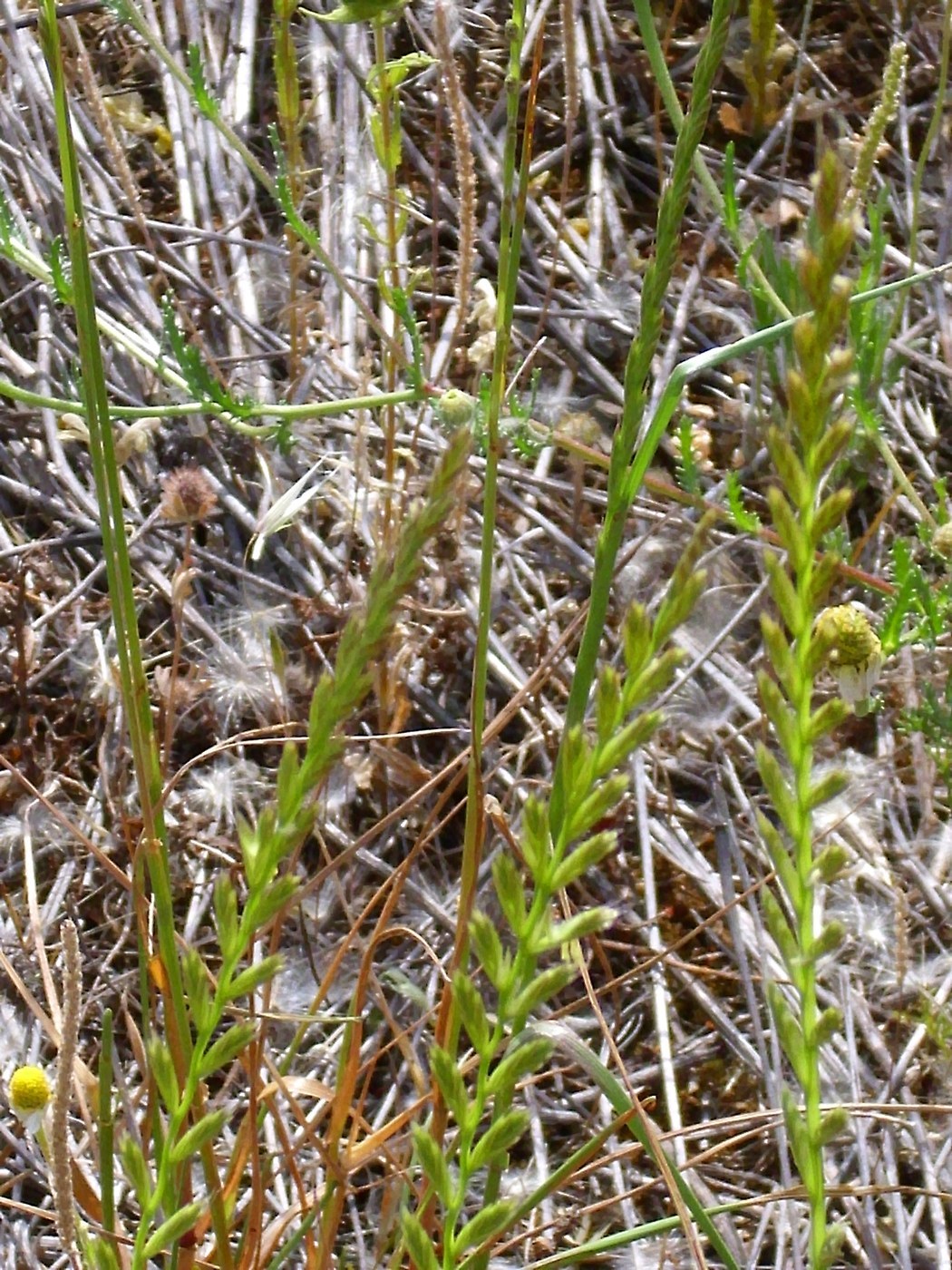
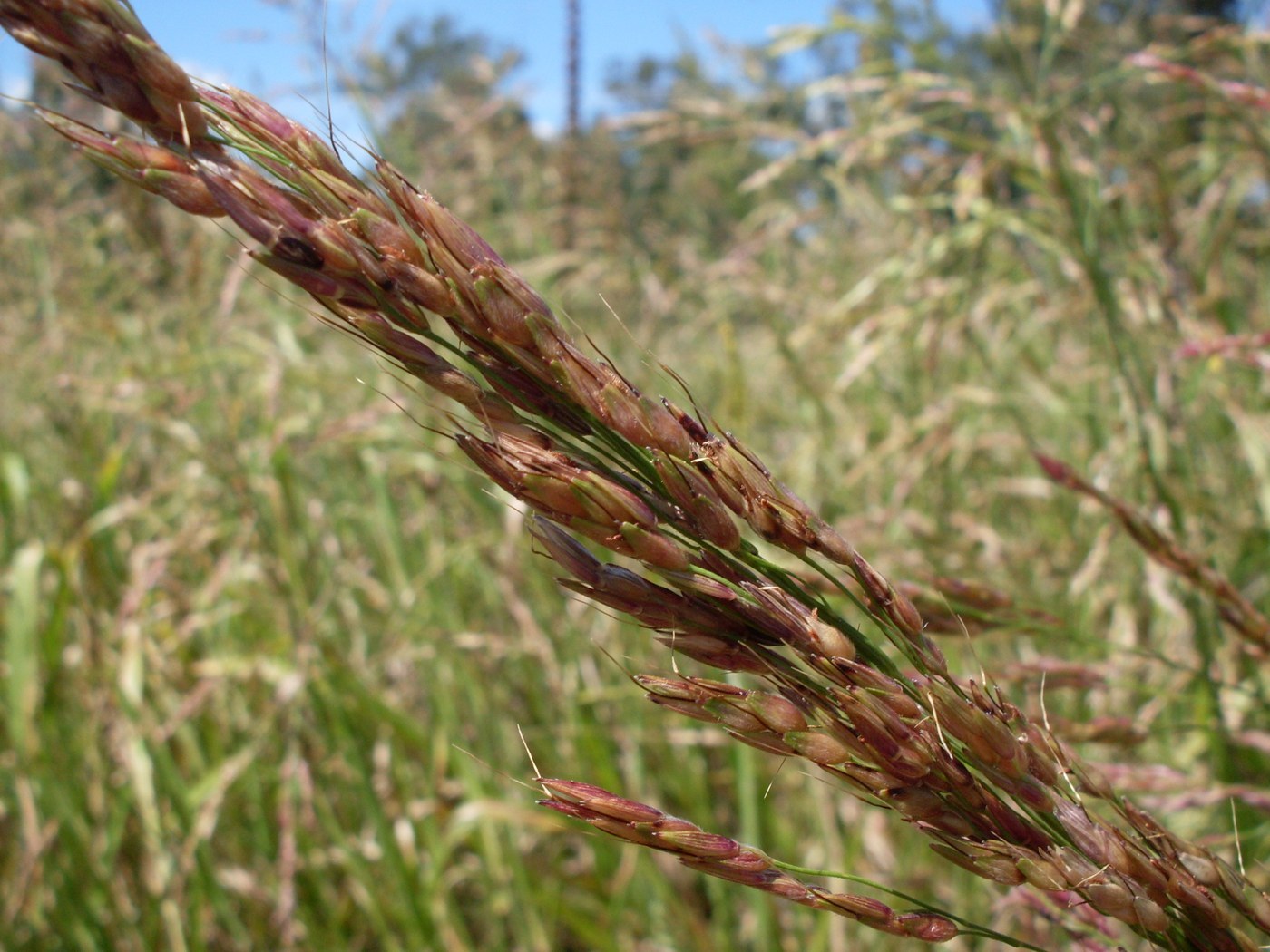
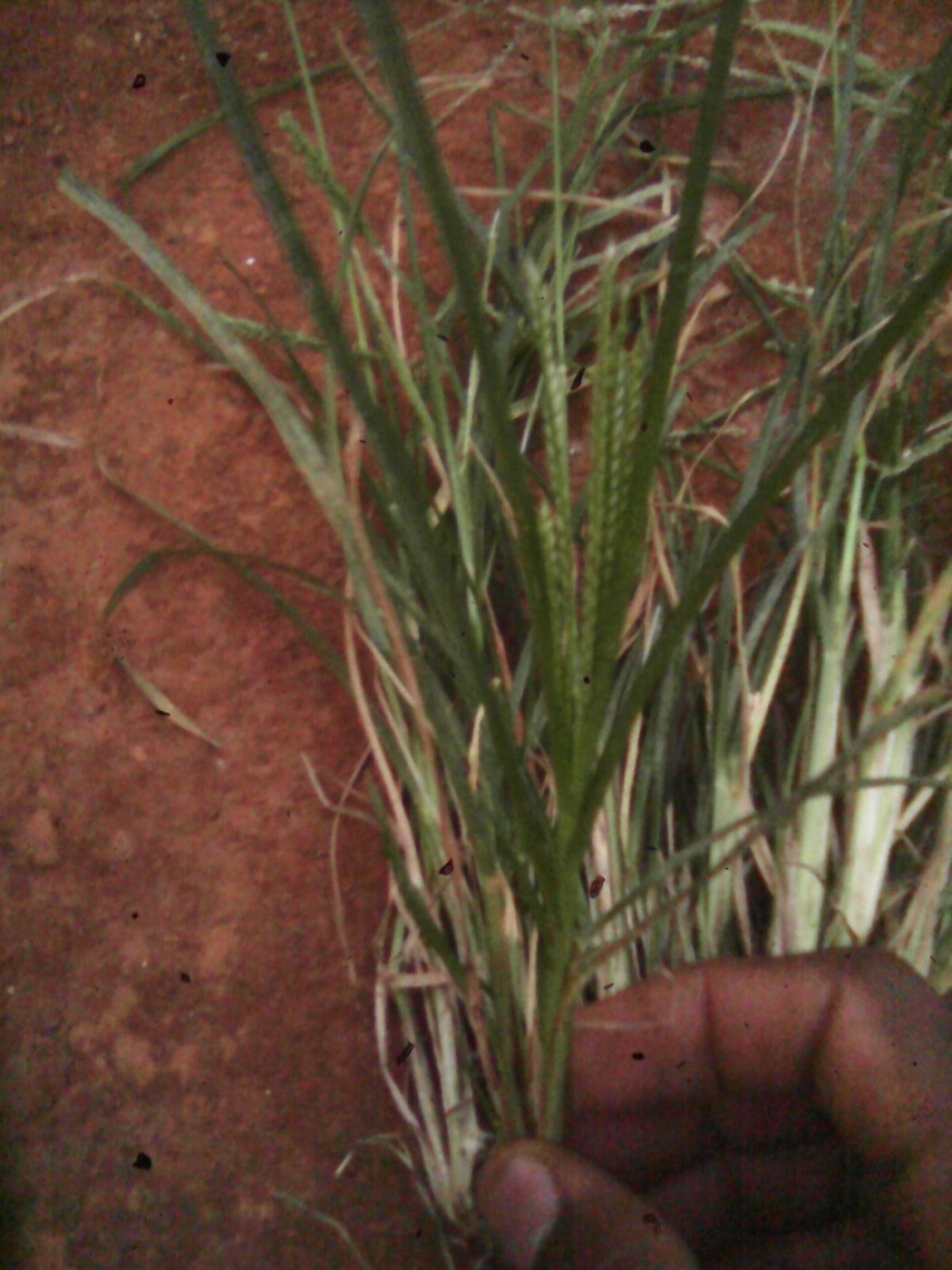
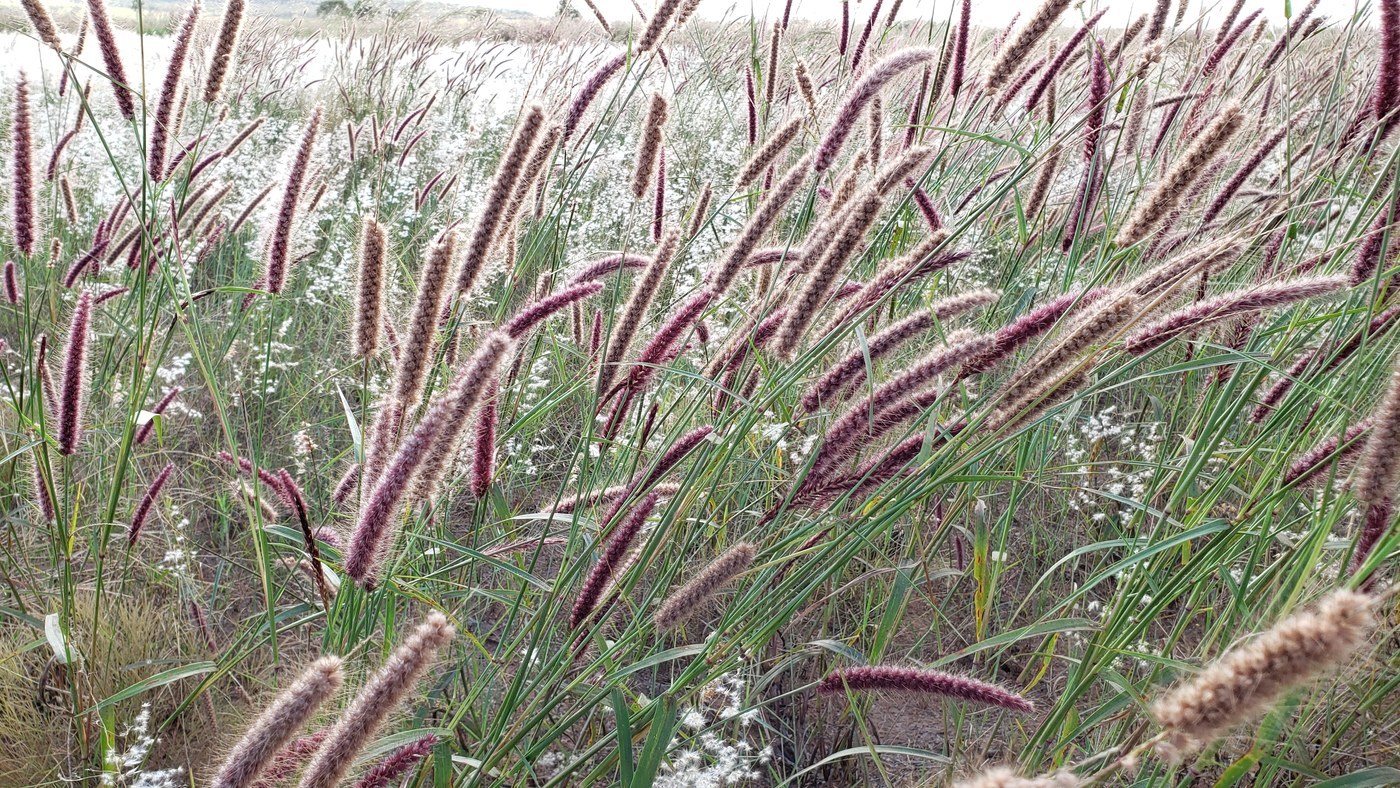
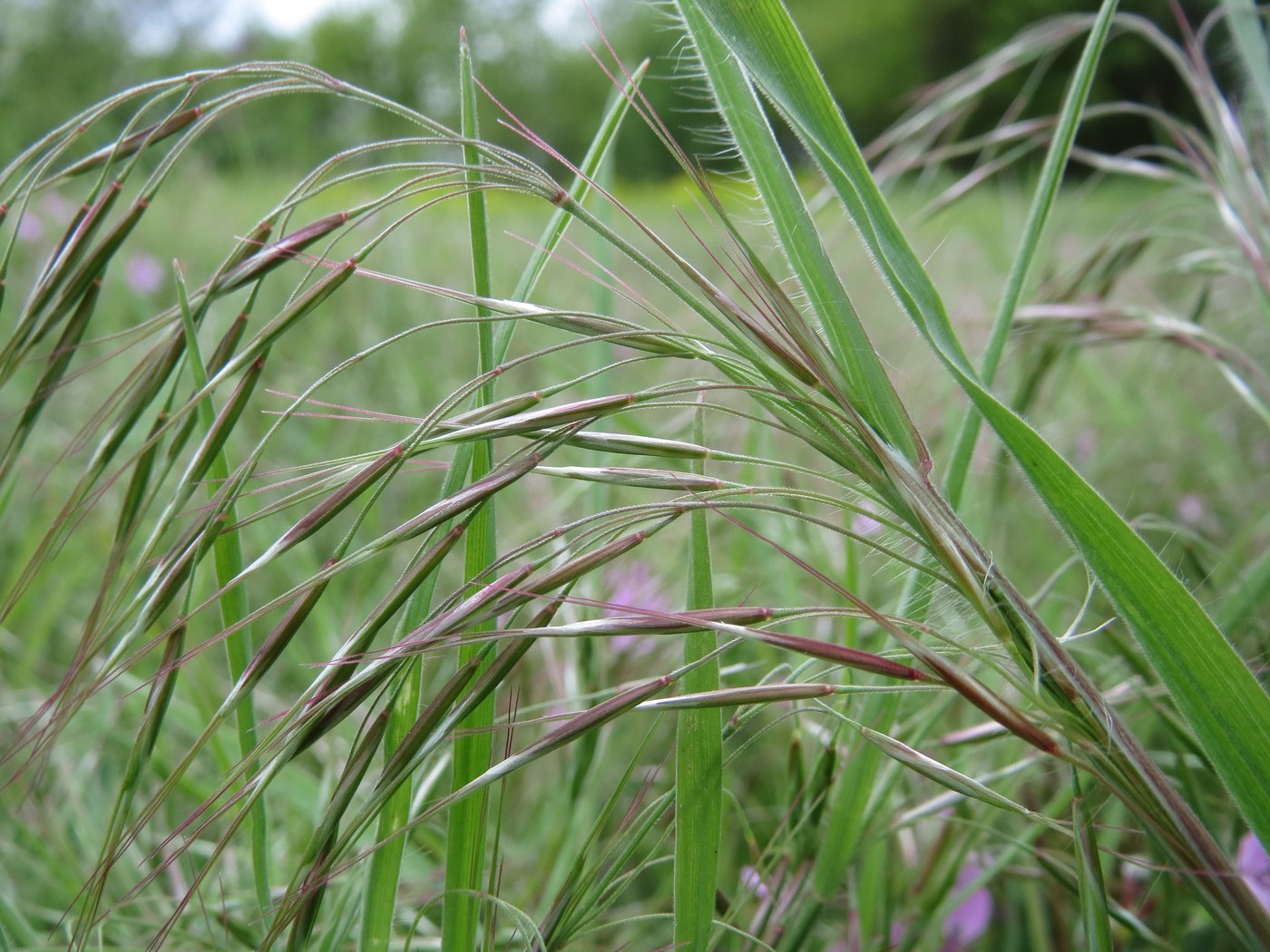
- Seed heads: distinctive finger-like spikes (usually 3-9) radiating from the top of the stem like an umbrella's ribs
- Roots: fibrous and shallow, rooting at lower nodes
- Life cycle: germinates in late spring/early summer, dies at first hard frost
Care & growing
Crabgrass is a weed, so the goal for most people is control rather than cultivation.
- Light: Needs full sun; thin, sunny turf invites it
- Water: Highly drought tolerant once established
- Soil: Tolerates compacted, poor and dry soils
- Control (cultural): Mow lawns tall (3-4 in), water deeply but infrequently, and keep turf dense to shade out germinating seeds
- Control (chemical): A pre-emergent herbicide applied in early spring (before soil reaches ~55-60 F) stops seeds from germinating; post-emergent products target young plants
- Hand removal: Pull or hoe young plants before they set seed
Habitat & origin
Probably native to Europe and warmer parts of Asia, crabgrass is now naturalized virtually worldwide and is one of the most widespread weeds on Earth. It colonizes any sunny, disturbed ground.
It is most troublesome in lawns, vegetable gardens, cropland, roadsides, sidewalk cracks and waste areas, thriving wherever soil is bare, compacted or heat-stressed.
Frequently asked questions
How do I get rid of crabgrass in my lawn?
The best long-term fix is a thick, healthy lawn: mow high, water deeply but infrequently, and apply a pre-emergent herbicide in early spring before the seeds germinate.
Does crabgrass come back every year?
Not the same plant. It is an annual that dies at frost, but it leaves thousands of seeds that germinate the next spring, so it appears to return.
Why is crabgrass taking over my lawn?
It exploits thin, stressed turf. Mowing too short, compacted soil, drought and bare patches all give crabgrass the sun and space it needs.
When does crabgrass germinate?
In spring once soil temperatures stay around 55-60 F, which is the cue to apply pre-emergent control just before that point.
Crabgrass guides
In-depth guides for identifying, growing, and caring for Crabgrass.
How to Care for Crabgrass
Growing guide for crabgrass (Digitaria sanguinalis), a fast, heat-loving annual grass that thrives in full sun and dry, poor soil.
Crabgrass Identification Guide
How to identify crabgrass (Digitaria species), a sprawling summer annual grass weed of lawns, gardens, and pavement cracks.
Crabgrass identified by the community
Real specimens identified with Plant Identifier.