How to Care for Crabgrass
Growing guide for crabgrass (Digitaria sanguinalis), a fast, heat-loving annual grass that thrives in full sun and dry, poor soil.
Read the full Crabgrass encyclopedia entry →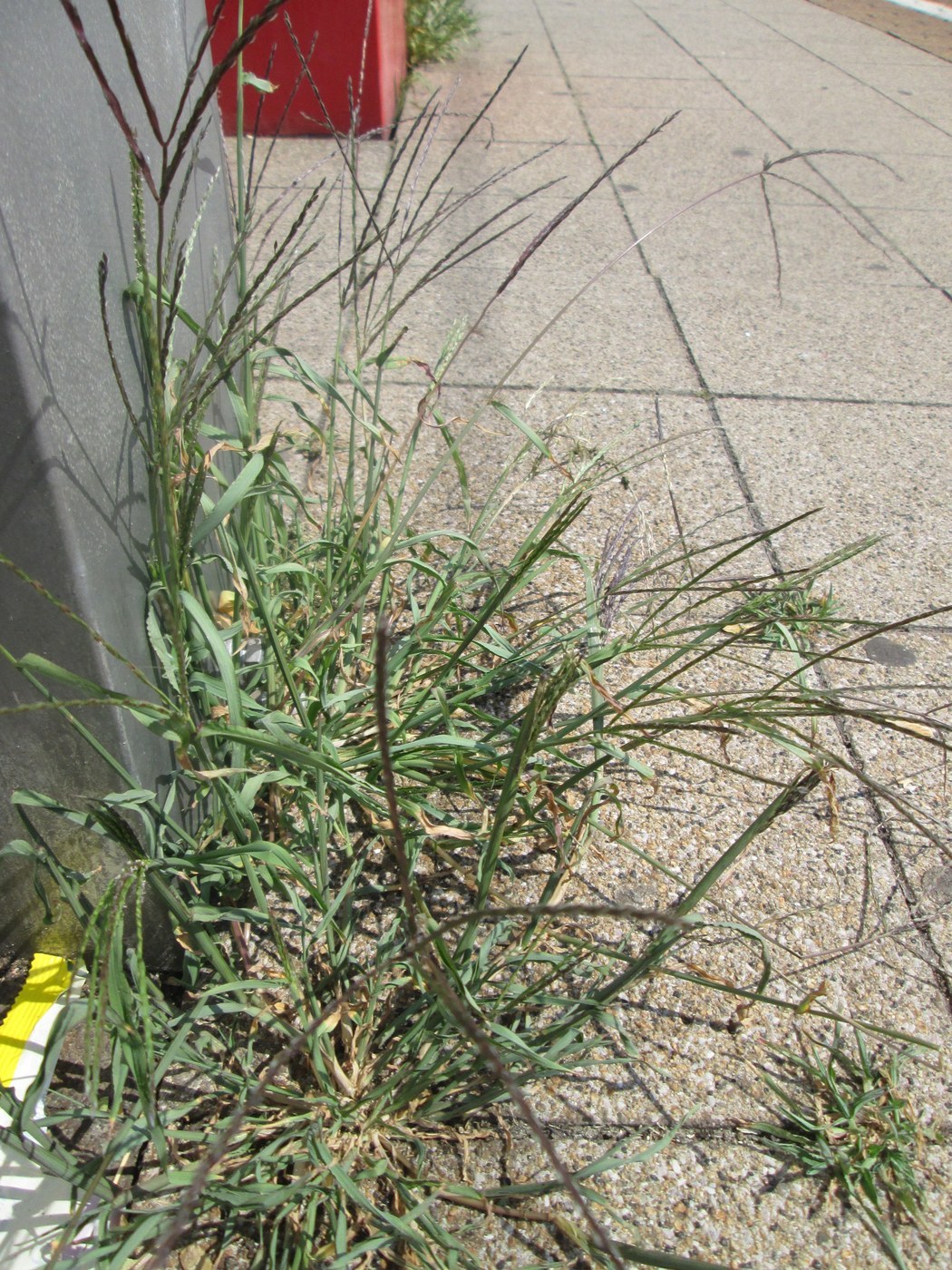
Crabgrass (Digitaria sanguinalis) is a low-growing, warm-season annual grass with sprawling, finger-like seed heads and a remarkable tolerance for heat, drought, and lean soil. Though usually considered a lawn weed, it establishes with almost no effort in full sun and is one of the easiest grasses to grow from seed.
Light
Give crabgrass full sun, ideally 6 or more hours of direct light per day. It is a warm-season C4 grass that photosynthesizes most efficiently in strong heat and bright light, and it becomes thin and weak in shade. The more sun and warmth it gets, the more vigorous and spreading the growth.
Water
Crabgrass is strongly drought tolerant and thrives in dry soil. Established plants need little to no supplemental water and green up quickly after even brief rain. Occasional deep watering during prolonged drought keeps it lush, but overwatering is unnecessary and can encourage competing plants. Let the soil surface dry fully between waterings.
Soil & Potting
This grass tolerates a very wide range of soils, including compacted, sandy, gravelly, and nutrient-poor ground where finer grasses fail. It prefers well-drained soil and adapts to pH from mildly acidic to slightly alkaline. In containers, use any general-purpose potting mix; drainage matters more than richness.
Humidity & Temperature
Crabgrass loves heat and germinates once soil temperatures reach roughly 55 to 60 F, peaking through the hot months. It handles high humidity and dry heat equally well but is frost-sensitive: the first hard freeze kills the annual plants, which then rely on seed to return the following year.
Feeding
Feeding is rarely needed. Crabgrass grows readily in poor soil and a light application of a balanced lawn fertilizer will simply push faster, denser growth. If grown intentionally as a quick summer cover, one modest feeding in early summer is more than enough.
Propagation
Propagation is by seed. A single plant produces thousands of seeds that germinate the following warm season once soil warms. Scatter seed on bare soil in late spring, press it into contact with the surface, and keep lightly moist until germination. It also roots at lower stem nodes where they touch soil, spreading outward.
Repotting / Pruning
As an annual, crabgrass does not need repotting across seasons. Mowing or trimming keeps it low and dense; it tolerates repeated cutting well and simply branches out more. Cutting before the seed heads mature limits self-seeding if you want to control its spread.
Common Problems & Pests
Crabgrass is exceptionally tough and rarely troubled by pests or disease. In damp, crowded conditions it can occasionally show leaf spot or rust fungi, which improve with better airflow and less overhead watering. Its main management challenge is the opposite of most plants: keeping it from spreading where it is not wanted, which is best done by maintaining a dense competing turf and removing seed heads.
Seasonal Care Tips
Expect germination as soil warms in late spring and vigorous growth through summer heat. Plants flower and set seed in late summer, then die back completely at the first frost. If growing it deliberately, plant after the soil has warmed; if managing it, address it before seed set for best results.
Frequently asked questions
Does crabgrass need watering?
Very little. It is drought tolerant and thrives in dry soil, greening up after brief rain. Water deeply only during prolonged drought, and let the surface dry fully between waterings.
How much sun does crabgrass need?
Full sun, at least 6 hours daily. As a warm-season grass it grows best in strong heat and bright light and becomes thin and weak in shade.
How does crabgrass spread?
Primarily by seed, with a single plant producing thousands of seeds. It also roots at lower stem nodes where they touch moist soil, sprawling outward.
Is crabgrass hard to grow?
No, it is one of the easiest grasses to establish. It germinates readily in warm soil and tolerates poor, compacted, and dry ground where finer grasses struggle.
When does crabgrass die back?
It is a warm-season annual, so the first hard frost kills the plants. It returns the next season from the abundant seed it sets in late summer.
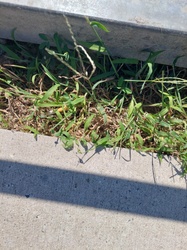
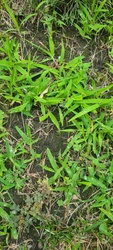
Crabgrass identified by the community
Recent Crabgrass specimens identified with Plant Identifier.