Witchgrass
Panicum capillare
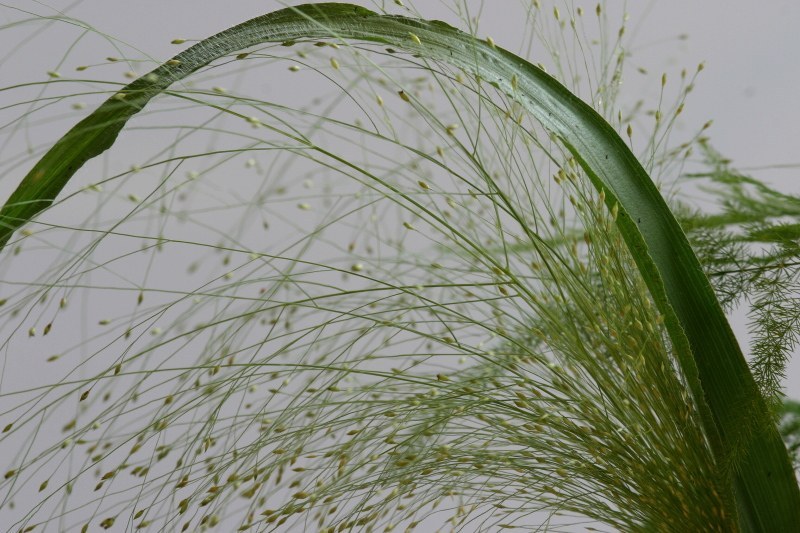
Witchgrass is a native North American annual grass famous for its huge airy seedhead that breaks off and tumbles in the wind, scattering seed as it rolls.
- Light
- Full sun
- Water
- Drought-tolerant once established
- Difficulty
- Easy
Got a plant like this?
Identify any plant from a photo, free.
Overview
Witchgrass (Panicum capillare) is a warm-season annual grass native to North America, found in fields, roadsides and disturbed sandy ground. Its name comes from the wispy, hair-like branches of its enormous flowering panicle.
At maturity the entire seedhead often detaches and tumbles across the landscape like a small tumbleweed, an effective seed-dispersal strategy. It is sometimes a weed of crops but is also a useful early-successional and wildlife plant.
How to identify it
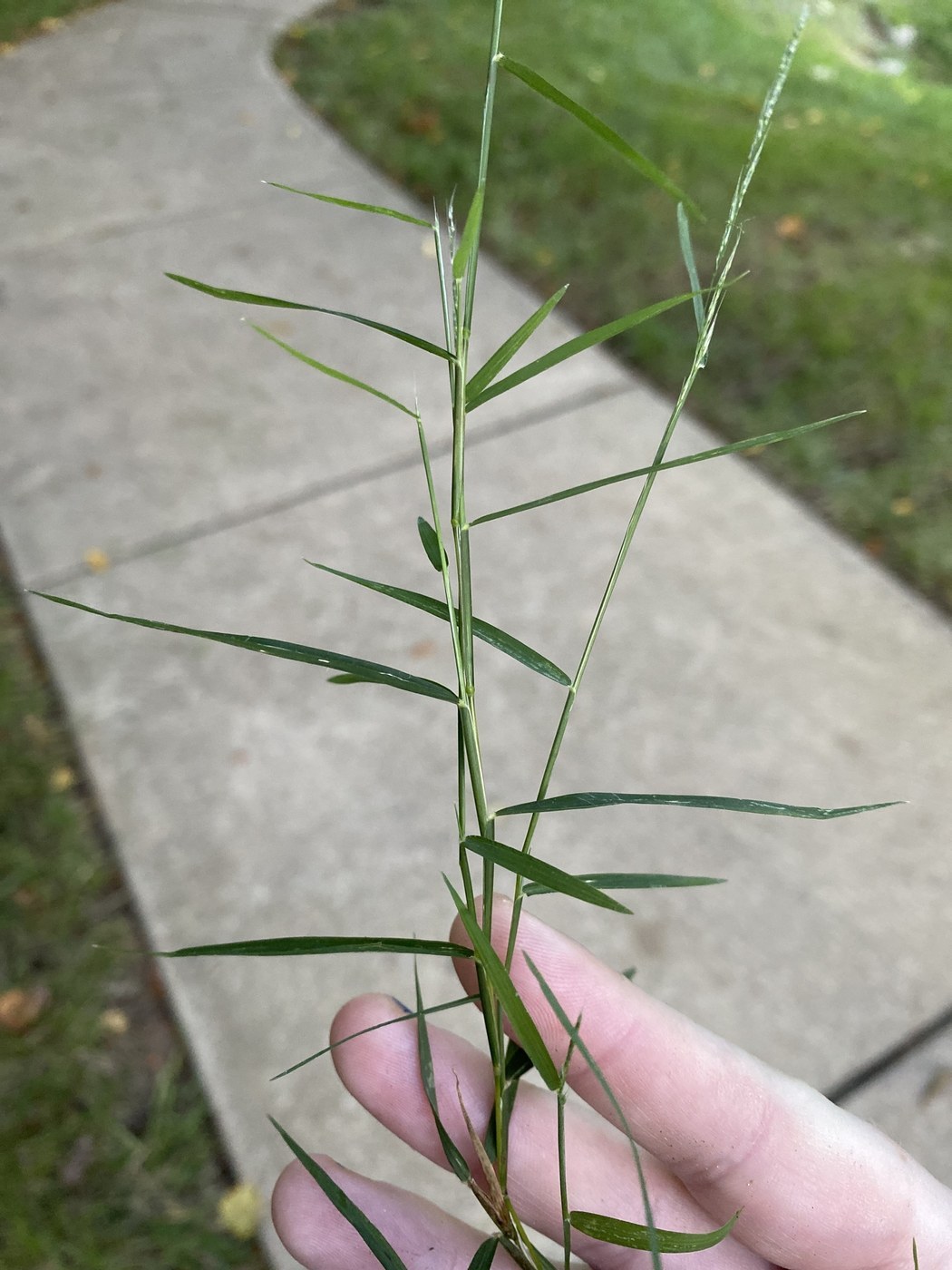
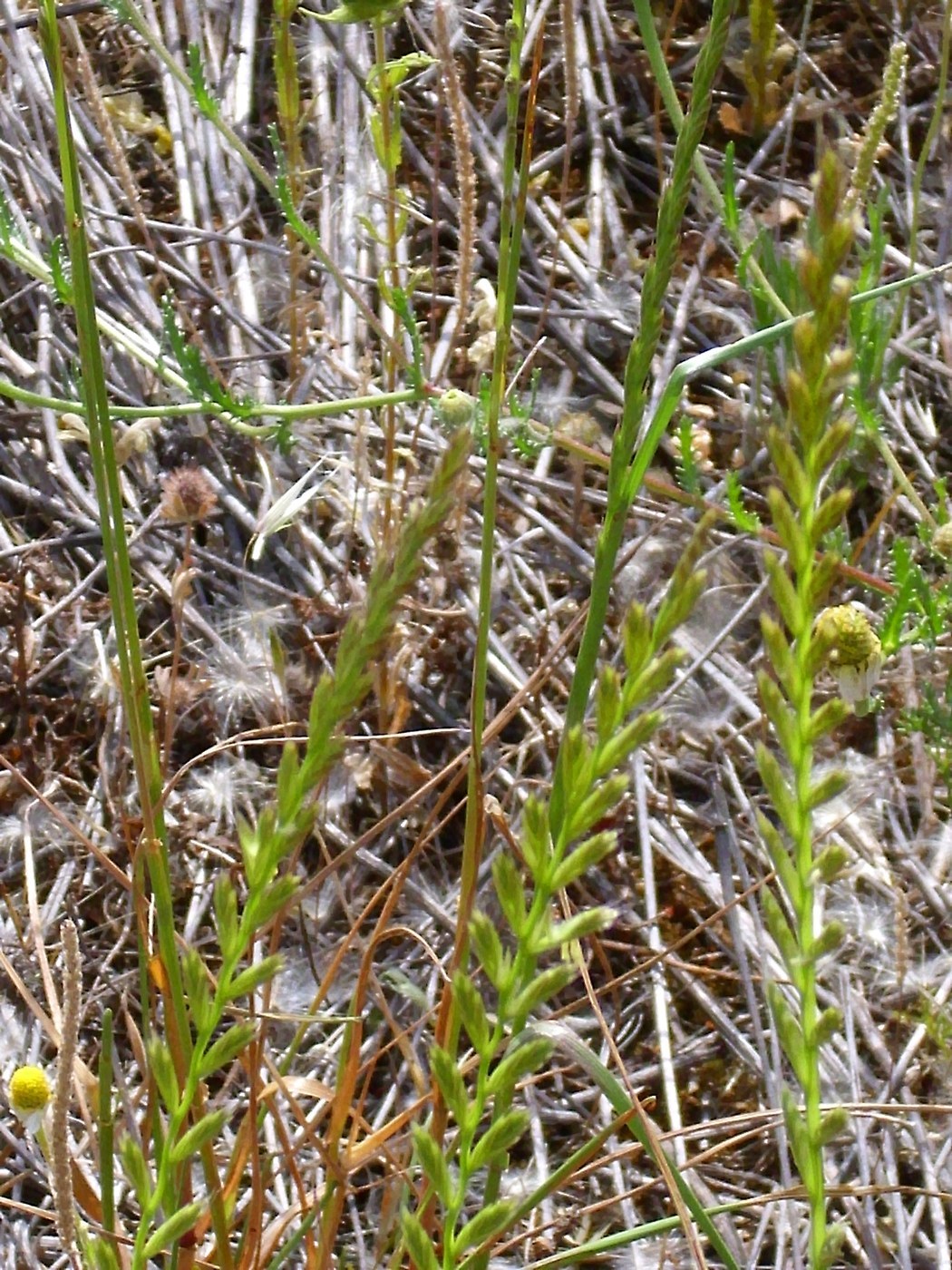
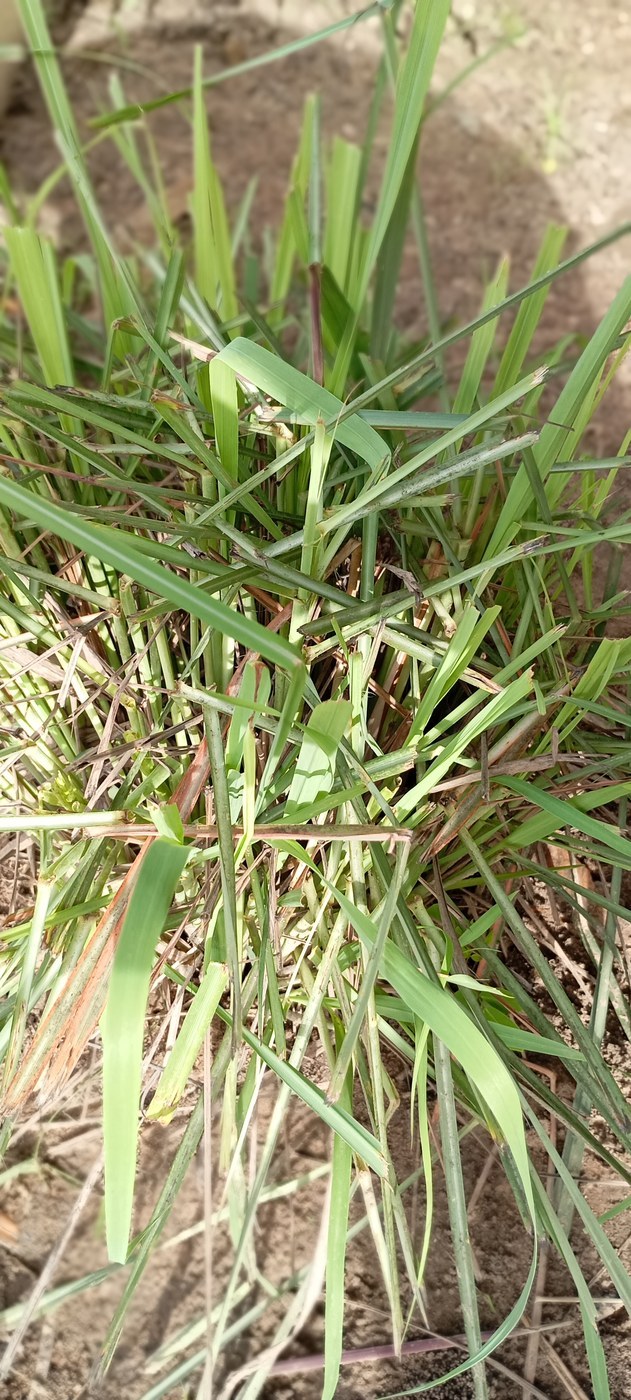
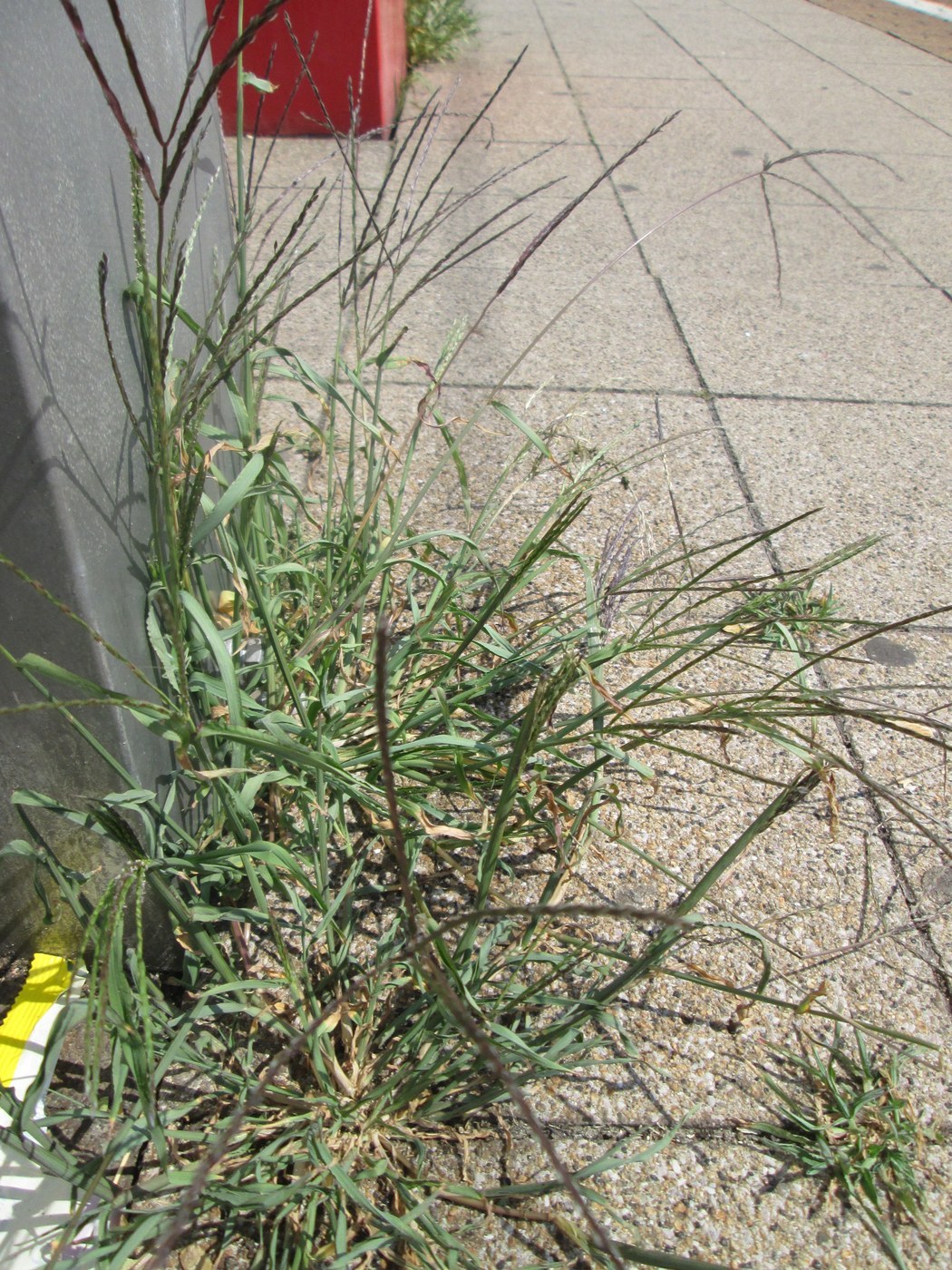
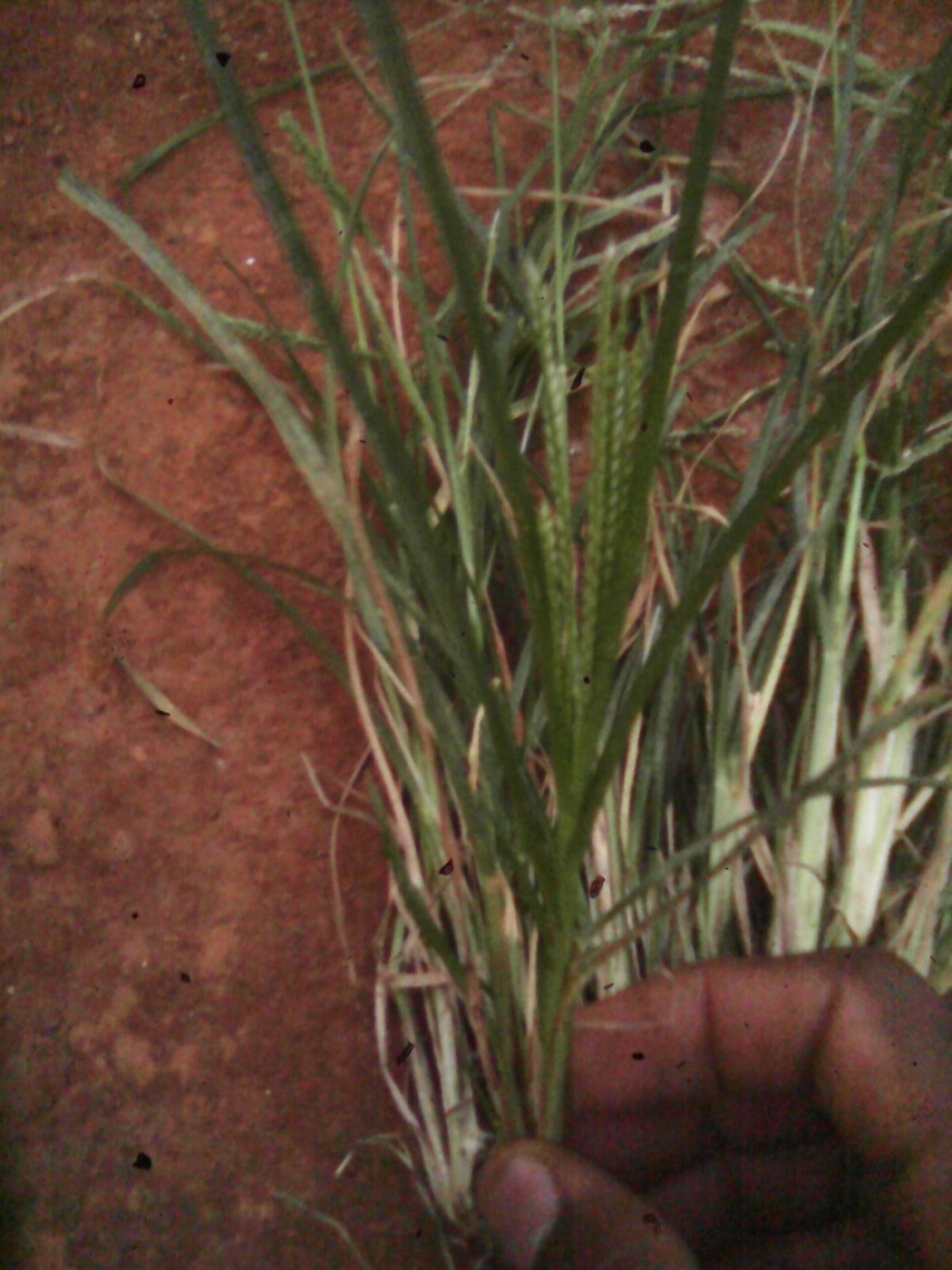
A tufted annual usually 20–80 cm tall with a distinctly hairy appearance.
- Leaves: flat blades densely covered in soft hairs; leaf sheaths also conspicuously hairy
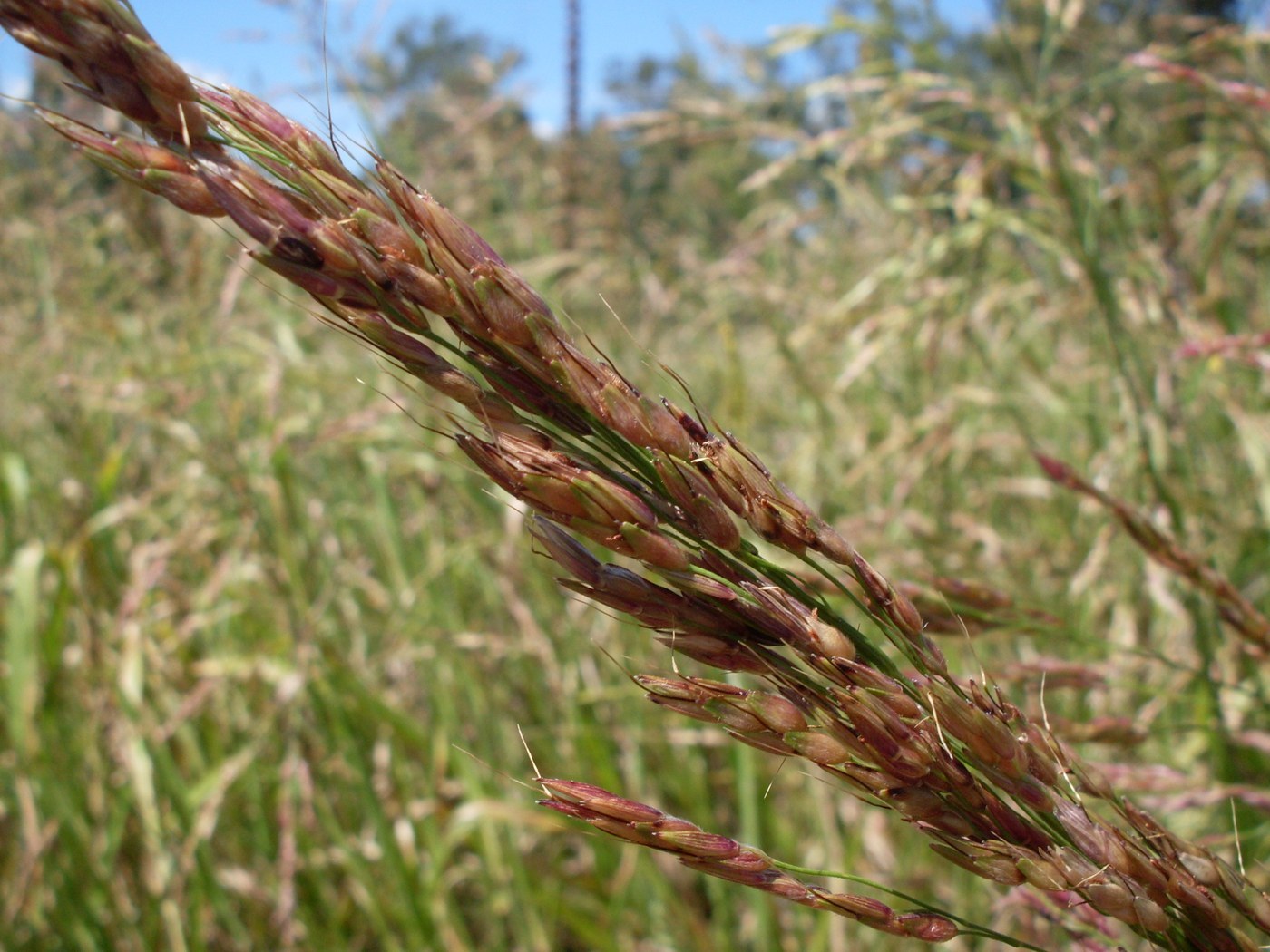
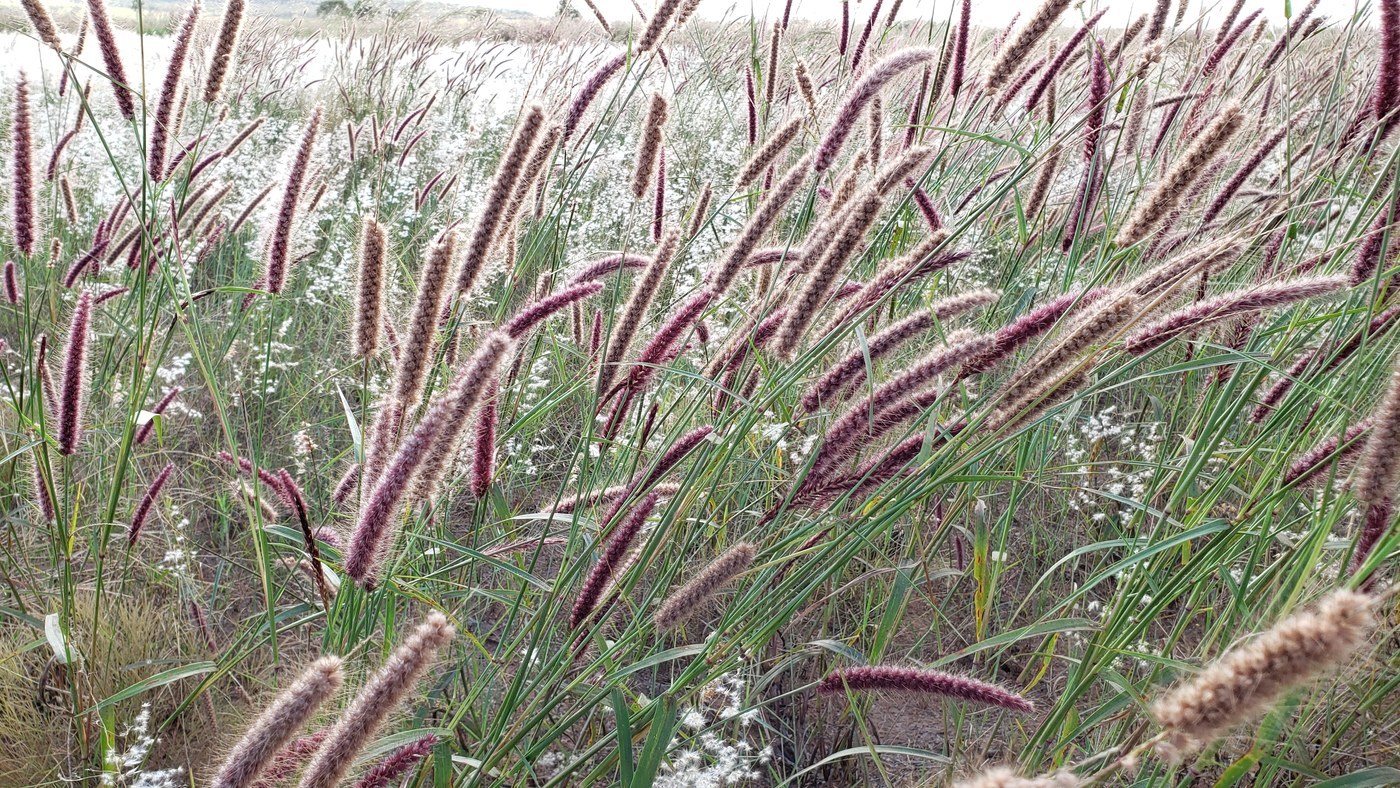
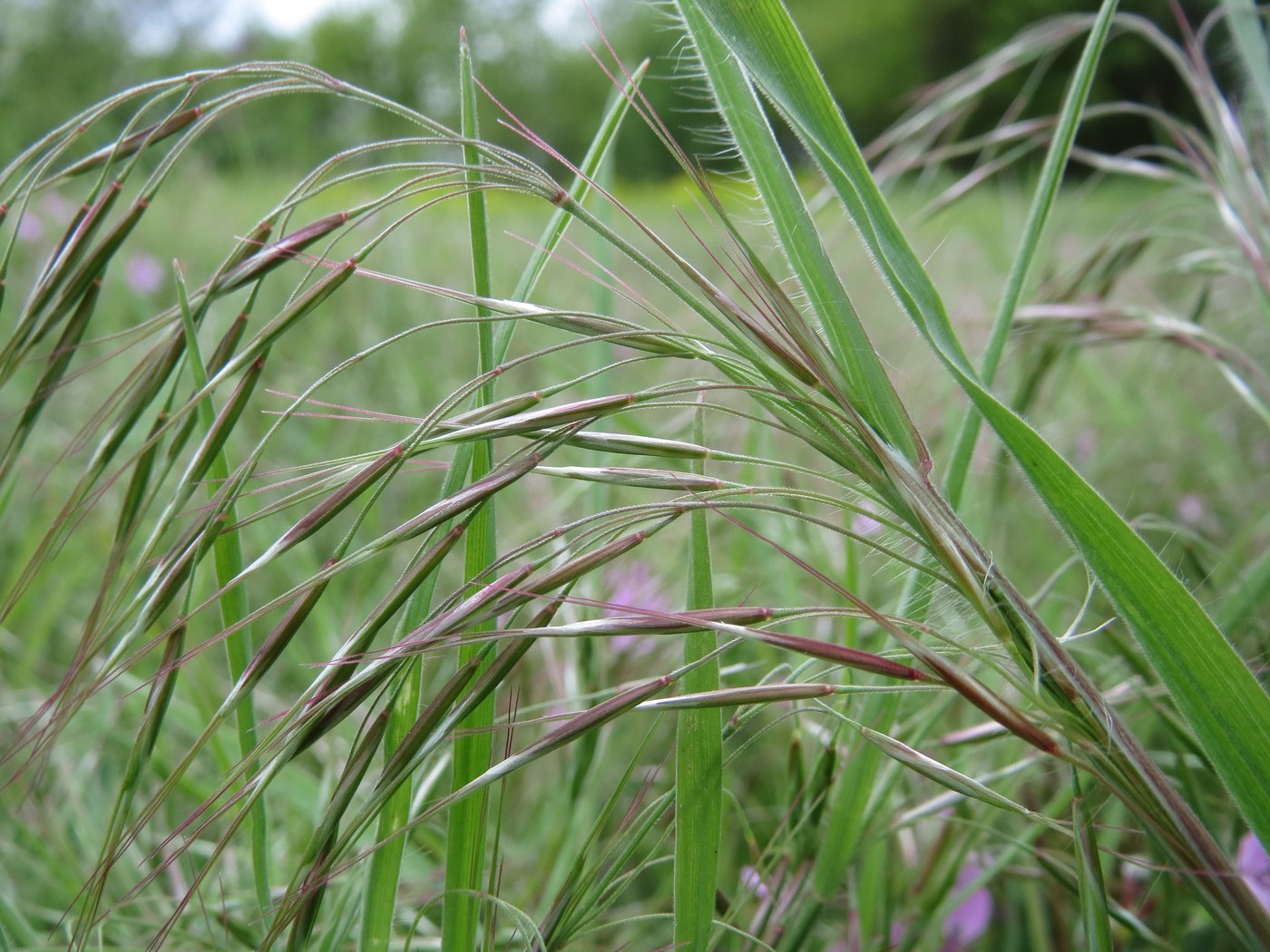
- Seedhead: a very large, diffuse, finely branched panicle that can make up half the plant's height
- Spikelets: tiny, borne at the tips of fine, capillary (hair-thin) branches
- Habit: the mature panicle frequently breaks off and tumbles, spreading seed
Care & growing
Not usually cultivated; thrives on neglect in poor, dry soils.
- Light: full sun
- Water: very drought-tolerant; favors dry, sandy or gravelly soils
- Soil: tolerates poor, disturbed and sandy substrates
- Temperature: warm-season annual germinating in late spring
- Propagation: by seed, dispersed when the tumbling panicle scatters across open ground
Habitat & origin
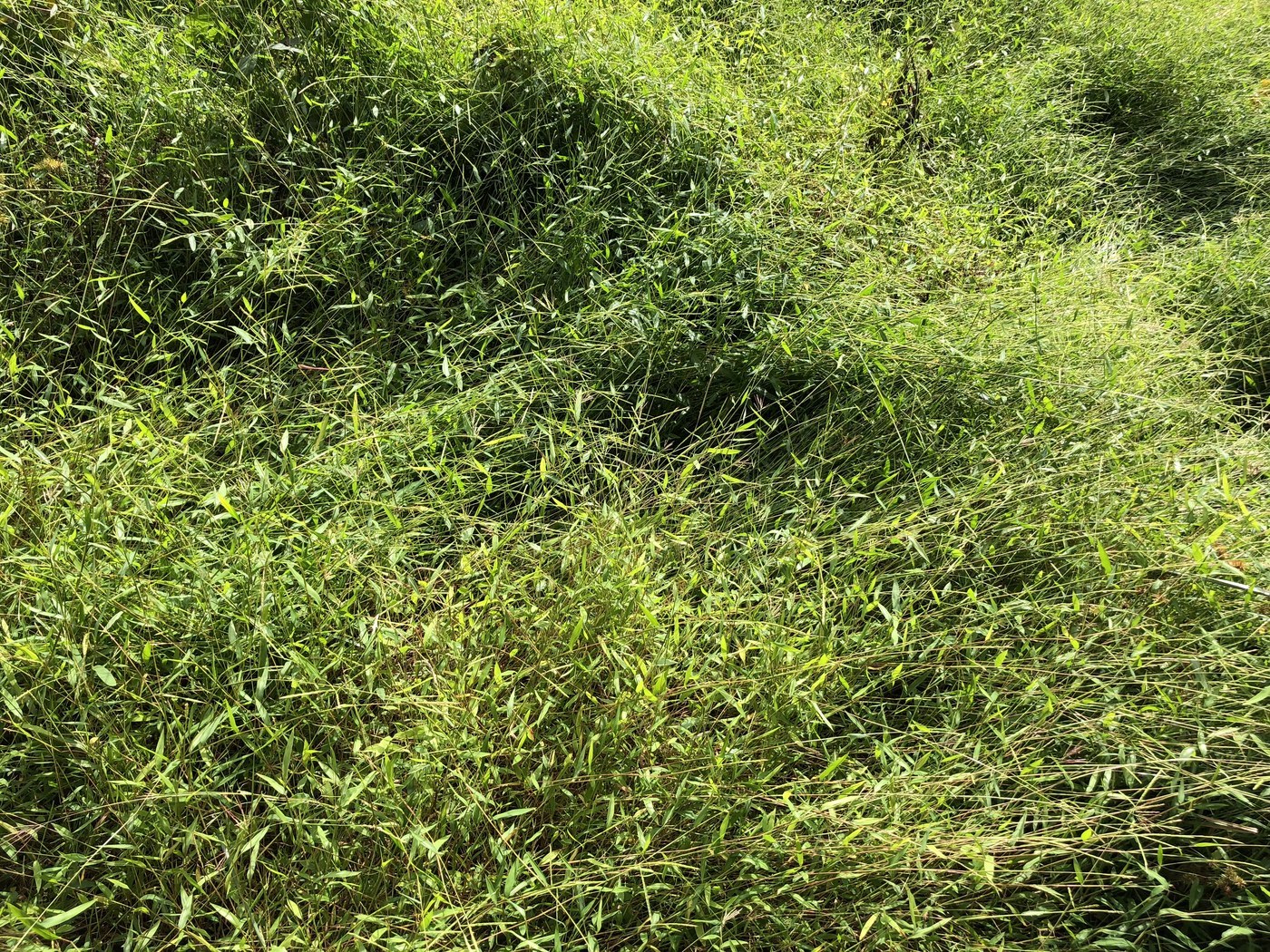
Native and widespread across North America, witchgrass colonizes open, disturbed, often sandy habitats — fields, roadsides, railways, riverbanks and waste ground.
It is an early colonizer of bare soil and is among the first plants to appear in newly disturbed or droughty sites.
Frequently asked questions
Why is it called witchgrass?
The name refers to the ghostly, hair-fine branches of its huge seedhead and its eerie habit of breaking off to tumble across fields in the wind.
Is witchgrass native or invasive?
It is native to North America, though it behaves weedily in disturbed ground and crops and has spread to other continents.
How does witchgrass spread?
The mature panicle detaches and tumbles like a small tumbleweed, scattering its tiny seeds over a wide area.
Does witchgrass need much water?
No — it is highly drought-tolerant and actually prefers dry, sandy, poor soils.
Witchgrass guides
In-depth guides for identifying, growing, and caring for Witchgrass.
How to Care for Witchgrass
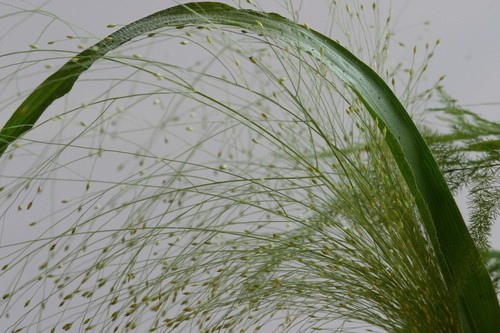
Witchgrass thrives in full sun and lean, dry soil, forming airy, cloud-like seed heads with almost no maintenance.
Witchgrass Identification Guide
How to identify witchgrass (Panicum capillare), a hairy summer annual grass famous for its huge, fluffy, tumbleweed-like seedhead. Covers its softly hairy leaves and sheaths and diffuse airy panicle.