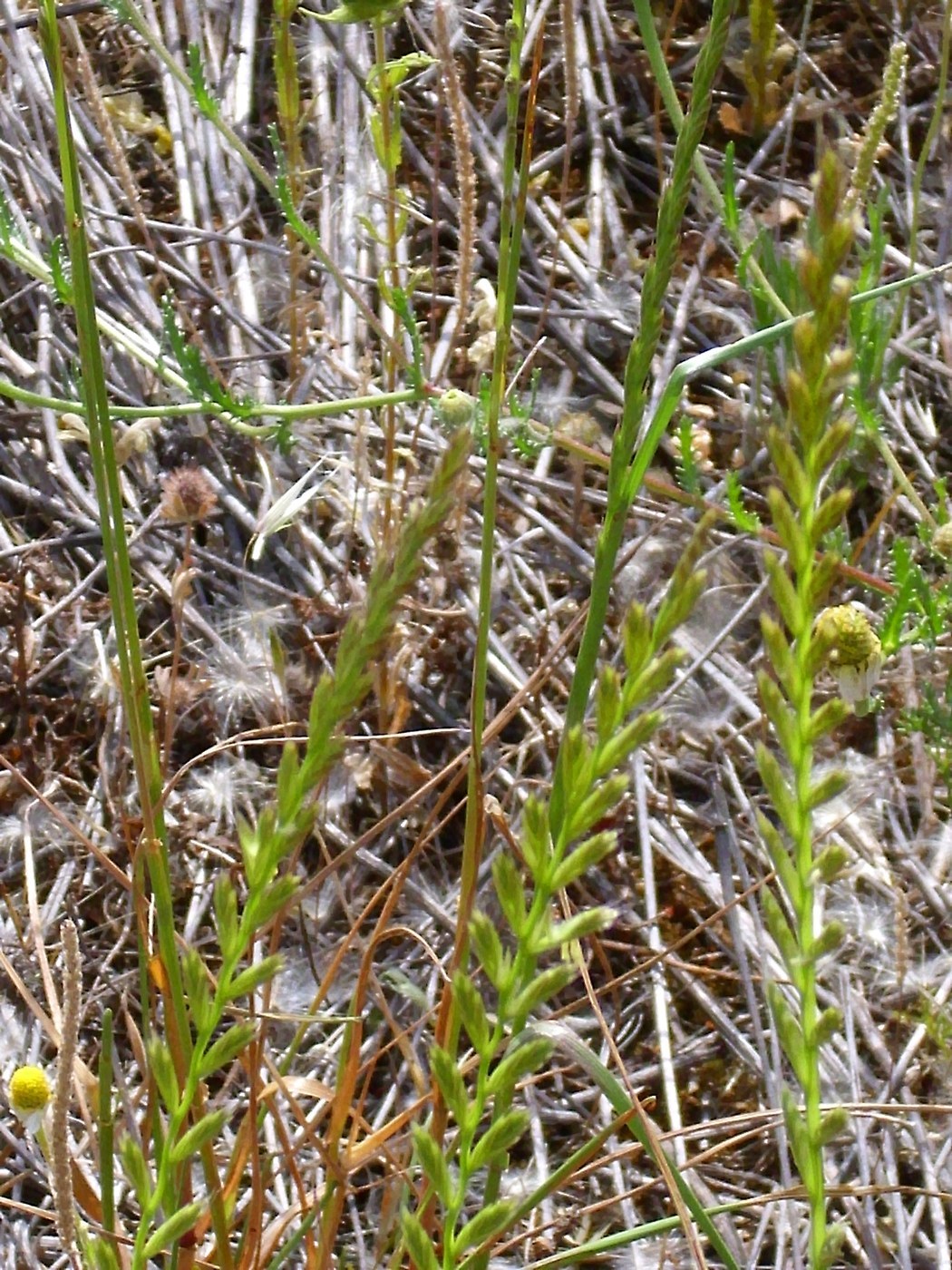
Quackgrass
Elymus repens
Quackgrass is an aggressive cool-season perennial grass that spreads by long, white underground rhizomes, making it one of the most persistent lawn and garden weeds.
- Light
- Full sun to part shade
- Water
- Low to moderate
- Difficulty
- Easy
Got a plant like this?
Identify any plant from a photo, free.
Overview
Quackgrass (Elymus repens, formerly Agropyron repens) is a tough perennial grass notorious for its dense, far-reaching network of underground rhizomes. These creeping stems allow it to invade lawns, gardens, and fields, where it is extremely difficult to eliminate.
Introduced from Eurasia, it forms patches that crowd out desirable plants. Even small fragments of rhizome can sprout new plants, so cultivation often spreads it further rather than controlling it.
How to identify it
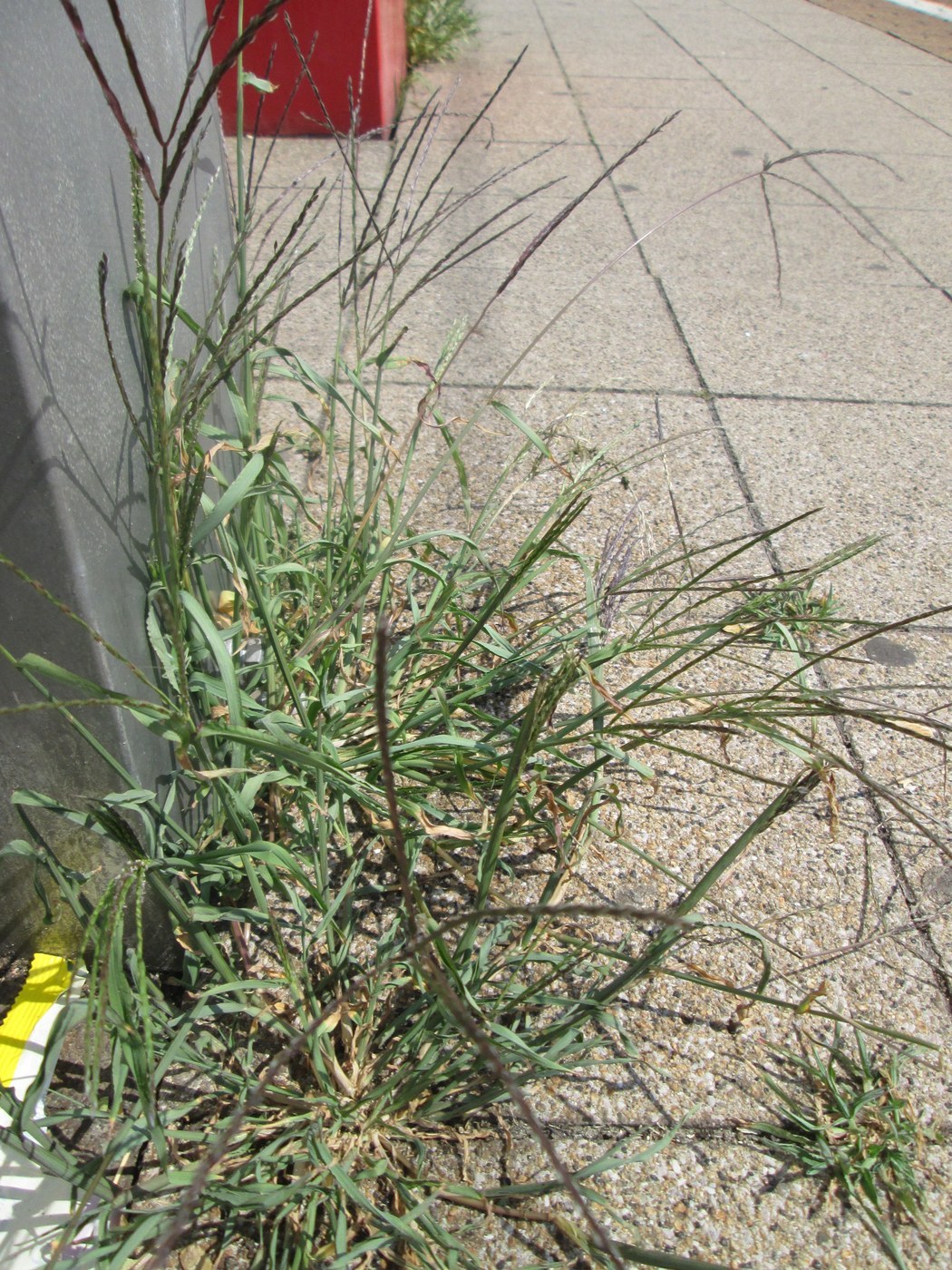
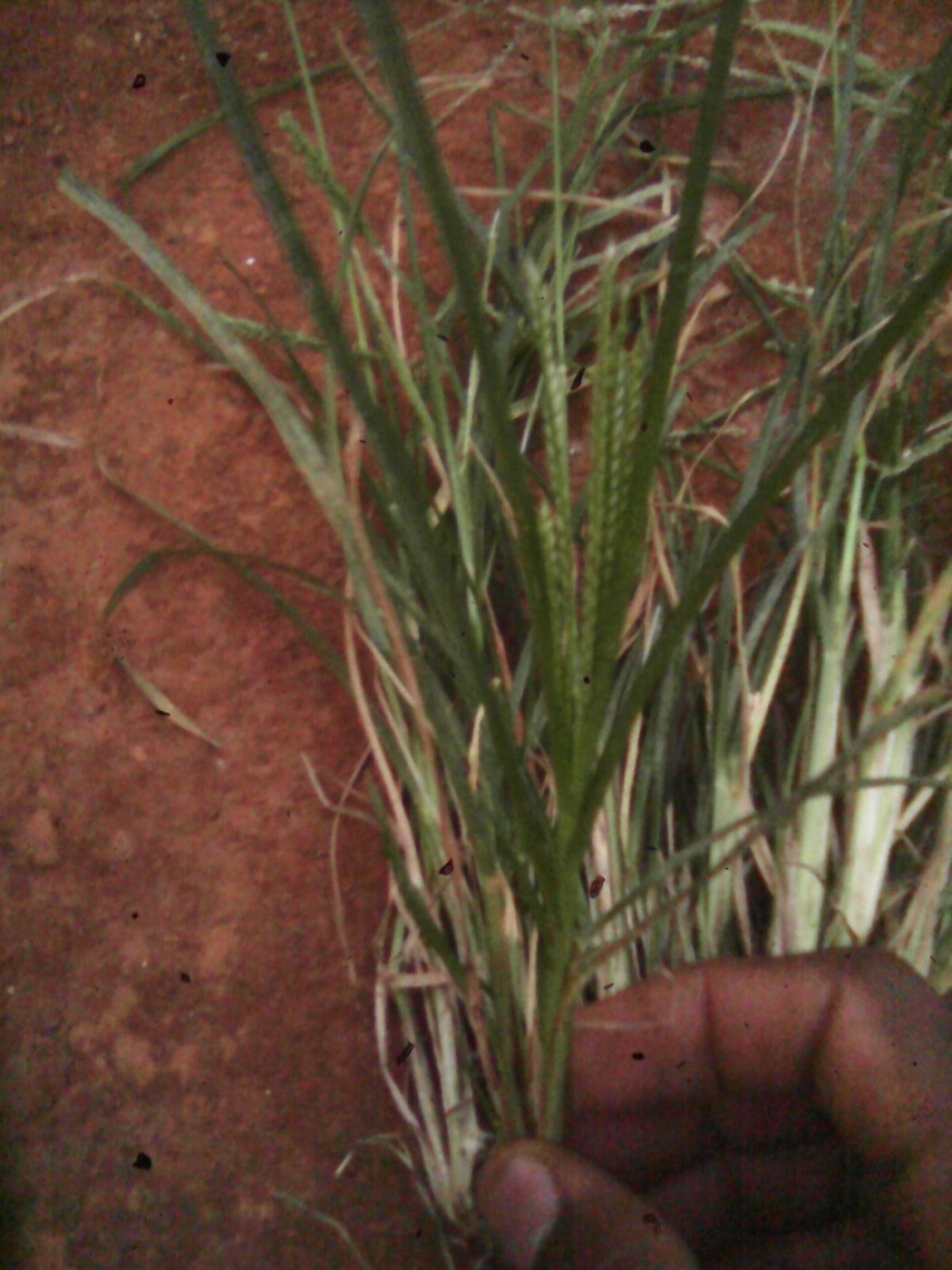
Best identified by its rhizomes and clasping leaf bases.
- Rhizomes: Long, white to yellowish, sharp-tipped underground stems with a jointed appearance
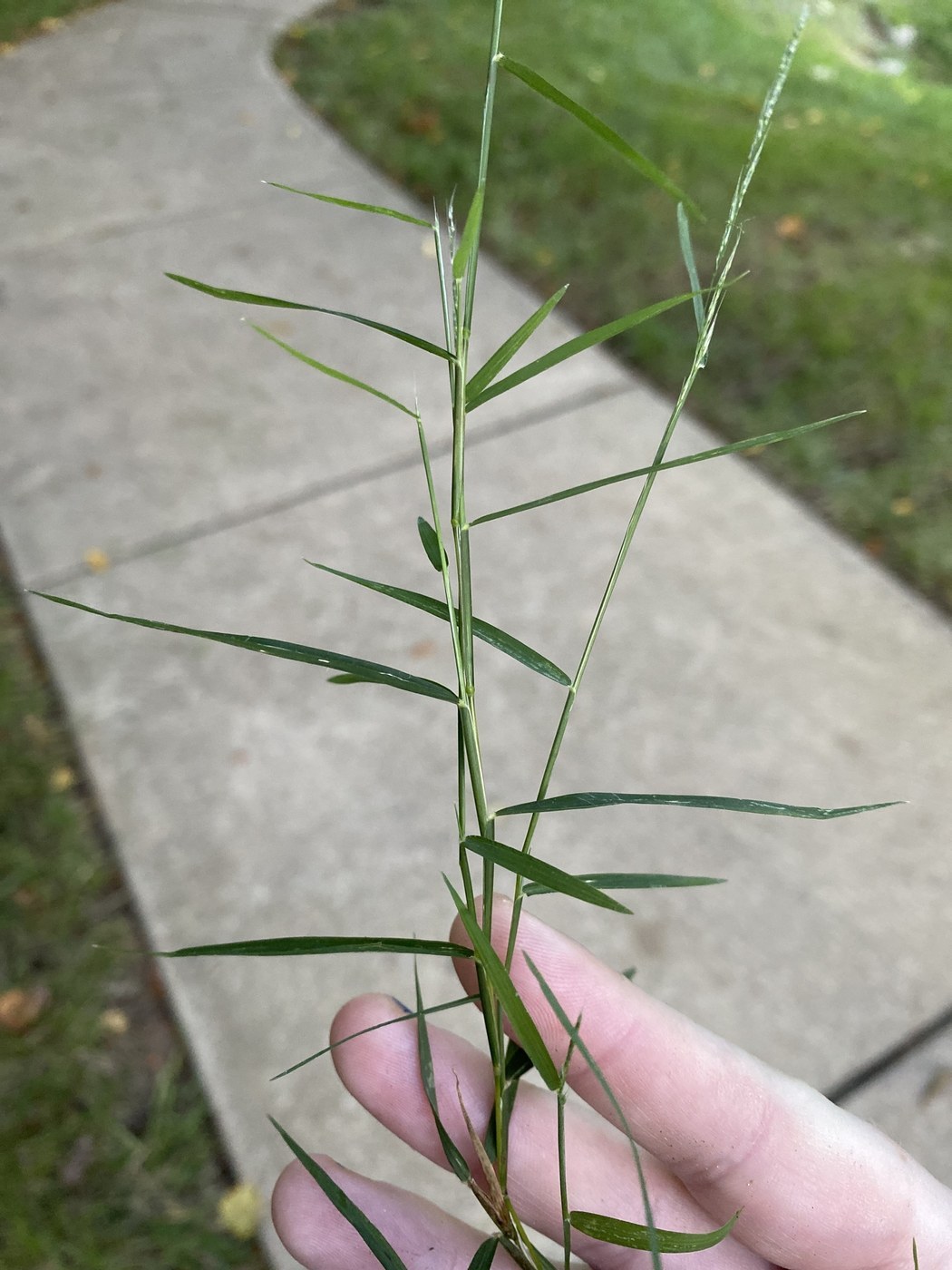
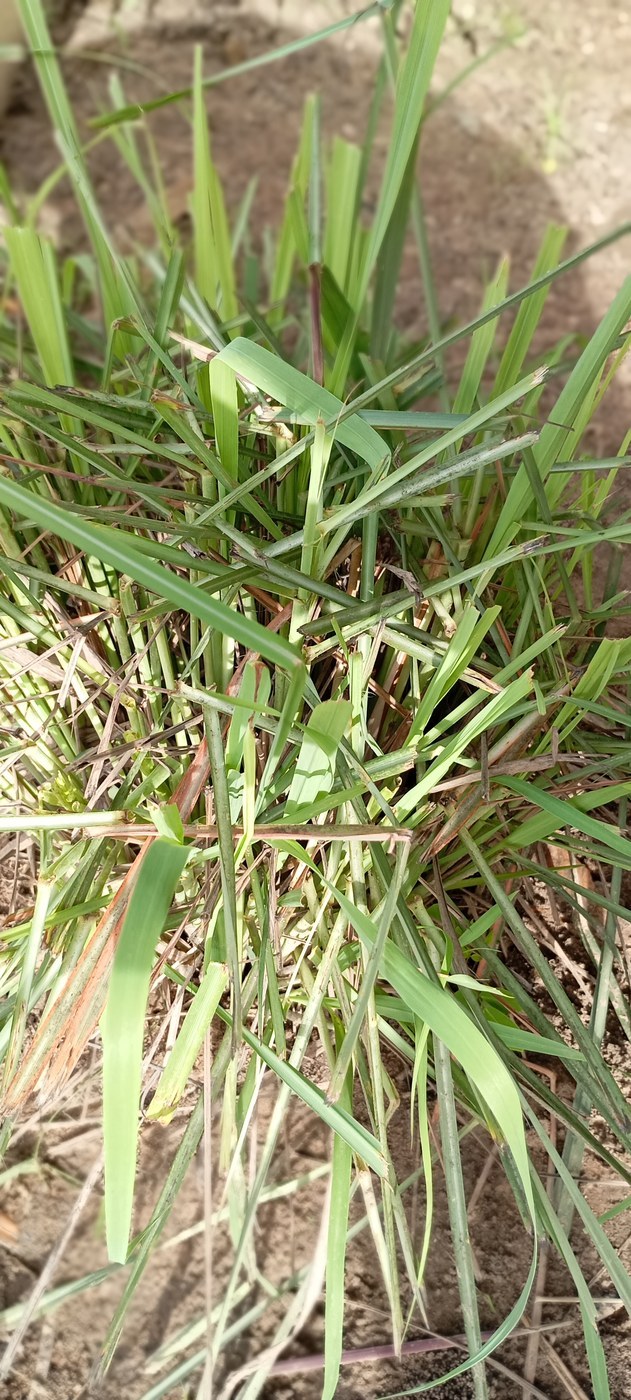
- Leaves: Flat, blue-green blades, slightly rough above, with clasping projections (auricles) at the base
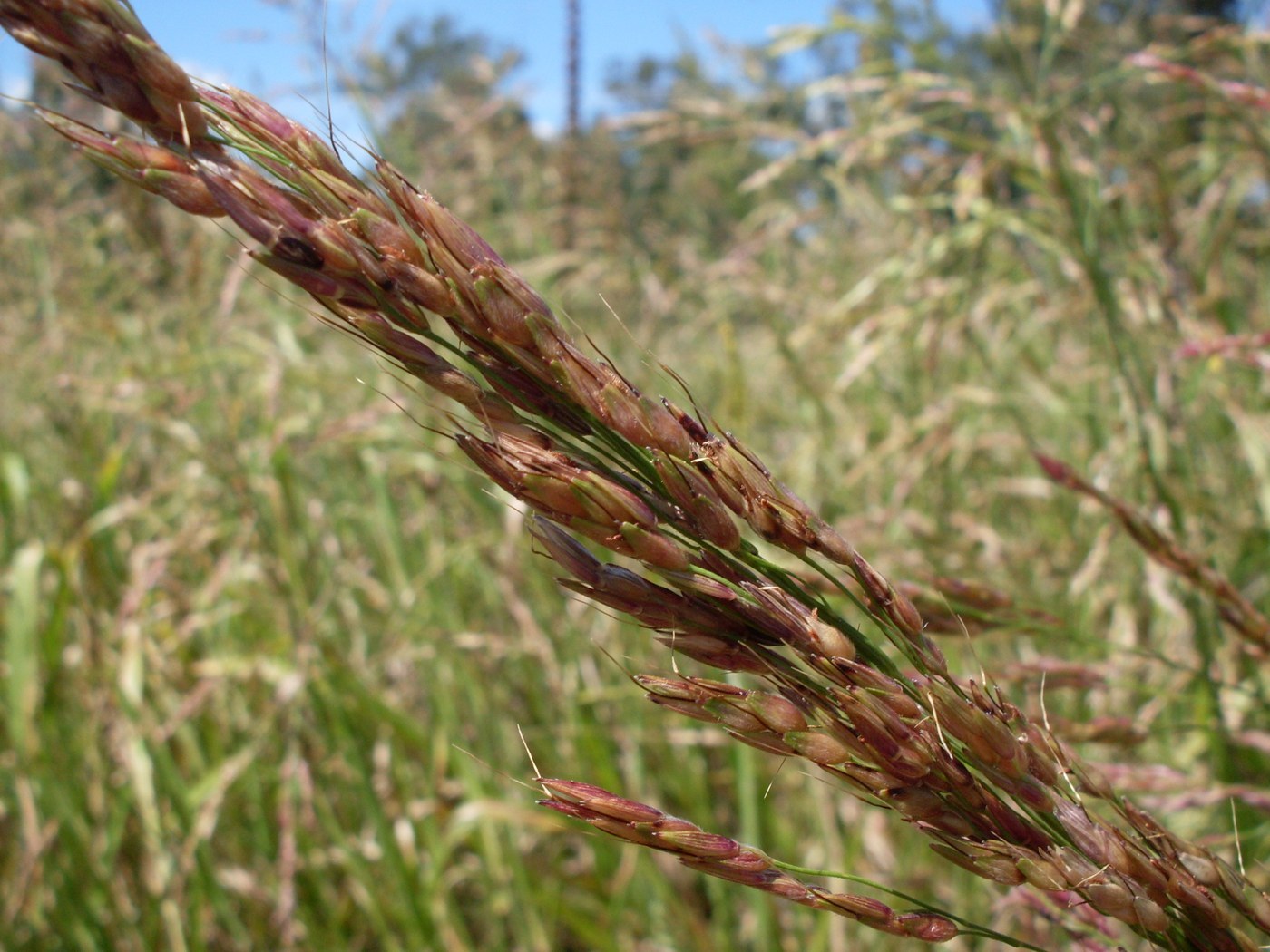
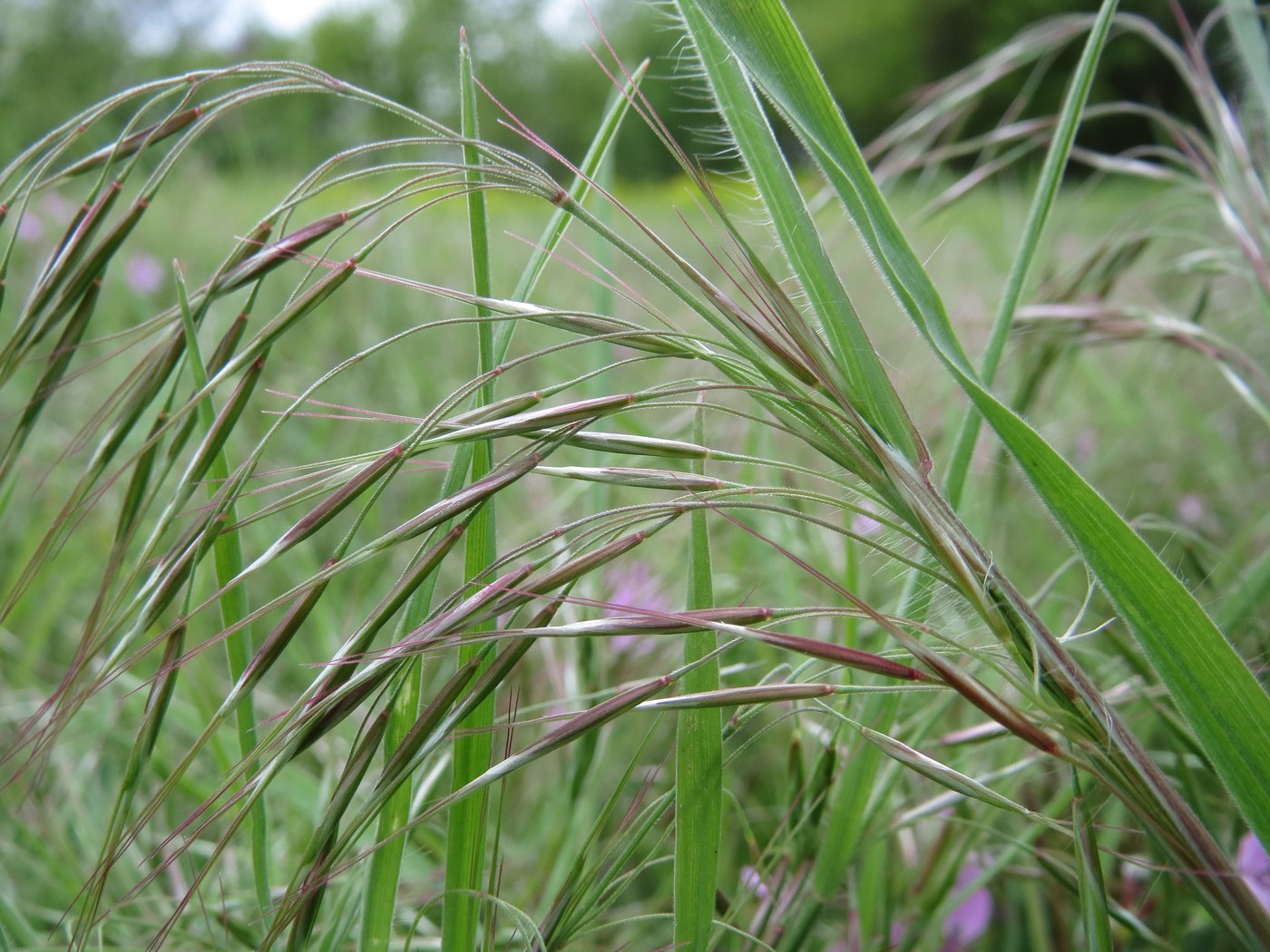
- Seedhead: Slender, two-rowed spike resembling wheat or rye
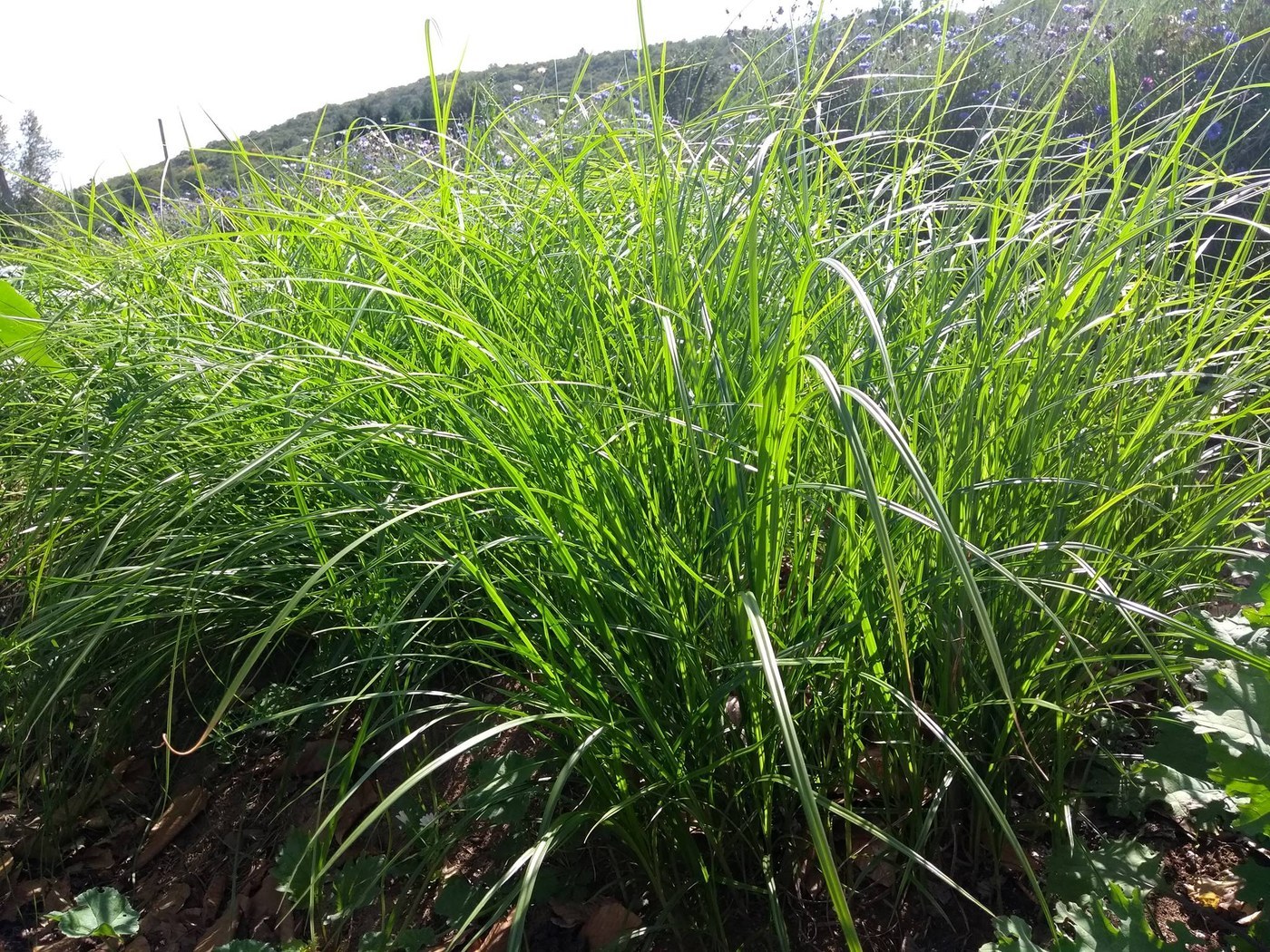
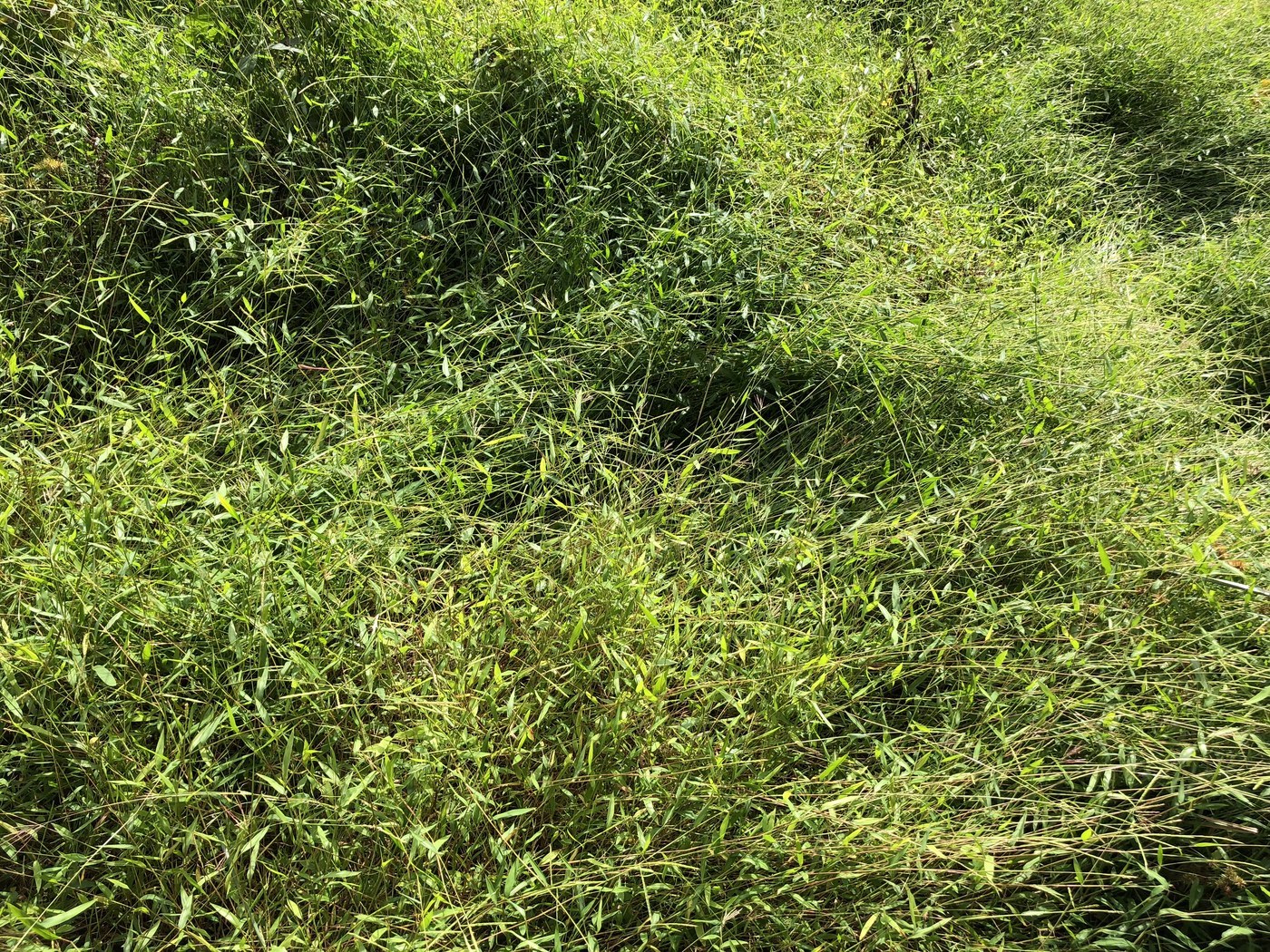
- Growth: Forms dense, spreading patches rather than tidy clumps
- Size: Flowering stems reach 1-4 feet tall
Care & growing
Managed as a weed; thrives without any care.
- Light: Full sun to partial shade
- Water: Tolerates dry to moderately moist soils
- Soil: Adapts to nearly all soil types
- Temperature: Cool-season grass, very cold-hardy (USDA zones 3-9)
- Control: Persistent rhizomes make it hard to remove; dig out all rhizome fragments, smother with mulch, or use systemic herbicides; rototilling spreads it
- Propagation: Spreads by rhizomes and seed
Habitat & origin
Native to Europe and Asia, quackgrass has naturalized across North America and other temperate regions. It is a major weed of cool-climate agriculture and gardens.
It grows in lawns, gardens, crop fields, pastures, roadsides, and waste areas, favoring disturbed, fertile ground but tolerating a wide range of conditions.
Frequently asked questions
Why is quackgrass so hard to get rid of?
It spreads by long underground rhizomes, and even small broken fragments can grow into new plants. Tilling often makes it worse by chopping and scattering the rhizomes.
How is quackgrass different from crabgrass?
Quackgrass is a cool-season perennial that spreads by rhizomes and returns each year, while crabgrass is a warm-season annual that dies each winter and regrows from seed.
Does quackgrass have any uses?
Its dense, spreading root system can help stabilize loose soil and control erosion on disturbed ground.
Will mowing get rid of quackgrass?
No. Mowing only removes the tops; the extensive rhizome system survives and the grass quickly regrows. Removing the rhizomes or using a systemic herbicide is needed.
Quackgrass guides
In-depth guides for identifying, growing, and caring for Quackgrass.
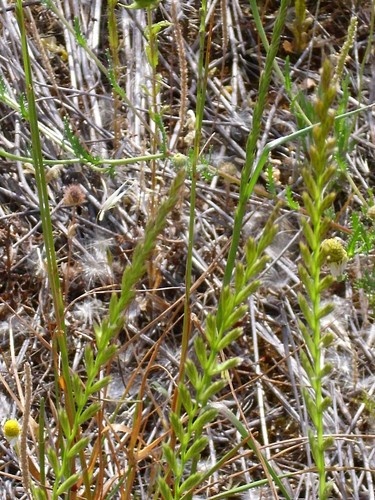
How to Care for Quackgrass
Growing guide for quackgrass (Elymus repens), a tough, cool-season perennial grass that spreads aggressively by rhizomes.
Quackgrass Identification Guide
How to identify quackgrass (Elymus repens) by its clasping leaf auricles, aggressive white rhizomes, and slender wheat-like seed spike.