
How to Care for Quackgrass
Growing guide for quackgrass (Elymus repens), a tough, cool-season perennial grass that spreads aggressively by rhizomes.
Read the full Quackgrass encyclopedia entry →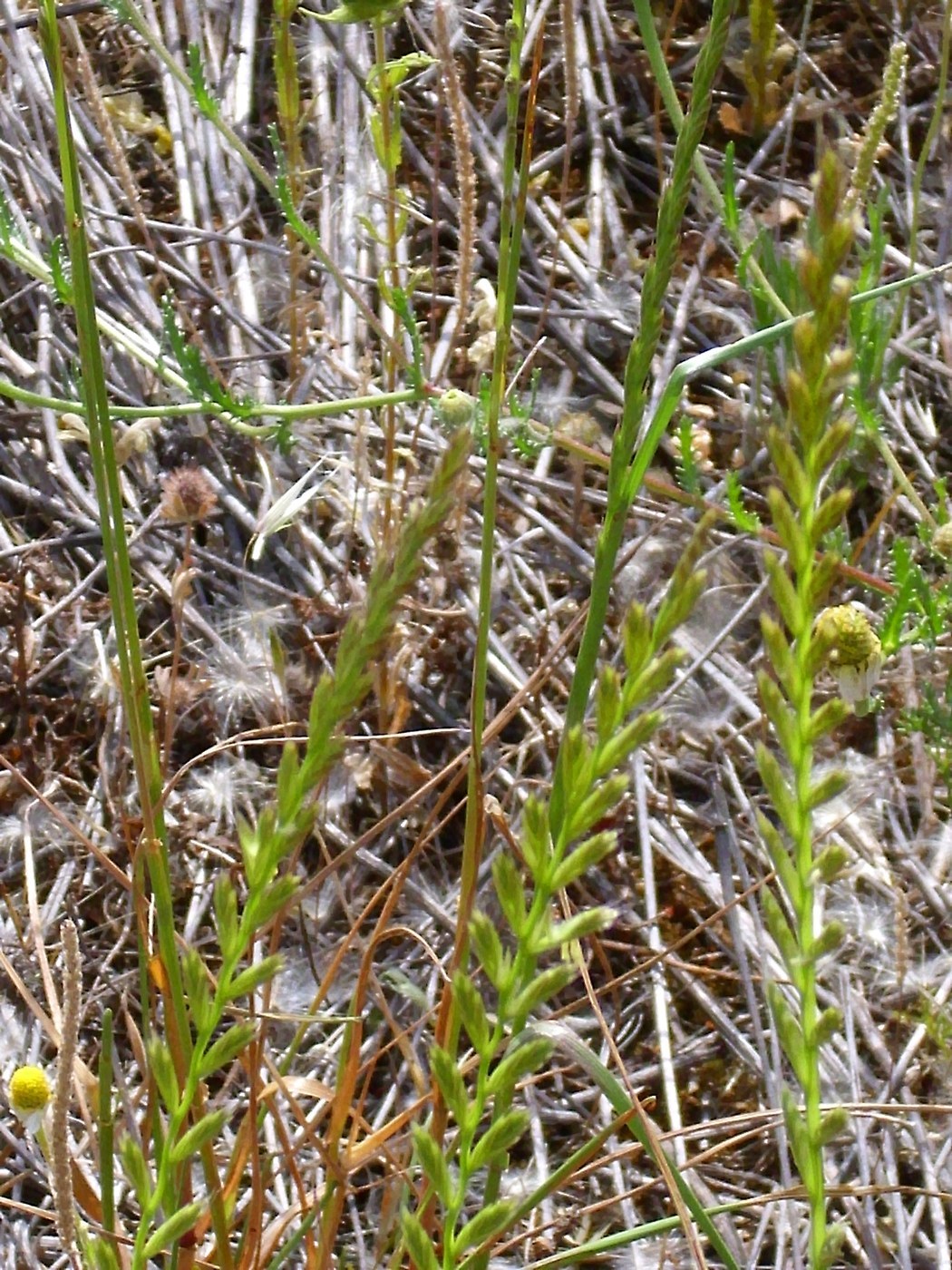
Quackgrass (Elymus repens) is an extremely hardy cool-season perennial grass that spreads by a dense network of creeping, white underground rhizomes. It is prized in restoration and erosion-control plantings for its toughness, but its vigorous, colonizing habit means it demands containment in any ornamental setting.
Light
Quackgrass thrives in full sun to part shade. It grows most densely and upright in full sun, while in partial shade it stretches and thins somewhat but still persists. Roughly six or more hours of direct light produces the sturdiest stands.
Water
Water needs are low to moderate. Established quackgrass is remarkably drought-tolerant thanks to its deep, spreading rhizomes, and it rarely needs supplemental irrigation once rooted. In prolonged drought it may go semi-dormant and brown, greening again with rain. Avoid waterlogged soil, which it tolerates less well than dry ground.
Soil & Potting
One of quackgrass's defining traits is its indifference to soil. It grows in clay, loam, sand, compacted ground, and poor or disturbed soils across a wide pH range. It performs best in fertile, moderately moist loam but establishes almost anywhere. Because of its running rhizomes, if you grow it deliberately, use a deep root barrier or a bottomless buried container to keep it in bounds.
Humidity & Temperature
A cool-season grass, quackgrass does its strongest growing in the cool, moist conditions of spring and autumn and may slow or brown in summer heat. It is exceptionally cold-hardy, surviving hard winters and returning reliably from its rhizomes. Ambient humidity is not a concern.
Feeding
Quackgrass needs little to no feeding and greens up readily even in nutrient-poor ground. If you want a lusher stand for erosion control, a single light application of a balanced nitrogen fertilizer in early spring is more than enough. Overfeeding only accelerates its already aggressive spread.
Propagation
Quackgrass propagates with almost effortless ease, both from seed and, more vigorously, from rhizome fragments. Even a small piece of severed rhizome containing a node will sprout a new plant. To start a stand intentionally, sow seed in cool weather or transplant rhizome divisions in spring or fall.
Repotting / Pruning
In contained plantings, divide and thin the rhizome mass every year or two to prevent it from overwhelming its space. Mowing or cutting back tops keeps growth dense and low; regular cutting will not kill it because energy is stored in the rhizomes. Remove any escaped runners promptly.
Common Problems & Pests
Quackgrass has few serious pests and shrugs off most stresses. Rust and powdery mildew can appear on the blades in humid, crowded conditions but rarely cause lasting harm. The chief "problem" is its own vigor: it readily invades adjacent beds and lawns via rhizomes, so containment is the main ongoing management task.
Seasonal Care Tips
Expect the fastest growth in spring and fall. Cut back or mow in late spring to keep stands tidy, and again in early fall. In summer, allow it to go dormant during heat and drought rather than forcing growth with heavy watering. In winter, no protection is needed; the rhizomes overwinter and resprout on their own.
Frequently asked questions
Why does quackgrass spread so aggressively?
It produces long, white creeping rhizomes underground, and each rhizome node can sprout a new shoot, so a single plant quickly colonizes surrounding ground unless contained by a root barrier.
How much sun does quackgrass need?
It grows best in full sun with six or more hours of direct light, producing dense upright blades, but it tolerates part shade where it grows a bit thinner and taller.
Does quackgrass need watering?
Rarely. Once established its deep rhizomes make it very drought-tolerant, so supplemental water is only helpful during extended drought if you want to keep it green.
How do I keep quackgrass from taking over?
Grow it inside a deep buried root barrier or bottomless container, thin the rhizomes yearly, and promptly dig out any runners that escape into neighboring beds.