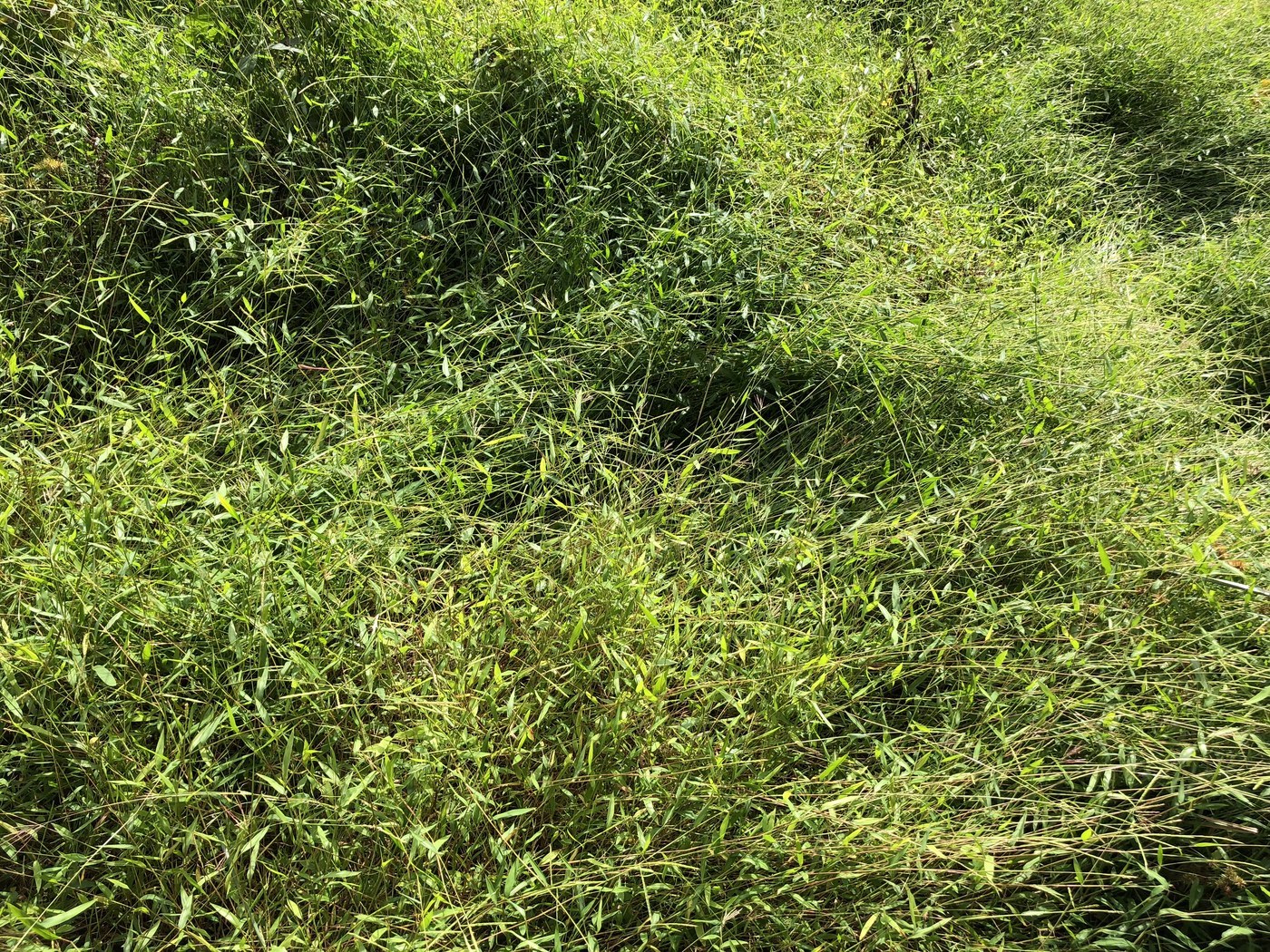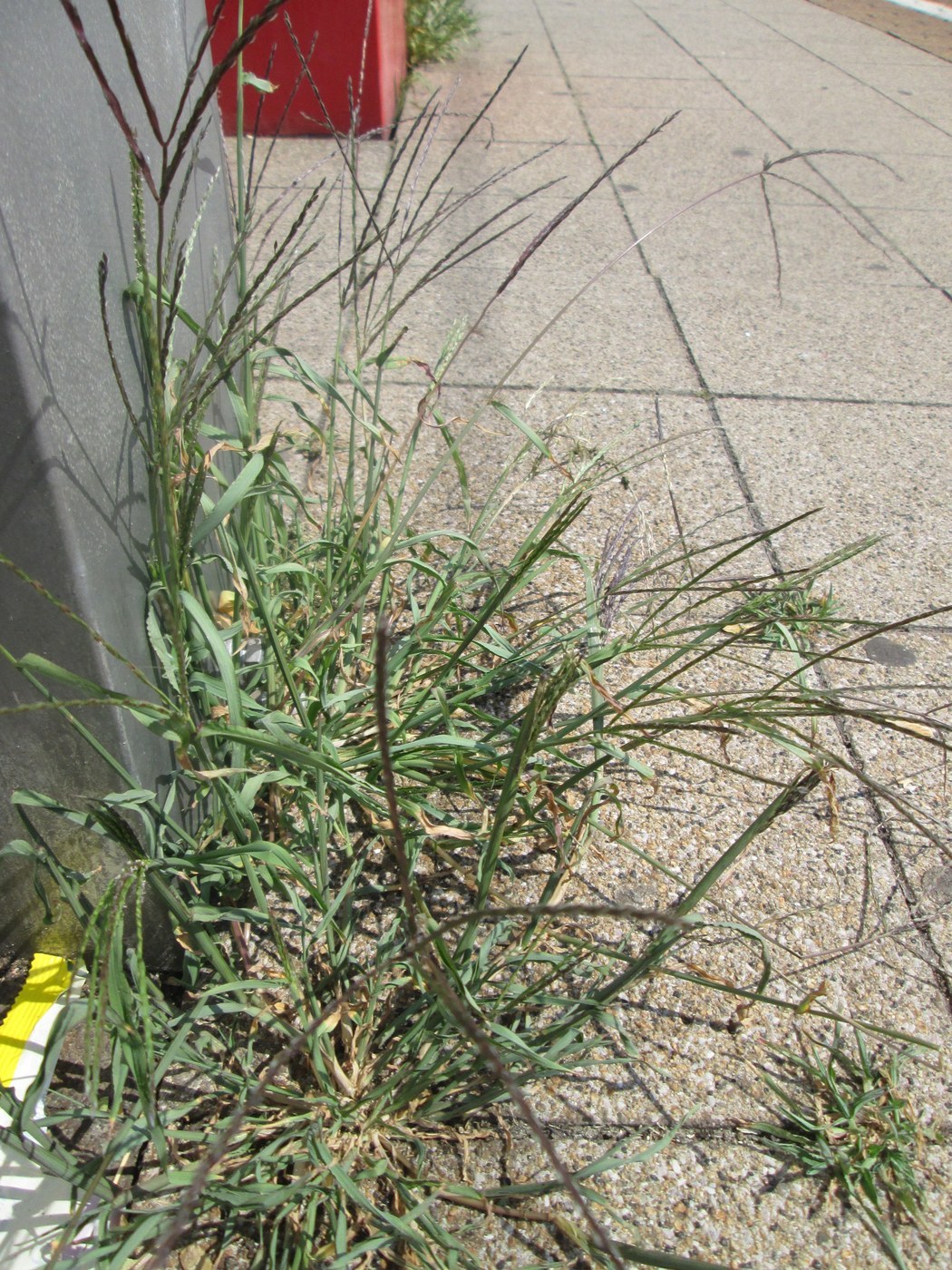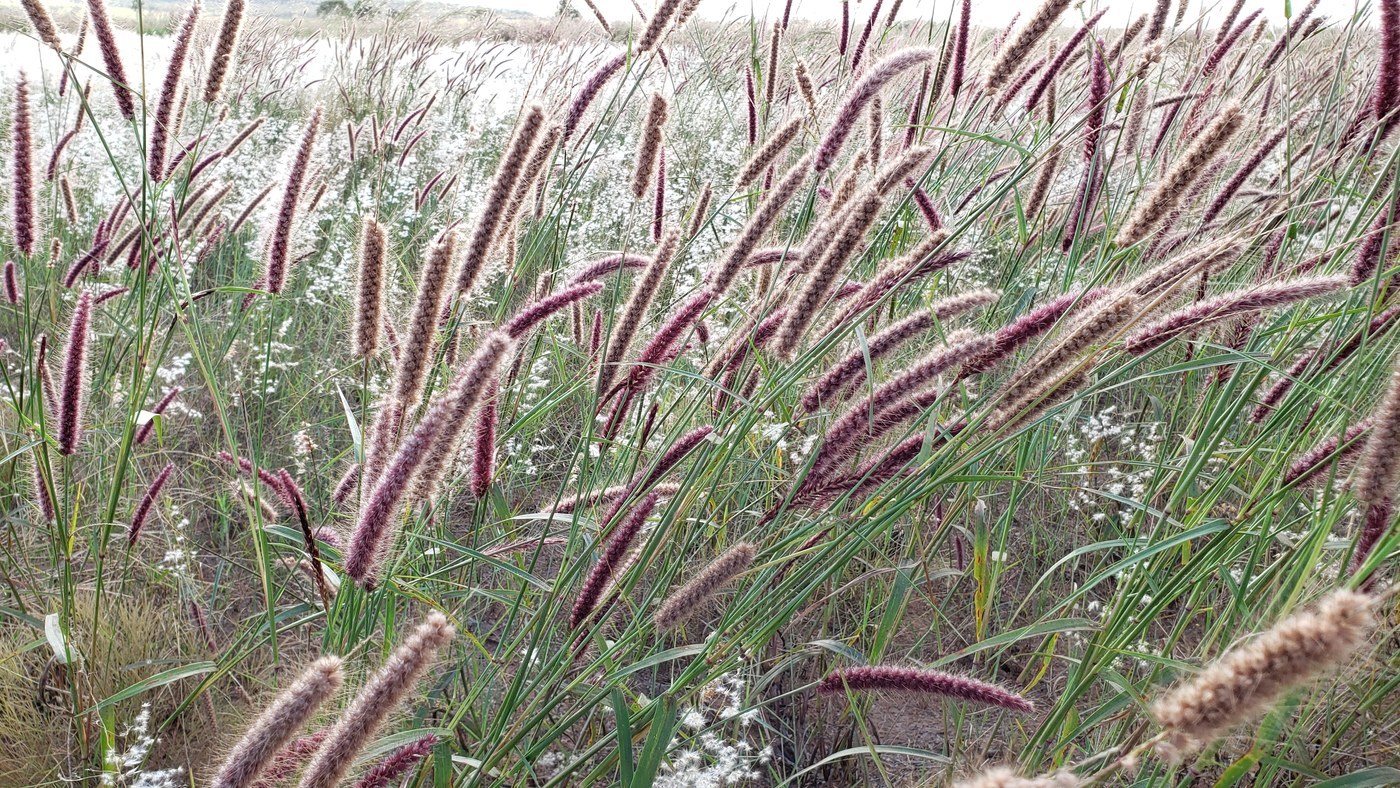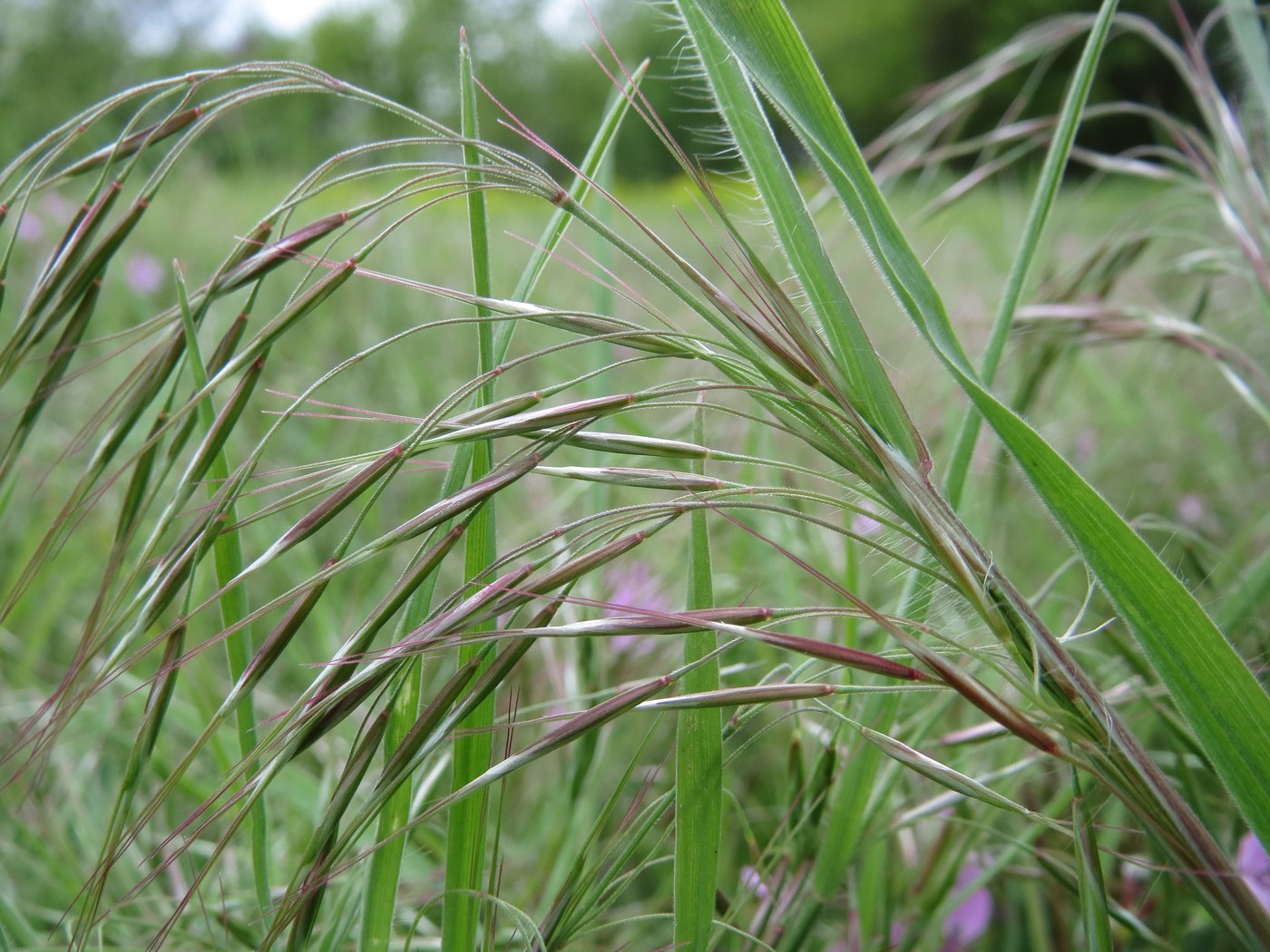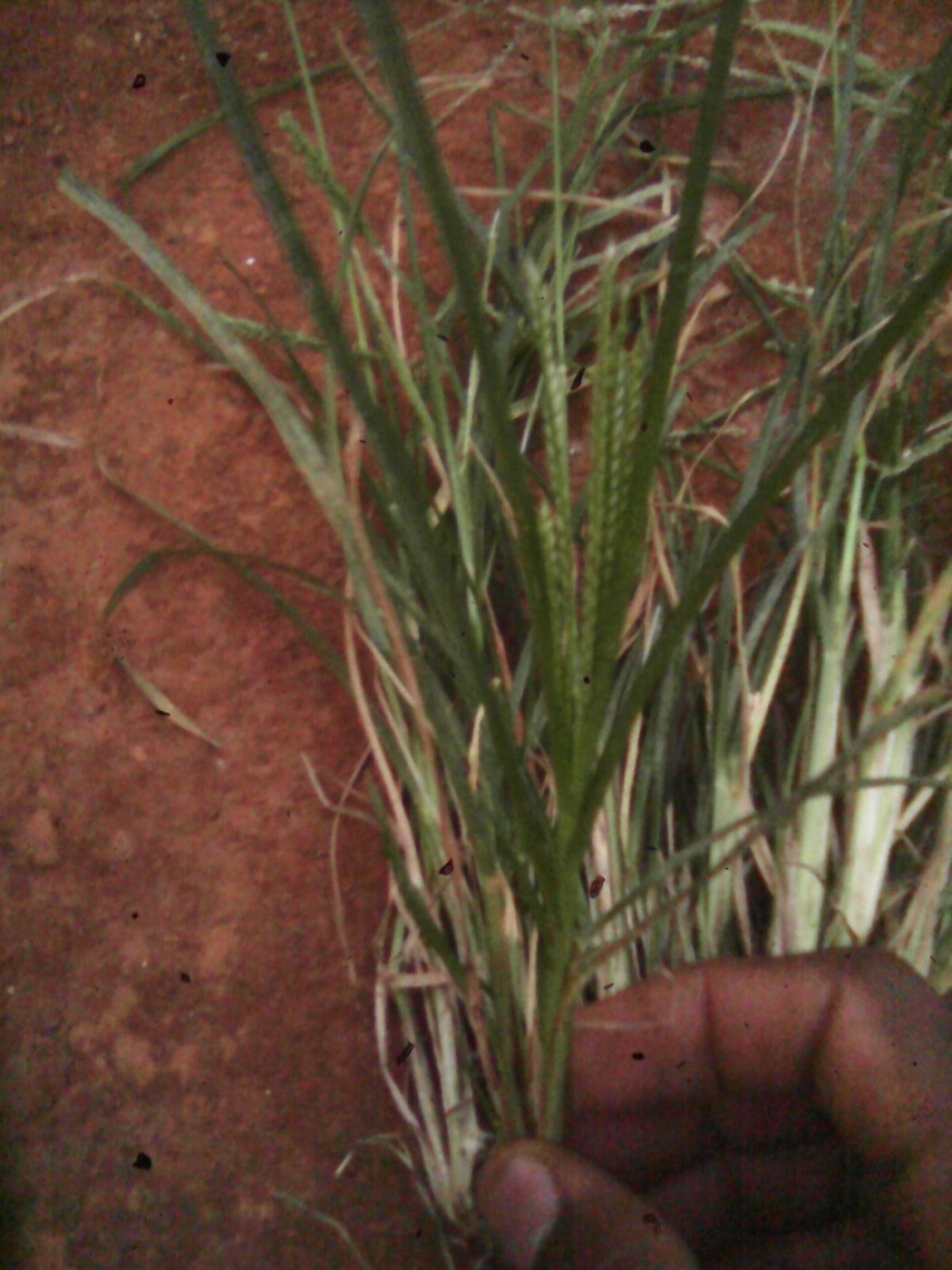
Goosegrass
Eleusine indica
Goosegrass is a tough warm-season annual weed forming flattened rosettes with a distinctive white or silvery center, thriving in compacted soils and high-traffic areas.
- Light
- Full sun
- Water
- Low to moderate; drought-tolerant
- Difficulty
- Easy
Got a plant like this?
Identify any plant from a photo, free.
Overview
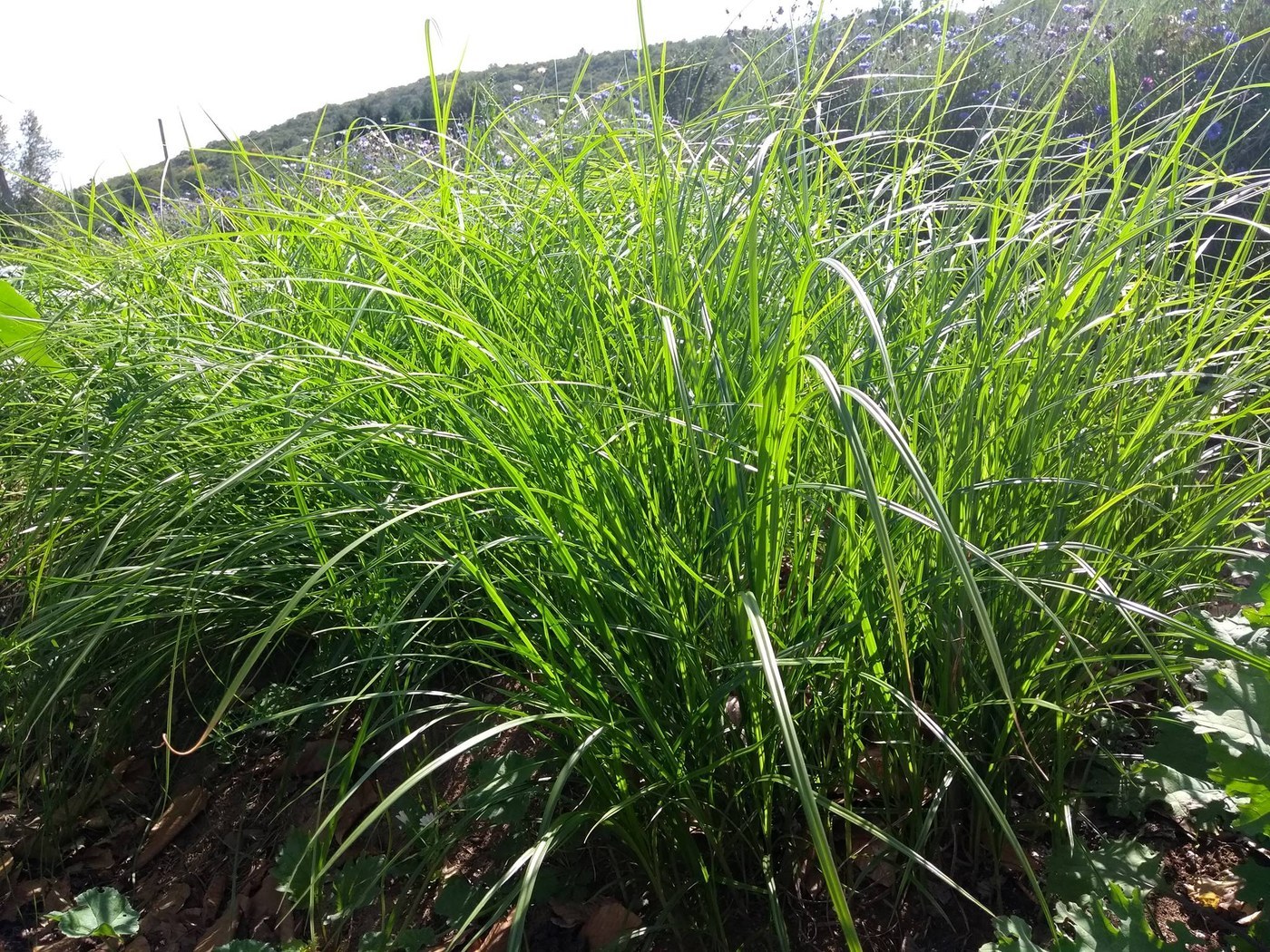
Goosegrass (Eleusine indica) is a warm-season annual grass that grows in dense, flattened clumps. It is especially well adapted to compacted, hard-packed soils where other grasses struggle, making it a common weed of paths, sports fields, and driveways.
Its pale, silvery-white center and zipper-like seedheads are diagnostic. Sometimes called silver crabgrass, it is distinct from true crabgrass and is notable for its toughness and resistance to foot traffic.
How to identify it
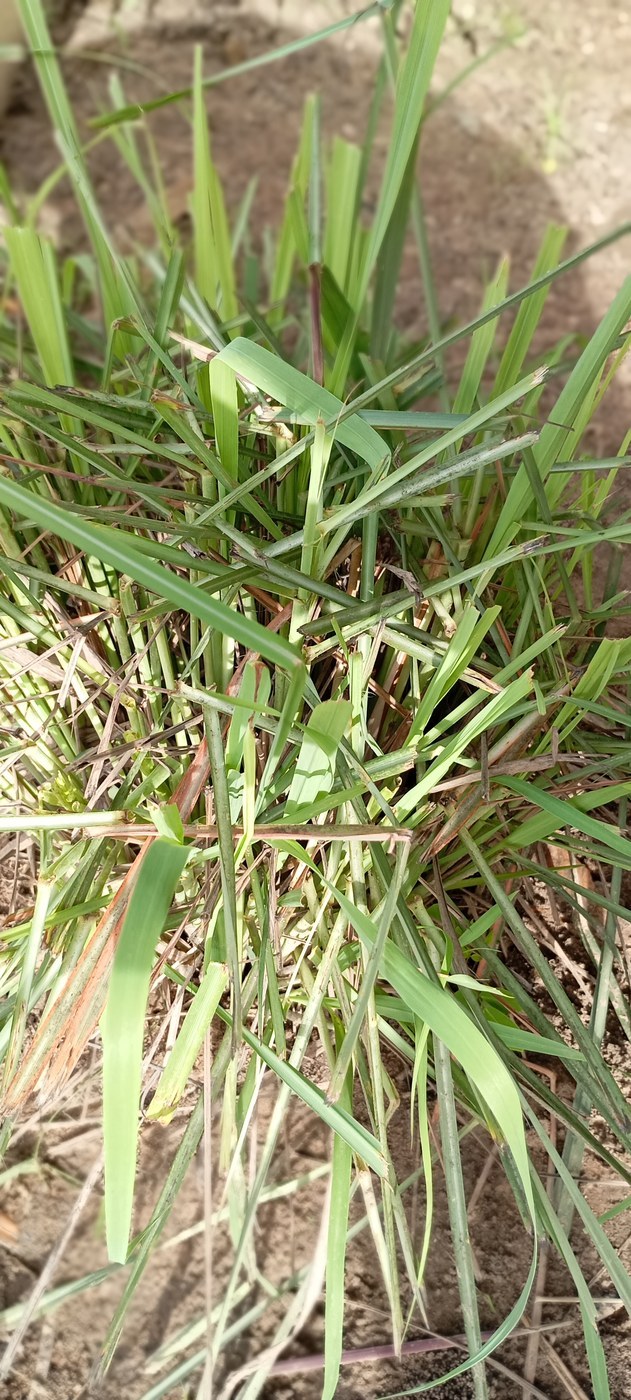
Recognized by its flat rosette and whitish base.
- Growth habit: Flattened, spreading rosette radiating from a central point, pressed against the ground
- Base/center: Distinctive silvery-white to pale-green folded sheaths at the plant's center
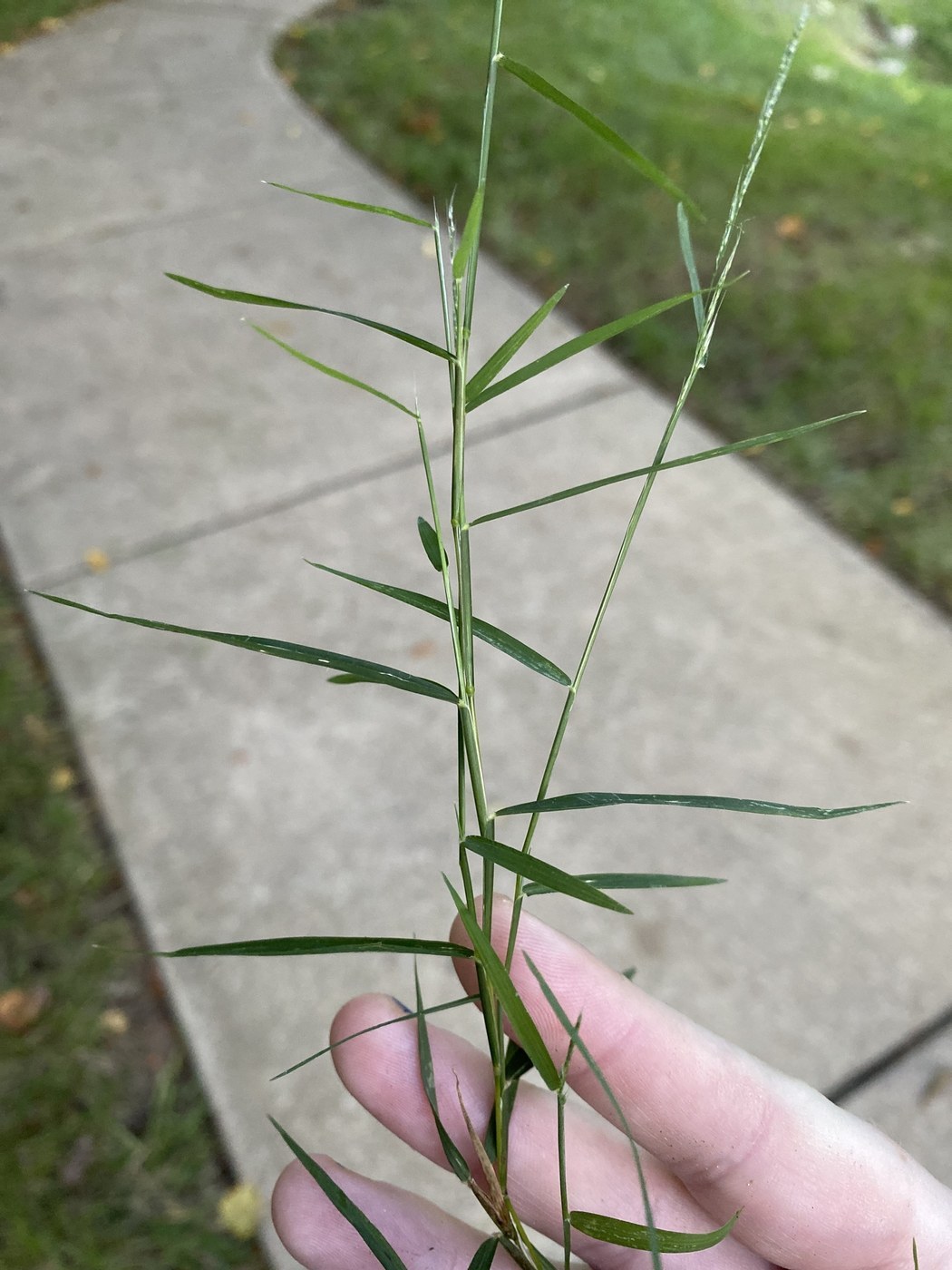
- Leaves: Flat, folded blades, dark green, smooth
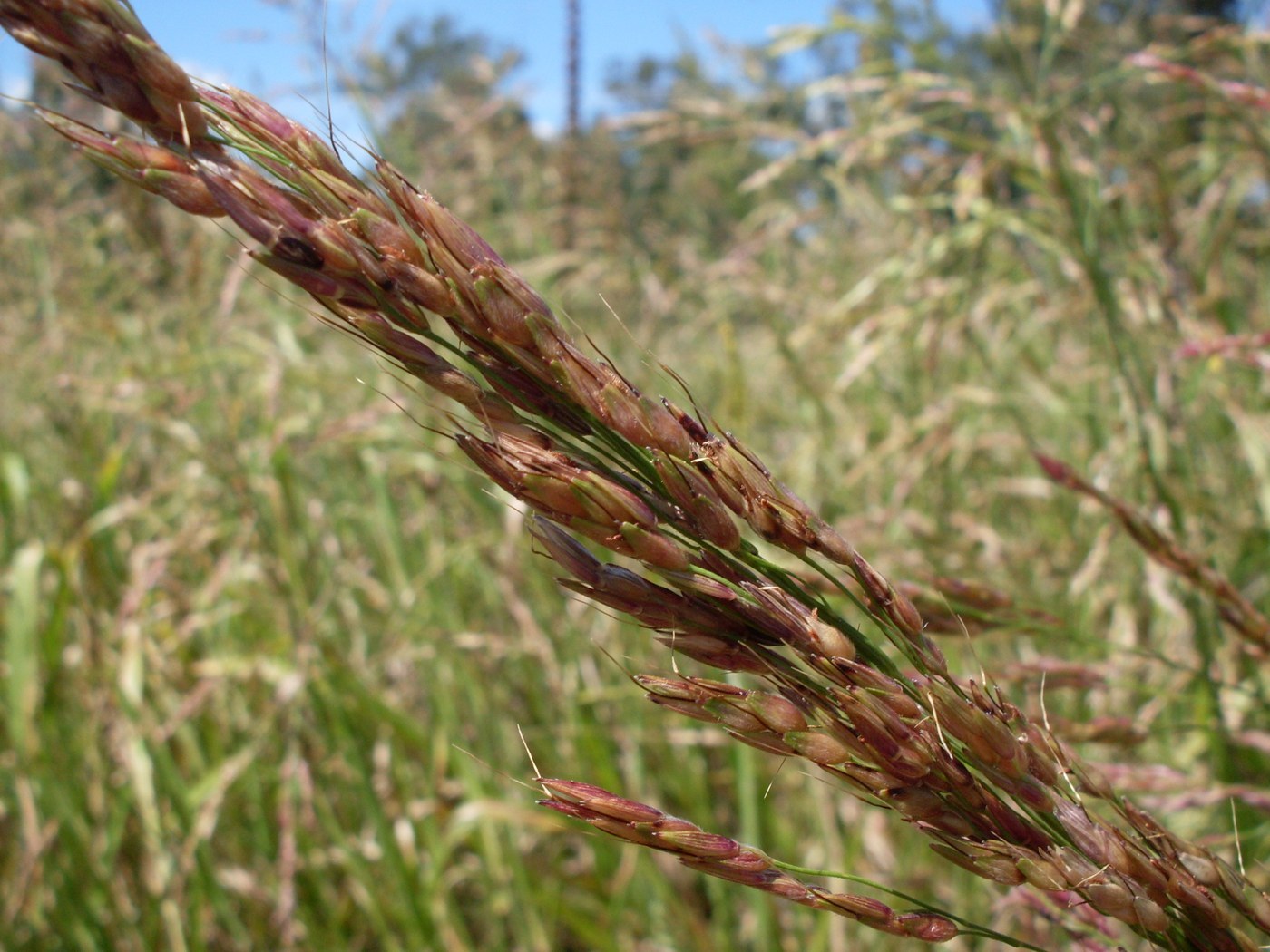
- Seedhead: Two to several finger-like spikes radiating from the stem tip, with seeds arranged in a zipper-like double row
- Size: Low and mat-forming, with seed stalks to 1-2 feet
Care & growing
A weed thriving in tough, compacted conditions.
- Light: Full sun
- Water: Drought-tolerant; tolerates both dry and periodically wet soils
- Soil: Especially favors compacted, hard, disturbed soils
- Temperature: Warm-season annual germinating later than crabgrass in spring/summer
- Control: Relieve soil compaction by aerating, maintain dense turf, and use pre-emergent herbicides; hand-pull young plants
- Propagation: By seed; a prolific seed producer
Habitat & origin
Goosegrass is native to tropical Africa and Asia but has spread to warm and temperate regions worldwide as a weed. It is found throughout the southern and central United States.
It colonizes lawns, athletic fields, garden paths, driveway cracks, roadsides, and farm fields, particularly where soil is compacted and traffic is heavy.
Frequently asked questions
How is goosegrass different from crabgrass?
Goosegrass grows in a flatter, more compact rosette with a distinctive silvery-white center and germinates later in the season, while crabgrass is more sprawling and lighter green throughout.
Why does goosegrass grow in compacted soil?
It is uniquely adapted to tolerate hard, compacted ground and foot traffic where other grasses cannot establish, which is why it is common on paths and athletic fields.
How do I control goosegrass?
Reduce soil compaction by aerating, keep turf thick and healthy, apply pre-emergent herbicides in spring, and hand-pull young plants before they seed.
Goosegrass guides
In-depth guides for identifying, growing, and caring for Goosegrass.
How to Care for Goosegrass
Goosegrass (Eleusine indica) is a tough, low-growing warm-season grass forming flat rosettes with distinctive silvery, folded stem bases.
Goosegrass Identification Guide
How to identify goosegrass (Eleusine indica) by its flattened white-centered rosette, zipper-like seedheads, and tough mat-forming growth in compacted soil.