
Goosegrass Identification Guide
How to identify goosegrass (Eleusine indica) by its flattened white-centered rosette, zipper-like seedheads, and tough mat-forming growth in compacted soil.
Read the full Goosegrass encyclopedia entry →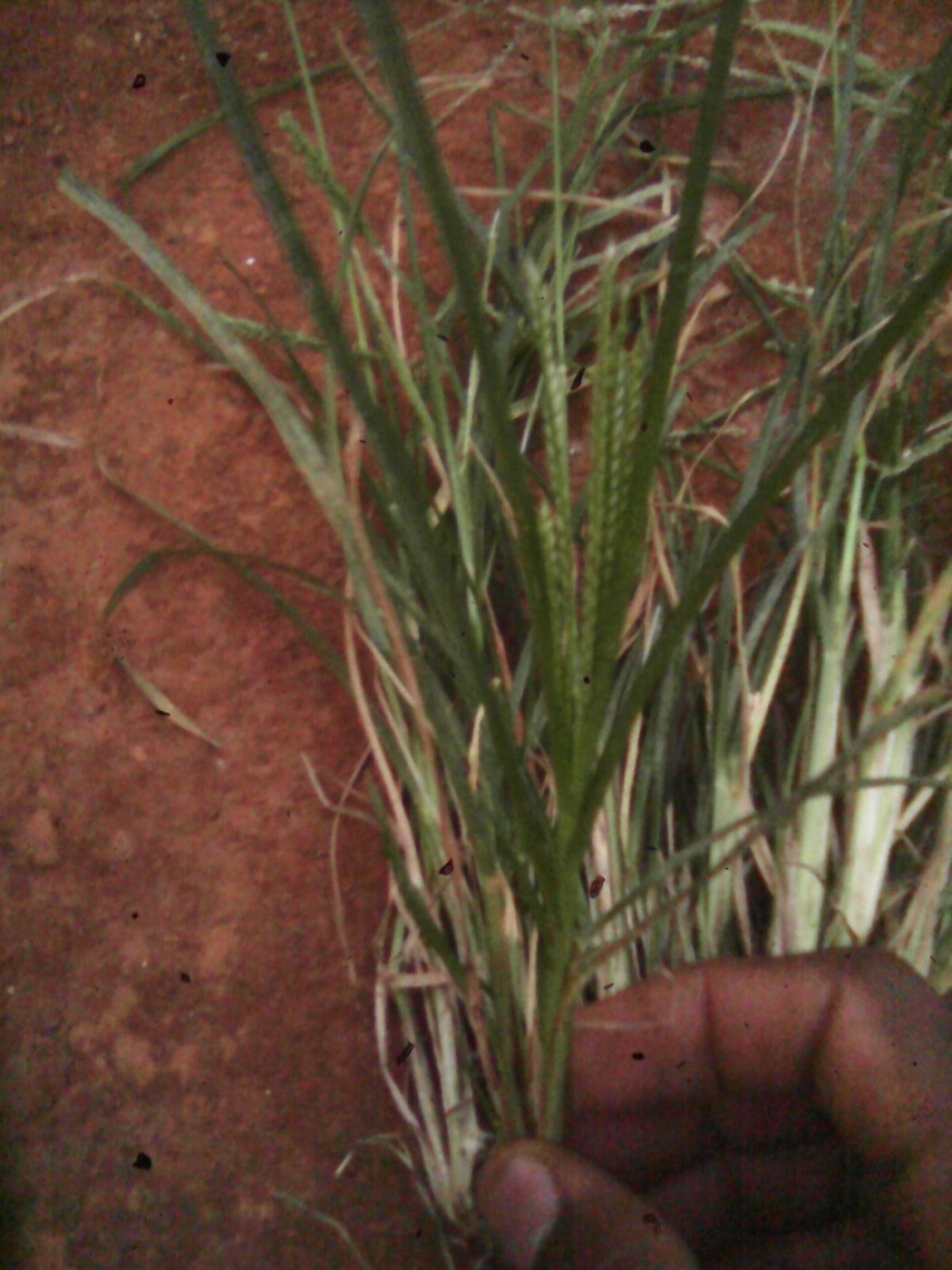
Key Identifying Features
Goosegrass (Eleusine indica), sometimes called silver crabgrass or wiregrass, is a tough warm-season annual that loves compacted ground. Identify it by:
- A flattened rosette of stems radiating from a central point
- A silvery-white to whitish base at the center of the plant
- Folded, dark-green blades with a flattened sheath
- Zipper-like seedhead branches with seeds in two rows
It forms tough, low mats that resist pulling.
Leaves & Stems
The plant's most striking feature is its whitish, flattened center — the folded leaf sheaths at the base are compressed and pale silvery-white, giving the rosette a bleached look. Blades are dark green, folded in the bud, and somewhat smooth, with a few hairs near the base. Stems radiate outward and flatten against the ground in a pinwheel rosette. Goosegrass is a bunch-type annual with a strong fibrous root system but no rhizomes or stolons, making it tough to uproot. It tolerates heavy foot traffic and compaction.
Flowers & Fruit
The seedhead has two to several finger-like branches (spikes) that radiate from the top of the stalk, often with one or two branches set slightly below the others. Along each spike, the seeds are arranged in two rows like the teeth of a zipper — a near-diagnostic feature. The seeds themselves are tiny and often appear blackish. Seedheads form from summer into fall.
How to Tell It Apart from Look-Alikes
- Crabgrass: Lighter green and more sprawling, roots at the stem nodes, and its seedhead spikes are more delicate; crabgrass lacks the silvery-white compressed center and the zipper-row seeds.
- Dallisgrass: A perennial clump with rhizomes and silky-haired, black-spotted spikelets; goosegrass is a flattened annual with a white center.
- Annual bluegrass: Much finer, cool-season, with a boat-shaped leaf tip.
The silvery-white flattened center plus zipper-like two-rowed seedheads distinguishes goosegrass from crabgrass.
Where You'll Find It
Goosegrass thrives in compacted, hard, high-traffic soils: pathways, driveways, athletic fields, parking lot edges, and thin lawns. It tolerates heat, drought, and poor soil, and its presence often indicates soil compaction. It germinates a bit later in spring than crabgrass.
Quick ID Checklist
- Flattened pinwheel rosette of stems
- Silvery-white, compressed center
- Folded, dark-green blades
- Zipper-like seedheads, seeds in two rows
- Tough fibrous roots, no stolons or rhizomes
- Grows in compacted, high-traffic soil
A tough, low, flattened grass with a bleached white center and zipper-row finger seedheads growing in hard-packed soil is goosegrass.
Frequently asked questions
How do I tell goosegrass from crabgrass?
Goosegrass has a distinctive silvery-white, flattened center and grows in a tough pinwheel rosette in compacted soil, with zipper-like two-rowed seedheads. Crabgrass is lighter green, sprawls and roots at the stem nodes, and lacks the white compressed base.
What does goosegrass tell me about my soil?
Goosegrass thrives in compacted, hard, high-traffic soil, so a stand of it often signals that the soil is compacted. Aerating and relieving compaction can reduce its return.
Is goosegrass an annual?
Yes, goosegrass is a warm-season annual. It germinates in late spring or early summer, sets seed, and dies at frost, reproducing entirely by seed.
Why is goosegrass so hard to pull out?
It has a dense, tough, fibrous root system and a low flattened growth habit, so it clings tightly to compacted ground and the stems tend to break rather than uproot cleanly.