
How to Care for Goosegrass
Goosegrass (Eleusine indica) is a tough, low-growing warm-season grass forming flat rosettes with distinctive silvery, folded stem bases.
Read the full Goosegrass encyclopedia entry →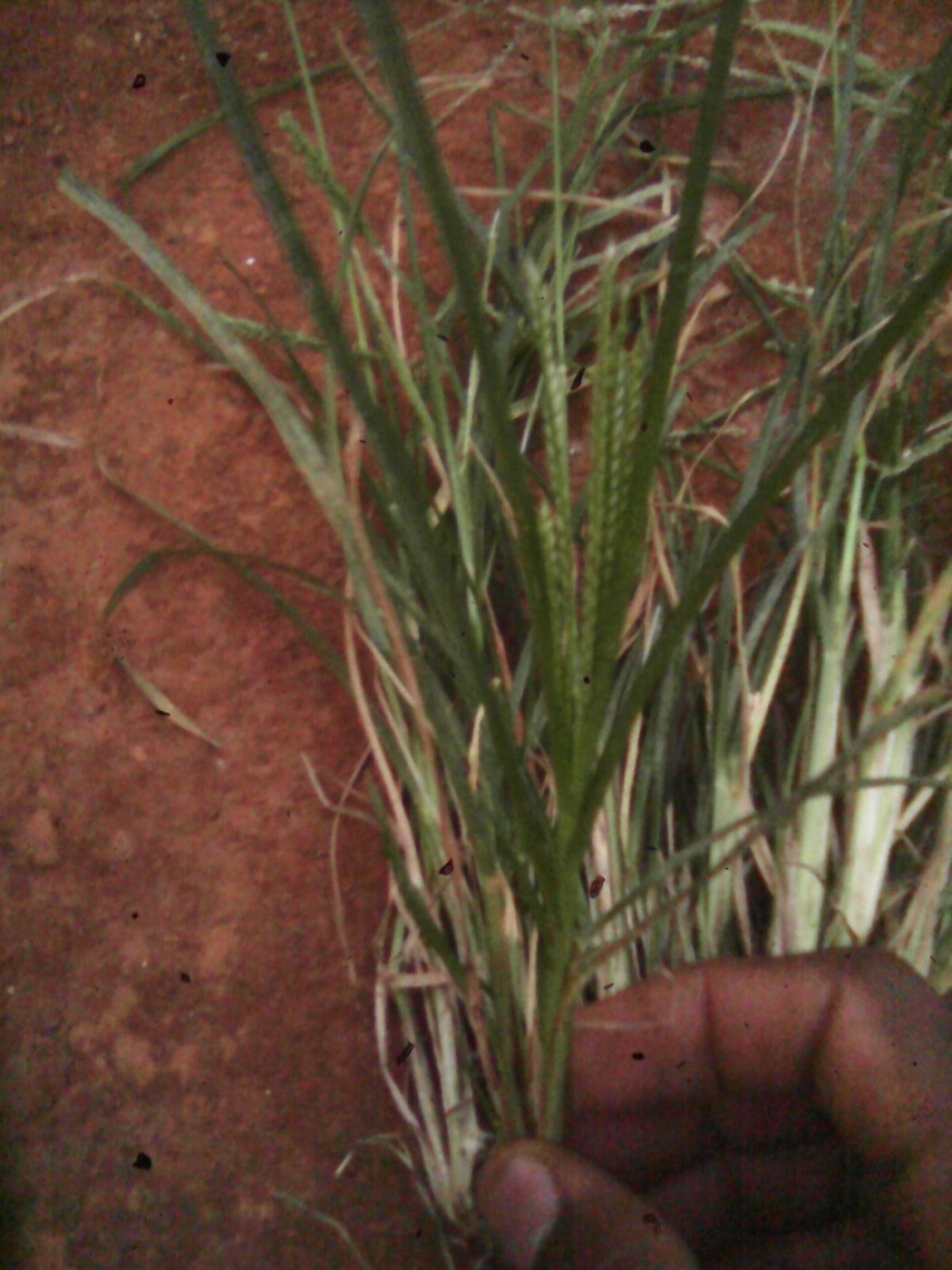
Goosegrass (Eleusine indica) is a resilient, warm-season annual grass that forms flattened, star-shaped rosettes hugging the ground, with pale, silvery folded stem bases and finger-like seed spikes. It is exceptionally tough, thriving in compacted soil and full sun where more delicate grasses struggle.
Light
Goosegrass demands full sun and grows most vigorously in open, unshaded spots. It tolerates the hottest, most exposed sites with ease and will be thin and weak in shade.
Water
This grass is markedly drought-tolerant and needs only low to moderate water once established. It survives dry spells that wilt other plants, drawing on a fibrous, wiry root system. Water occasionally during extended drought, but avoid keeping the soil constantly wet.
Soil & Potting
Goosegrass grows in almost any soil, including heavy, compacted, and poor ground where few plants take hold. It has no special drainage requirements and readily colonizes gravelly, hard-packed sites. If grown in a container, any general soil with drainage will do.
Humidity & Temperature
As a warm-season grass, it loves heat and humidity, thriving through hot summers. It germinates once soils warm in late spring and grows actively through the warm months, dying off with the first frosts as a true annual.
Feeding
Goosegrass needs no feeding to survive and grows well in low-fertility soil. If you want lusher growth, a light application of general lawn or all-purpose fertilizer in early summer is more than sufficient.
Propagation
It reproduces by seed, producing prolific finger-like seedheads that scatter readily. New plants germinate in warm, bare soil each spring. Simply sowing seed on warm, open ground establishes it quickly.
Repotting / Pruning
As a low, spreading annual, it needs little maintenance. Mowing or trimming keeps it flat, and it tolerates repeated cutting well, one reason it persists so stubbornly in managed turf.
Common Problems & Pests
Goosegrass is remarkably problem-free and rarely troubled by pests or disease. Its main challenge is the reverse: it is a vigorous colonizer and can crowd out weaker plants. In damp, poorly drained conditions it may occasionally show leaf spotting, but this is uncommon.
Seasonal Care Tips
Expect germination as soil warms in late spring, peak growth through summer heat, and natural die-off at frost. If you want to limit self-seeding, remove seedheads before they mature. Fresh plants will reappear from seed the following warm season.
Frequently asked questions
Why does goosegrass grow so well where other grasses fail?
It thrives in compacted, poor, and hot soils thanks to a wiry, fibrous root system and strong drought tolerance. These are exactly the harsh conditions that weaken finer grasses, giving goosegrass a competitive edge.
How can I recognize goosegrass?
Look for a flat, star-shaped rosette pressed against the ground with pale, silvery, folded stem bases and finger-like seed spikes radiating from the top of the flowering stems.
Does goosegrass need much watering?
No. It is very drought-tolerant and needs only low to moderate water once established, surviving dry spells that wilt many other plants. Water only during prolonged drought.
Is goosegrass an annual or perennial?
It is a warm-season annual. It germinates as soils warm in late spring, grows through summer, and dies off with frost, returning from seed the next year.