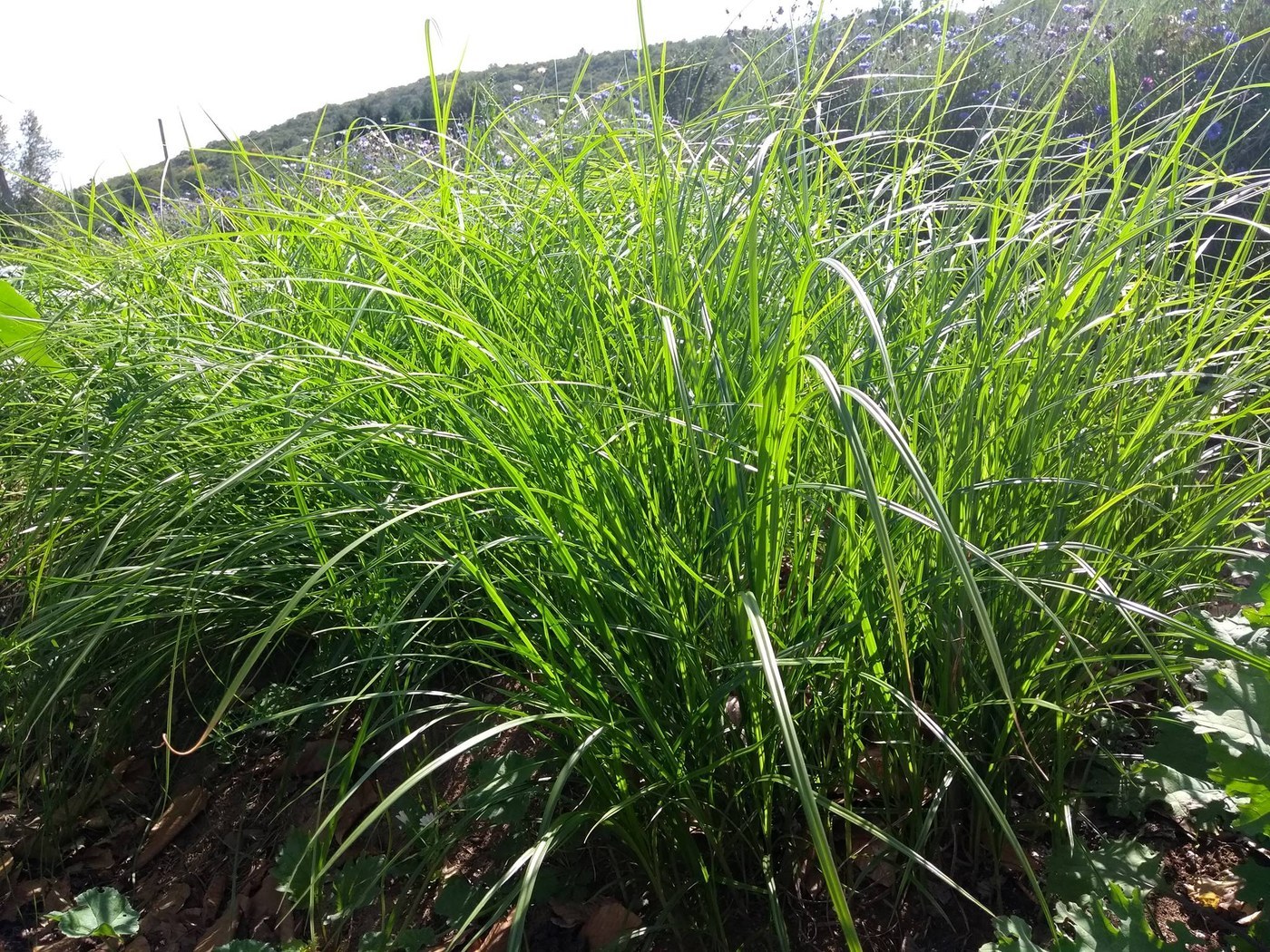
Yellow Nutsedge
Cyperus esculentus
Yellow nutsedge is a grass-like perennial sedge, not a true grass, that infests lawns, gardens and crops by spreading through underground tubers called 'nutlets'. The same tubers are also cultivated in some regions, where they are known as chufa or tiger nuts.
- Light
- Full sun
- Water
- Prefers moist to wet soil
- Difficulty
- Easy
Got a plant like this?
Identify any plant from a photo, free.
Overview
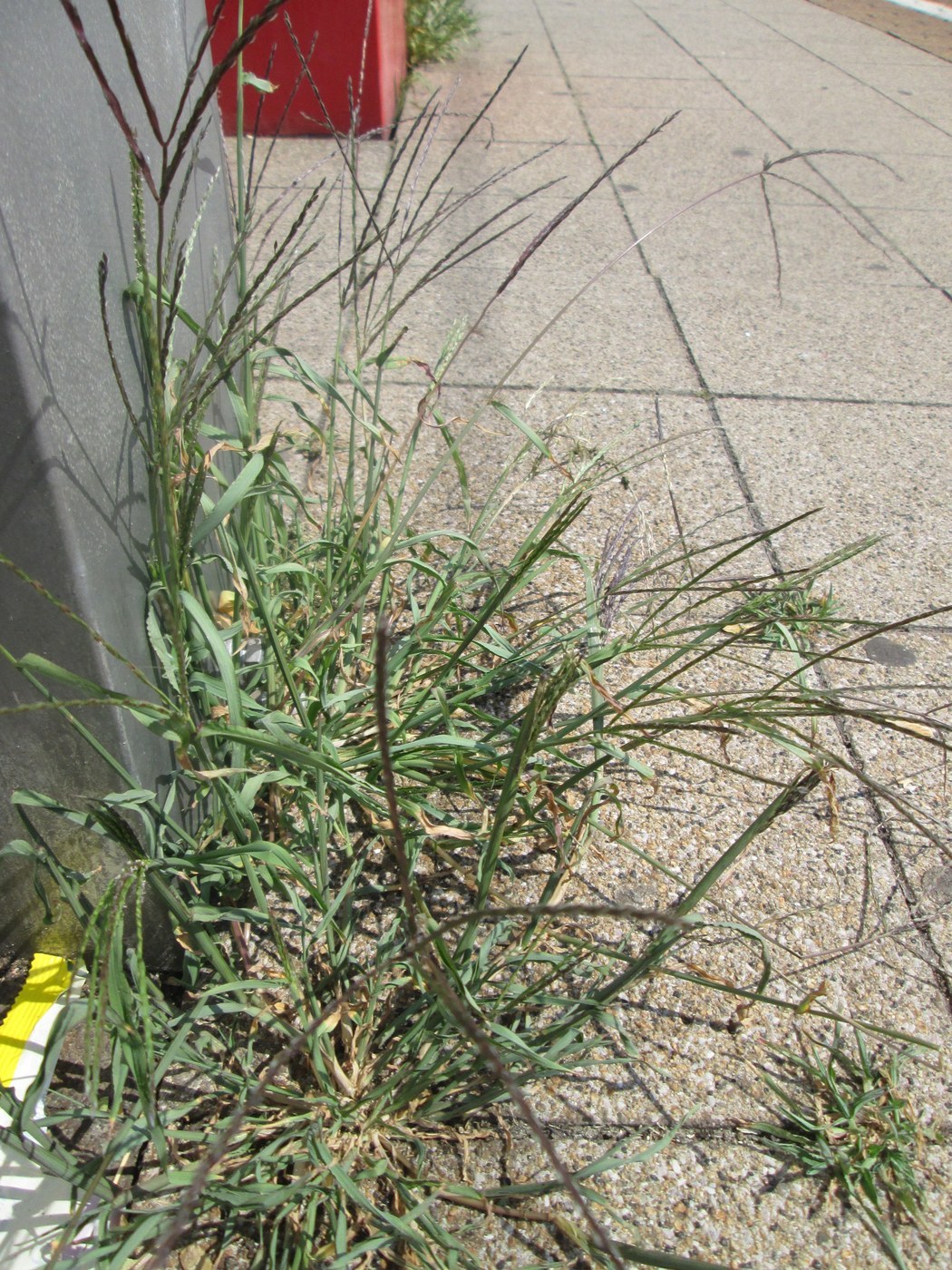
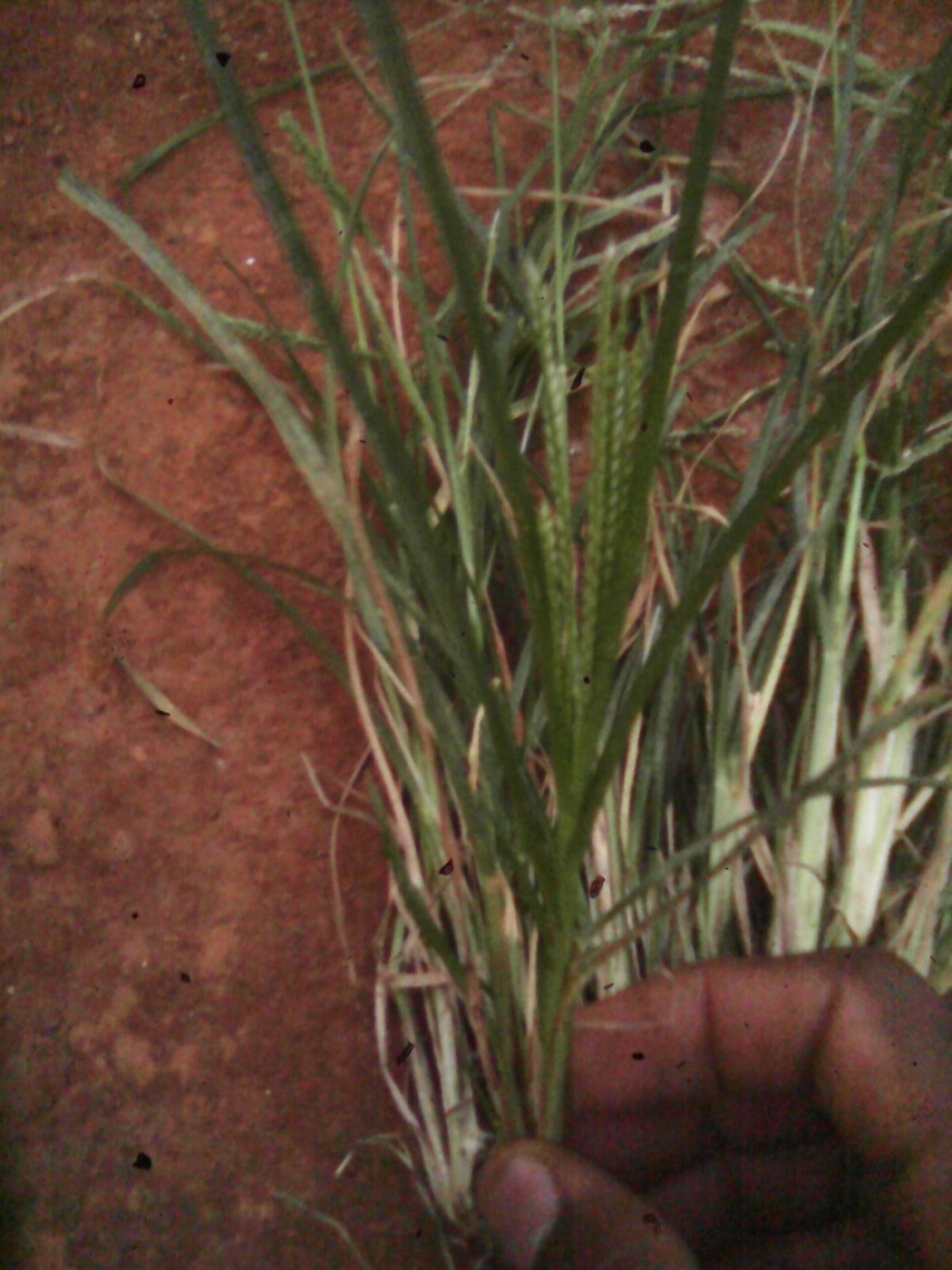
Yellow nutsedge (Cyperus esculentus) is a perennial sedge that looks grass-like but is botanically distinct from true grasses. It is recognized by its glossy yellow-green leaves, triangular stems and a habit of growing noticeably faster and more upright than surrounding turf.
Its real persistence comes from underground: it produces numerous small tubers ('nutlets') and rhizomes that survive cultivation, herbicides and hand-pulling, sprouting into new plants. A single tuber can found a large colony.
The same tubers are also cultivated in parts of the world, where they are known as chufa or tiger nuts.
How to identify it
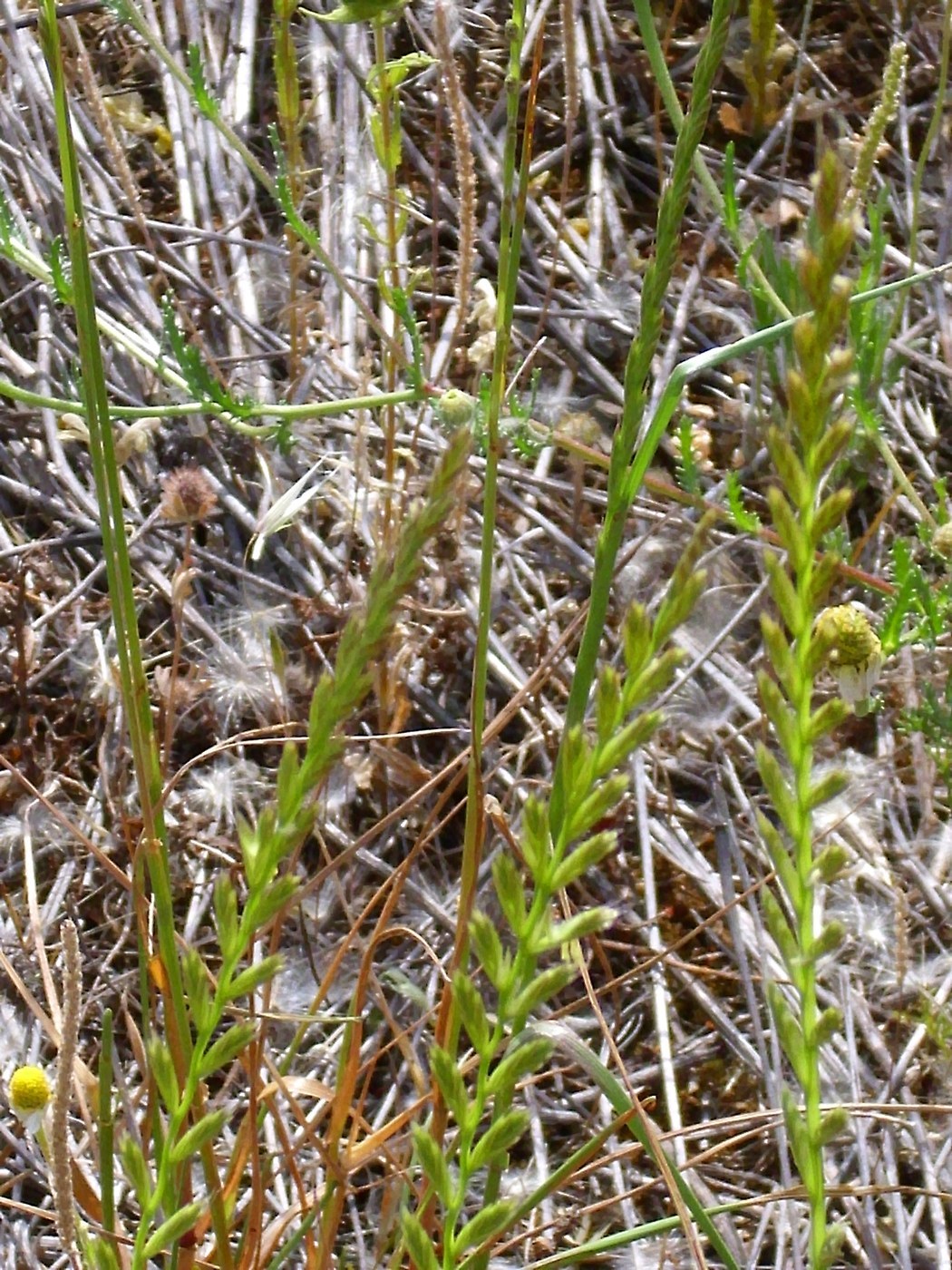
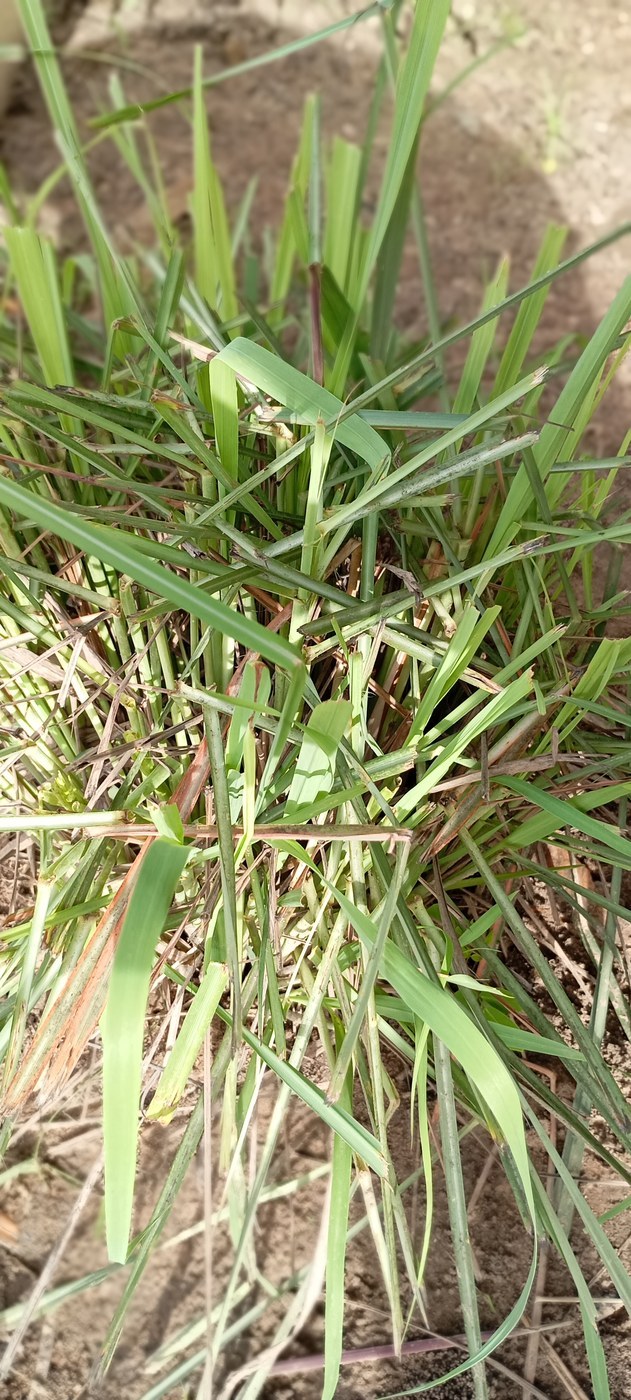
A grass-like perennial sedge, often standing taller than the lawn around it.
- Stems: solid and triangular in cross-section (roll a stem between your fingers, sedges have edges), unlike round, hollow grass stems
- Leaves: glossy, light yellow-green, V-shaped in cross-section, in groups of three from the base, with a waxy sheen
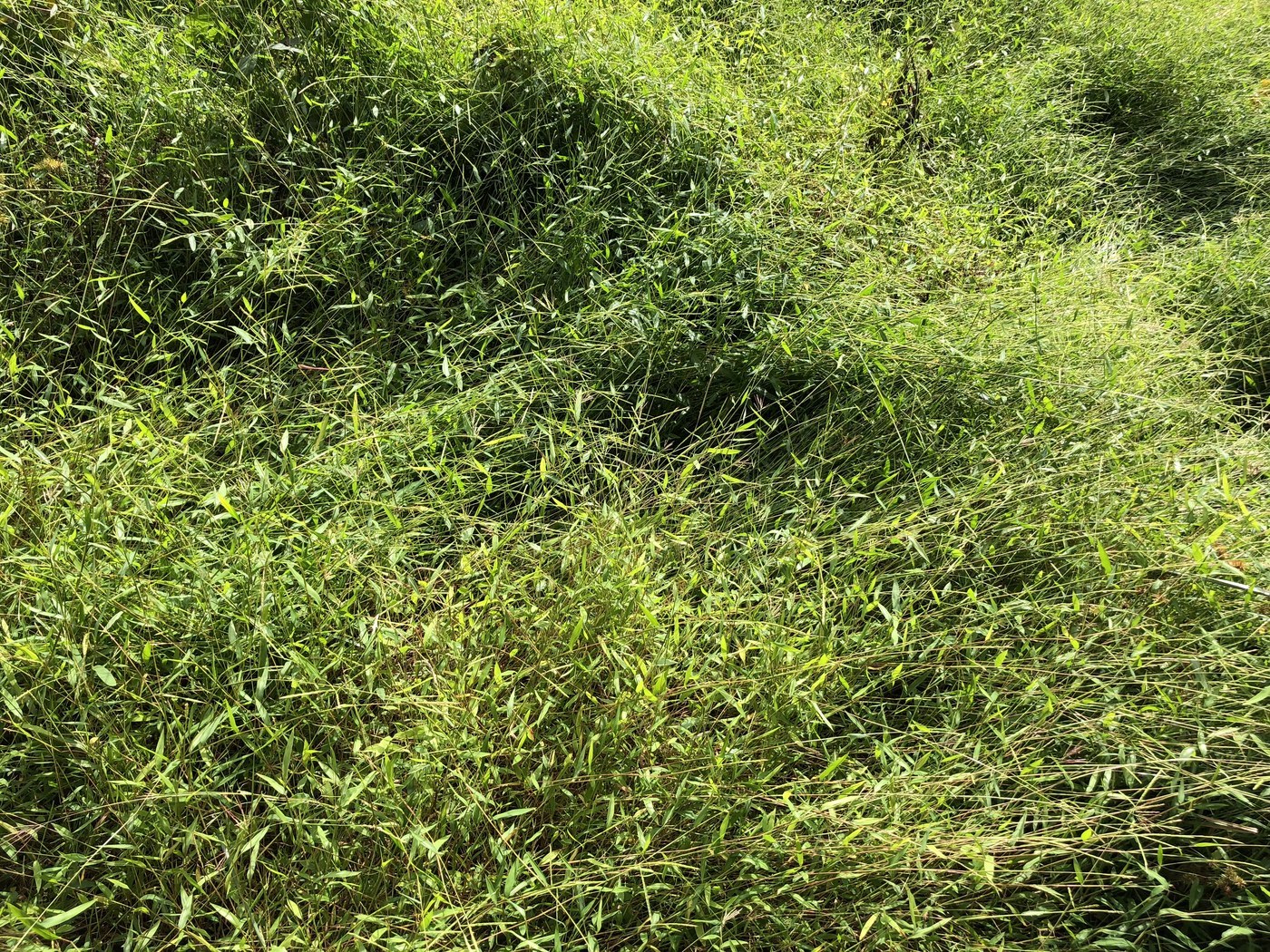
- Growth: faster and more upright than turfgrass, so it stands out within days of mowing
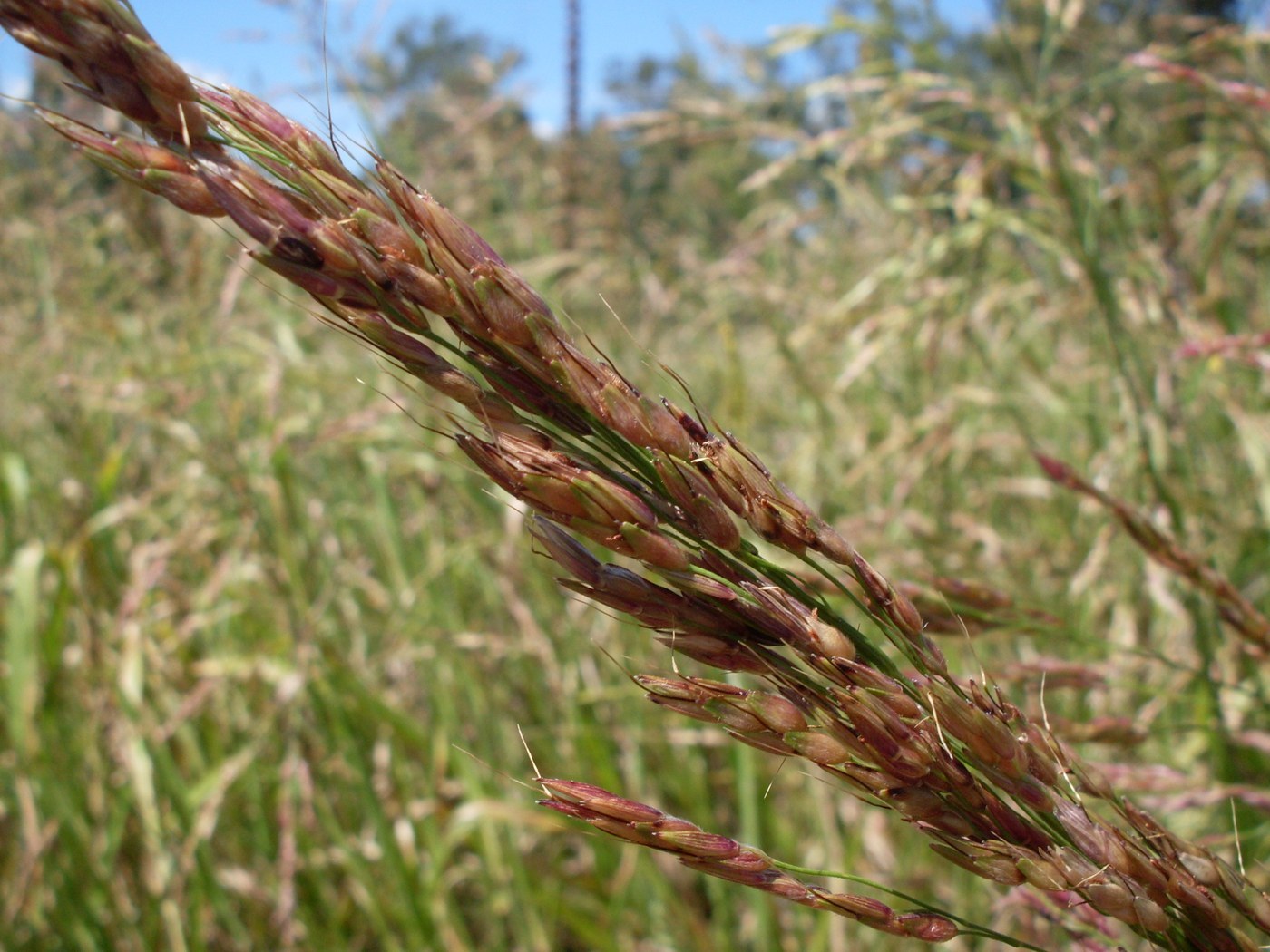
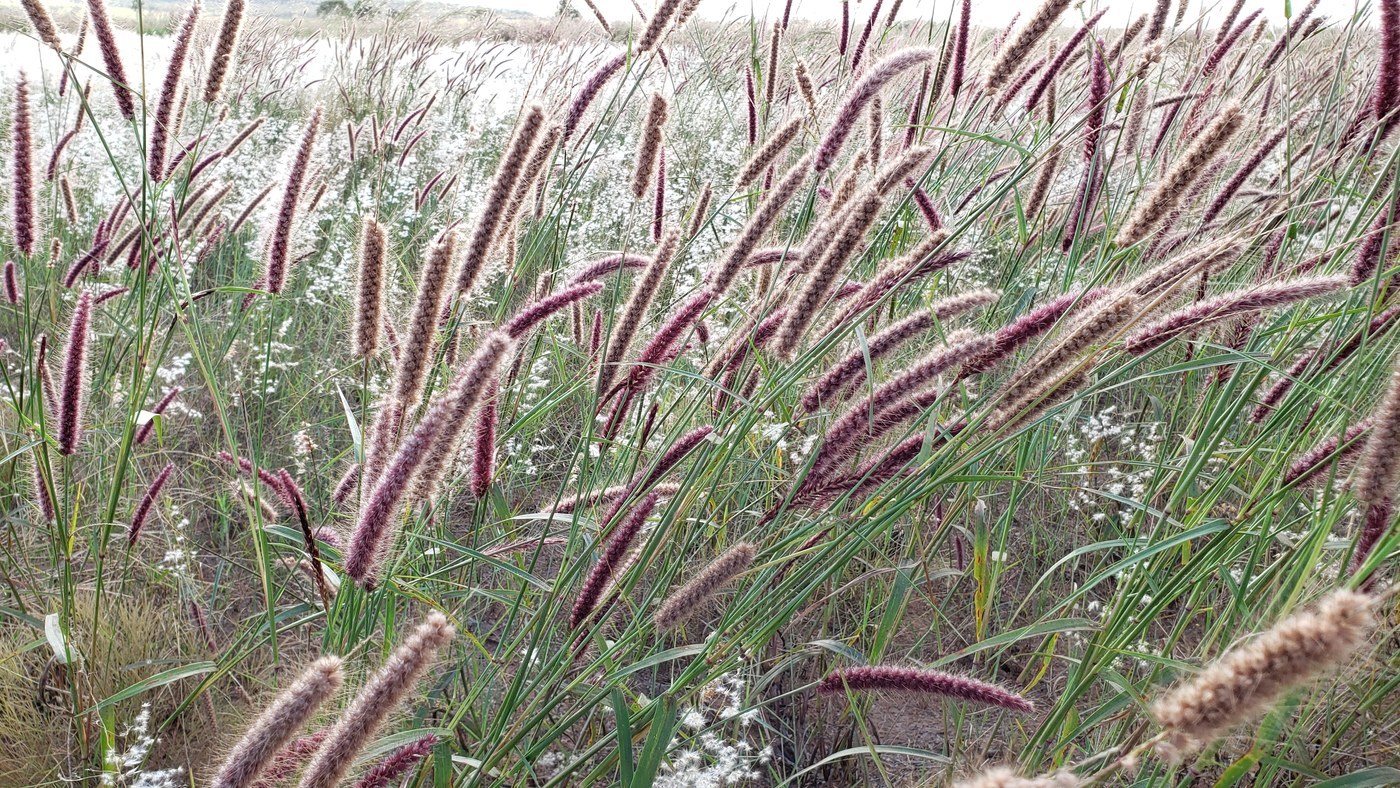
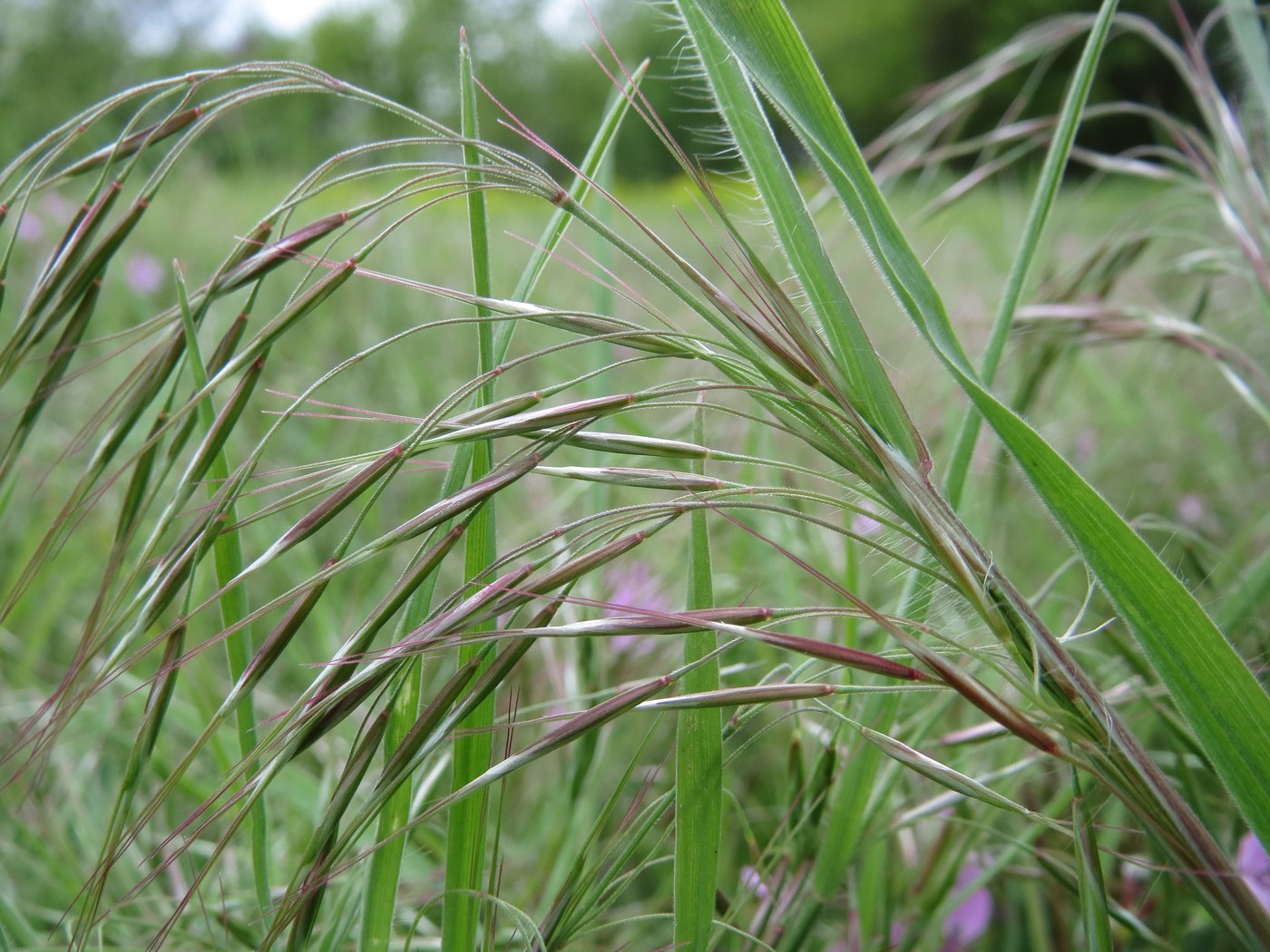
- Flower/seed head: umbrella-like cluster of straw-yellow to golden spikelets in summer
- Underground: wiry rhizomes ending in small, round tubers (nutlets)
Care & growing
A weed in most settings; one of the harder lawn weeds to control.
- Light: Full sun favors it
- Water: Thrives in moist to wet, poorly drained soil; chronic dampness encourages it
- Soil: Tolerant, but most aggressive in wet, fertile ground
- Control (cultural): Improve drainage and avoid overwatering; pull young plants before they form tubers, removing the whole tuber chain (hard to do completely)
- Control (chemical): Selective sedge-specific herbicides (e.g. halosulfuron, sulfentrazone) are far more effective than standard broadleaf or grass products, and usually need repeat applications
- Note: Tubers can persist in soil for years, so expect a multi-season effort
Habitat & origin
Native across a broad range including parts of Africa, Eurasia and the Americas, yellow nutsedge is now a near-cosmopolitan weed of warm and temperate regions.
It favors moist, sunny, disturbed sites: overwatered lawns, low spots, irrigated cropland, vegetable gardens, ditches and riverbanks. Poor drainage is a frequent trigger for infestations.
Frequently asked questions
Is yellow nutsedge a grass?
No. It is a sedge, with solid triangular stems and a three-ranked leaf arrangement, which is why grass herbicides often fail on it.
Why does it keep coming back?
It produces many underground tubers ('nutlets') that survive pulling and herbicides and resprout for years, so control takes repeated effort.
How do I get rid of yellow nutsedge?
Improve drainage, avoid overwatering, remove young plants with their tubers, and use a sedge-specific herbicide such as halosulfuron, usually more than once.
Yellow Nutsedge guides
In-depth guides for identifying, growing, and caring for Yellow Nutsedge.
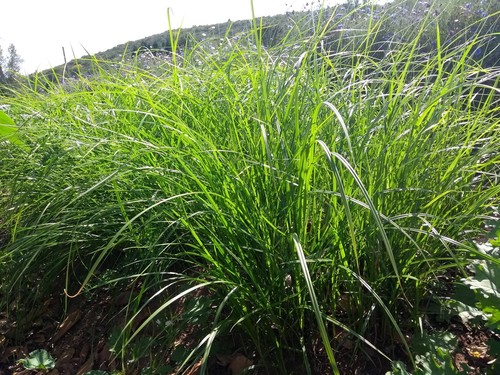
How to Care for Yellow Nutsedge
Growing guide to Cyperus esculentus: a vigorous, moisture-loving sedge that thrives in full sun and wet, fertile soil.
Yellow Nutsedge Identification Guide
How to identify yellow nutsedge (Cyperus esculentus), a grass-like sedge weed with triangular stems and golden seed heads.