
Yellow Nutsedge Identification Guide
How to identify yellow nutsedge (Cyperus esculentus), a grass-like sedge weed with triangular stems and golden seed heads.
Read the full Yellow Nutsedge encyclopedia entry →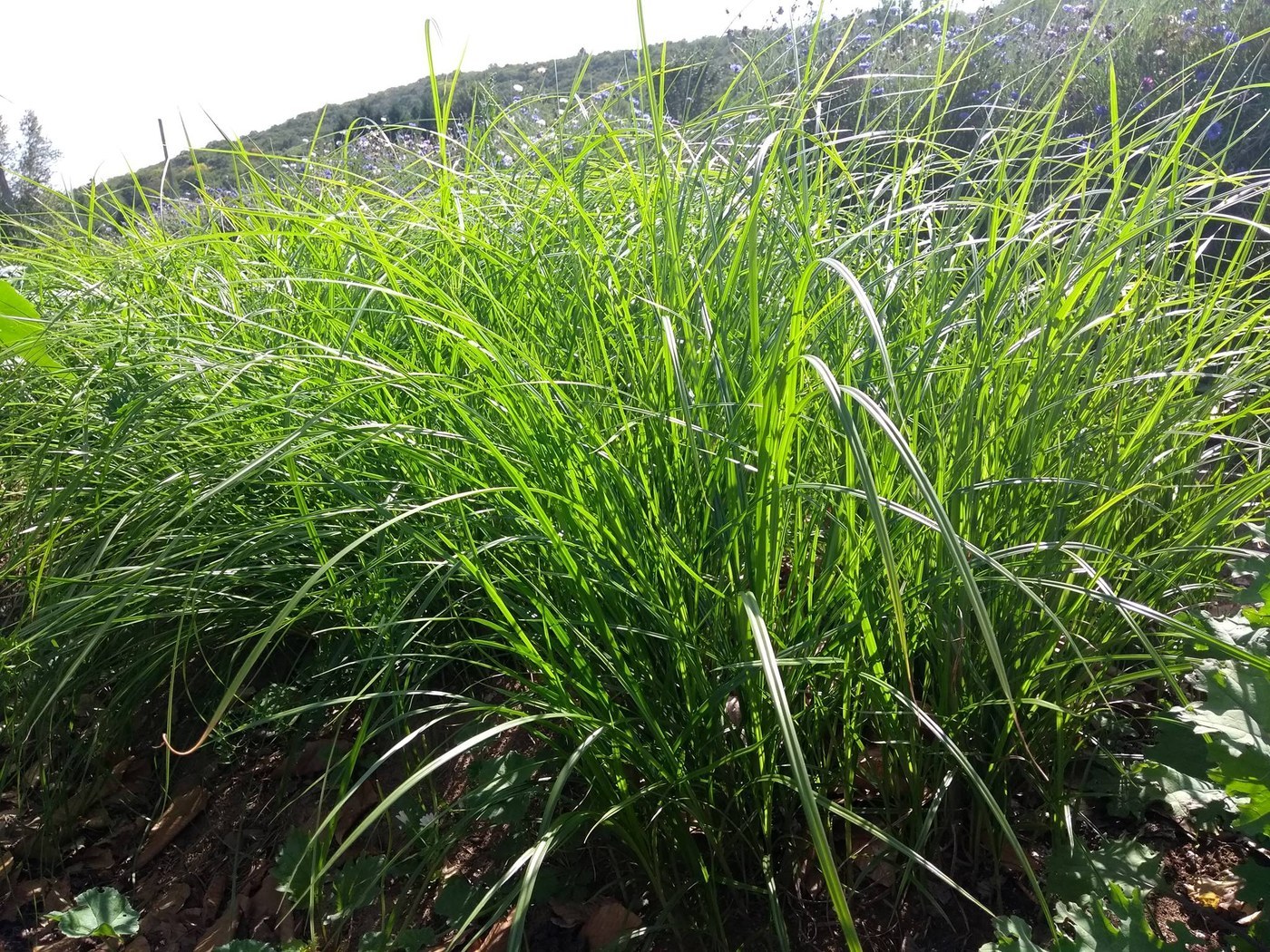
Key Identifying Features
Yellow nutsedge (Cyperus esculentus) is a grass-like perennial sedge, not a true grass, that invades lawns and gardens. Its giveaways are triangular (three-sided) stems, glossy yellow-green leaves in sets of three, faster-than-turf growth, and underground nutlets (tubers). "Sedges have edges" is the rule that separates it from grasses.
- Upright, bright yellow-green blades standing taller than mowed lawn
- Solid, triangular stems (roll between fingers to feel three edges)
- Spreads by tubers ("nutlets") on underground rhizomes
Leaves & Stems
Leaves are stiff, V-shaped in cross-section, shiny yellow-green, with a prominent midrib, and arranged in three ranks (sets of three) around the stem base. Blades taper to a fine, sharp point. The flowering stem is distinctly triangular and solid (not round or hollow like grass stems), a definitive sedge feature. Growth is rapid in summer heat, so nutsedge often shoots above a freshly mowed lawn within days, appearing as paler upright tufts.
Flowers & Fruit
In mid to late summer, a triangular stalk bears an umbrella-like cluster of golden-yellow to straw-colored, spikelet seed heads, with several leaf-like bracts spreading beneath them. The bright yellowish seed head is the source of the name. Below ground, slender rhizomes end in small round tubers ("nutlets") that taste slightly sweet and let the plant persist and spread.
How to Tell It Apart from Look-Alikes
- Grasses (crabgrass, fescue, etc.): have round or flattened, hollow stems and two-ranked leaves; nutsedge has solid triangular stems and three-ranked leaves.
- Purple nutsedge (Cyperus rotundus): reddish-purple seed heads and tubers in chains; yellow nutsedge has yellow seed heads and single tubers with a pointed tip.
- Kyllinga: lower-growing with rounded green seed heads.
Where You'll Find It
Yellow nutsedge thrives in moist, poorly drained, or overwatered ground: low spots in lawns, garden beds, ditches, and irrigated turf, in full sun to part shade. It is a common weed across North America and worldwide. Its presence often signals wet or compacted soil.
Quick ID Checklist
- Triangular, solid stems (three edges when rolled)
- Glossy yellow-green leaves in sets of three
- Grows faster and taller than surrounding turf
- Golden-yellow umbrella-like seed heads in summer
- Underground nutlets/tubers on rhizomes
Frequently asked questions
How do I tell nutsedge from grass?
Roll the stem between your fingers: nutsedge has a solid, triangular three-edged stem ('sedges have edges'), while grasses have round or flattened, often hollow stems. Nutsedge leaves are also thicker, waxy, and arranged in sets of three.
Why does nutsedge stick up above my mowed lawn?
Yellow nutsedge grows much faster than turfgrass in warm weather, so within a few days of mowing its pale yellow-green blades shoot up above the lawn, making the patches obvious.
What is the difference between yellow and purple nutsedge?
Yellow nutsedge has golden-yellow seed heads and single tubers with a pointed tip, while purple nutsedge has reddish-purple seed heads and tubers connected in chains along the rhizomes.
What are the 'nuts' in nutsedge?
They are small, round underground tubers (nutlets) at the ends of the rhizomes. They store energy, let the plant survive winter, and sprout new plants, which is why nutsedge is hard to remove.