
How to Care for Cheatgrass
Cheatgrass (Bromus tectorum) is a fast winter annual grass thriving in full sun and dry, disturbed soil with minimal care.
Read the full Cheatgrass encyclopedia entry →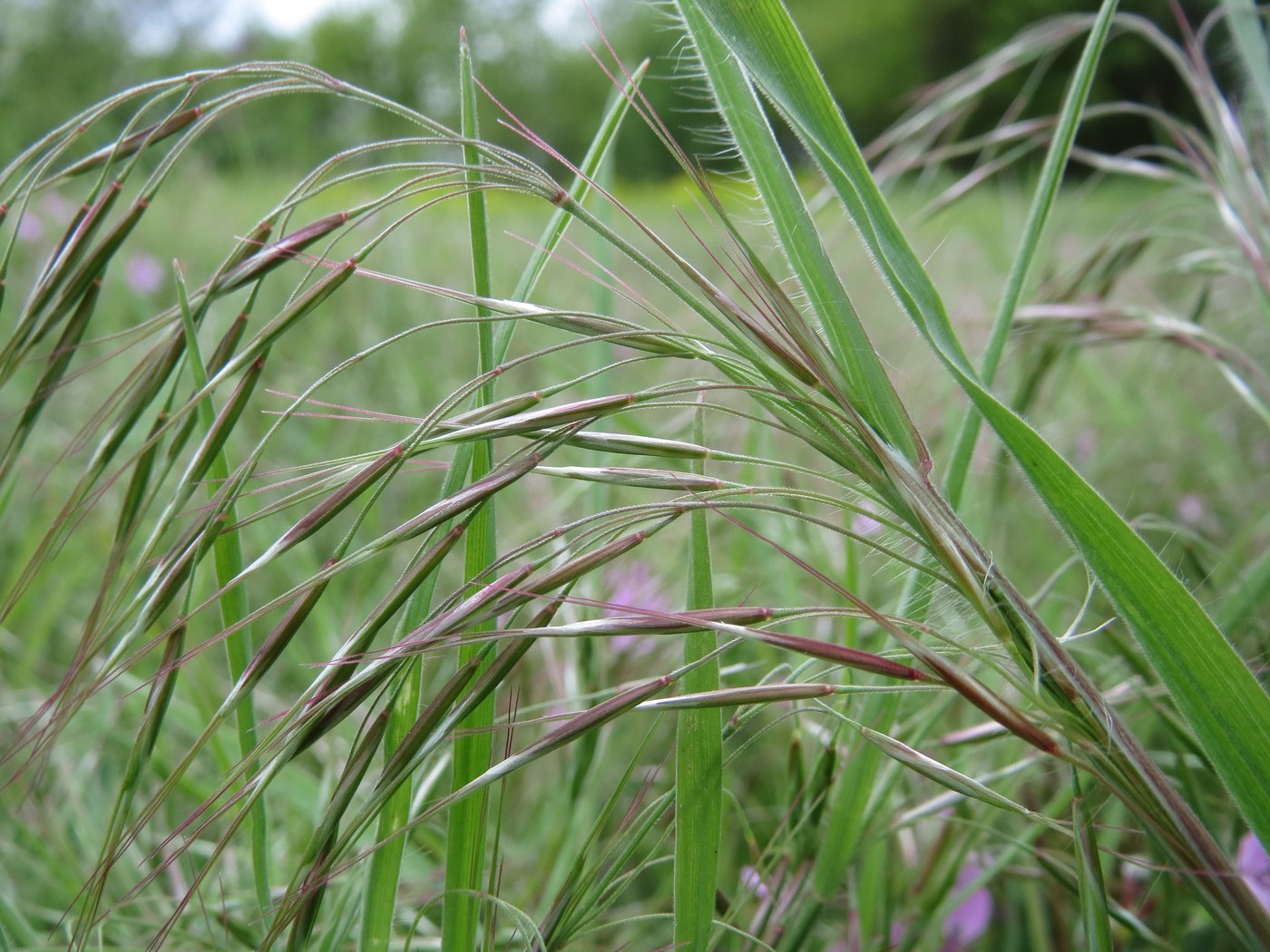
Cheatgrass (Bromus tectorum) is a fast-growing winter annual grass with soft, drooping seed heads that turn from green to purplish to straw-brown as it matures. Extremely undemanding and drought-adapted, it grows readily in poor, dry, disturbed ground. Note that it is a notoriously aggressive, invasive species across much of North America, so it should never be introduced deliberately; this guide describes its growth habits for identification and understanding.
Light
Cheatgrass is a full-sun plant, thriving in open, exposed ground with abundant light. It colonizes sunny disturbed sites, roadsides, and open rangeland, and does not persist well under dense shade where competing vegetation blocks the sun.
Water
Water needs are low. As a winter annual it germinates with autumn rains, grows through cool moist months, and matures and dries by early summer, escaping the hottest, driest period as seed. It is highly drought-tolerant and completes its life cycle on scant moisture, one reason it spreads so successfully in arid and semi-arid regions.
Soil & Potting
Cheatgrass is unfussy about soil, growing in poor, sandy, gravelly, or compacted ground that discourages many other plants. It favors disturbed and bare soil where competition is low, which is why it dominates overgrazed or recently cleared land. It has a fibrous, shallow root system that lets it establish quickly on thin soils.
Humidity & Temperature
Adapted to cool-season growth, cheatgrass germinates in autumn, grows through winter and early spring in mild-winter regions, and sets seed before summer heat. It tolerates cold and frost as a low rosette of seedlings and handles a wide range of temperatures, thriving especially in the continental climates of the western interior.
Feeding
No feeding is required or advisable. Cheatgrass thrives on low-fertility soils and actually benefits competitively from nutrient-poor, disturbed conditions. Added nitrogen tends to fuel its rapid growth, which is one reason disturbed and enriched sites are so readily colonized.
Propagation
Cheatgrass reproduces entirely by seed, and prolifically so. A single plant can produce large quantities of seed that disperse readily by clinging to fur, clothing, and equipment via their bristly awns. Seed germinates quickly with autumn moisture. Because of its invasiveness, propagation is strongly discouraged; understanding its seeding is chiefly useful for managing and preventing its spread.
Repotting / Pruning
As a short-lived annual grass, cheatgrass is not a plant that is repotted or pruned in cultivation. In a management context, mowing or cutting before seed set is a key control tactic, since preventing seed production is the main way to limit its spread. Removing plants while still green, before the seed heads dry and shatter, is most effective.
Common Problems & Pests
The chief problem associated with cheatgrass is the plant itself: it is a highly invasive weed that outcompetes native vegetation and alters fire cycles in wildland areas by creating continuous fine, dry fuel. It has few pest concerns of its own. For anyone managing land, the practical concern is controlling its spread through early removal, reseeding disturbed ground with desirable species, and cleaning seed from gear and animals.
Seasonal Care Tips
Cheatgrass follows a strict winter-annual rhythm: seeds germinate in autumn, seedlings overwinter as green rosettes, growth accelerates in early spring, and plants flower and set seed by late spring before drying to brittle straw in summer. For land managers, autumn and early spring are the windows to control young plants before they seed. Deliberate planting should always be avoided given its invasive status.
Frequently asked questions
Is cheatgrass invasive?
Yes. Bromus tectorum is a highly invasive winter annual across much of western North America, where it outcompetes native plants and increases wildfire fuel. It should never be planted deliberately.
When does cheatgrass grow?
It is a winter annual. Seeds germinate with autumn rains, seedlings overwinter as green rosettes, and plants grow rapidly in early spring before setting seed and drying by early summer.
How is cheatgrass spread controlled?
The key is preventing seed production. Mowing, cutting, or removing plants while still green in autumn or early spring, plus reseeding disturbed ground with desirable species, limits its spread.
Why does cheatgrass grow so easily?
It thrives in full sun on poor, dry, disturbed soils, tolerates drought and cold, produces abundant clinging seed, and germinates fast with autumn moisture, letting it colonize open ground quickly.