
How to Care for Annual Phlox
Grow colorful Annual Phlox in full sun and evenly moist, well-drained soil for masses of long-lasting blooms in beds and containers.
Read the full Annual Phlox encyclopedia entry →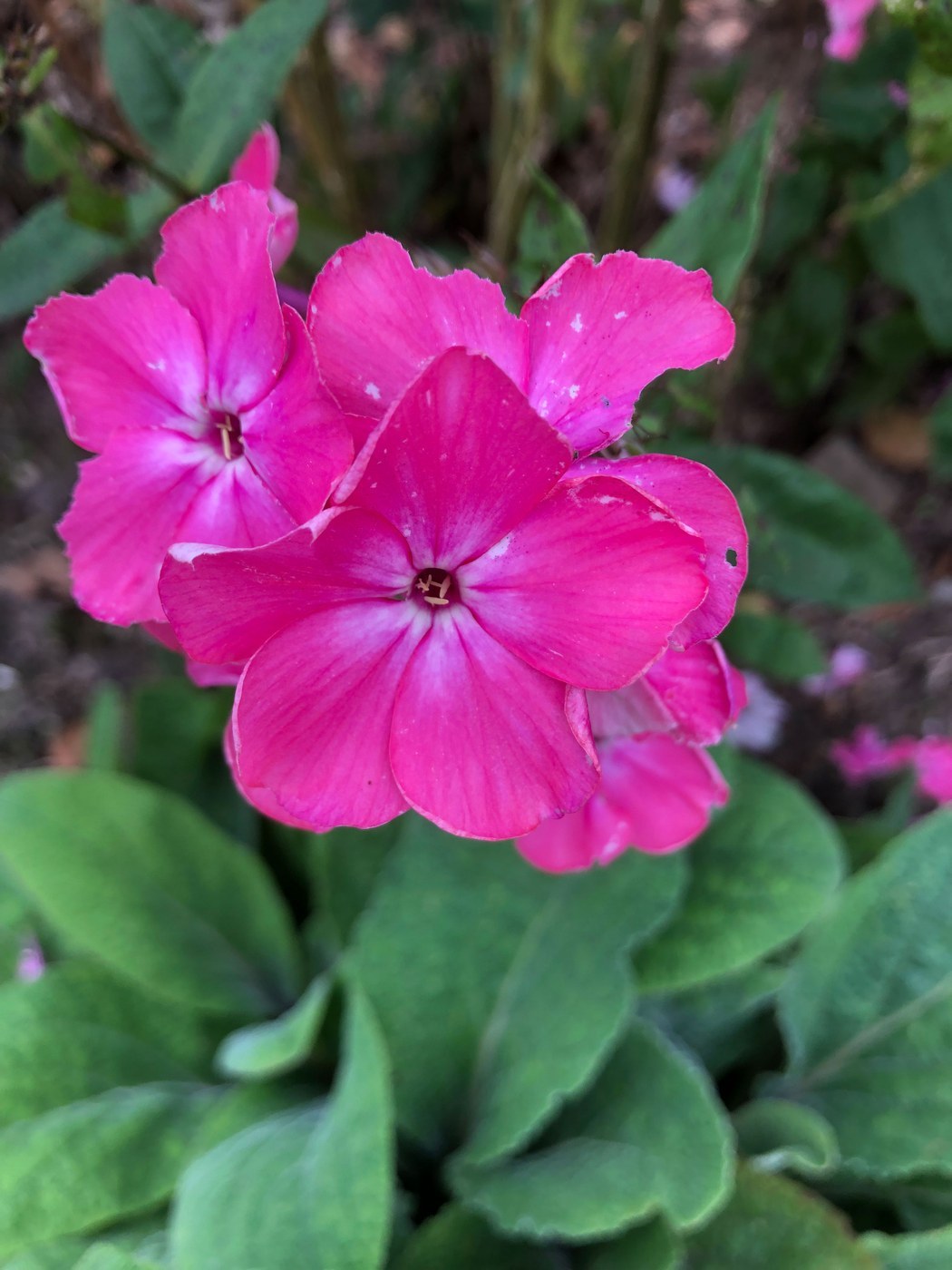
Annual Phlox (Phlox drummondii) is a cheerful, easy-to-grow flowering annual valued for its dense clusters of star- or wheel-shaped blooms in a wide range of colors. Blooming abundantly from late spring through summer, it is a favorite for beds, borders, containers, and cutting.
Light
Grow Annual Phlox in full sun for the most abundant flowering. It needs at least six hours of direct sun daily; in very hot climates a little afternoon shade helps prolong bloom and prevents fading. Too much shade produces leggy, sparse plants with fewer flowers.
Water
Keep the soil evenly moist, providing moderate, consistent watering, especially during hot, dry weather. Annual Phlox does not like to dry out completely, which can cut short its bloom, but it also dislikes soggy conditions. Water at the base to keep foliage dry and reduce mildew, and apply a light mulch to conserve moisture.
Soil & Potting
Provide fertile, well-drained soil enriched with organic matter. Annual Phlox adapts to average garden soil but flowers best in loose, moderately rich ground with good drainage. In containers use a quality potting mix. A near-neutral pH is ideal. Ensure pots have drainage holes to prevent water buildup around the roots.
Humidity & Temperature
As a warm-season annual, Annual Phlox thrives in mild-to-warm conditions and blooms through summer, though extreme, humid heat can slow flowering. It is not frost-hardy and is grown fresh each year. In humid climates, good spacing and air circulation are important to limit fungal problems.
Feeding
Feed every few weeks during the growing season with a balanced, water-soluble fertilizer to sustain continuous bloom, or work a slow-release fertilizer into the bed at planting. Do not overfeed with nitrogen, which favors foliage over flowers. Container plants benefit from more regular light feeding since nutrients leach out with watering.
Propagation
Propagate from seed. Sow seeds directly in the garden after the last frost, or start indoors several weeks earlier for earlier blooms. Seeds germinate best with darkness, so cover them lightly. Thin or space seedlings a few inches apart for good air flow. Plants often self-sow modestly, returning from dropped seed the following year.
Repotting / Pruning
Pinch young plants early to encourage bushy, branching growth and more flowers. Deadhead spent blooms regularly, or shear the plants back lightly by about a third if they become leggy or stop blooming in midsummer; this encourages a fresh flush of growth and flowers. In containers, refresh and feed to keep plants vigorous through the season.
Common Problems & Pests
Powdery mildew is the most common issue, appearing as a white coating on leaves in humid, crowded conditions; prevent it with full sun, good spacing, and base watering. Spider mites and aphids can appear in hot, dry spells and are treated by rinsing or with insecticidal soap. Leggy, floppy growth is corrected by pinching and shearing.
Seasonal Care Tips
Sow or plant out after the last spring frost once the soil warms. Through late spring and summer, deadhead and feed for continuous bloom, and water consistently during heat. If flowering slows in high summer, shear plants back to rejuvenate them for a fall flush. Plants finish with the first hard frost; collect or let seed drop for next year's self-sown plants.
Frequently asked questions
How do I keep Annual Phlox blooming all summer?
Deadhead spent flowers, feed every few weeks, and water consistently. If it gets leggy or slows in midsummer, shear it back by about a third to trigger a fresh flush of blooms.
Why do my Annual Phlox leaves have a white coating?
That is powdery mildew, common in humid, crowded conditions. Grow in full sun with good spacing and water at the base to keep foliage dry and prevent it.
Can I grow Annual Phlox from seed?
Yes. Sow directly after the last frost or start indoors earlier. Cover seeds lightly since they germinate best in darkness, and thin seedlings for good air flow.
Why is my Annual Phlox tall and floppy with few flowers?
Leggy growth comes from too little sun or no pinching. Grow in full sun and pinch young plants to encourage bushy, well-branched, flower-covered growth.