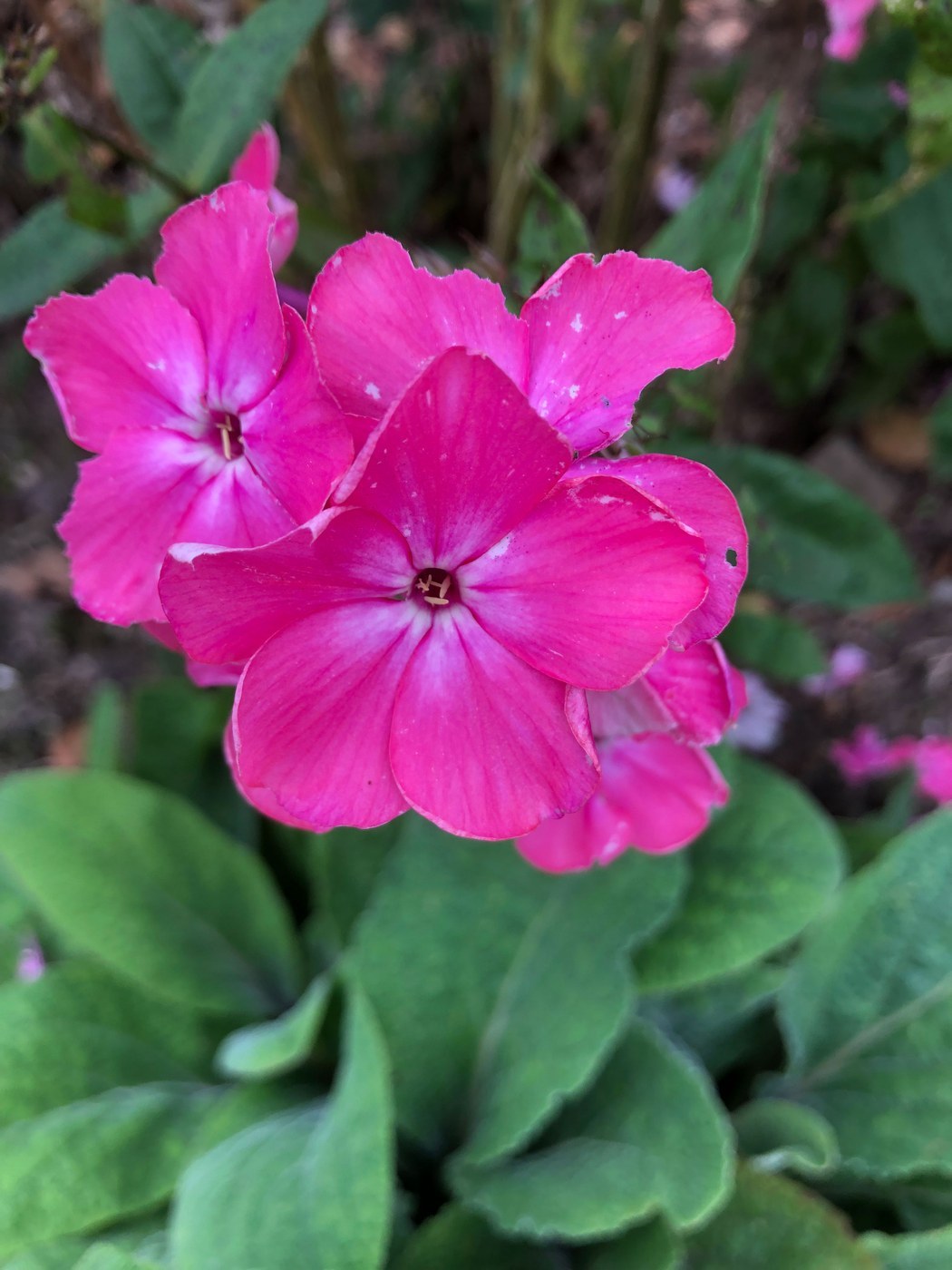
Annual Phlox
Phlox drummondii
A bushy Texas native annual that produces dense, rounded clusters of starry flowers in nearly every color, prized for long-lasting summer color in beds and containers.
- Light
- Full sun
- Water
- Moderate; keep evenly moist
- Difficulty
- Easy
Got a plant like this?
Identify any plant from a photo, free.
Overview
Annual phlox is a compact, free-flowering annual native to Texas, introduced to cultivation in the 19th century and named for the botanist Thomas Drummond. It blooms abundantly from late spring through summer in a remarkable range of colors.
Unlike its perennial cousins, it is grown fresh each year from seed and stays low and bushy, making it ideal for edging, mass plantings, and mixed containers. Many modern strains offer bicolors and contrasting eyes.
How to identify it
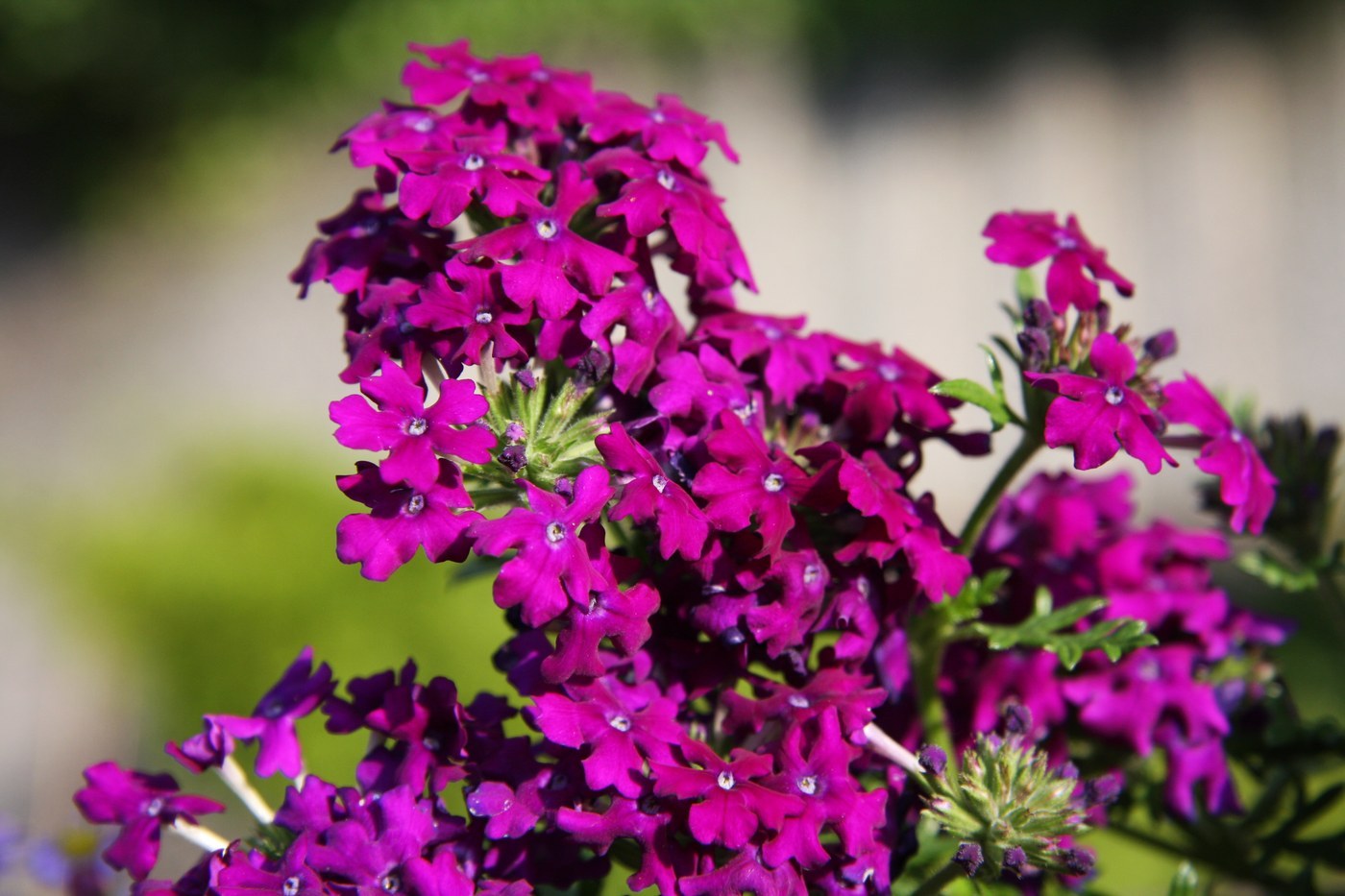
A low, branching annual forming mounds smothered in flower clusters.
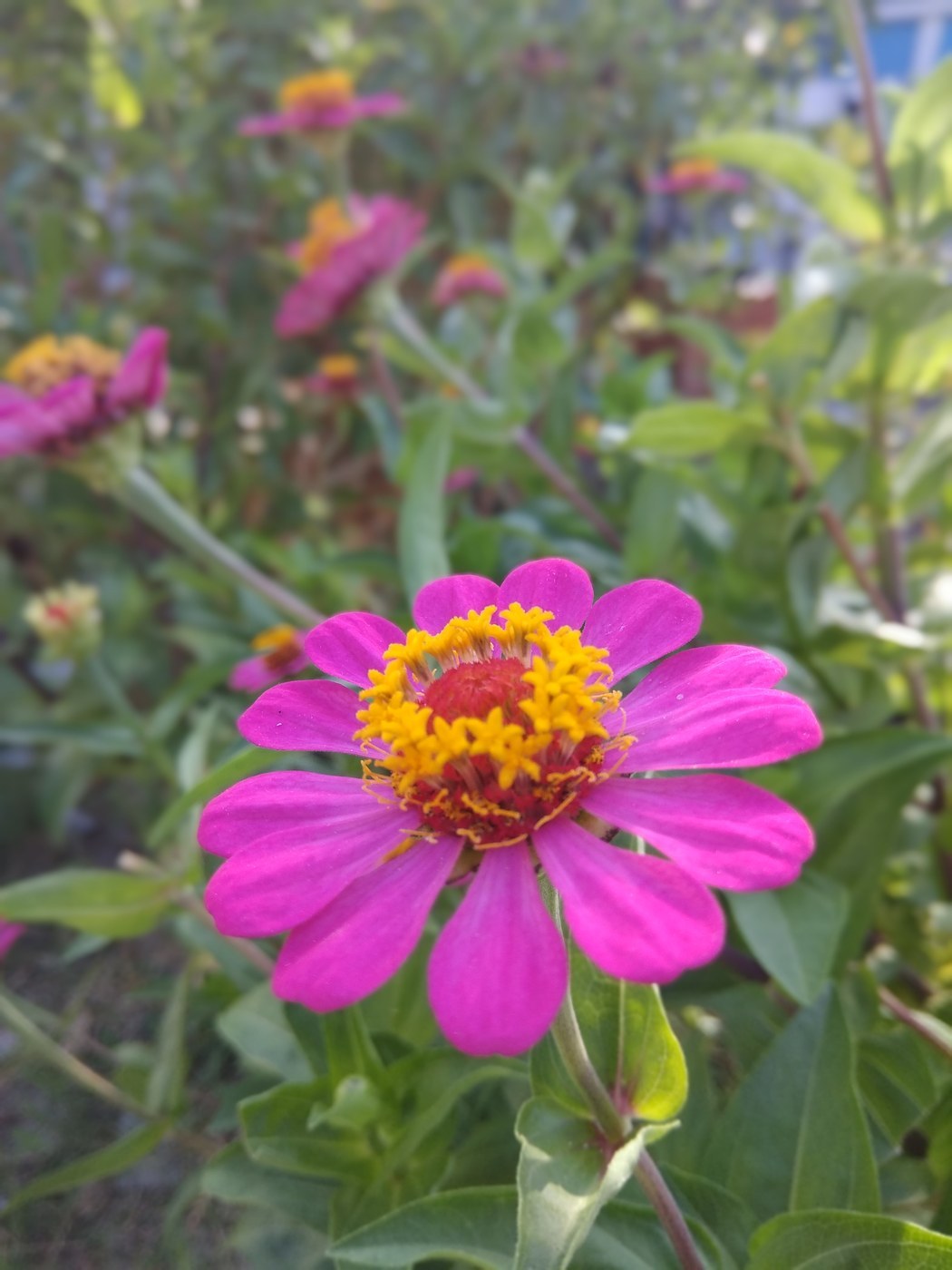
- Flowers: five flat, often notched petals forming a starry face about 2-3 cm across, frequently with a contrasting central eye
- Clusters: dense, dome-shaped heads at the stem tips
- Colors: red, pink, white, purple, salmon, and bicolors
- Leaves: lance-shaped to oval, soft, light green, and slightly sticky
- Height: typically 15-45 cm in a bushy, spreading habit
Care & growing
- Light: full sun for the most prolific bloom
- Water: keep soil evenly moist, especially in heat; avoid wetting foliage to limit mildew
- Soil: fertile, well-drained soil; tolerates sandy ground
- Temperature: thrives in warm summer weather but can fade in extreme prolonged heat
- Feeding: a balanced fertilizer every few weeks supports continuous bloom
- Propagation: sow seed indoors before the last frost or directly outdoors; deadhead spent clusters to extend flowering
Habitat & origin
Annual phlox is native to the sandy soils and prairies of Texas, where it blooms in spring drifts across the landscape.
It has naturalized in parts of the southeastern United States and is cultivated worldwide as a bedding annual. It performs best in regions with warm summers and is widely used in borders, rock gardens, and window boxes.
Frequently asked questions
How is annual phlox different from creeping phlox?
Annual phlox (Phlox drummondii) is grown fresh from seed each year and is bushy, while creeping phlox is a low perennial that returns and spreads as a mat.
Why are the leaves getting a white coating?
That is powdery mildew. Improve air circulation, water at the base rather than overhead, and avoid crowding plants.
Does deadheading help?
Yes. Removing spent flower clusters encourages the plant to keep producing new blooms through summer.
How tall does annual phlox grow?
It stays low and bushy, typically 15-45 cm tall, forming mounds covered in dome-shaped flower clusters.
Annual Phlox guides
In-depth guides for identifying, growing, and caring for Annual Phlox.
How to Care for Annual Phlox
Grow colorful Annual Phlox in full sun and evenly moist, well-drained soil for masses of long-lasting blooms in beds and containers.
Annual Phlox Identification Guide
Identify annual phlox by its flat-faced, five-lobed flowers in dense clusters atop sticky, hairy stems. This guide highlights leaf, flower and habit clues.