How to Care for Apple Tree
Grow a healthy, productive Malus domestica with full sun, even moisture, annual pruning, and a pollination partner nearby.
Read the full Apple Tree encyclopedia entry →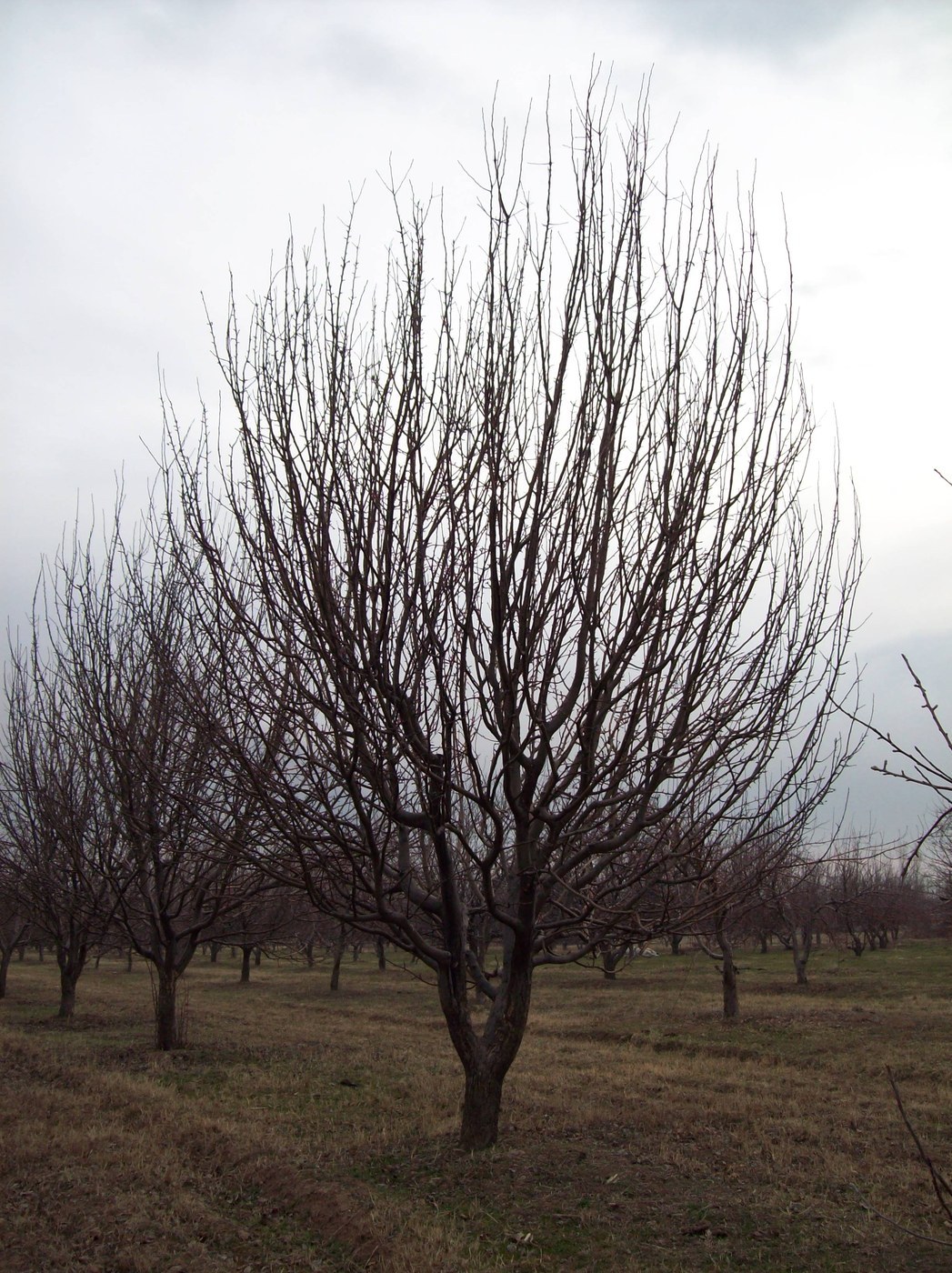
The apple tree (Malus domestica) is a deciduous ornamental and orchard tree grown for its spring blossom, spreading form, and heavy autumn crop of fruit. Success comes down to full sun, well-drained but evenly moist soil, thoughtful pruning, and, for most varieties, a compatible second tree nearby for pollination. It is a moderately demanding tree that rewards consistent care.
Light
Apples need full sun to grow and flower well: aim for at least six to eight hours of direct light daily. Sun drives flower-bud formation and helps ripen and color the fruit, and it keeps the canopy airy and less prone to disease. In shade, trees grow leggy, bloom sparsely, and fruit poorly. Choose an open site away from the shade of buildings and larger trees.
Water
Apple trees like regular, deep watering that keeps the soil evenly moist, especially while young and during the fruit-swelling period in summer. Water deeply and less often rather than shallowly and frequently, encouraging roots to grow down. Avoid both drought stress, which causes premature fruit drop, and waterlogged soil, which harms the roots. A mulch layer over the root zone helps hold moisture and steady the supply.
Soil & Potting
Grow apples in deep, fertile, well-drained loam with a near-neutral to slightly acidic pH. They dislike soggy, waterlogged ground, so improve heavy clay with organic matter and avoid low spots where water collects. Dwarf and semi-dwarf trees on size-controlling rootstocks can be grown in large containers with a quality soil mix and reliable drainage, which suits small gardens and patios.
Humidity & Temperature
Apples are temperate trees that require a period of winter cold (chilling hours) to break dormancy and flower properly, so they are best suited to regions with distinct seasons. Late spring frosts can damage open blossom and reduce the crop, so avoid frost-pocket sites. The trees tolerate a wide range of summer conditions provided moisture is adequate.
Feeding
Feed in early spring as growth begins with a balanced fertilizer, adjusting to the tree's vigor: strong, leafy growth means you can ease off nitrogen, while weak growth may call for a bit more. Excess nitrogen produces lush shoots at the expense of flowers and fruit and can increase disease. An annual top-dressing of compost and maintained mulch supports steady, balanced nutrition.
Propagation
Apple varieties do not come true from seed, so named types are propagated by grafting or budding onto a chosen rootstock, which also controls the tree's eventual size. This is how growers reproduce a specific variety reliably. Home growers usually buy grafted trees, but grafting scion wood onto rootstock in late winter or budding in summer are the traditional methods.
Repotting / Pruning
Prune every year while the tree is dormant in late winter to build a strong, open framework, remove dead, diseased, and crossing wood, and let light and air into the canopy; summer pruning can also help control vigor and size. Good pruning improves fruiting and tree health. Container-grown trees should be repotted or top-dressed every couple of years. Thinning excess young fruit in early summer improves size and helps prevent biennial (every-other-year) cropping.
Common Problems & Pests
Most apple varieties are not self-fertile and need a compatible variety flowering at the same time nearby for good fruit set. Common diseases include apple scab (olive-brown blotches on leaves and fruit), powdery mildew, and fire blight (blackened, wilted shoot tips); choosing resistant varieties and keeping the canopy open reduces these. Codling moth, aphids, and various caterpillars are frequent pests. Good sanitation, such as clearing fallen leaves and fruit, and timely intervention keep problems in check.
Seasonal Care Tips
In late winter, do structural and maintenance pruning while dormant. In spring, feed, mulch, and watch for frost during bloom. In summer, water deeply and consistently, thin the young fruit, and monitor for pests and disease. In autumn, harvest as fruit ripens and clear fallen debris to reduce overwintering pests and disease before the tree drops its leaves for winter rest.
Frequently asked questions
Do I need two apple trees to get fruit?
Usually yes. Most apple varieties are not self-fertile and need a different, compatible variety blooming at the same time nearby to pollinate them. A crabapple or a neighbor's tree can also serve as the pollination partner.
When should I prune my apple tree?
Do the main structural pruning in late winter while the tree is dormant to shape an open framework and remove dead or crossing wood. Light summer pruning can additionally help control vigorous growth.
Why did my apple tree drop its small fruit early?
Some early drop is natural as the tree sheds excess fruit, but heavy drop often follows drought stress, poor pollination, or a late frost. Consistent deep watering and a good pollination partner reduce it.
Can I grow an apple tree in a pot?
Yes, if you choose a variety grafted onto a dwarf or semi-dwarf rootstock. Use a large container with excellent drainage, keep it evenly watered, feed in spring, and prune annually to manage size.
Apple Tree identified by the community
Recent Apple Tree specimens identified with Plant Identifier.