
How to Care for Apricot Tree
Growing guide for Prunus armeniaca, a sun-loving deciduous tree with early blossoms, prized as an ornamental orchard specimen.
Read the full Apricot Tree encyclopedia entry →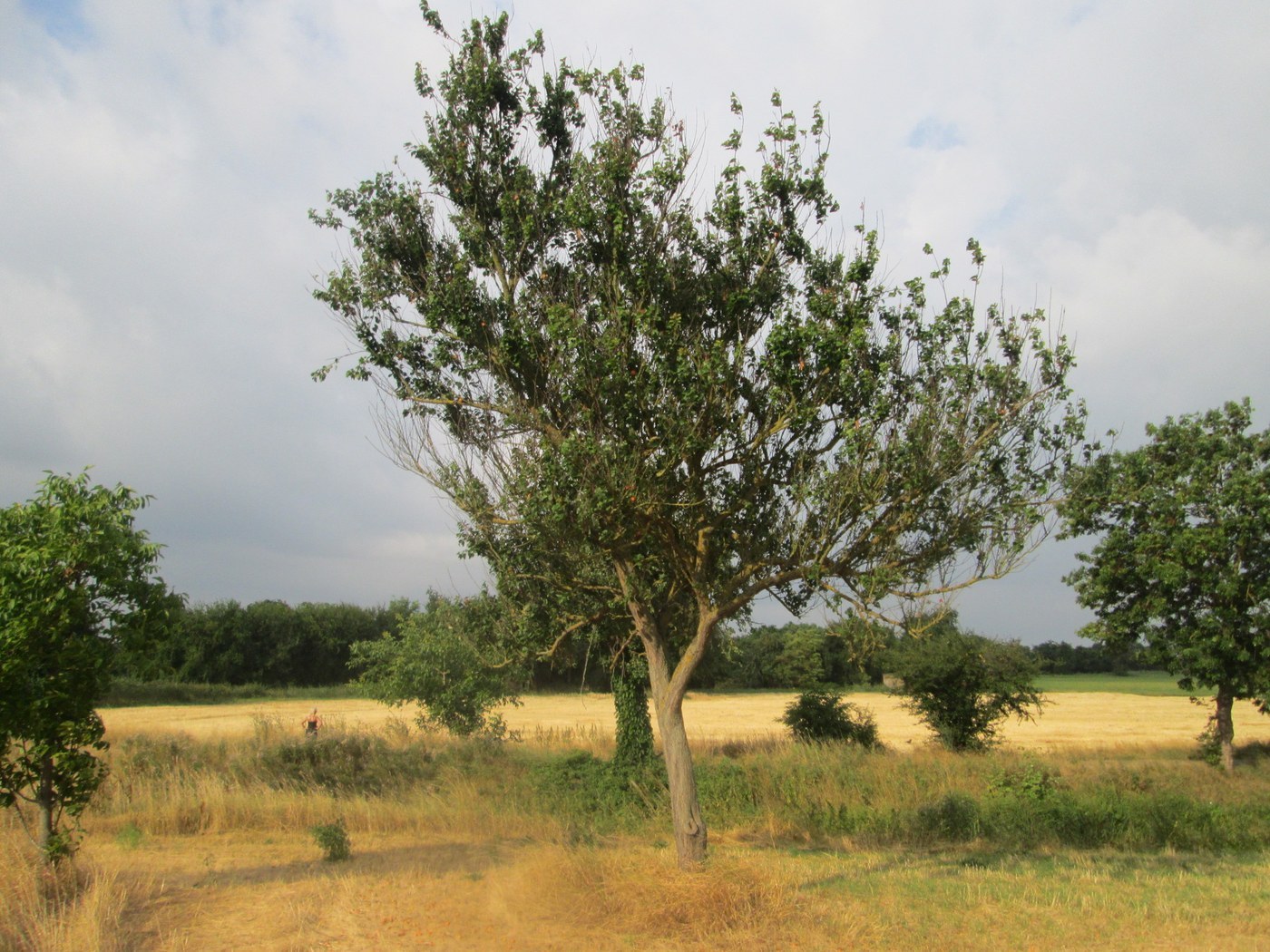
The apricot (Prunus armeniaca) is a graceful deciduous tree with a rounded crown, glossy heart-shaped leaves, and a cloud of pink-tinged white blossoms that open very early in the season. It is a moderately demanding tree that performs best with full sun and a well-drained site sheltered from late frosts.
Light
Apricots need full sun, at least six to eight hours of direct light daily, to develop a strong framework and abundant flower buds. Plant in the most open, sunny position available. Shaded trees grow leggy and flower sparsely. A south- or west-facing aspect with good air movement is ideal.
Water
Water deeply but infrequently. A newly planted tree needs regular watering through its first two or three seasons to establish a deep root system. Once established, the apricot is notably drought-tolerant and prefers a deep weekly soaking during dry spells rather than frequent shallow watering. Avoid saturated soil, which the roots resent.
Soil & Potting
Grow apricots in deep, fertile, well-drained loam. They dislike heavy, waterlogged clay and are prone to root problems in poorly drained ground, so improve drainage with grit or plant on a slight mound if needed. A near-neutral to slightly alkaline pH suits them well. If growing a dwarf form in a container, use a loam-based mix and ensure ample drainage holes.
Humidity & Temperature
Apricots are hardy and tolerate cold winters, but their very early bloom makes them vulnerable to late spring frosts that kill the open flowers. Plant on a slope or elevated site where cold air drains away, and avoid frost pockets. They enjoy warm, dry summers and dislike prolonged humid, wet conditions during the growing season.
Feeding
Feed in early spring as growth resumes with a balanced fertilizer or a topdressing of well-rotted compost. Avoid excessive nitrogen, which pushes soft, leafy growth at the expense of flowering and makes the tree more disease-prone. A light annual feeding and an organic mulch to conserve moisture are usually sufficient.
Propagation
Named apricot varieties are propagated by budding or grafting onto compatible rootstocks, which controls tree size and preserves the cultivar. Seedlings can be raised but are variable and slow to mature. For the home grower, purchasing a grafted young tree is the reliable route.
Repotting / Pruning
Prune apricots in late summer or early autumn rather than winter, since pruning during dry, warm weather reduces the risk of infection through cut wounds. Remove dead, damaged, and crossing branches, and shape to an open goblet form that lets in light and air. Container-grown dwarfs should be root-pruned and repotted every couple of years into fresh mix.
Common Problems & Pests
Silver leaf and bacterial canker are the most serious diseases, both worsened by winter pruning and poor drainage, so prune in dry weather and keep the tree vigorous. Aphids may cluster on new shoots, and brown rot can affect blossoms and developing fruit in wet springs. Peach leaf curl occasionally distorts foliage. Good air circulation and prompt removal of infected material are the best defenses.
Seasonal Care Tips
In late winter to early spring, protect the precocious blossoms from frost with fleece on cold nights. Through spring and summer, water young trees and mulch to conserve moisture. In late summer, carry out formative and maintenance pruning. In autumn, clear fallen leaves and debris to reduce overwintering disease.
Frequently asked questions
When should I prune an apricot tree?
Prune in late summer or early autumn during warm, dry weather. Avoid winter pruning, which greatly increases the risk of silver leaf and bacterial canker entering the cuts.
Why do the flowers get damaged every year?
Apricots bloom very early, so their open flowers are frequently caught by late frosts. Plant on a slope away from frost pockets and cover the tree with fleece on cold nights during bloom.
How much water does an established apricot need?
Once established it is quite drought-tolerant. A deep weekly soaking during dry spells is plenty; it strongly prefers deep infrequent watering over frequent shallow watering.
Can I grow an apricot in a container?
Yes, choose a dwarf grafted variety, use a loam-based mix with excellent drainage, feed in spring, and root-prune and refresh the soil every couple of years.