Apricot Tree
Prunus armeniaca
A deciduous stone-fruit tree prized for its golden-orange fruit and early spring blossoms. It thrives in regions with cold winters and warm, dry summers.
- Light
- Full sun
- Water
- Deep weekly watering; drought-tolerant once established
- Difficulty
- Moderate
Got a plant like this?
Identify any plant from a photo, free.
Overview
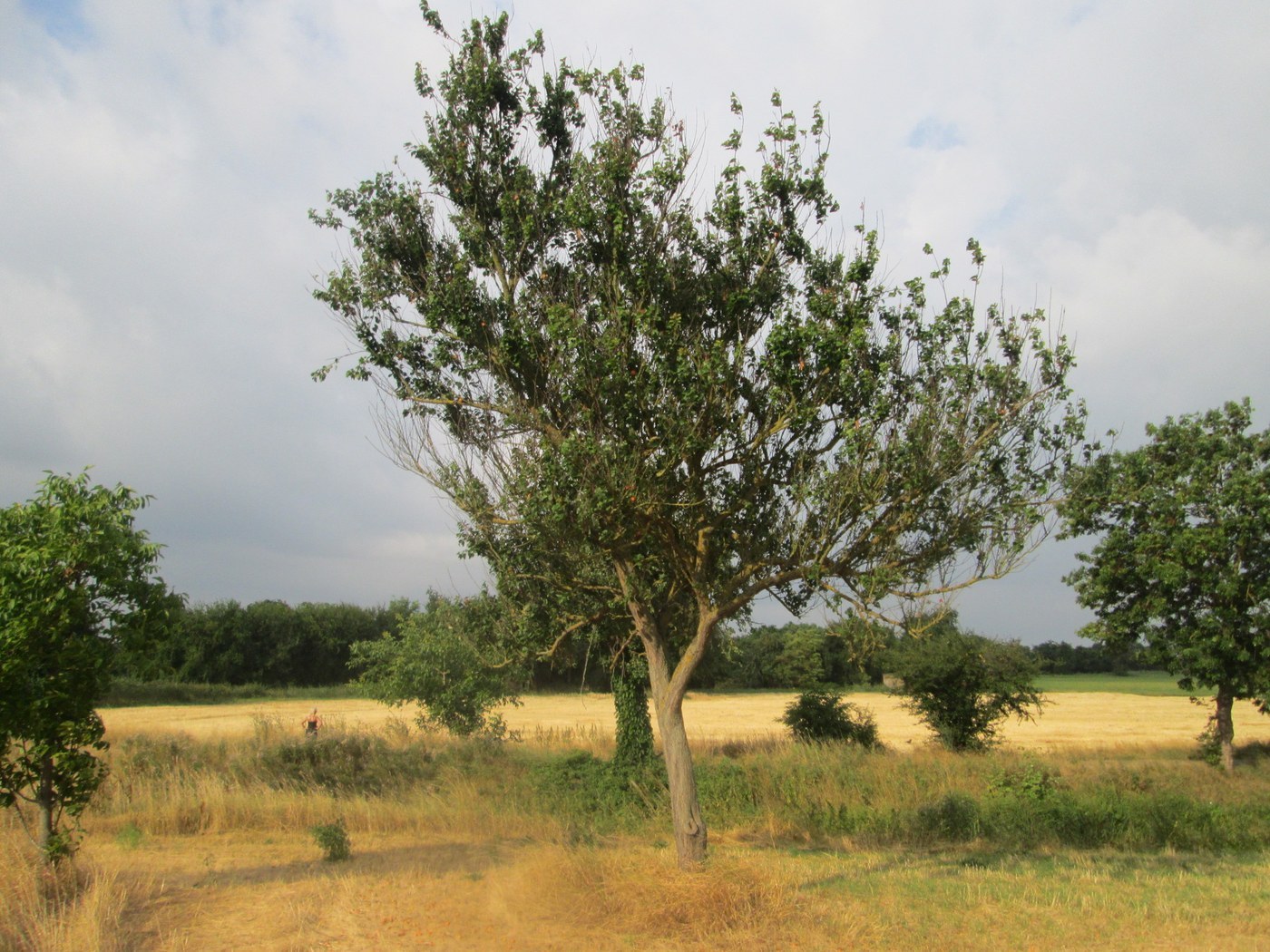
The apricot is a small to medium deciduous tree in the rose family (Rosaceae), grown for centuries for its fragrant, velvety-skinned fruit. It is among the first fruit trees to bloom each spring, often flowering before the leaves emerge.
Apricots need a period of winter chill to fruit well, but their early bloom makes them vulnerable to late frosts. A healthy tree can produce abundant crops and live for several decades with proper care.
How to identify it
Recognize an apricot tree by these features:
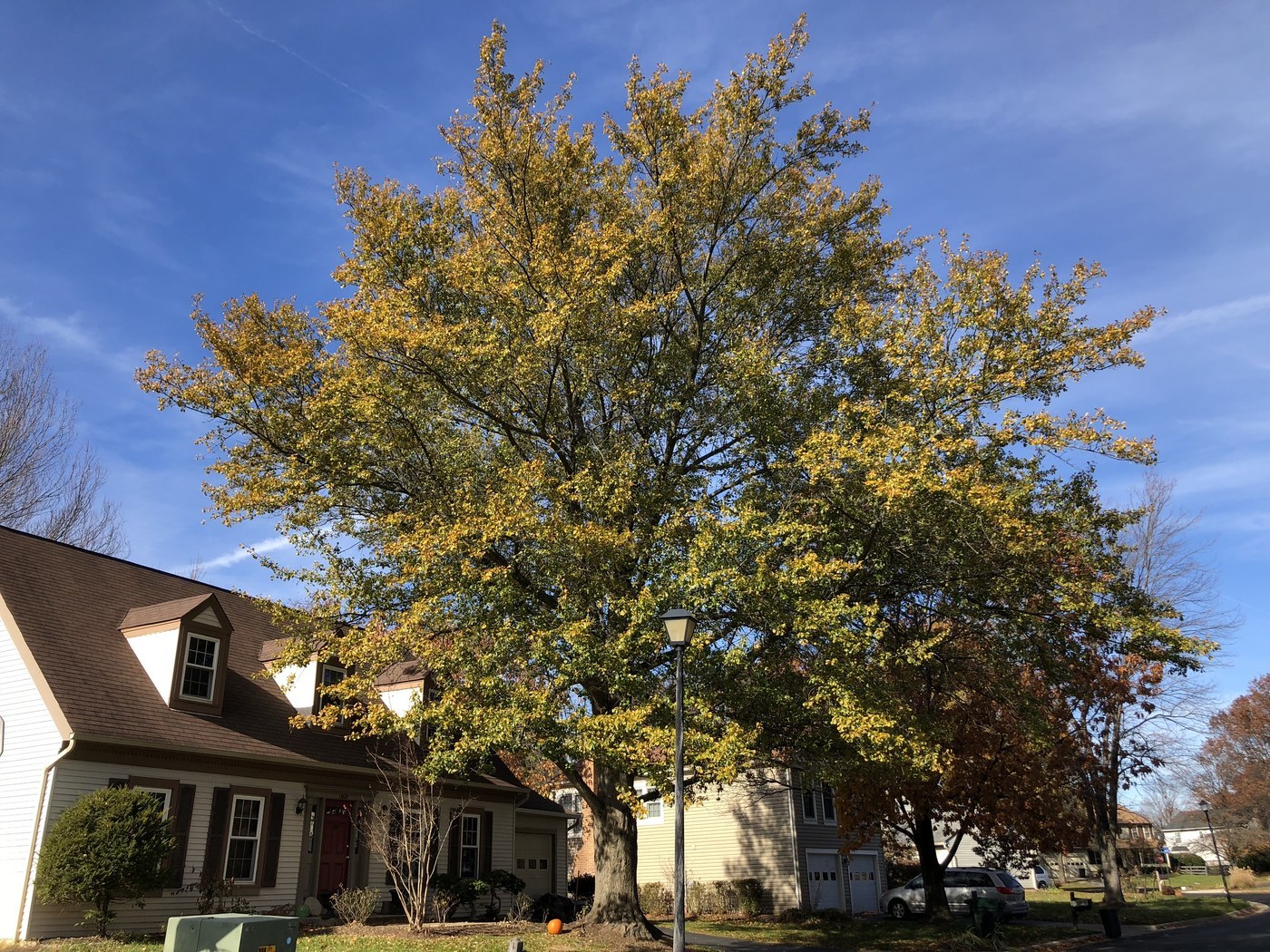
- Size & habit: Reaches 8-12 m tall with a broad, spreading, rounded canopy
- Leaves: Heart-shaped to oval, 5-9 cm long, glossy dark green with a fine-toothed margin and pointed tip
- Flowers: Solitary or paired white-to-pink five-petaled blossoms, opening in early spring before leaves
- Fruit: Round to oval drupe, 3-6 cm, with velvety yellow-orange skin often blushed red; a single smooth pit
- Bark: Reddish-brown, becoming furrowed with age
Care & growing
Light: Full sun, at least 6-8 hours daily, for best fruiting.
Water: Water deeply and regularly while young and during fruit development; established trees tolerate some drought. Avoid waterlogged soil.
Soil: Well-drained loam with a near-neutral pH (6.5-7.5). Good drainage is essential to prevent root rot.
Temperature: Needs 300-900 chill hours below 7°C; hardy in USDA zones 5-8. Late frosts can destroy blossoms.
Feeding: Apply a balanced fertilizer in early spring; avoid excess nitrogen.
Propagation: Usually grafted onto rootstock; can be grown from seed but offspring vary. Prune in summer to reduce risk of fungal infection.
Habitat & origin
Despite the species name armeniaca, apricots are thought to have originated in Central Asia and China, with a long cultivation history along the Silk Road. They were spread westward through Armenia and the Mediterranean.
Today they are grown commercially in Turkey, Iran, Uzbekistan, the Mediterranean basin, and California, favoring continental climates with cold winters and hot, dry summers.
Frequently asked questions
Why doesn't my apricot tree produce fruit?
Common causes are insufficient winter chill, late-frost damage to blossoms, too much shade, or a young tree that hasn't matured (most fruit by years 3-5).
Are apricot trees self-pollinating?
Most apricot varieties are self-fertile, so a single tree can set fruit, though a second tree can improve yields.
How long until an apricot tree bears fruit?
Grafted trees typically begin fruiting in 2-4 years, reaching full production around year 5-6.
Apricot Tree guides
In-depth guides for identifying, growing, and caring for Apricot Tree.
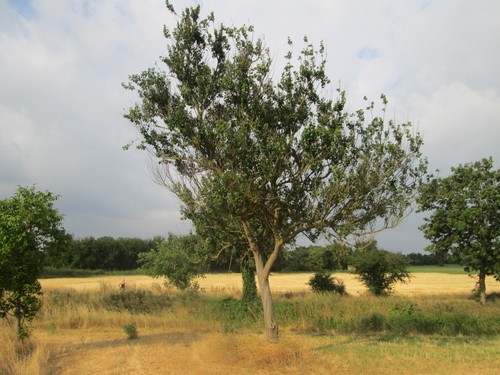
How to Care for Apricot Tree
Growing guide for Prunus armeniaca, a sun-loving deciduous tree with early blossoms, prized as an ornamental orchard specimen.
Apricot Tree Identification Guide
A practical guide to identifying the apricot tree (Prunus armeniaca) by its rounded leaves, early pink-white blossoms, and fuzzy orange stone fruit.