How to Care for Arborvitae
Arborvitae is an easy evergreen conifer for hedges and screens, needing sun, even moisture, and good drainage.
Read the full Arborvitae encyclopedia entry →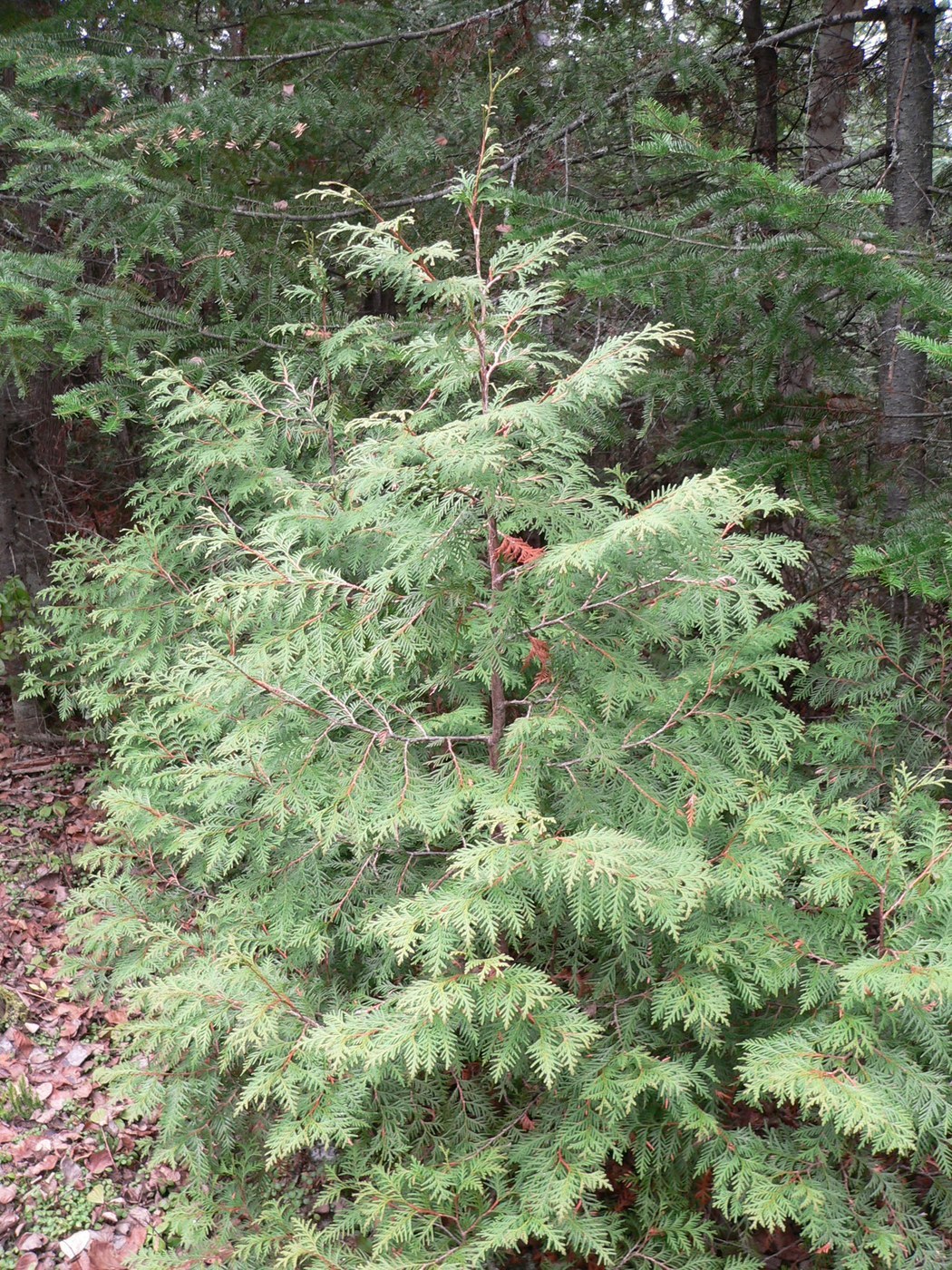
Arborvitae (Thuja occidentalis) is a dependable evergreen conifer widely grown for hedges, privacy screens, and specimen plantings thanks to its dense, feathery foliage and neat pyramidal form. It is an easy-to-grow, cold-hardy plant that asks only for sun, steady moisture, and decent drainage.
Light
Arborvitae grows best in full sun to part shade. Full sun yields the densest, most compact growth and the richest color. Plants in too much shade become thin, open, and leggy as the interior foliage weakens.
Water
Keep the soil evenly moist, especially during the first two years while roots establish. Newly planted arborvitae need regular, deep watering; established plants have moderate needs but appreciate supplemental water during dry spells and heat. Consistent moisture prevents the browning and dieback that drought stress causes. Avoid waterlogged soil.
Soil & Potting
Arborvitae is adaptable but does best in moist, well-drained, fertile soil. It tolerates clay and a range of pH but resents both drought and standing water. Mulch around the base with 2-3 inches of organic mulch to conserve moisture and moderate soil temperature, keeping the mulch off the trunk.
Humidity & Temperature
This is a very cold-hardy conifer (roughly USDA zones 2-7) that tolerates harsh winters well. It does not need supplemental humidity. In regions with heavy snow, gently brush accumulation off branches or tie upright forms to prevent limbs from splaying and breaking under the weight.
Feeding
Arborvitae are light feeders. A slow-release, balanced or evergreen-formulated fertilizer applied in early spring supports steady growth. Avoid heavy feeding, especially late in the season, which can push tender growth vulnerable to winter damage. In fertile soil, minimal feeding is needed.
Propagation
Propagate from semi-hardwood cuttings taken in late summer or fall. Take 6-8 inch tip cuttings, strip the lower foliage, dip in rooting hormone, and insert into a moist, well-draining medium kept humid. Rooting can be slow, but cuttings from named cultivars come true to type, unlike seed.
Repotting / Pruning
Arborvitae tolerates shearing well, which is why it is a hedge favorite. Prune in late spring or early summer to shape, but avoid cutting back into old bare wood, as it does not readily regenerate from it. Light annual trimming maintains a dense form. Container specimens can be repotted every couple of years in spring.
Common Problems & Pests
Bagworms and spider mites are the most common pests; inspect for bags and webbing and remove or treat promptly. Fungal blights and root rot appear in poorly drained or overly wet sites. Winter browning ('winterburn') results from cold, drying winds and frozen soil; anti-desiccant sprays and adequate fall watering help reduce it. Interior needle browning in fall is often normal seasonal shedding.
Seasonal Care Tips
In spring, apply mulch, feed lightly, and prune to shape. Through summer, water deeply during dry spells to prevent stress browning. In fall, water well before the ground freezes to guard against winter desiccation. In winter, protect from heavy snow load and drying winds, wrapping vulnerable young plants with burlap in exposed sites.
Frequently asked questions
Why is my arborvitae turning brown?
Browning is commonly caused by drought stress, winter windburn, or poor drainage. Water deeply during dry spells and before winter, ensure the soil drains well, and check for spider mites or bagworms. Some interior needle drop in fall is natural.
How often should I water a new arborvitae?
Newly planted arborvitae need regular deep watering to keep the soil evenly moist for the first two years. Water several times a week in hot, dry weather, tapering as roots establish.
Can I cut arborvitae back hard?
Avoid cutting into old bare wood, since arborvitae does not reliably sprout new growth from it. Prune lightly and regularly within the green foliage to keep a dense, shaped form.
How much sun does arborvitae need?
It grows best in full sun to part shade. Full sun gives the densest growth and best color; too much shade makes it thin and leggy.
Arborvitae identified by the community
Recent Arborvitae specimens identified with Plant Identifier.